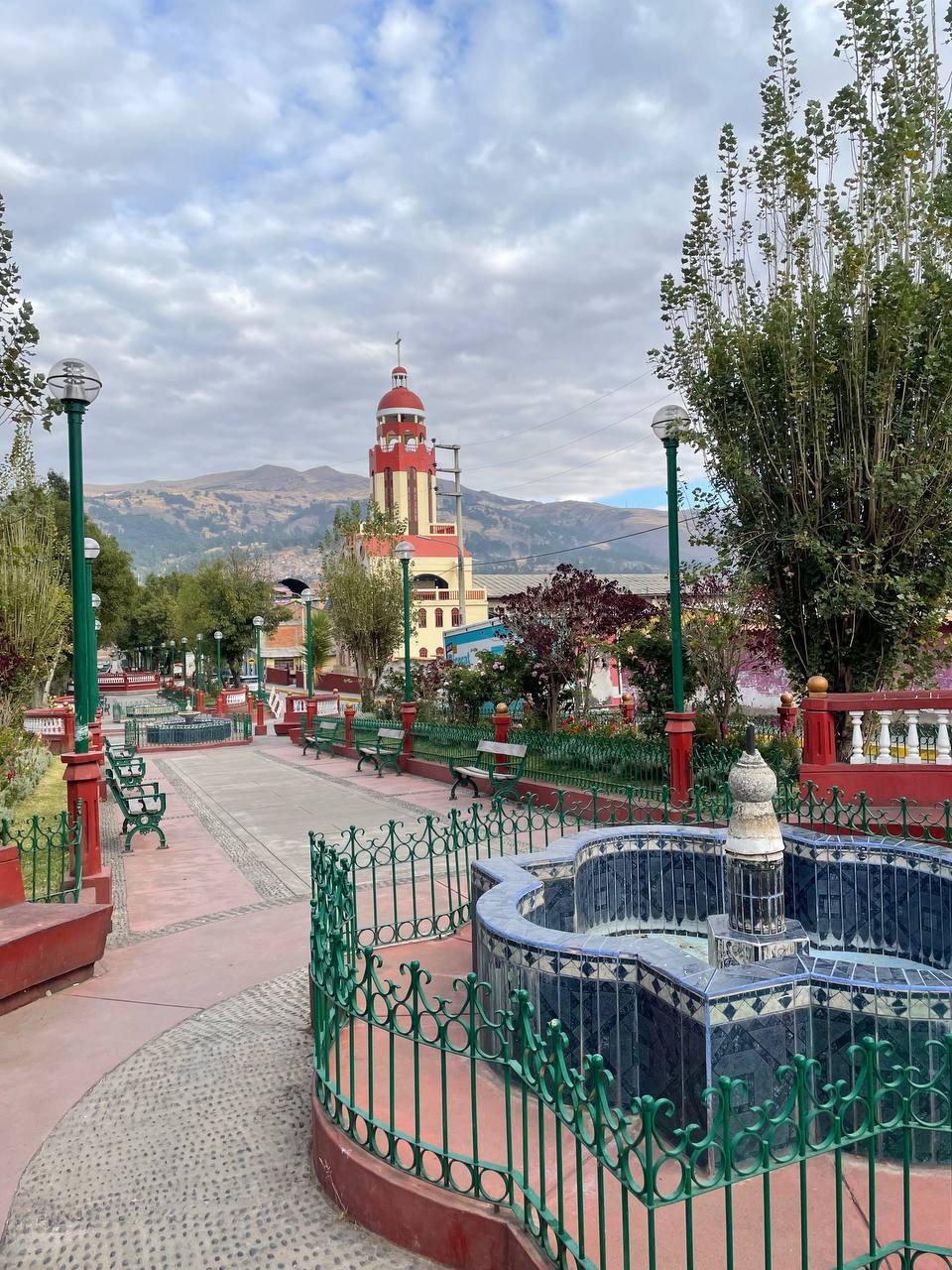
My trip to Peru began in the purgatory after I buzzed the doorbell of the Peruvian consulate. All the courage I had built up to speak Spanish melted as soon as I heard a voice from the telecom. I froze for what felt like a whole minute on weed. I collected myself and responded shyly: “tengo una cita por mi visa”1. And with that, I was closer than ever to realising my four year old desire to visit Peru.
Half a year later, with no marked improvements in my Spanish, I landed in Lima, Peru’s capital city.
Lima: Smiles with Broken Teeth
“Wow” is a word that comes short in expressing my first impressions of the airport. Everything was bright, clean (almost glistening), modern and organised.
I must admit that I felt quite good being in the same queue as the Europeans: the discrimination I had long gotten used to was shared, and I relished it. Unlike in Europe though, the interaction with the immigration officers was super relaxed: my guy tolarated my broken Spanish, and was gleefully telling me that he’s from Ancash, the Andean region I was going to be spending most of my time in!
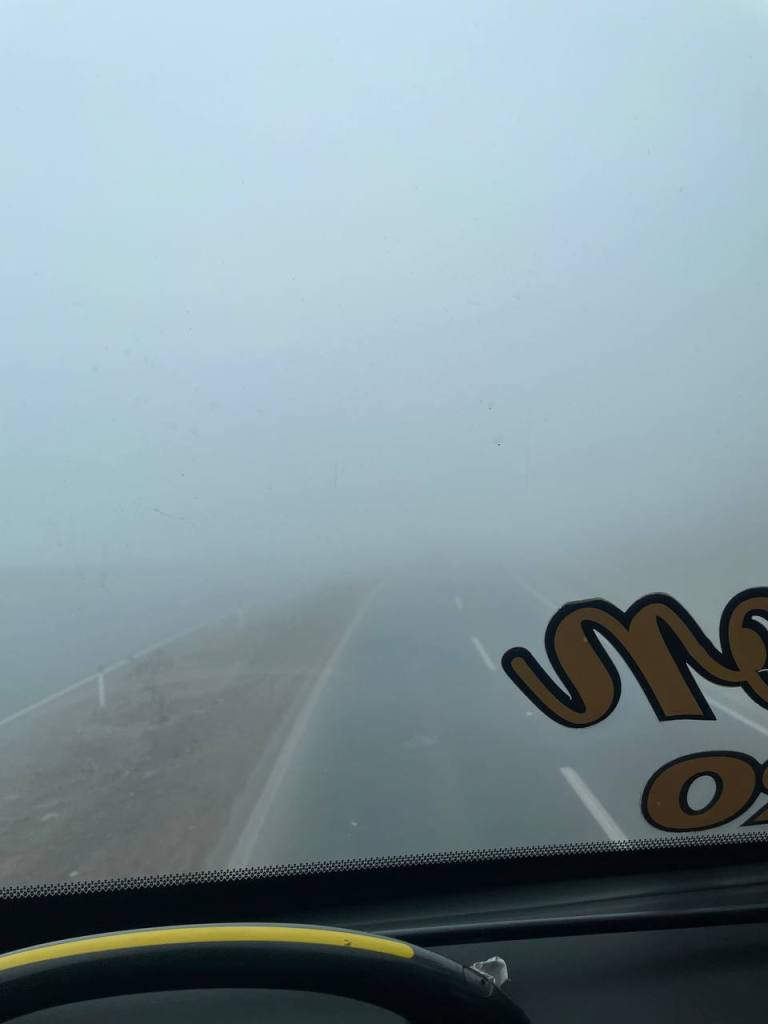
So with a bright smile masking my tiredness I exited the airport, only to be greeted with The Grayness, the thick fog that nests over Lima during winter. I finally saw first hand what people mean by “Lima is not typically described as beautiful”. It made me wonder about the travel experiences of all those who complain that London is gray.
I stared at the red lights glowing behind the mist, as the fresh, cool and moist air kissed my skin genlty. I enjoyed it for a moment before going back to the airport to grab a bite.
I then loitered until it was time to take a cab to the bus station. And it was on this ride that I got a true glimpse of the city.
Callao IS rough
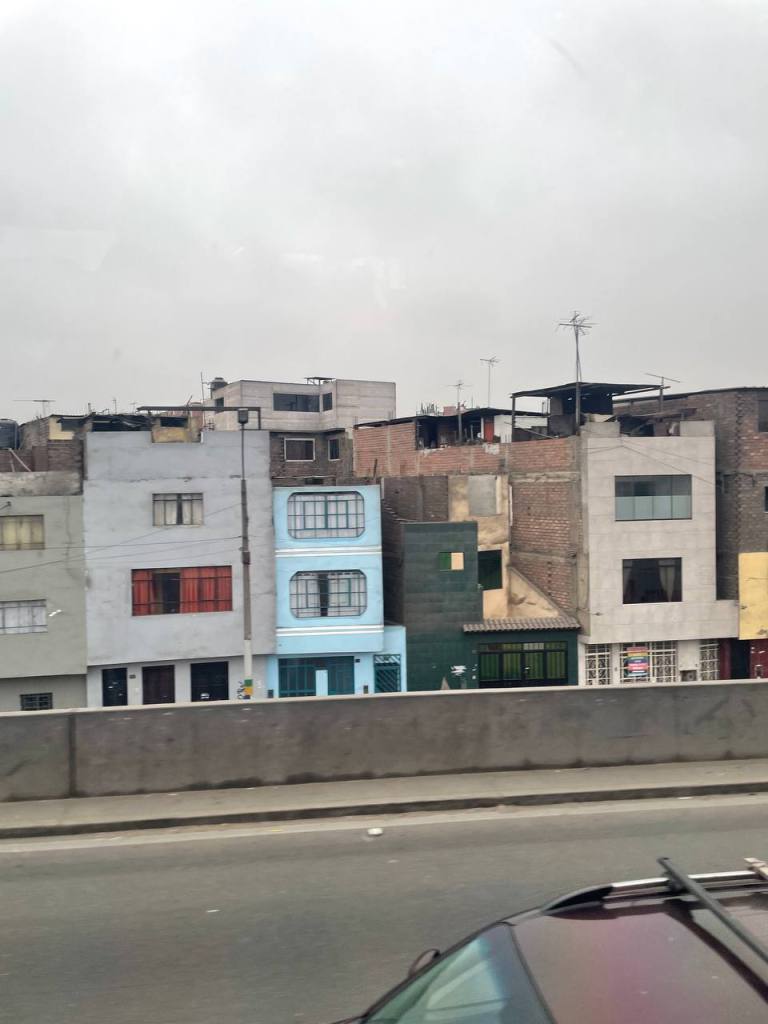
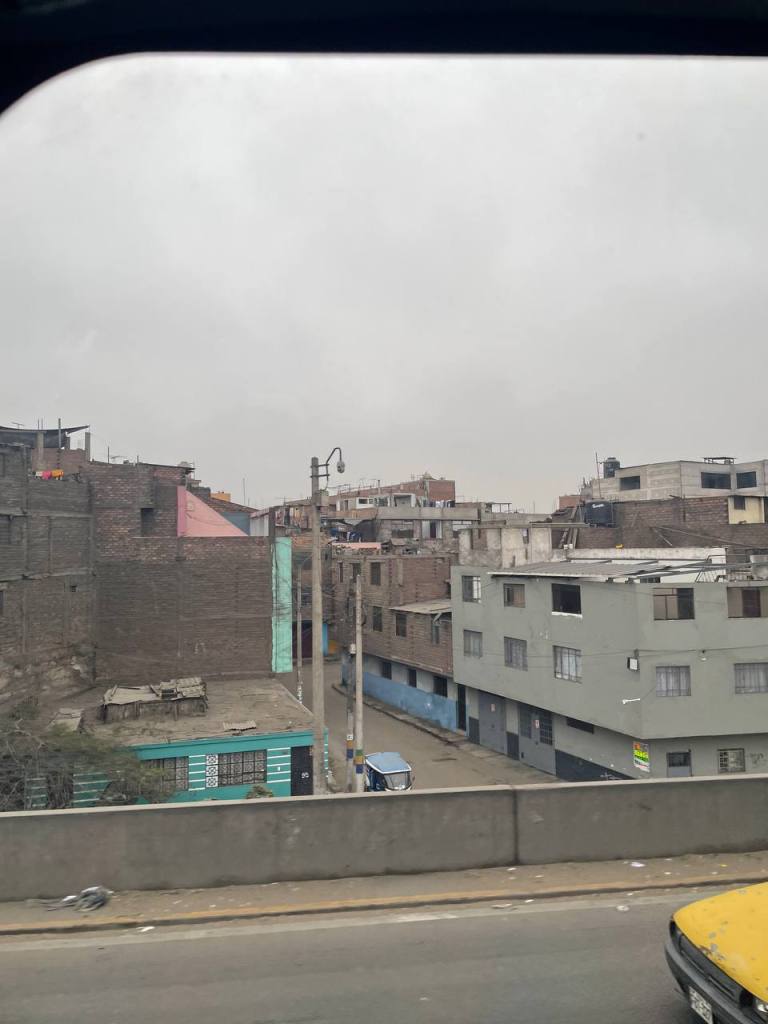
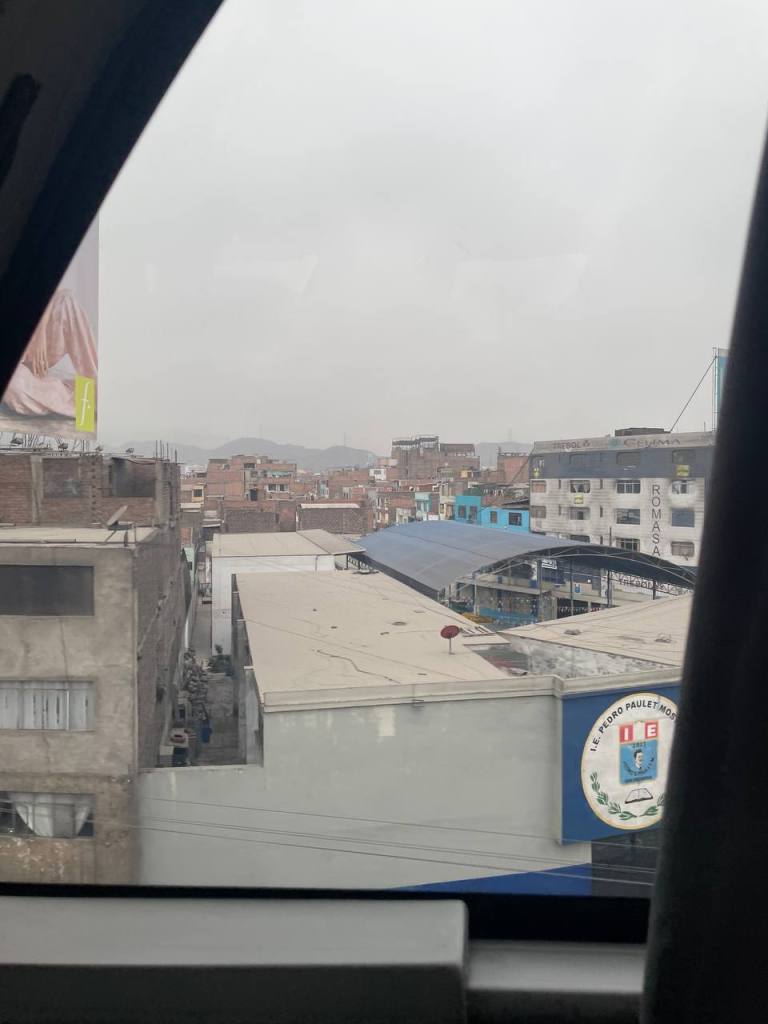
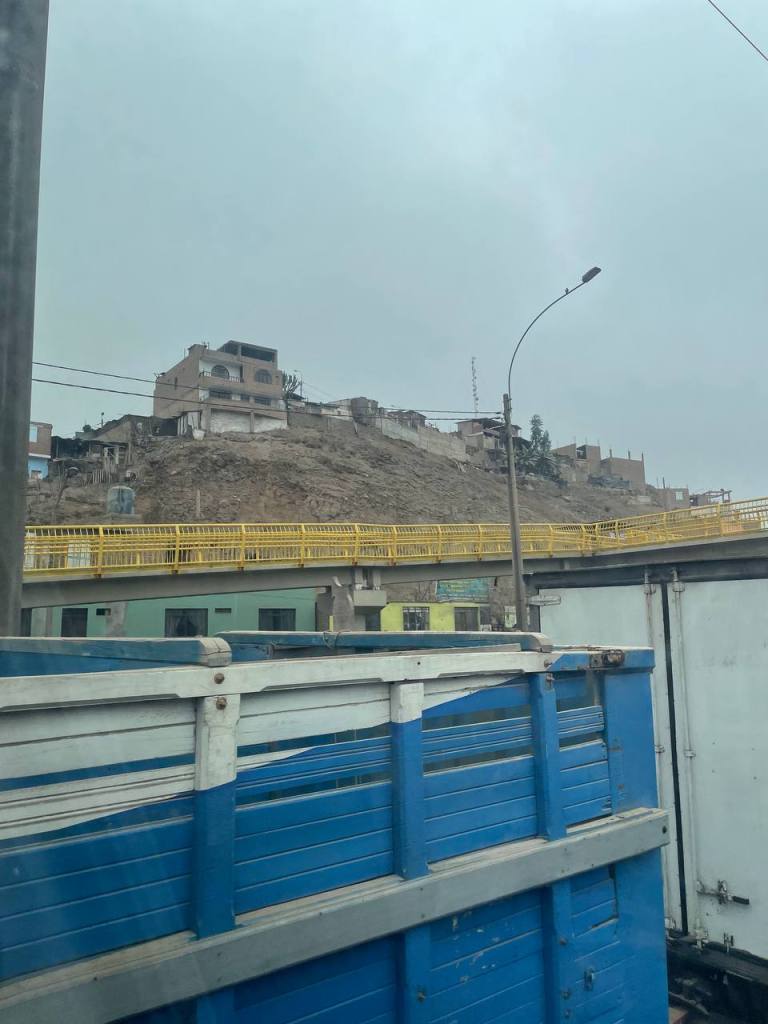
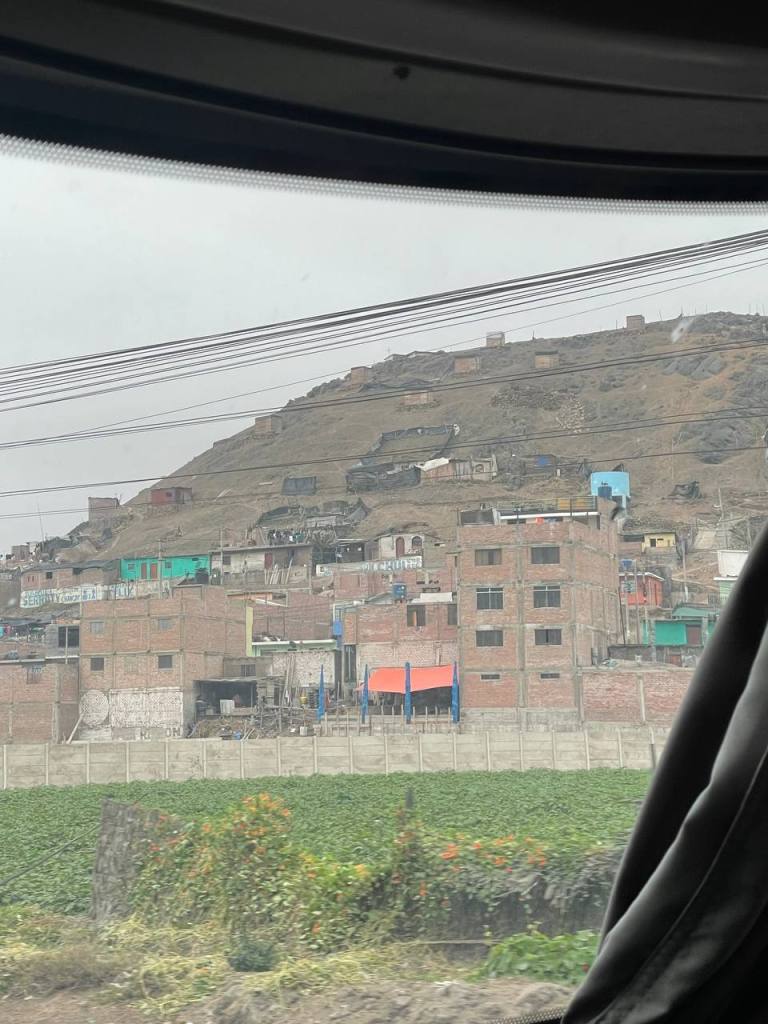
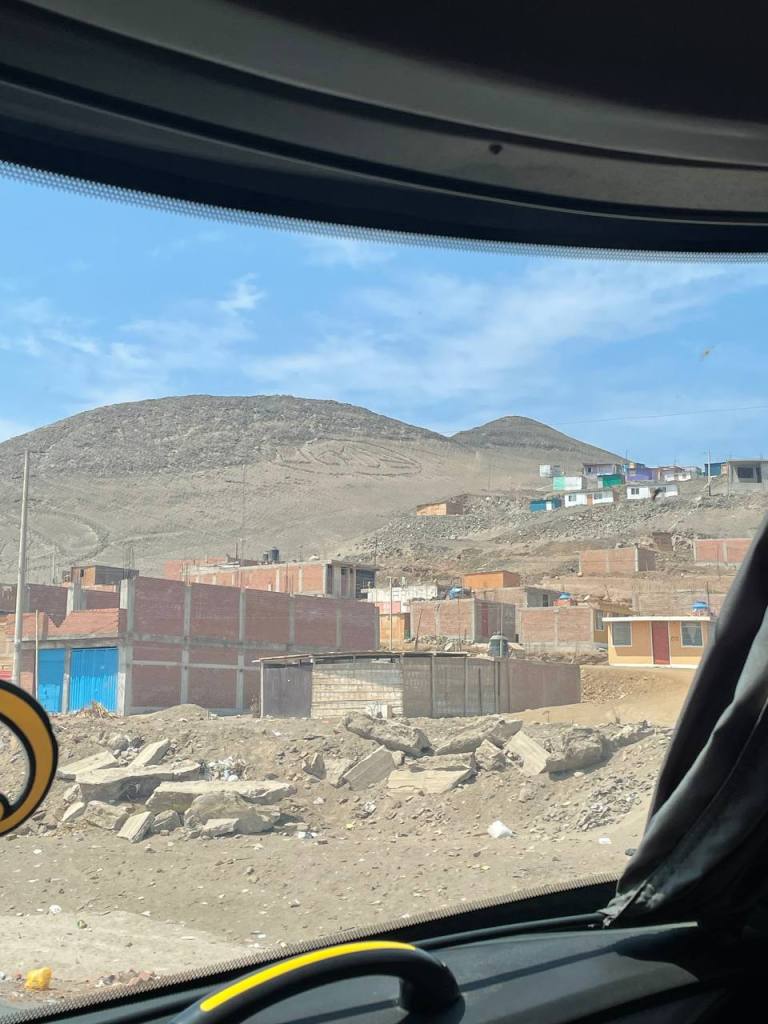
I had been warned by every tourist website to avoid Callao, and I finally understood why2: all the buildings are incomplete and many would fit the description of “shanty town”.
I dropped the character of “the solo traveller who goes to dangerous places” and allowed myself to feel my sadness and also my privilege.
Accident Free Chaos
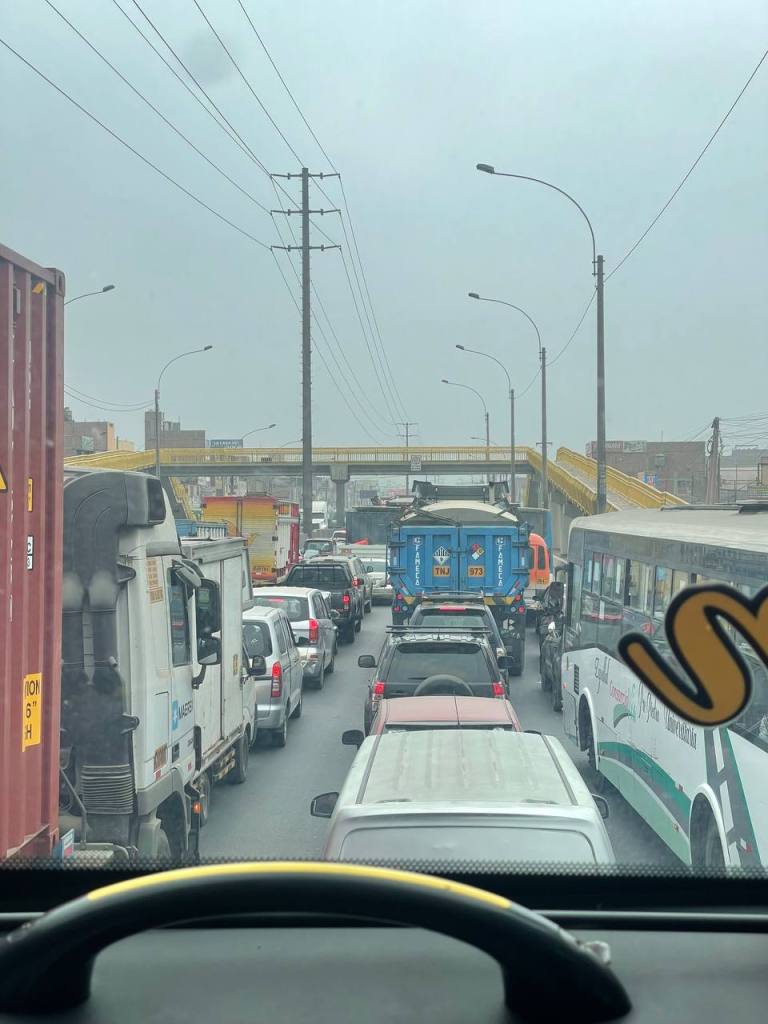
The traffic in Peru, and in particular in Lima, is insane. Every car is honking, and every driver is trying to minimise the space between them and the next driver to a foot. My mind was super stressed the whole time, seemingly making up for the lack of stress all the other drivers were feeling! This was especially the case at traffic lights, which in Lima have a countdown timer. Every second closer to green was a second to seeing myself surrounded in a tight layout by all the cars around… anticipating a scratch or a crash.
I suspect that you get used to the chaos, but I know for sure that I would never drive there, let alone cycle, a desire I had prior to my arrival in Lima.
The Posh Sides of Town
As we drove through the frenzy, the roads started to get better, and the buildings started to look more complete. A quick look at the map confirmed that I was passing through San Isidiro, and then Miraflores, two posh neighbourhoods typically recommended to tourists.
And if the infrastructure wasn’t enough of a sign that we’d entered a posh area, then the plethora of joggers on the sidewalks surely was.
Peruvian Peculiarities
I had an hour to spare at the bus station, so decided to explore a bit… mostly looking for some food. To my demise the only thing that I found were carts selling quinoa drinks (which I would later find I don’t like) and fava bean sandwiches, all of which required cash that I did not have.
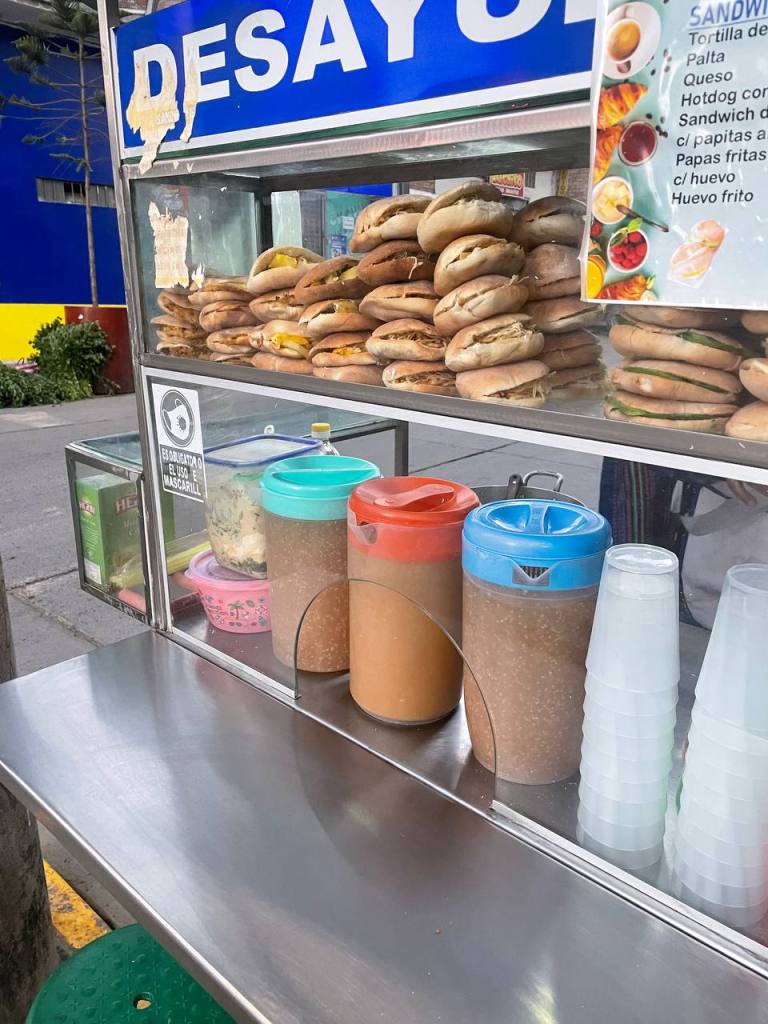
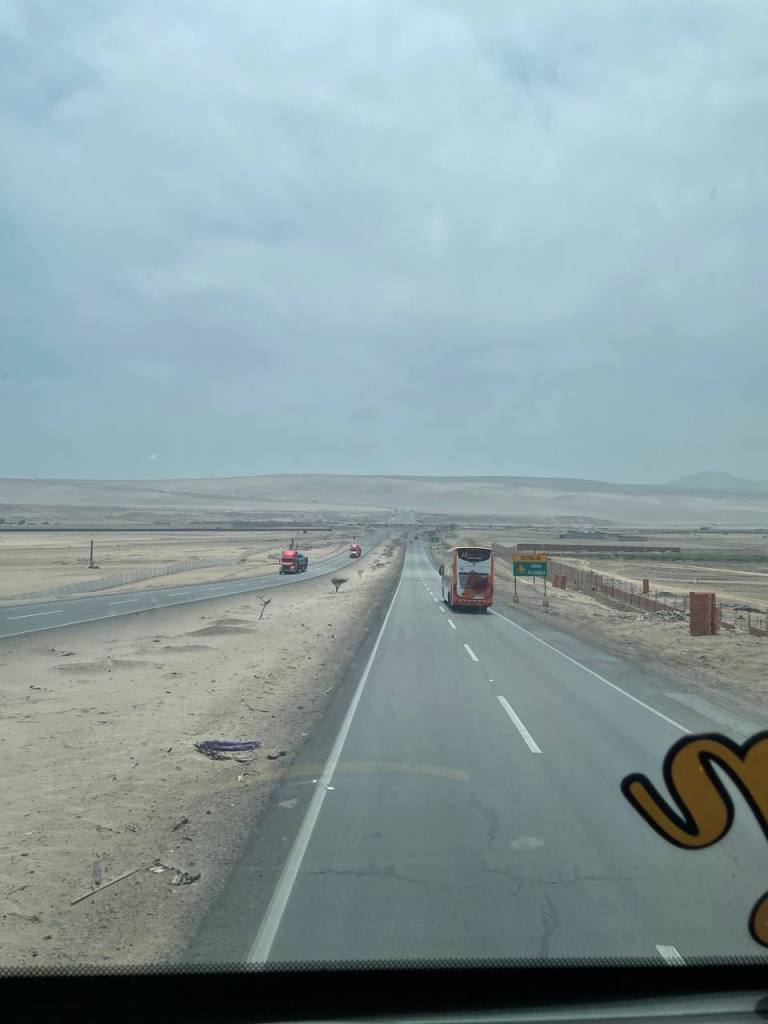
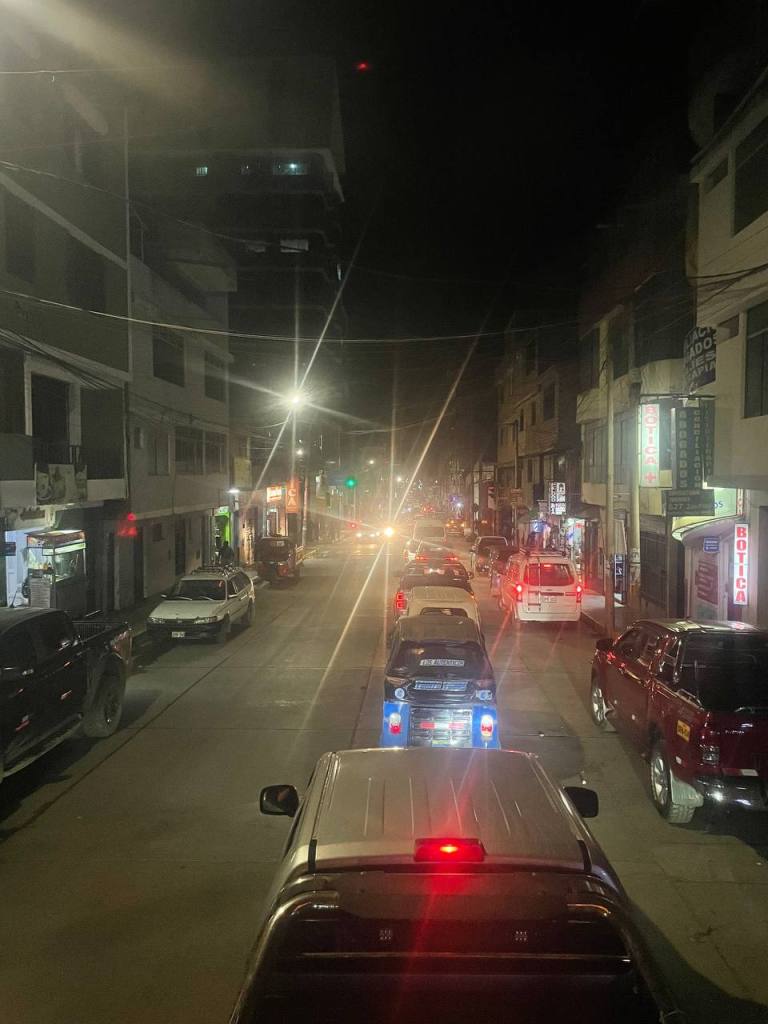
So I hungrily sat in the bus for my long journey to Huaraz… which was made a few hours longer by the crippling traffic out of Lima. Every second on that bus was making me a more radical car hater.
But still, from this journey I was able to experience a few Peruvian peculiarities.
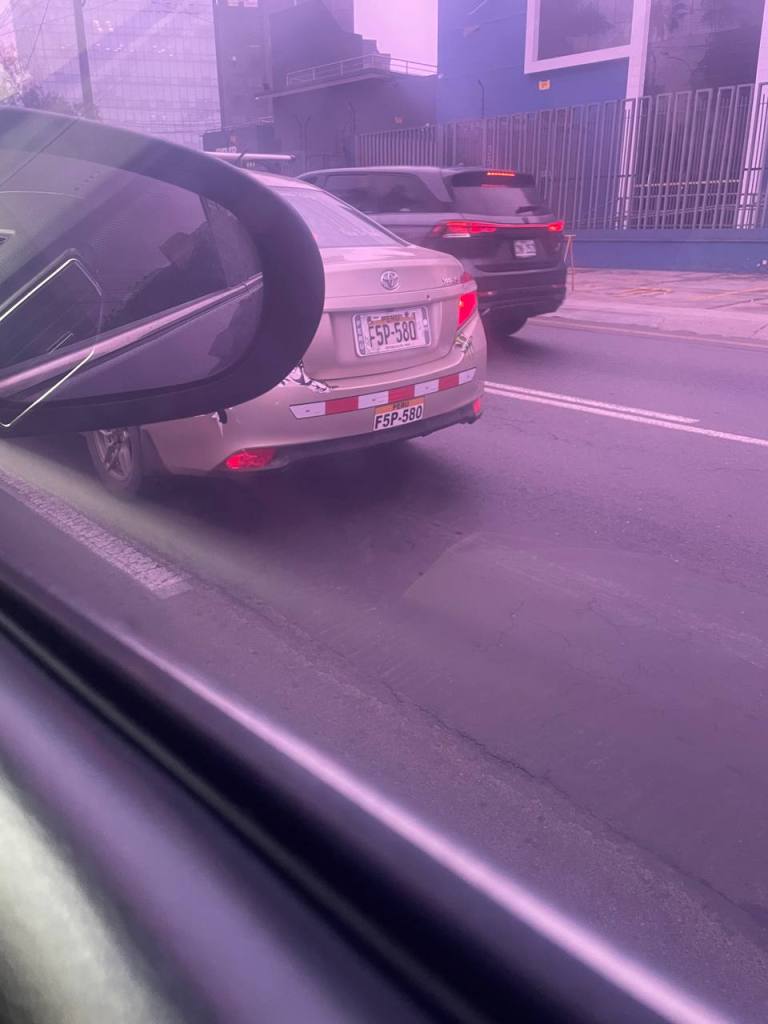
The peruvians seem to express their nationalism by adorning their cars with the colours of the flag.
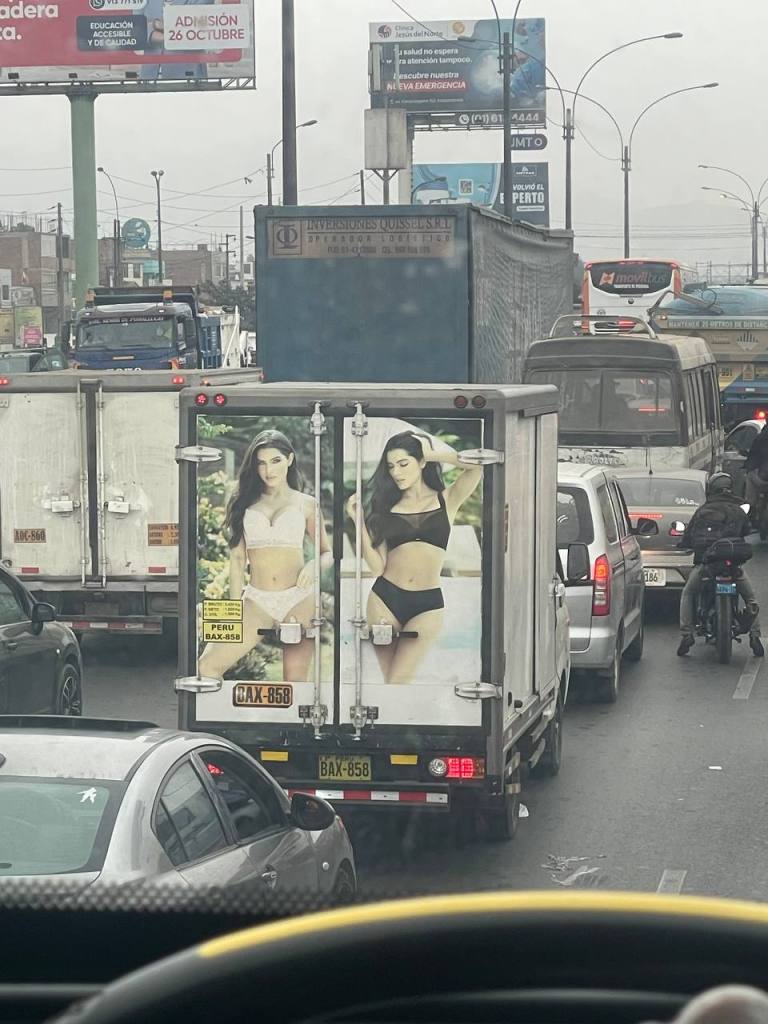
Many of the vans have strange graffiti art or advertising on them.
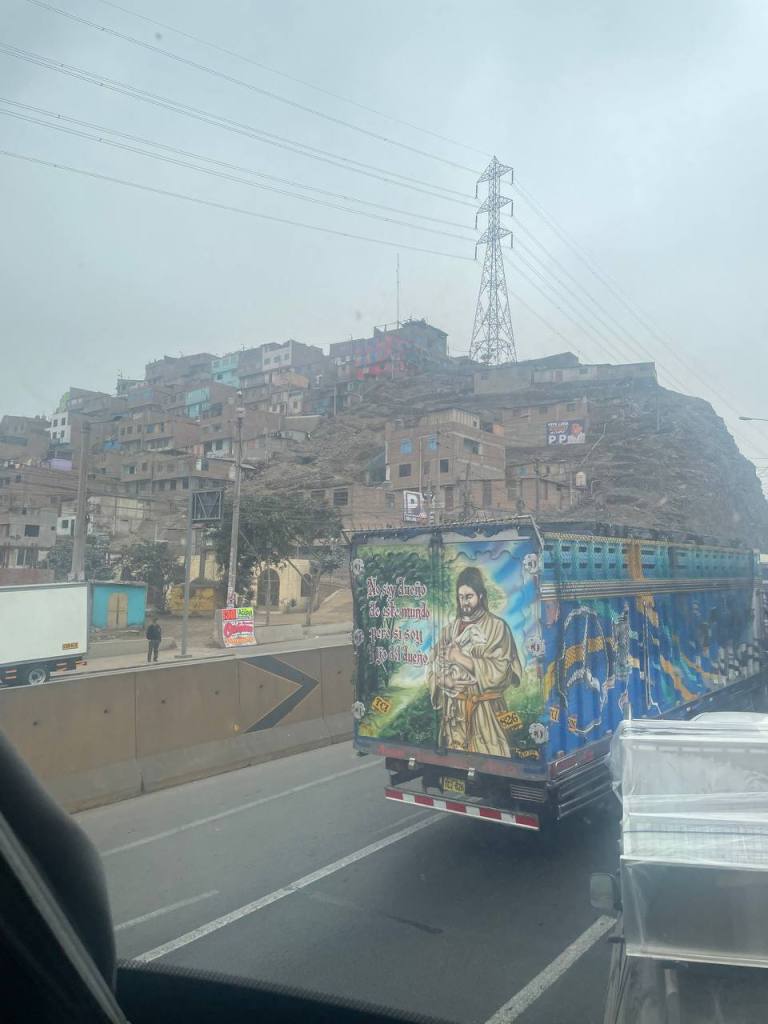
The police cars have red lights, and the ambulances orange ones. Many of the vehicles have funny toy-like beeps, and obnoxious blue or pink LED lights.
And finally, despite the city being so chaotic that it would make any sane person go mad… the Peruvians are a totally relaxed people. And the economy seems to have adapted to it, as every 20 meters or so I’d spot an actual street vendor, selling treats like dried sweet potato to all of us stuck in traffic.
Unfortunately this was the last I saw of Lima during this trip of mine. The rest of my experiences where in the Andean city of Huaraz.
Huaraz: An Andean Gem
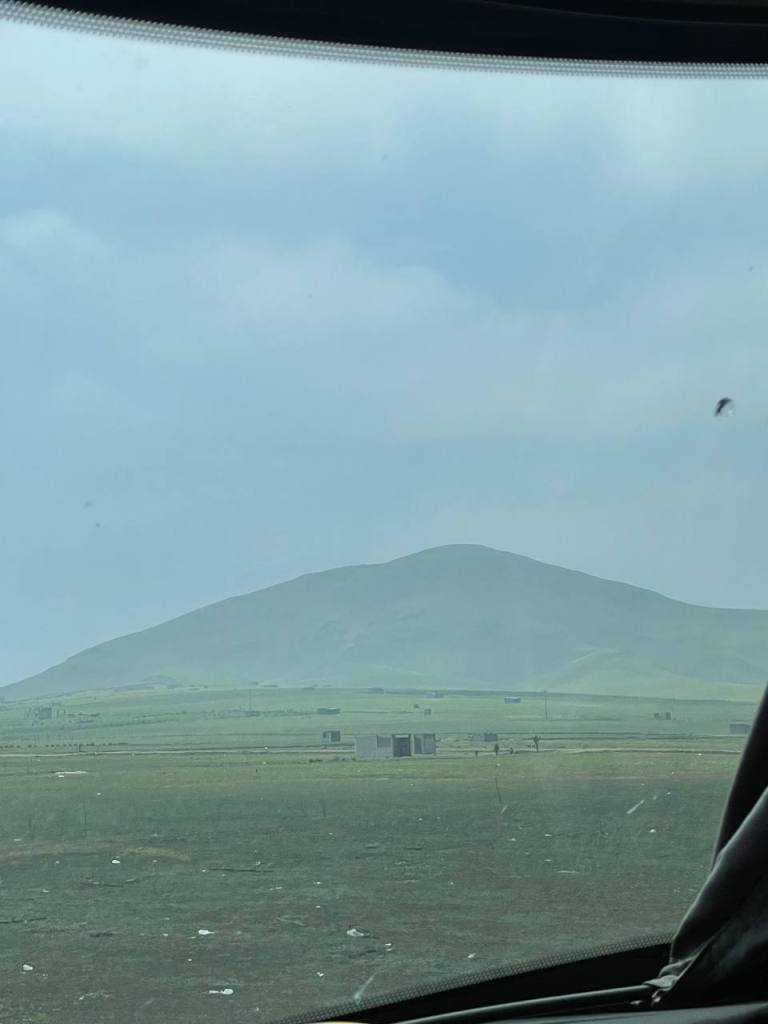
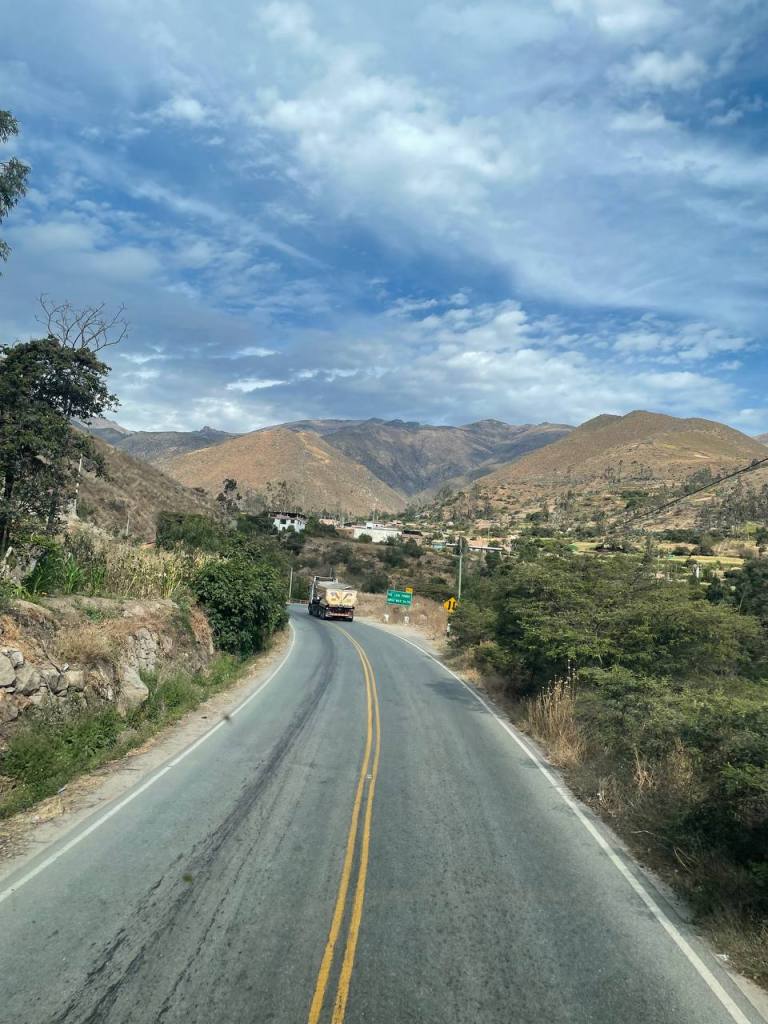
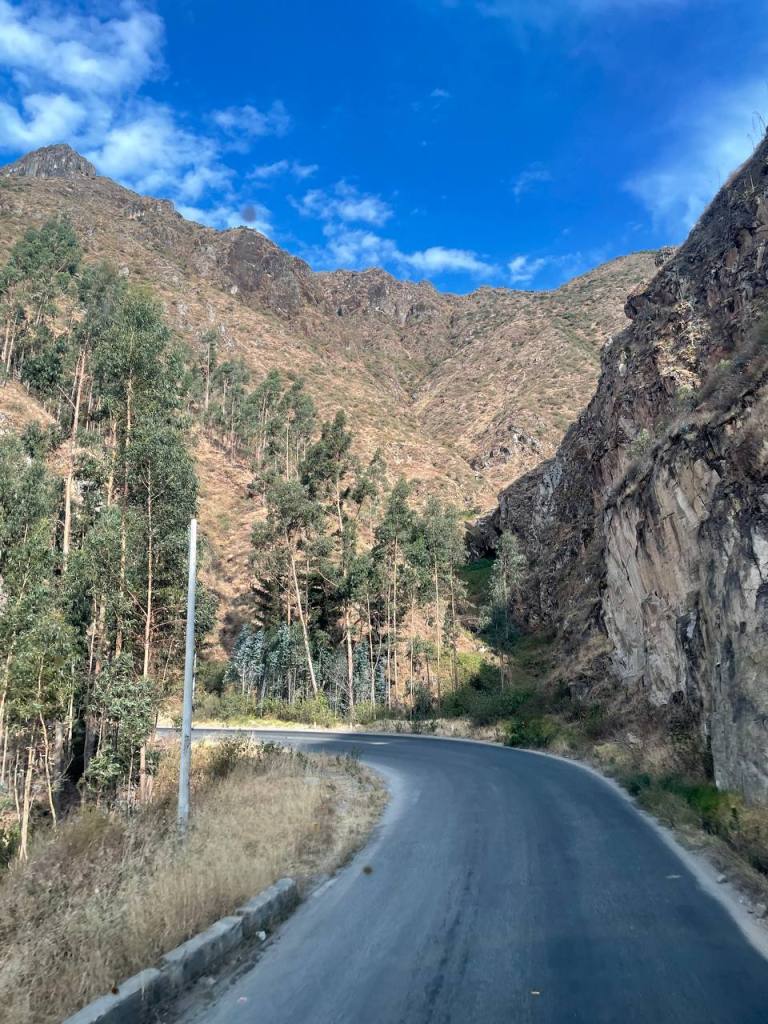
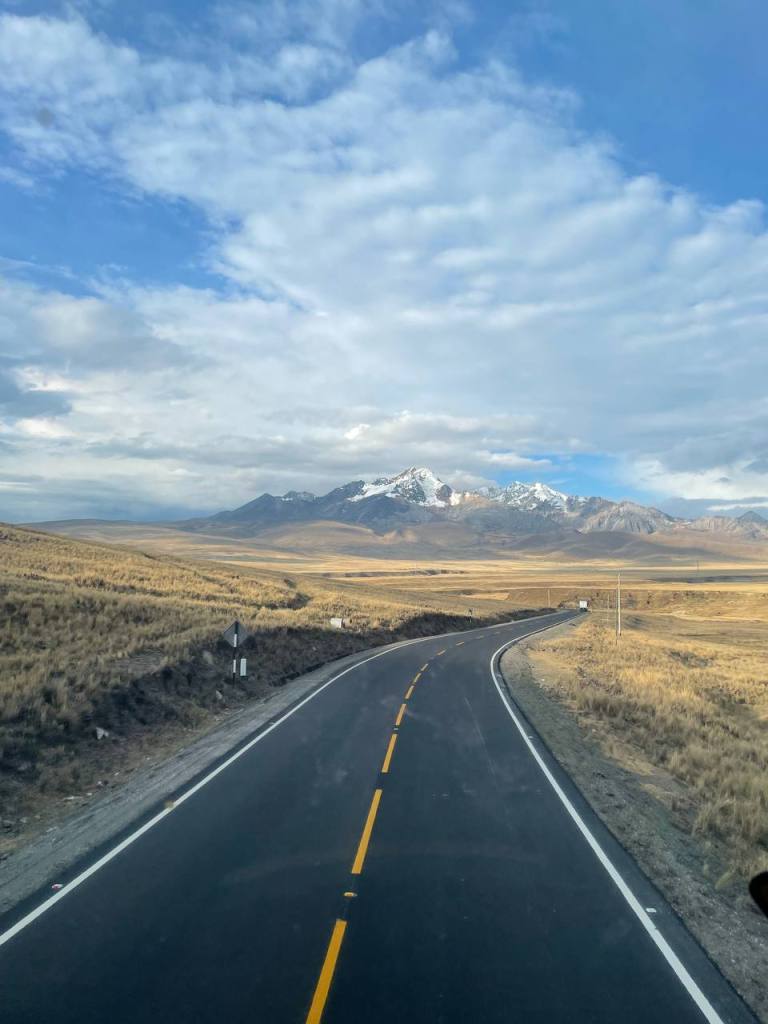
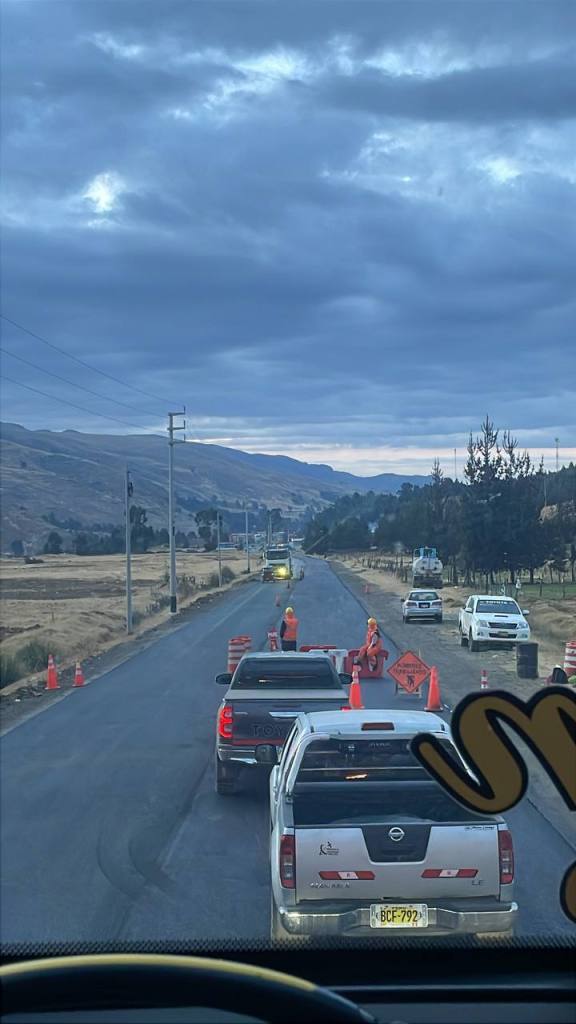
Imagine my state arriving into Peru after a gruelling 18 hour plane ride, 5 hours of loitering at Lima’s airport looking at The Grayness, followed by a 12 hour bumpy ascent to 3000 metres on Peru’s dilapidated roads, all while severely nutrition and sleep deprived. Oh and I have to mention that for a whole hour of the journey we were stuck behind construction works…!
Its safe to say that I put my first impressions of the city on pause till the morning.
Cradled by Giants
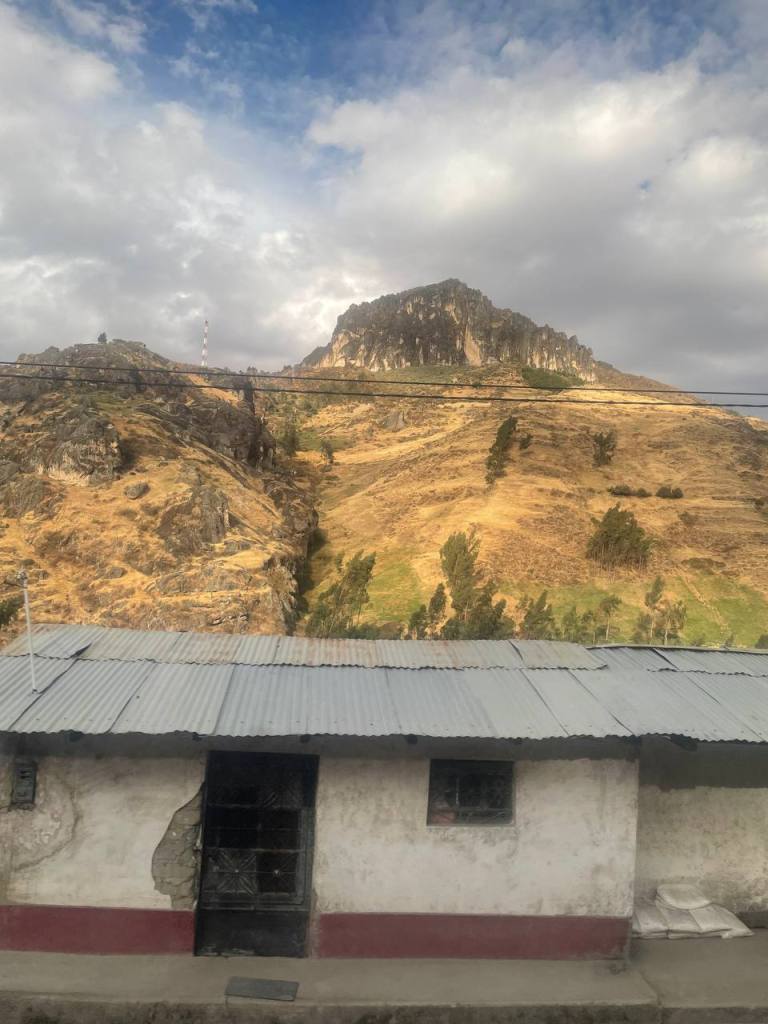
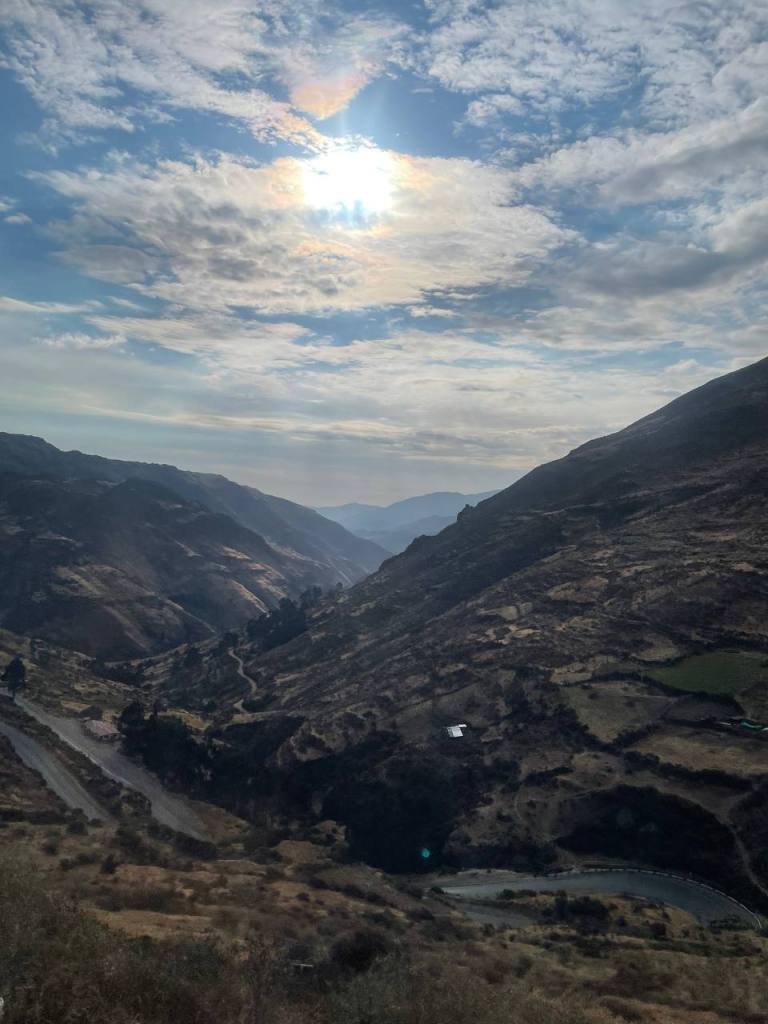
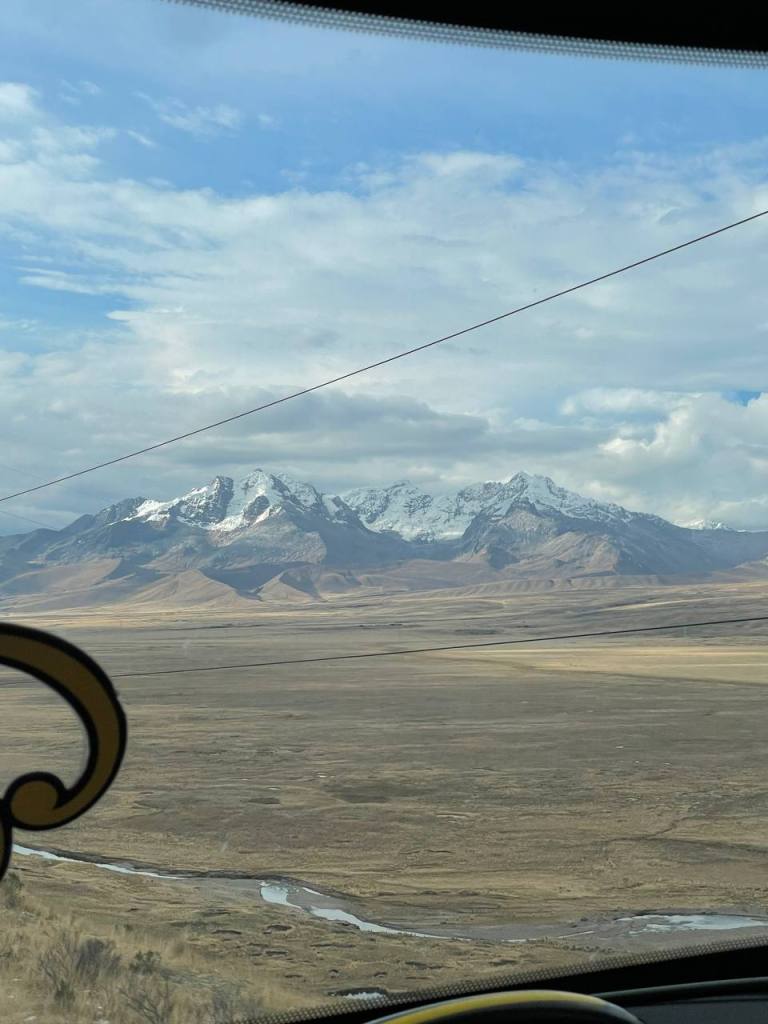
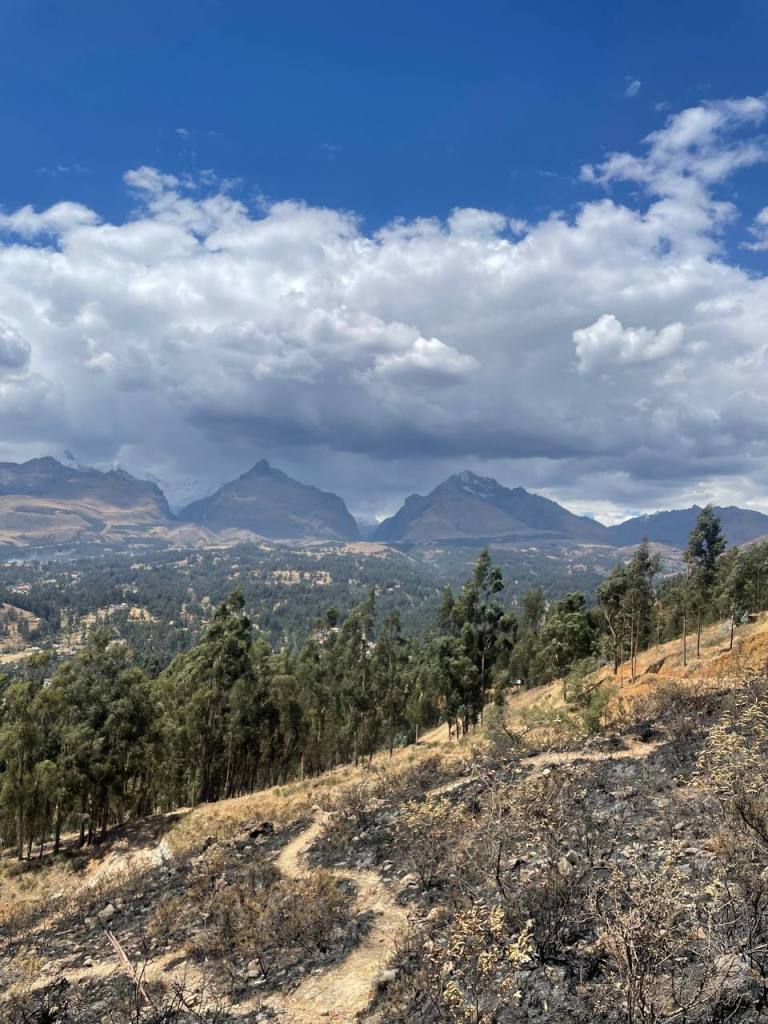
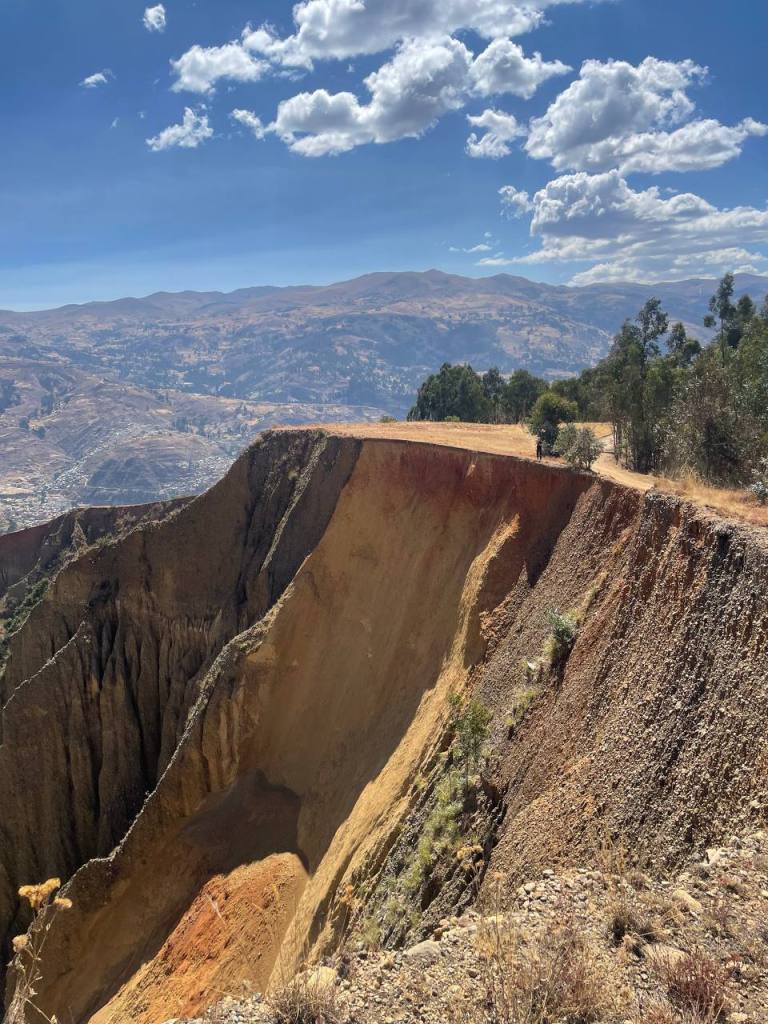
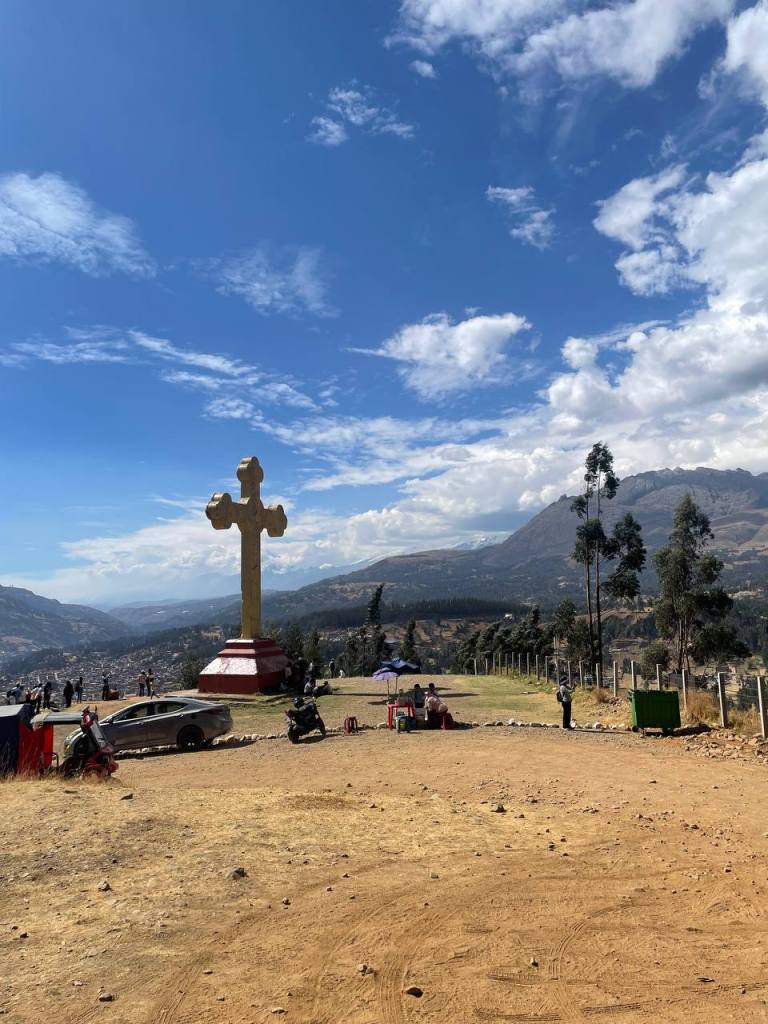
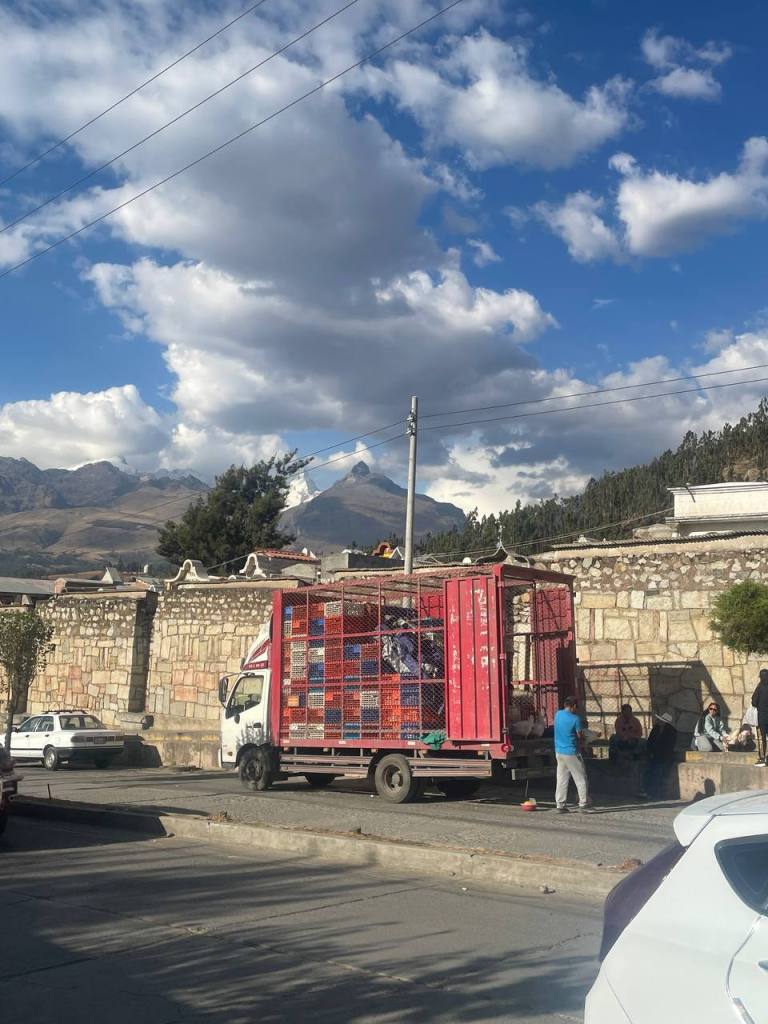
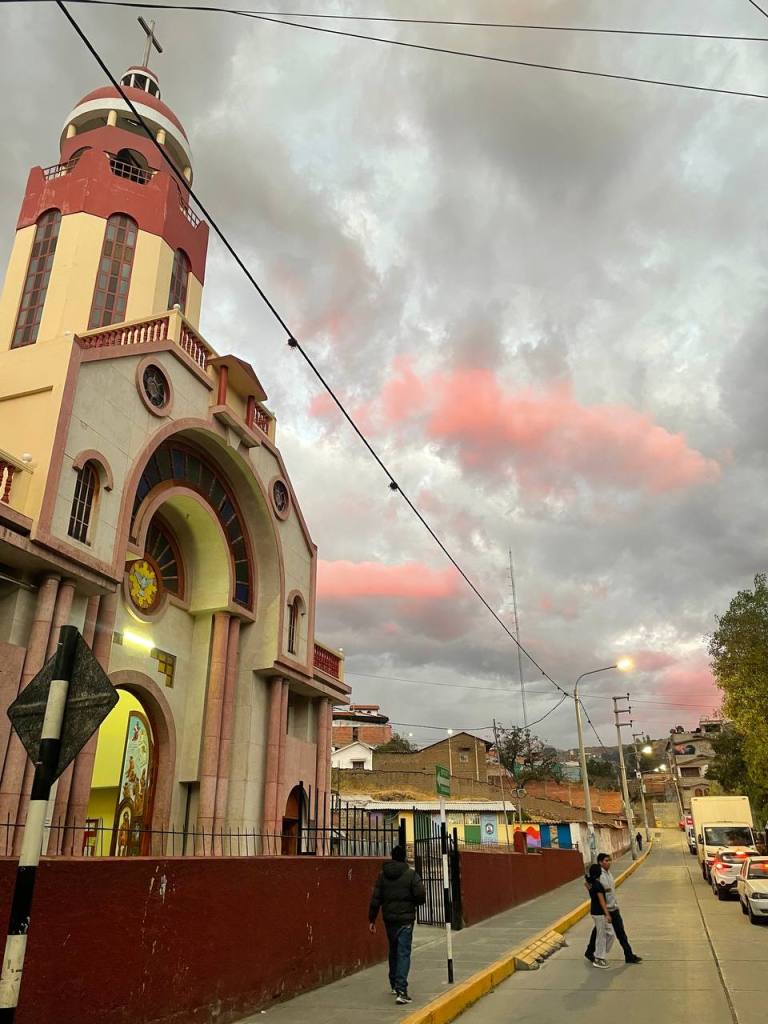
Much of Huaraz’s beauty comes from it being surrounded by mountains. You see them wherever you look.
When the skies were clear, they appear as guardians protecting you from evil, but on cloudy days, they are menaces to hide from.

Incomplete Infrastructure
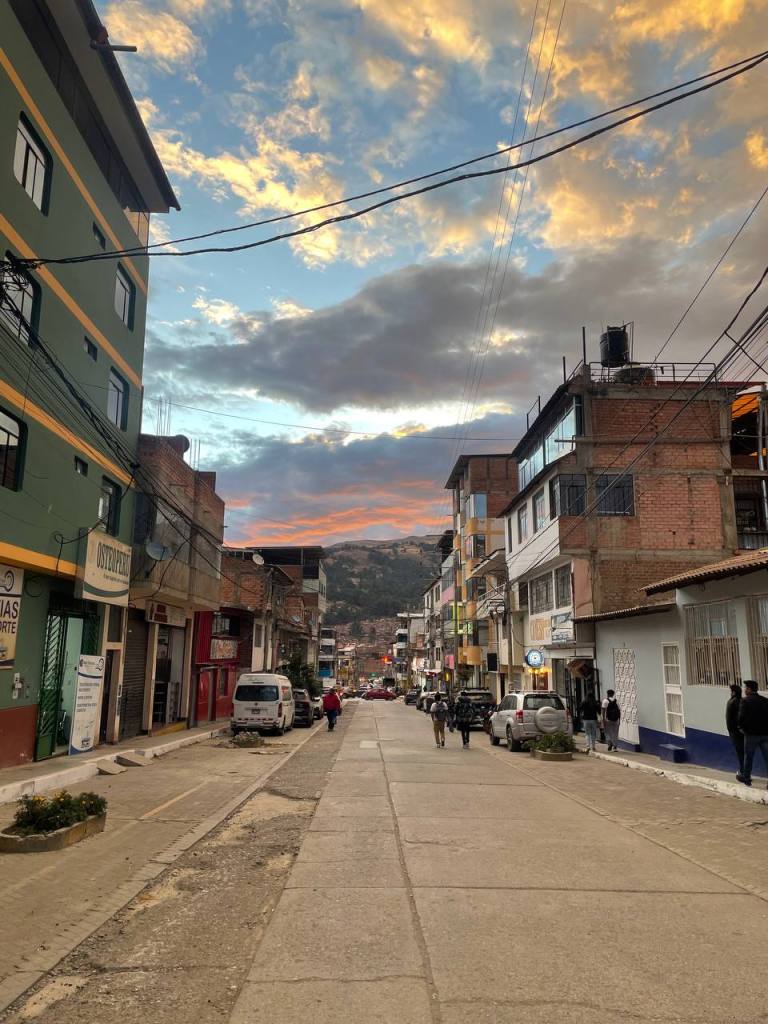
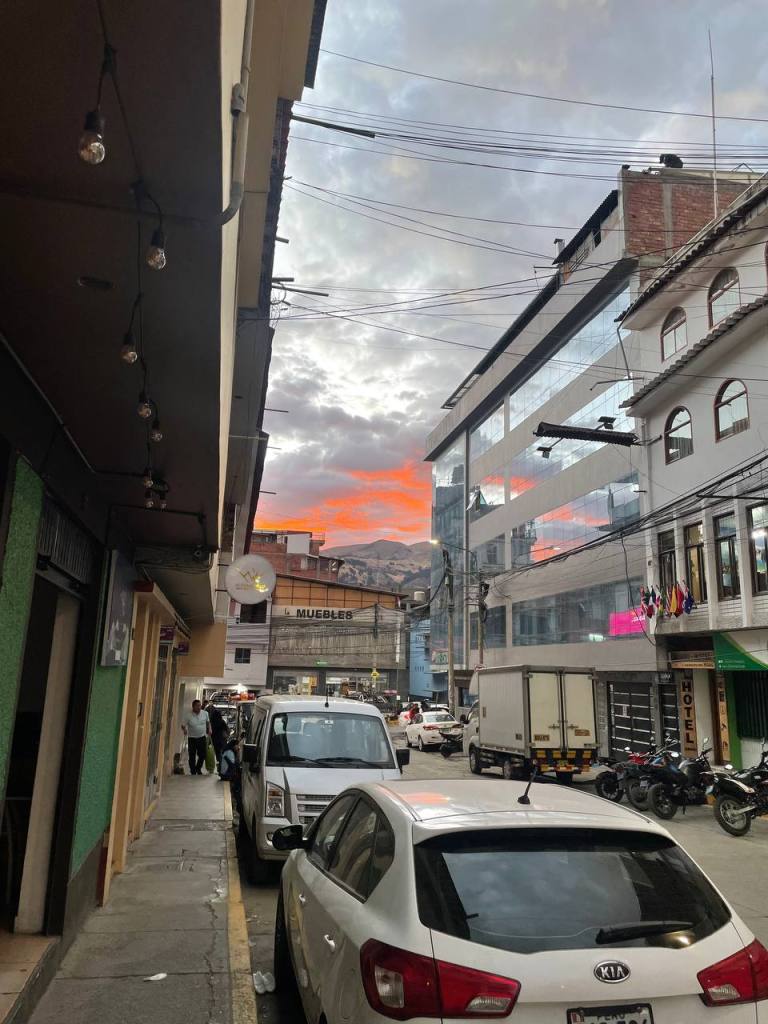
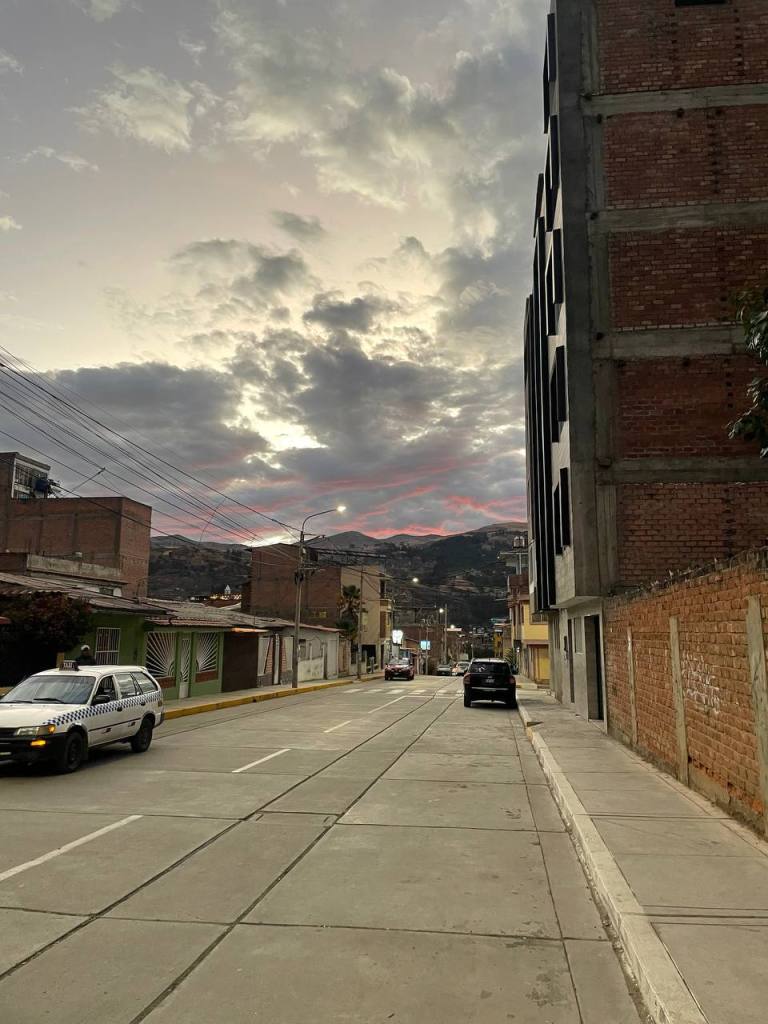
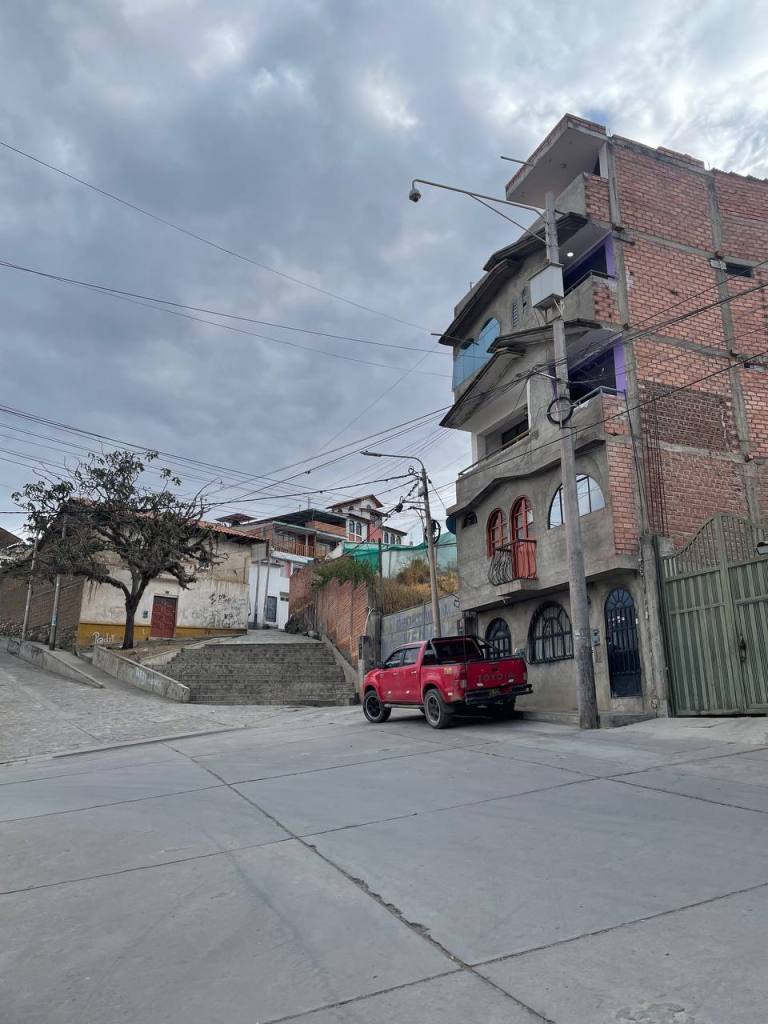
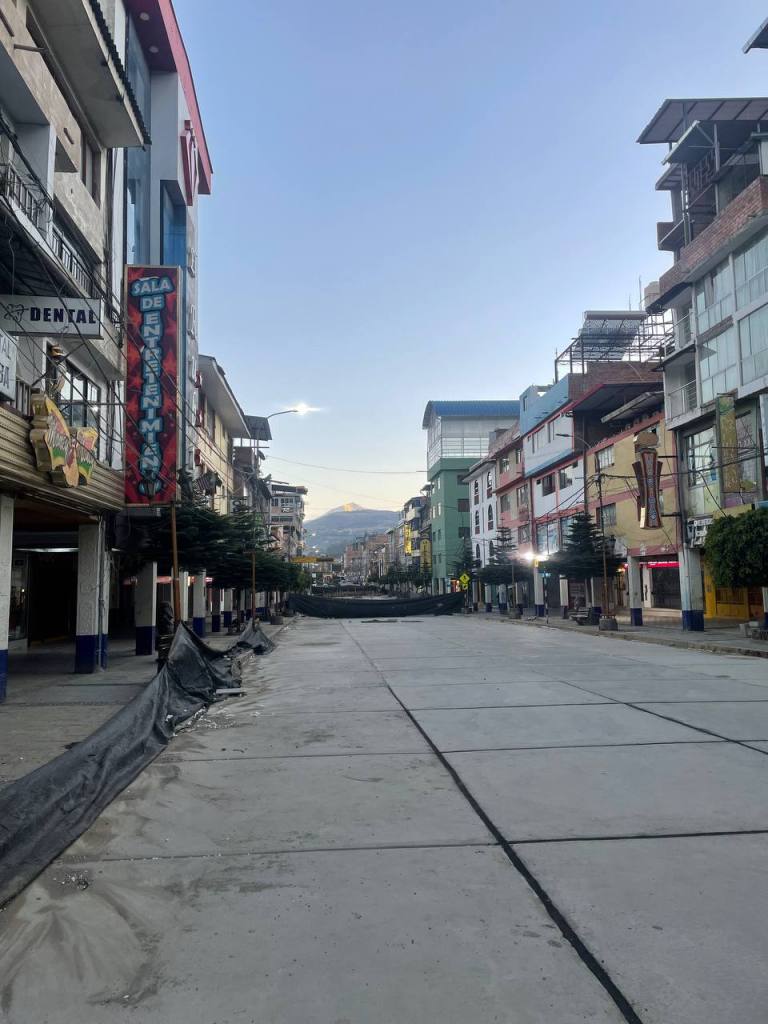
Almost all of Huaraz save a few governmental buildings and schools were incomplete, reminding me a lot of Callao.
In addition to this, a lot of the road infrastructure was also incomplete or damaged, oftentimes posing as hazards.
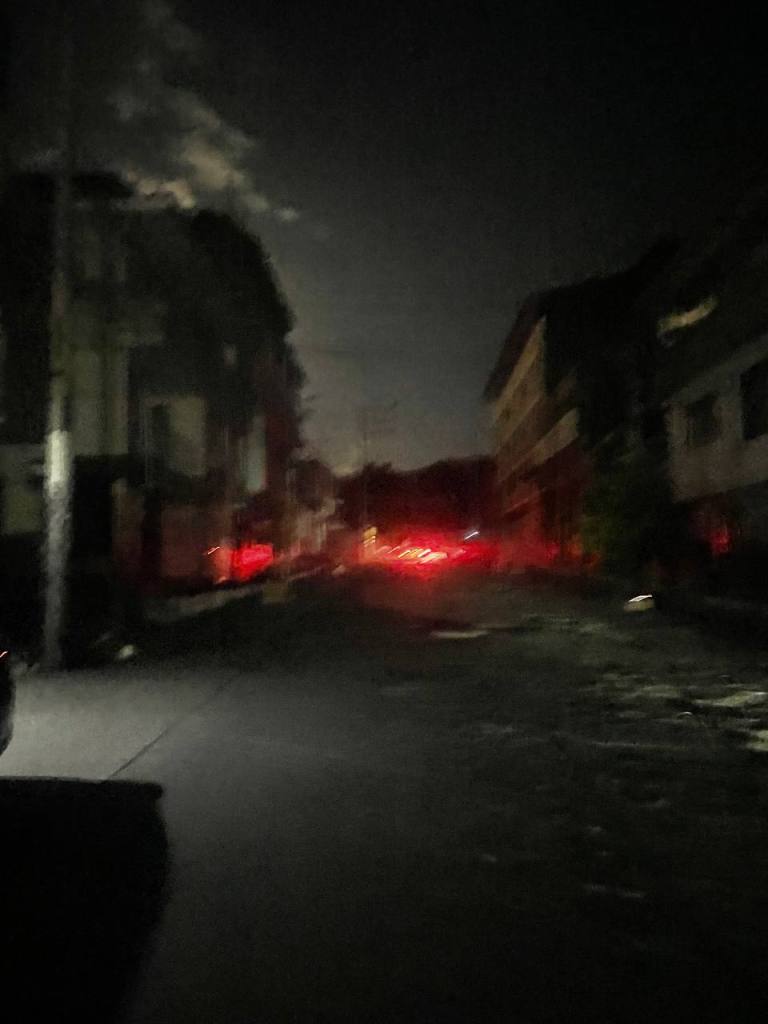
Further, there was a power cut one of the nights that I was there. But strangely: everyone carried on as if nothing had happened. I thus assumed this to be a regular occurrence, but testimonies from unrelated Peruvians suggested otherwise.
A European friend I’d made at the hostel suggested to me that this is part how Peruvians present their country to give it a good reputation… but I find that rather hard to believe.
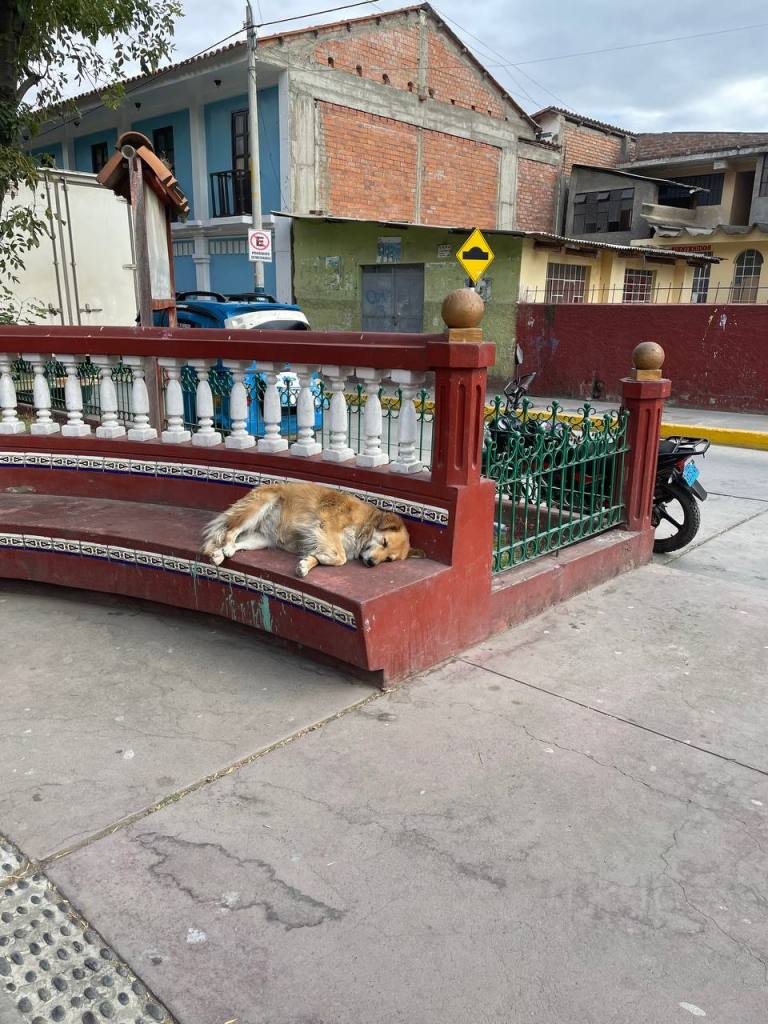
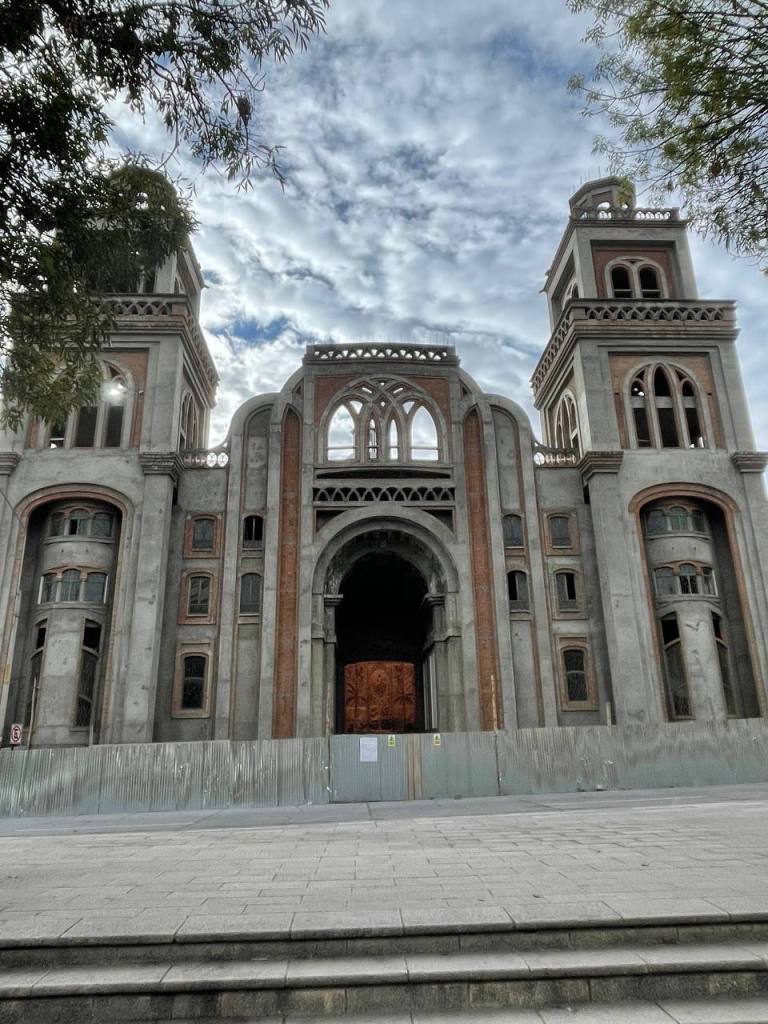
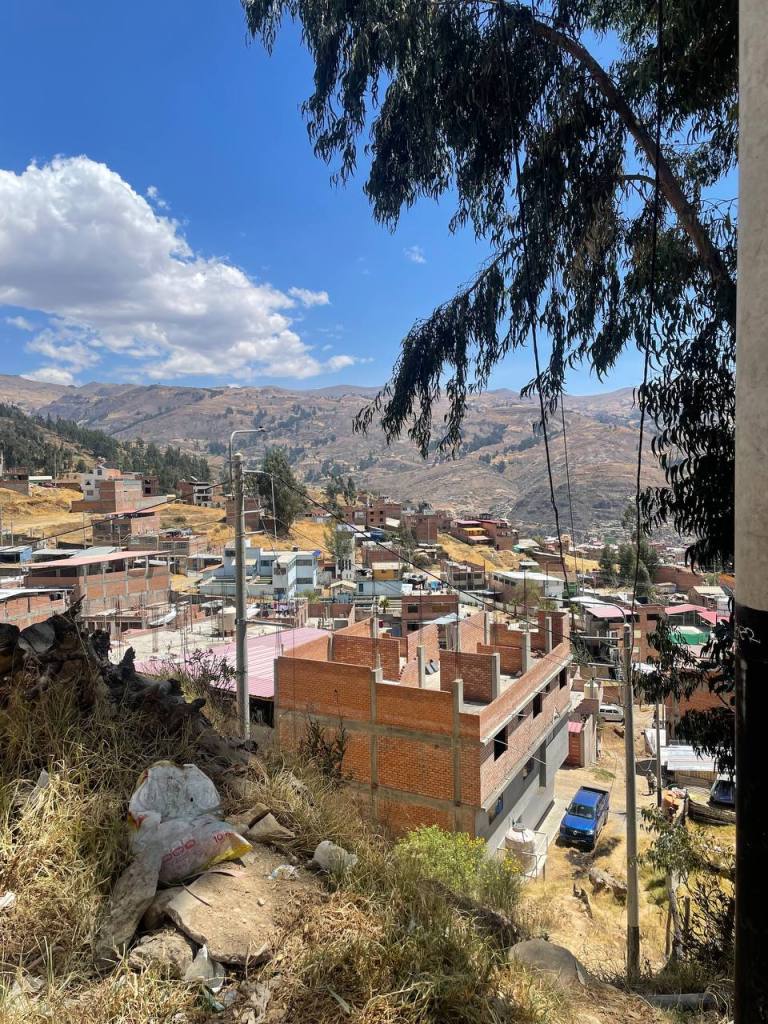

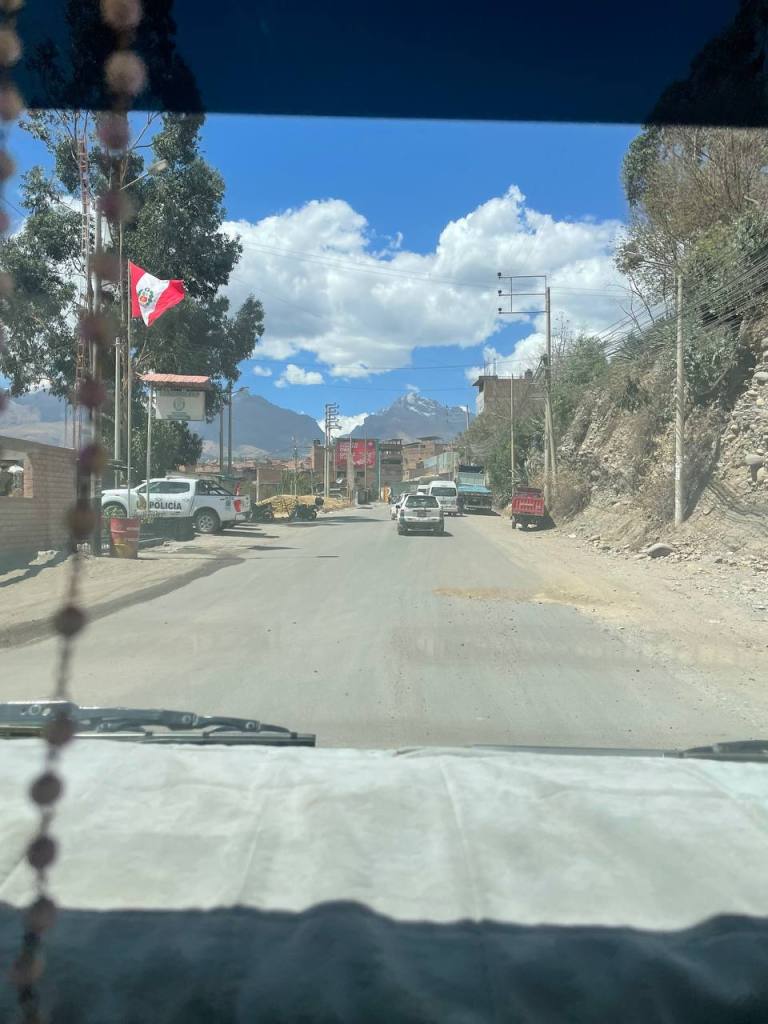
Everything is Informal
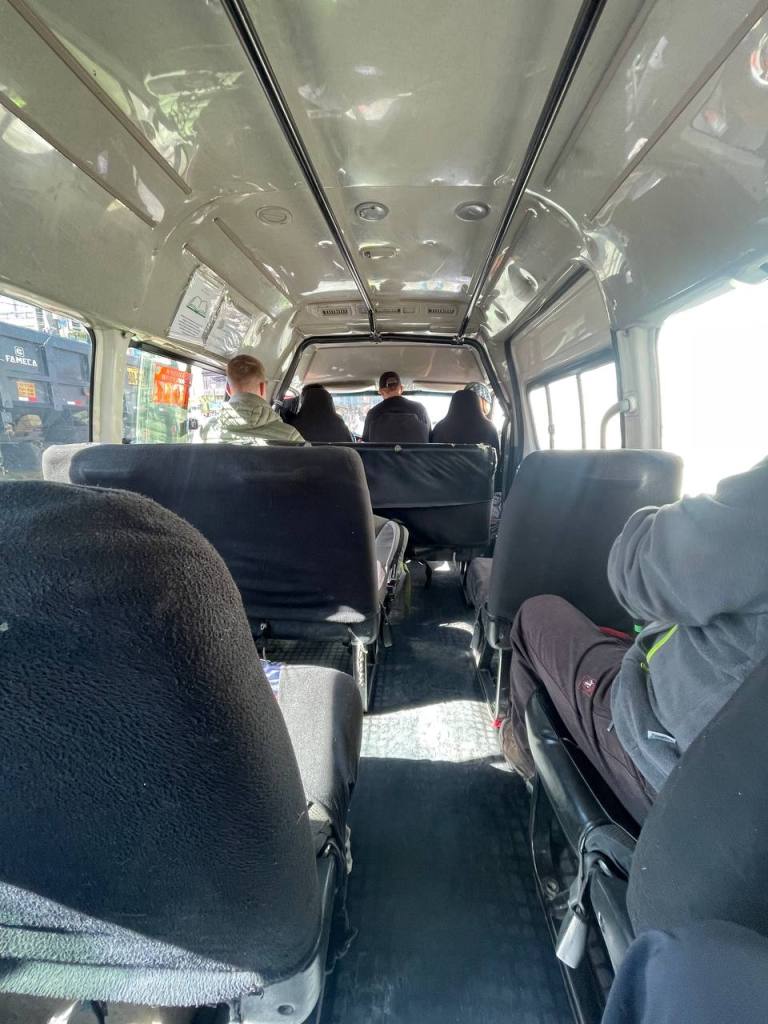
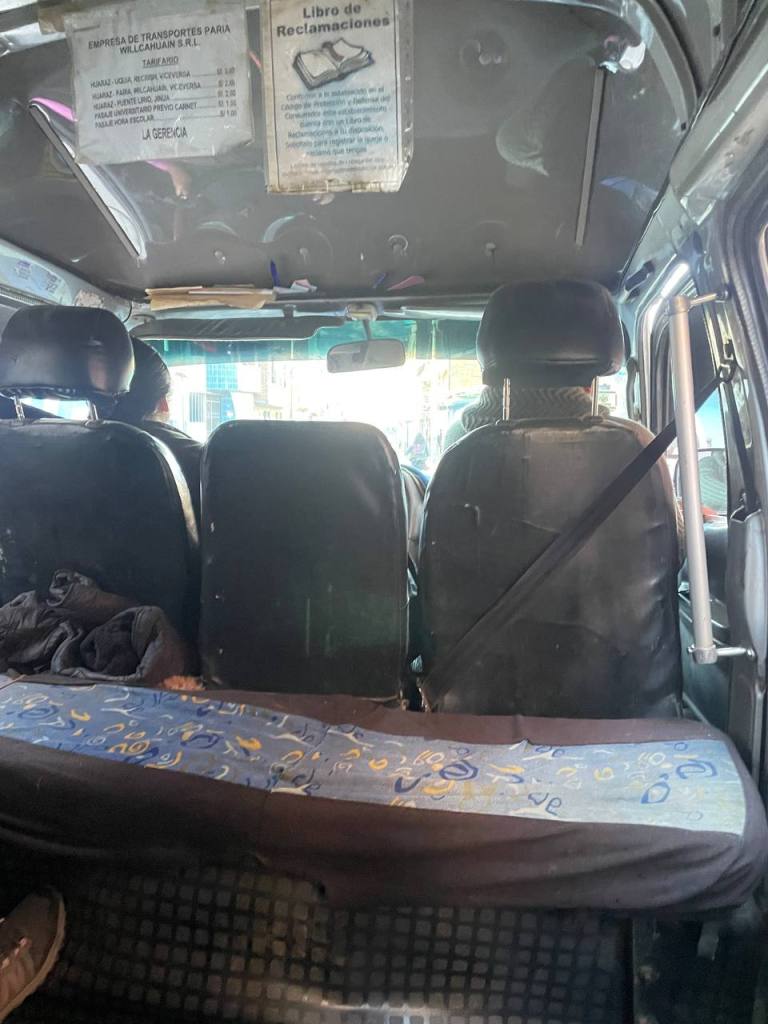
Unlike a lot of Europe, the public transport in Huaraz was completely informal. The public had an understanding of where and when collectivos would arrive to pick them up. Further, where in Europe drivers expect a certain level of independence from the passengers, it’s common for drivers to get out of the van and help passengers with carrying heavy items. It seemed to be possible to ask the driver to stop at any place as well.
The opening and closing times of the shops are also very informal and don’t always correspond to what you see on google maps.

That One Ancashian Beat
In the time I spent in Huaraz and the nearby Cordillera Huayhuash, I am certain that I heard this beat over a hundred times:
Huaraz’s Opinion on Gender
I noticed a few activities distinctly differentiated by gender.
Mountain biking: it’s common to see teenage boys riding them into nearby Rataquenua or around the city, but you never see women or girls doing so.
Wearing traditional clothes: It’s far more common to see women, particularly older ones who look like they live outside of Huaraz in the nearby farms, wear traditional clothing, and the giant hats!
Police: there are many more women in the police force than I’ve seen in the UK.
Normal People, Peculiar Tourists
The Peruvians I met in Huaraz and the nearby Andian towns were all kind. However, they did not “like” me, and they had no interest in me. I found this very fascinating, as in most touristy places the locals have an active interest to sell you things, or are at least interested in where you are coming from.
I didn’t experience this at all. Every interaction with locals was exactly the same as an interaction I’d have where I live: you approach someone if you need something, and they interact with you in the capacity that they have (e.g. random stranger on the street, vendor, etc…). And this was despite my broken Spanish.
There was one time where I needed to get a charger, and I went to a shop and the salesperson kept waiting patiently, without any sign of frustration, for me to communicate with my broken Spanish what I was looking for.
The only time a local asked me where I was from, it was a disaster:
“Where are you from?”
“Iran”
… pause
“What country is that?”
“A country in the Middle East”
… more pause
“Aah is it that country that’s next to Israel?”
This brings me nicely to my next point: Israelis were overrepresented as tourists in Huaraz, and it made me feel a strange sense of privilege: What kind of privilege do I have to be traveling amongst those who, relative to the rest of the world, have most likely borne arms and killed poeple?
But scrutinising this further, what kind of privilege do I have today to be traveling on a passport of a country whose history and current affairs represents so much evil?
Anyhow: if the above isn’t peculiar enough then you’ll be perhaps surprised to hear that every tourist I met communicated in Spanish with the locals.
Strange.
Graffiti Wars
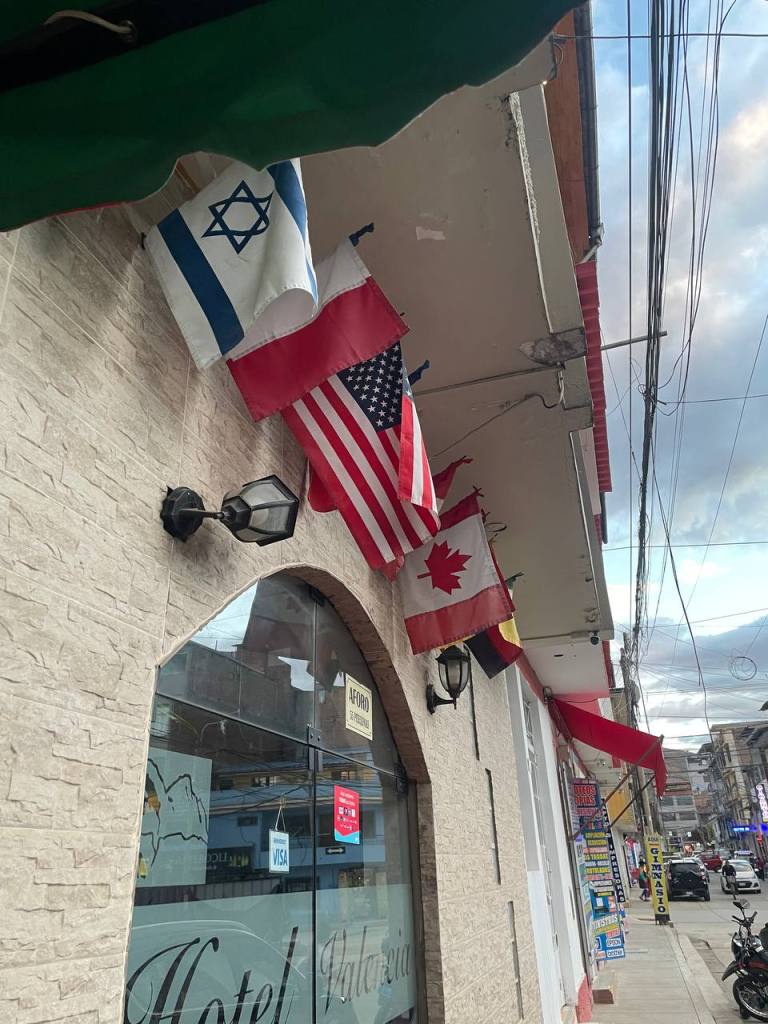
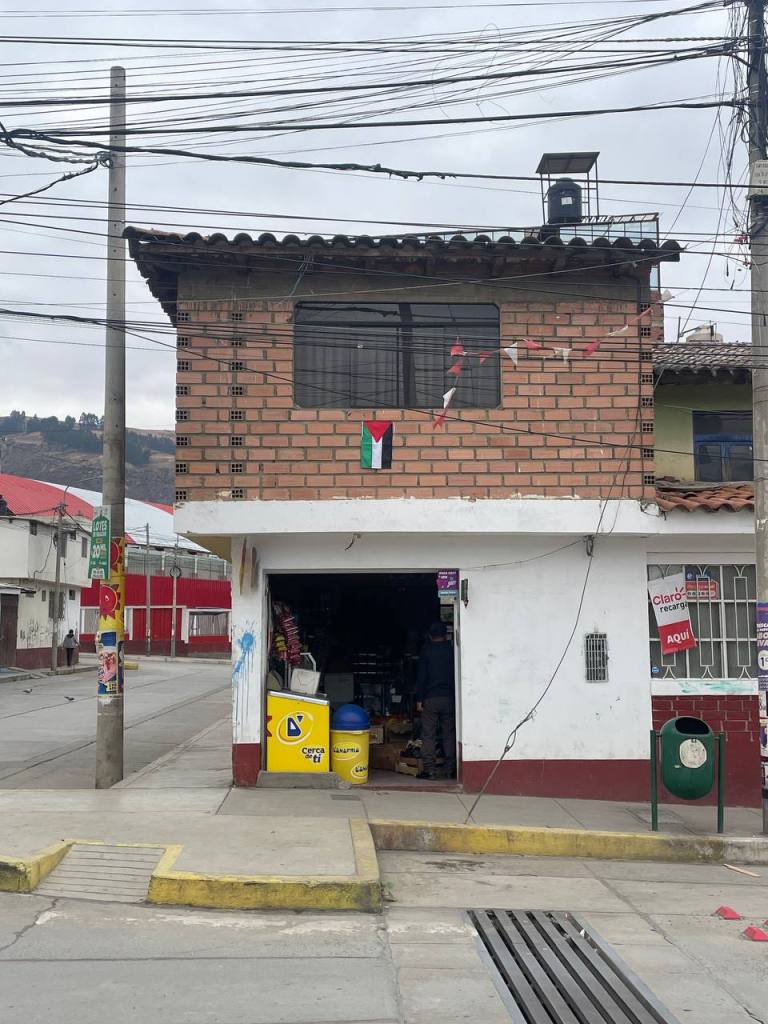
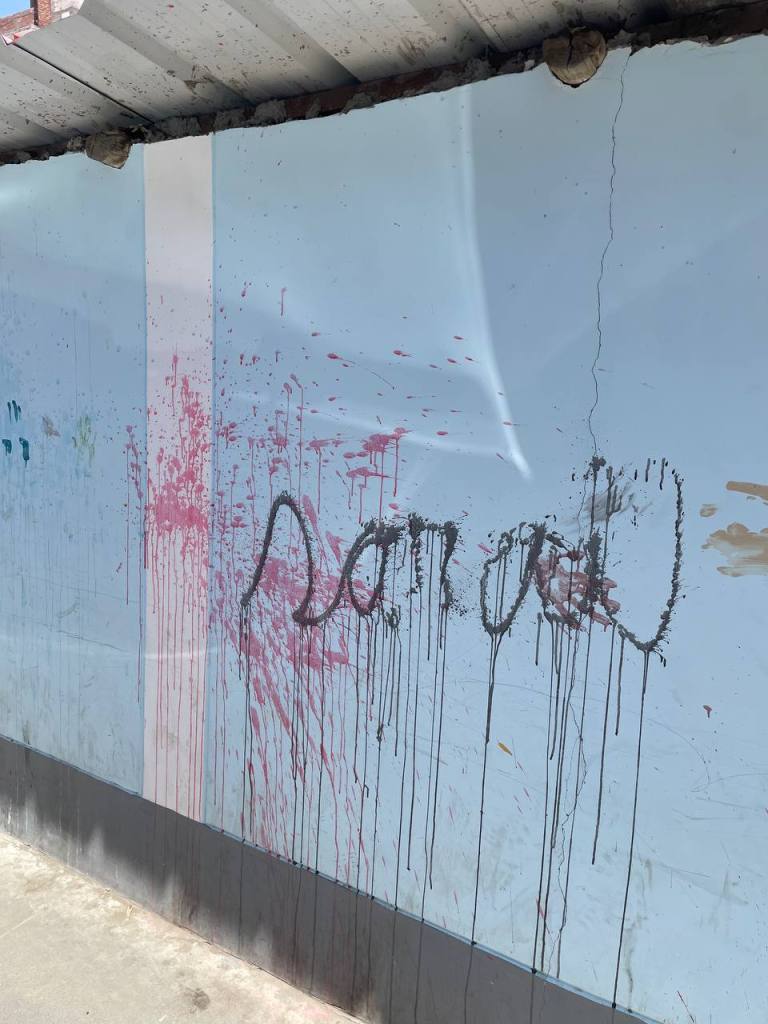
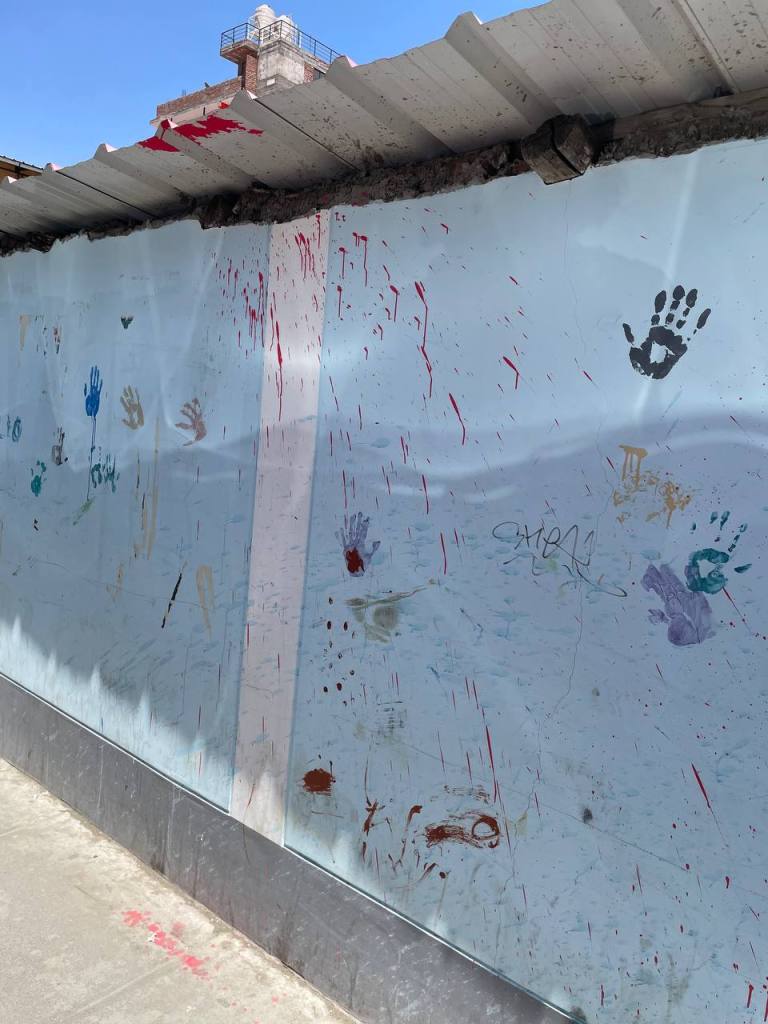
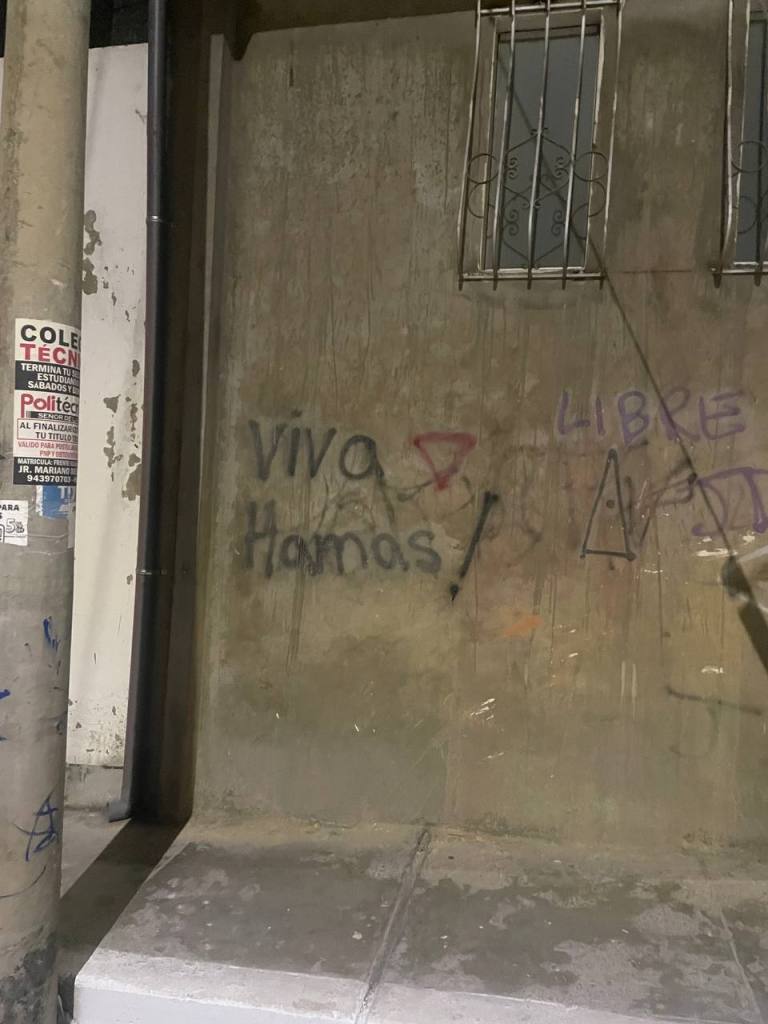
Where in other places of the world you see sticker wars, in Huaraz I noticed that the “battle of ideas” was thought through graffiti and flags.
Many of the hotels and hostels flaunted flags, presumably of clients they normally get. As such, it was not surprising to find many Israeli flags.
In response to this, some shop owners display Palestinian flags, and some walls have political messages supporting Palestinian liberation and resistance.
The strongest front for this war is in the Nikkei restaurant Nikkei-Shimei, which allows its customers to write on the walls with ink.
As far as my opinion on this matter goes, I echo the exchange a European friend of mine had with her friend back home:
“A lot of the Israelis I meet here are very nice.”
“But have you met any Palestinians?”
Hasta Luego
I recall vividly the moment I said goodbye to my caseworker at the Peruvian. I used the inappropriate, “Hasta Luego” (literally: till we see each other again) to which she curtly responded Adios (good bye).
And as I left Peru, I said goodbye with a sadness felt deeply in my stomach, but I simultaneously had a smile on my face, because deep inside I knew that I would be back again.
So Peru, Hasta Luego!
- The visa process was easy. And I mean really easy: a targeted reminder to those desperate to latch onto the bottom of the next artificial stratum that separates us from each other. ↩︎
- Although it’s worth adding that a few Peruvians I spoke to suggested that Callao has a bad reputation, and that the overall area is fine, but only some areas that are sketchy. Still, the general advice for foreigners is not to go without a local. ↩︎

 Tsunami's Hungry
Leave a reply to odocarroll Cancel reply