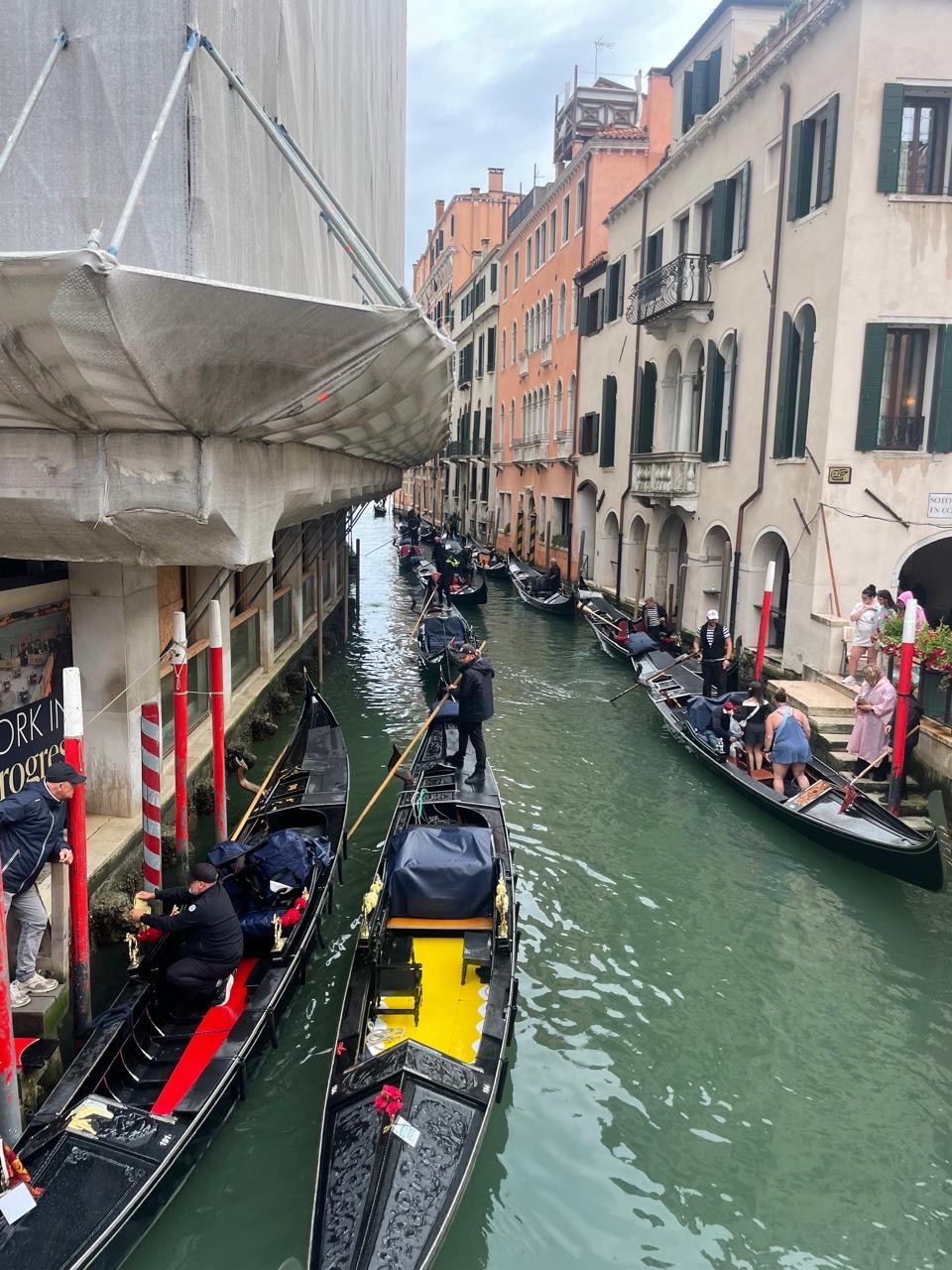
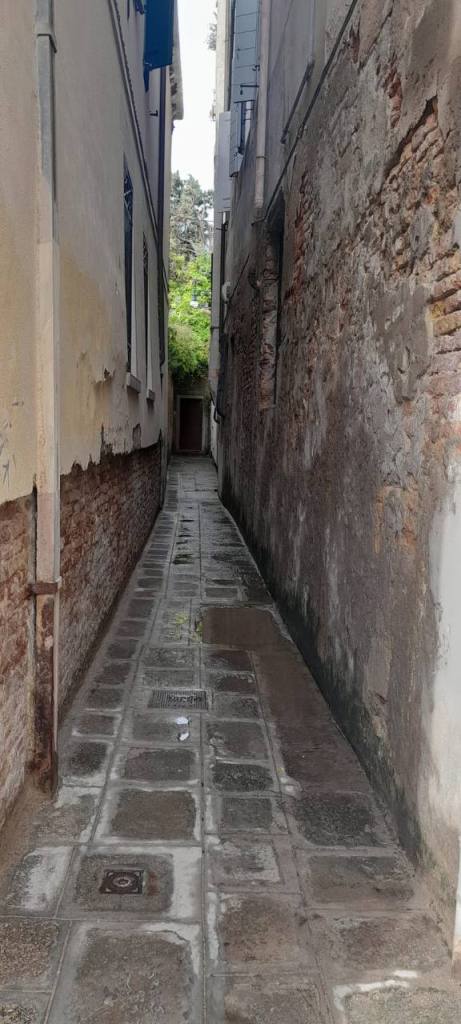
I last visited Venice 7 years ago, when I was young, dumb and full of cum1. I remember the city being beautiful, but unbearably hot and humid. A city packed with tourists during the day yet desolate at night2 left a lingering stench of artificiality in my nose3, and despite great memories walking through its narrow romantic streets4 , I left the city wishing never to visit again.
However, if anything is certain about life, it is that it is uncertain… and it just so happened that I had the opportunity to visit Venice again recently. I was a completely different person 7 years ago, and while the changes may not be visible to the external eye, I can see it in the tiniest details of how I view the world. My curiosity to see Venice again with fresh eyes compelled me to go without hesitation.
Artificial From Birth
I’ve been told by Italians that Venice was artificially erected by residents of nearby cities out of fears of a Mongol invasion. The city design resembles a labyrinth, with anginal streets that would make it impossible for an army of horses to pass through unscathed.
Reality often disappoints the fantasies we create. But in the case of Venice, it is not all too far from the truth: it appears that it was built by refugees from nearby cities escaping Germanic and Hun invasions.
Myths however, are useful for they indicate to us what we assume about culture. And in the case of Venice, I find the myth fitting as the city reeks of artificiality in its modern state.
Tourist Trap Haven
To be fair to Venice, the train ride to the island already sets your expectations, as the only language you don’t hear is Italian! As you walk out of the train, you are squeezed against a horde of other tourists fighting to get past the belt barriers placed to create some semblance of order. Should you decide to visit on a day outside of Tuesday, Wednesday or Thursday, I can guarantee you that the entry to the city will be even more frustrating, as the police will be checking everyone’s access code. This is a measure introduced by the Venetian City Council to decrease crowding in the city5, requiring all but a select few visitors to at least register to enter the city. For tourists not staying overnight in the city, there is also an entry fee of up to 10 euros.
Once you exit the station, you are immediately reminded of why the city is so popular to begin with, with a stunning view of the Scalzi bridge overlooking the grand canal. From this point on, you go where the crowd takes you, which in my case was through Rio Terà Lista di Spagna.
I would like to say almost all, but I’m fairly certain that every shop, restaurant and gelateria on this road is a tourist trap. It is difficult to walk the city without being interrupted by hard-working salesmen vying for your attention. It would be a great oversight to just focus on them, for every other aspect of the road is also doing the same, whether it’s the mass-produced plastic Venetian masks staring you down or the bright mounds of gelato6. Every restaurant you pass has a promoter of an immigrant background7 forcing a menu in your face, and you should pay close attention to them speaking to one another, for it is the only Italian you’ll hear while in Venice!
A Pocket of Authenticity
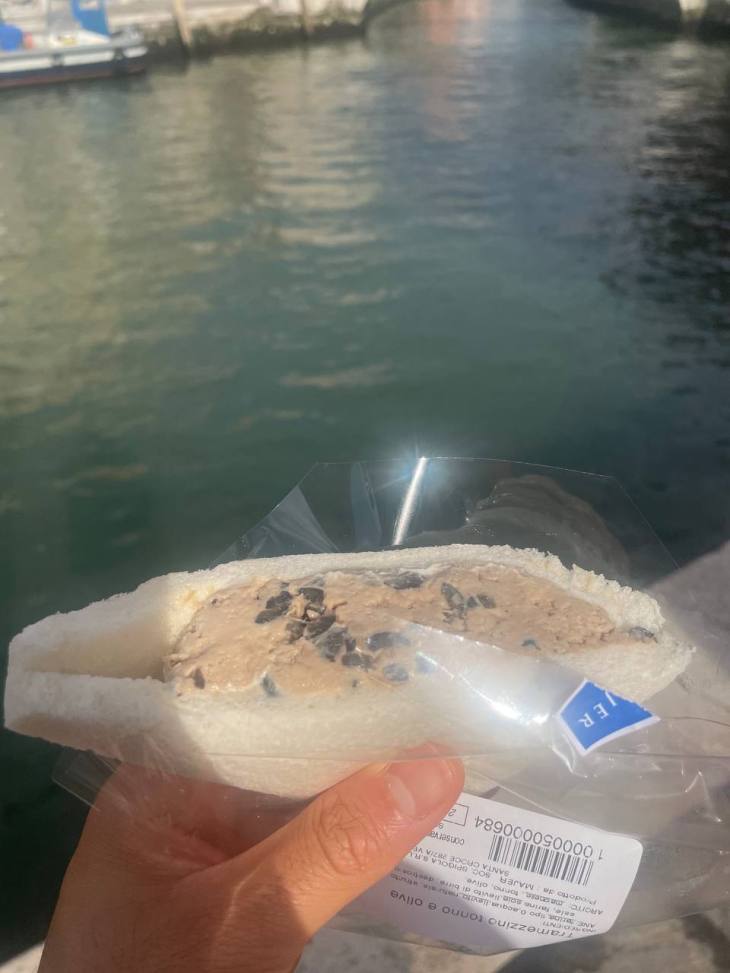
Despite all the above, there are pockets of authenticity hidden in the city, sometimes in plain sight. One of these is Majer, a delightful Venetian bakery dating back to 1924. The one I recommend going to is in the Western part of the city, which I found to be comparatively less touristy8. I got myself an olive and tuna tremezzino, which was very good.
Venetian Masks
Another spot of the city that is quietly authentic is Ca’ De Sol, a Venetian mask and costume shop. I must note that the owner is an Italian of Iranian origin9 who has spent four decades perfecting the mask making craft. His masks, unlike those found in the vast majority of the shops in Venice, are handmade with papier-mâché. This is, of course, reflected in the price tag. I’ve included the photos of a few of them below.
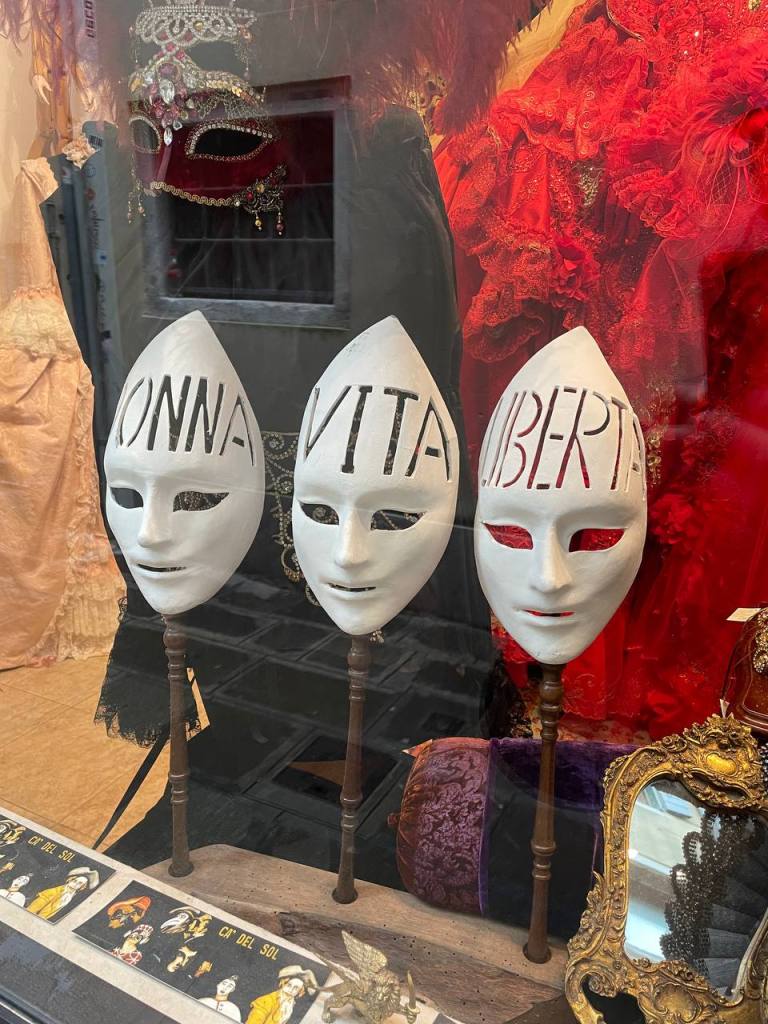
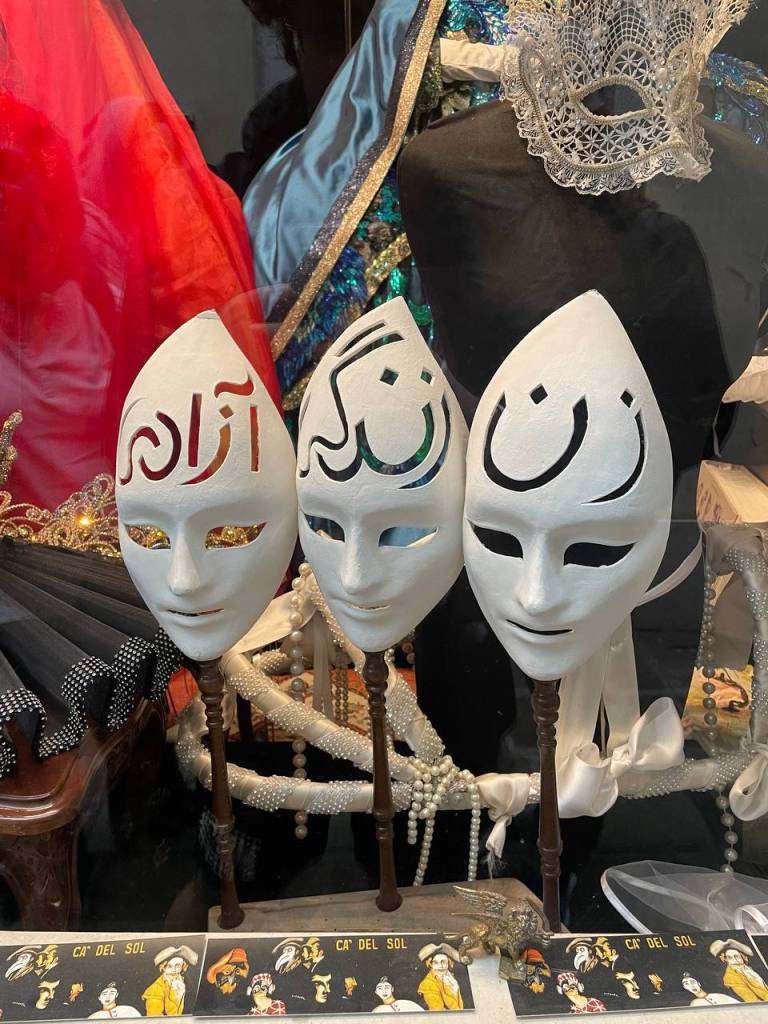
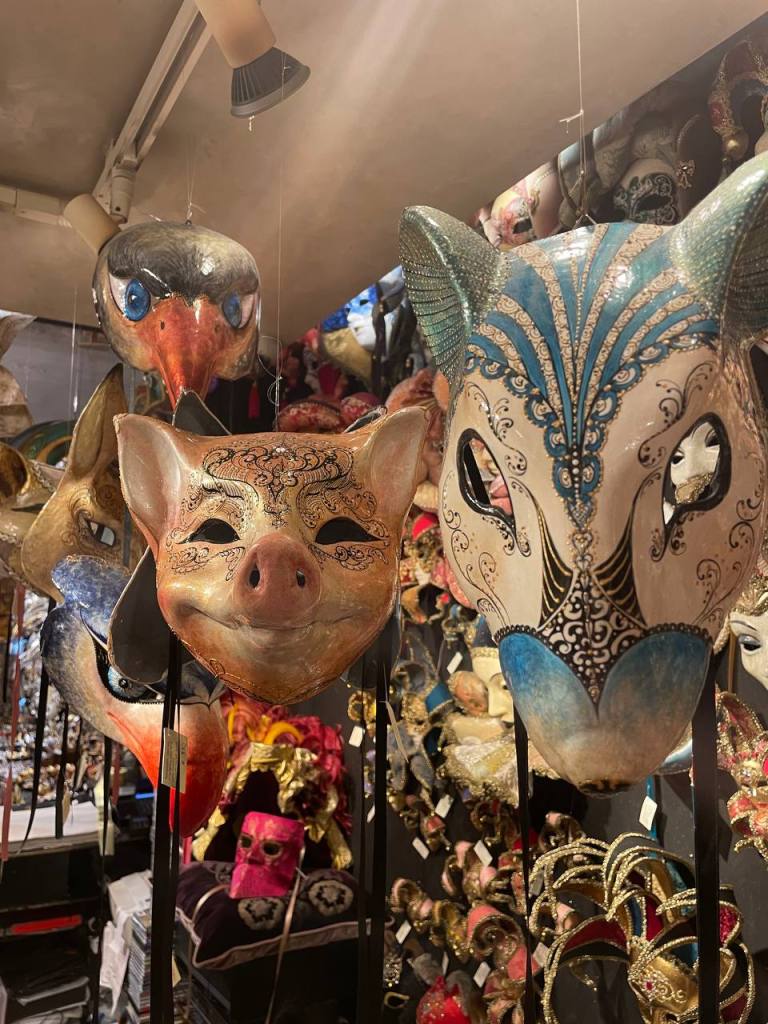
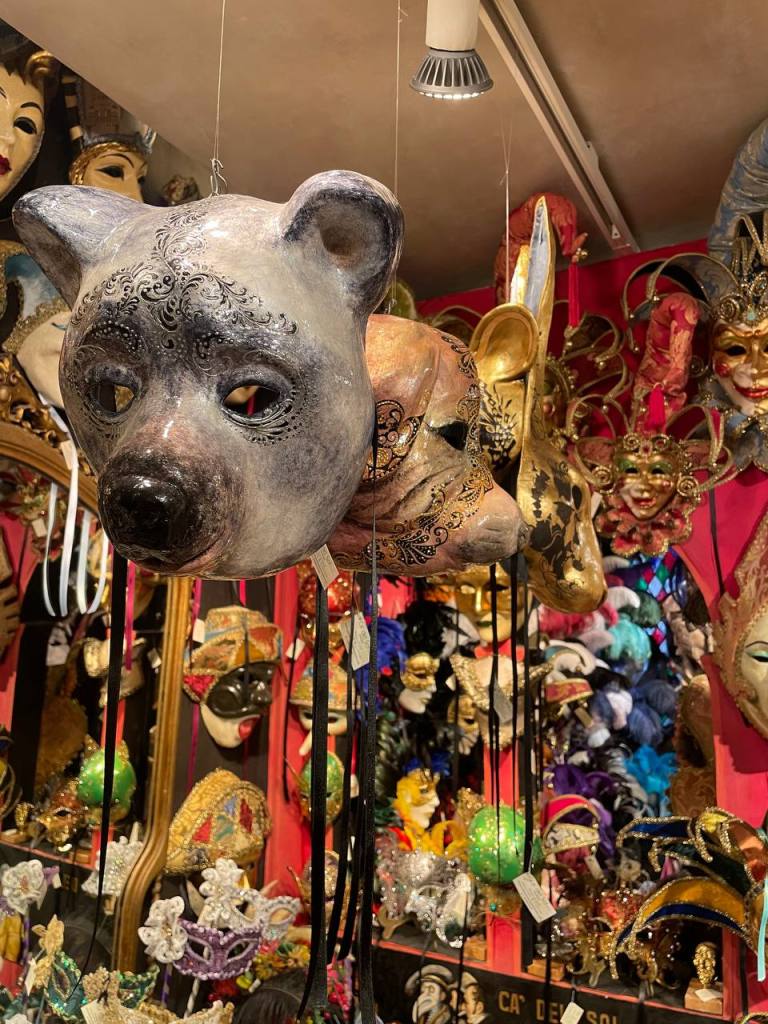
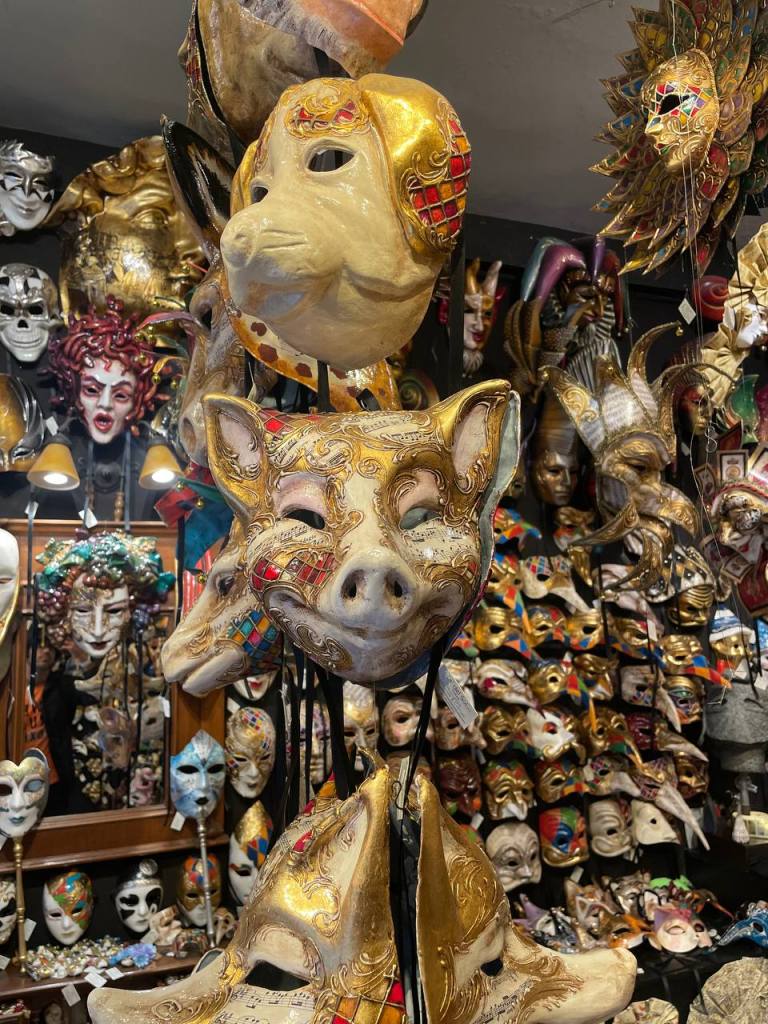
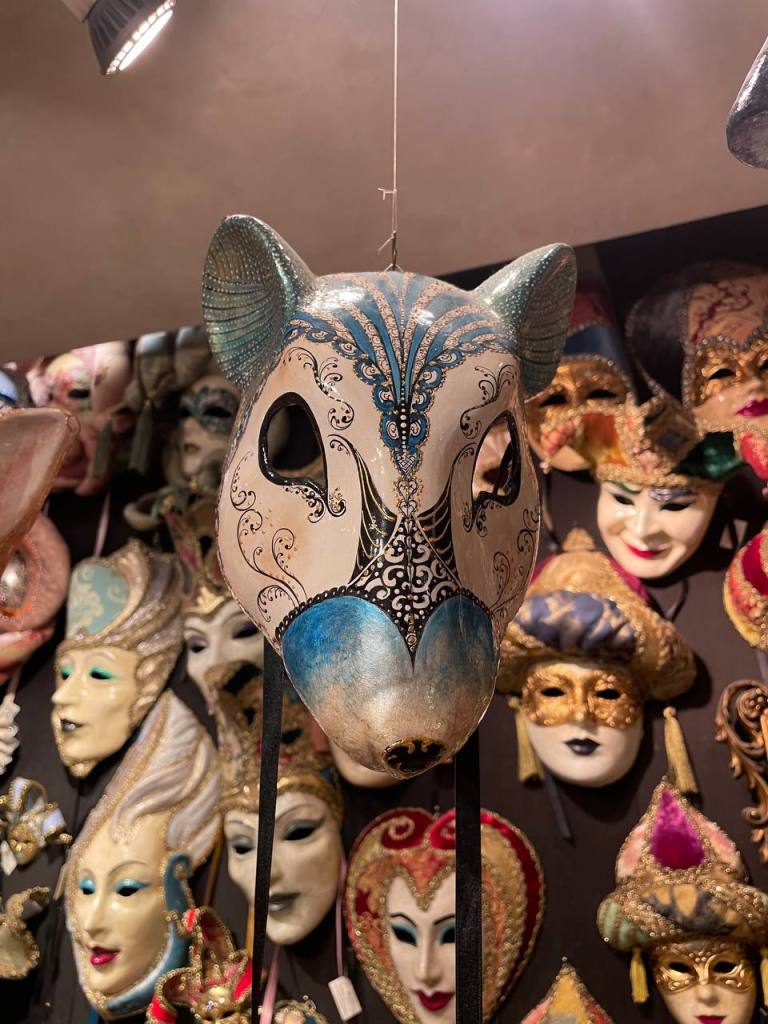
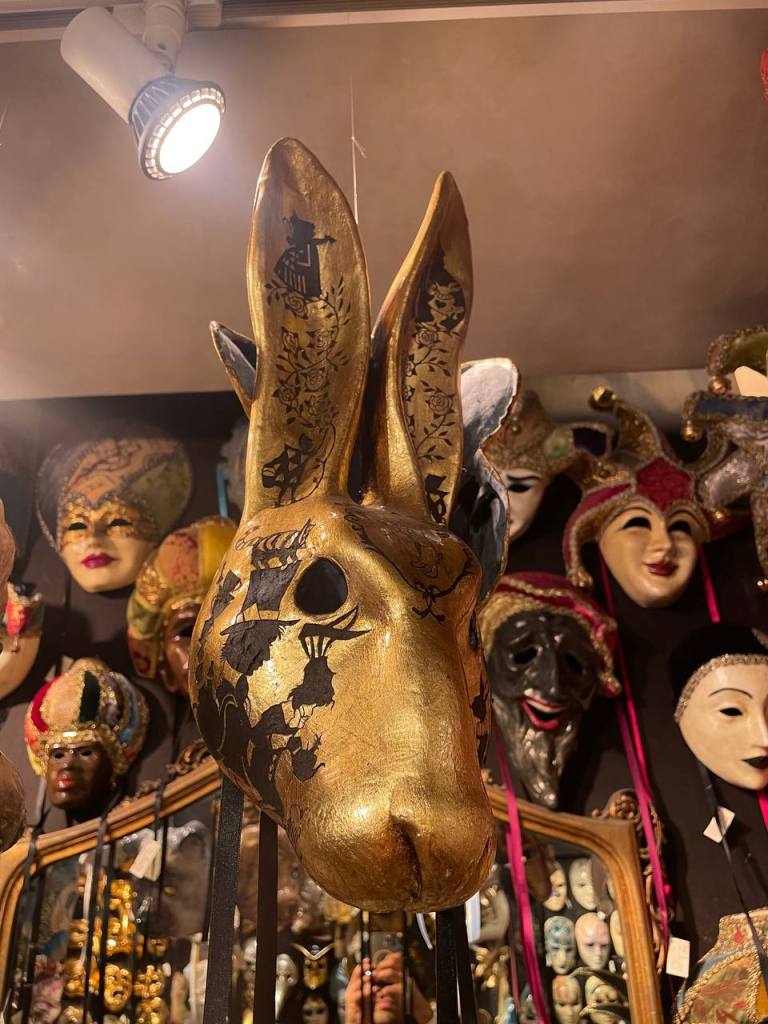
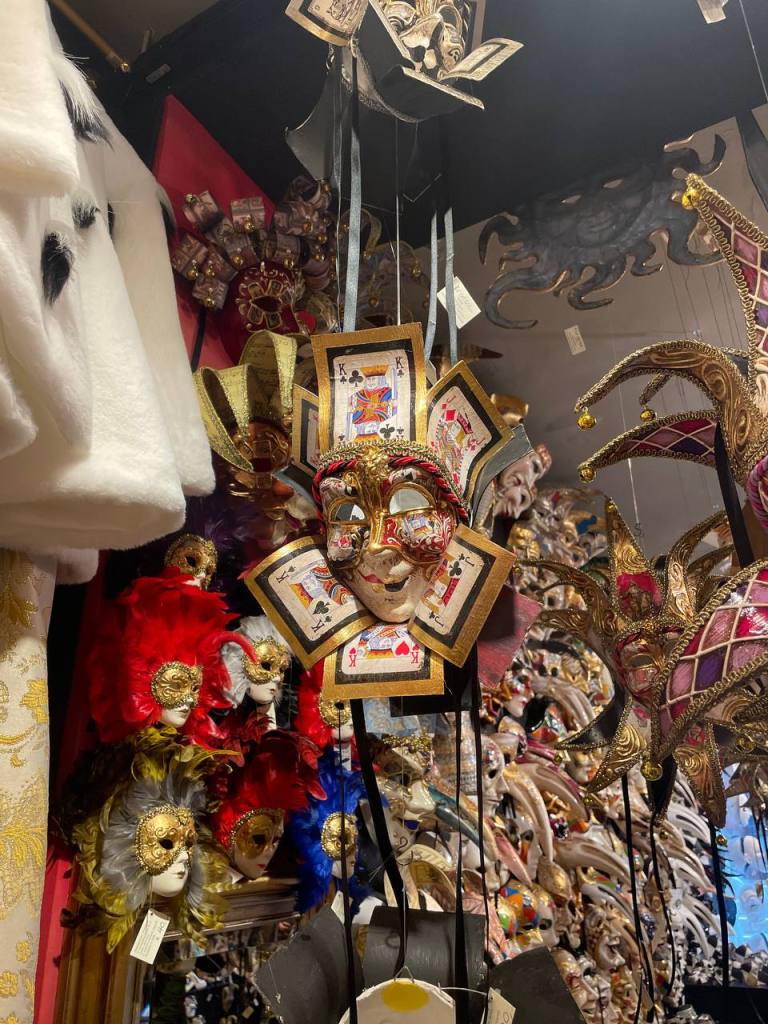
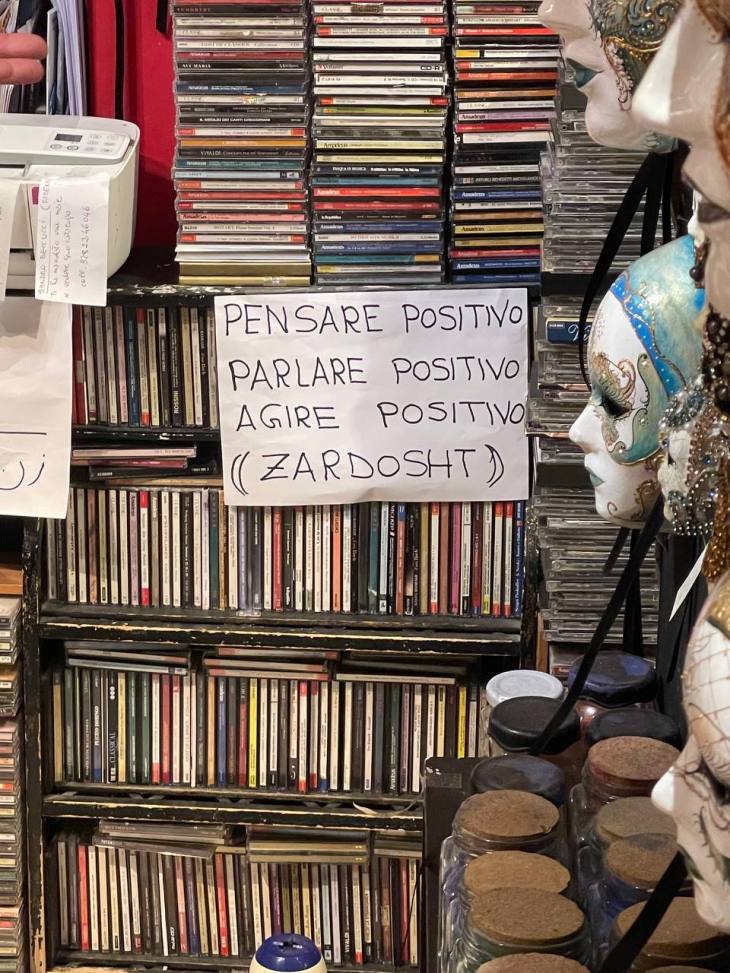
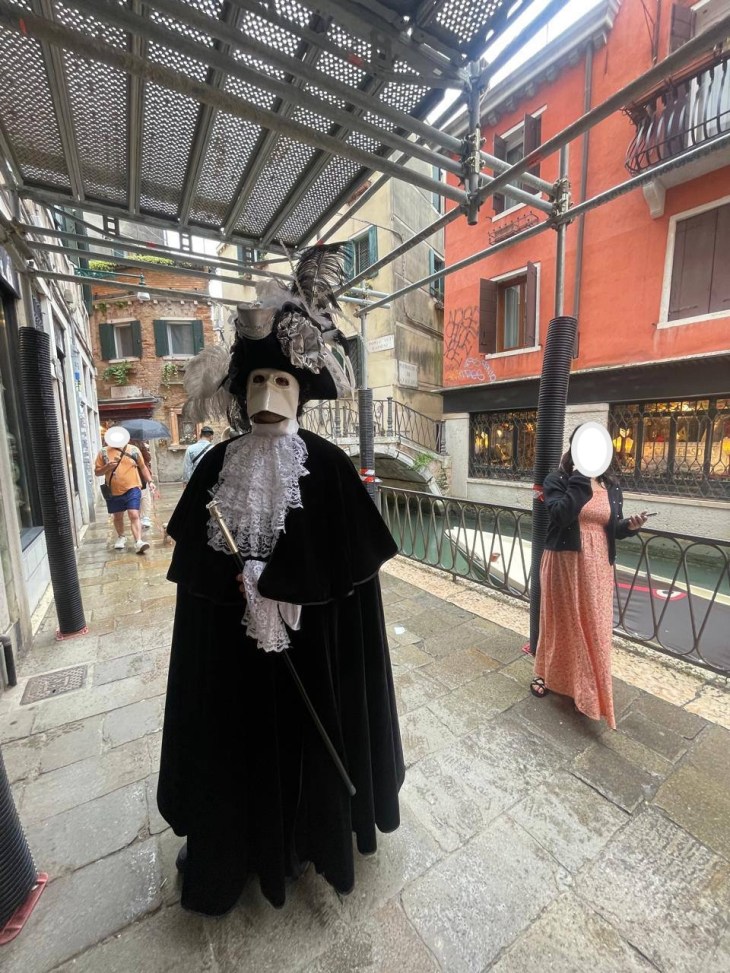
A final note on the masks: I did some research and it appears that Venetian aristocrats would wear them to conceal their illicit or immoral activities. I thus find it so fitting that the modern equivalent, Jeff Bezos, is to wed in Venice in June!
Beauty Unbound
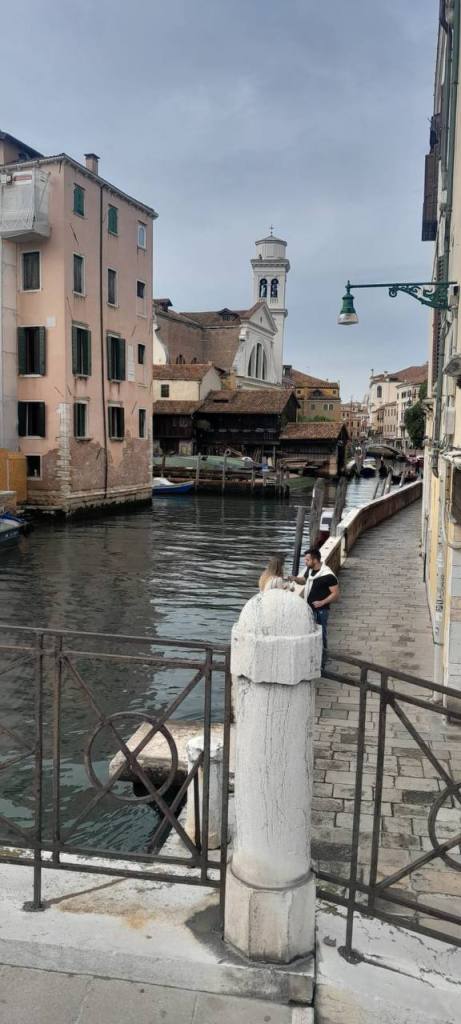
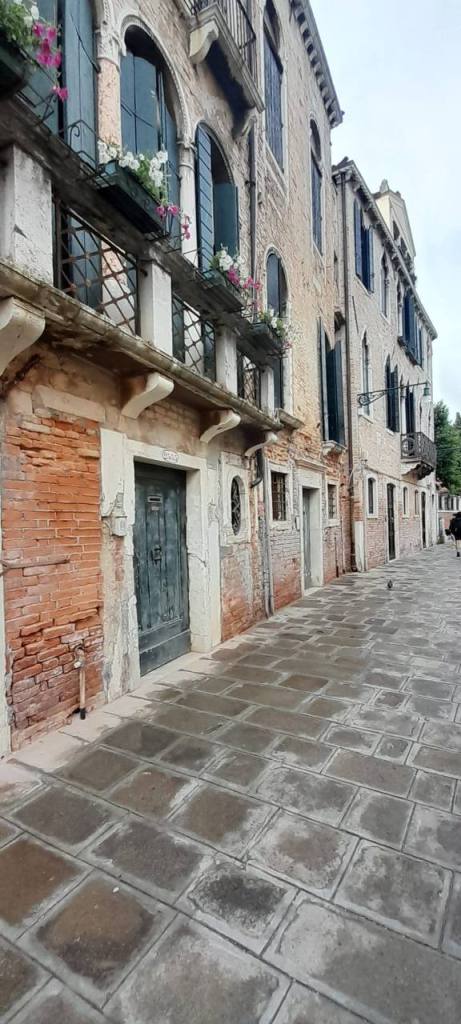
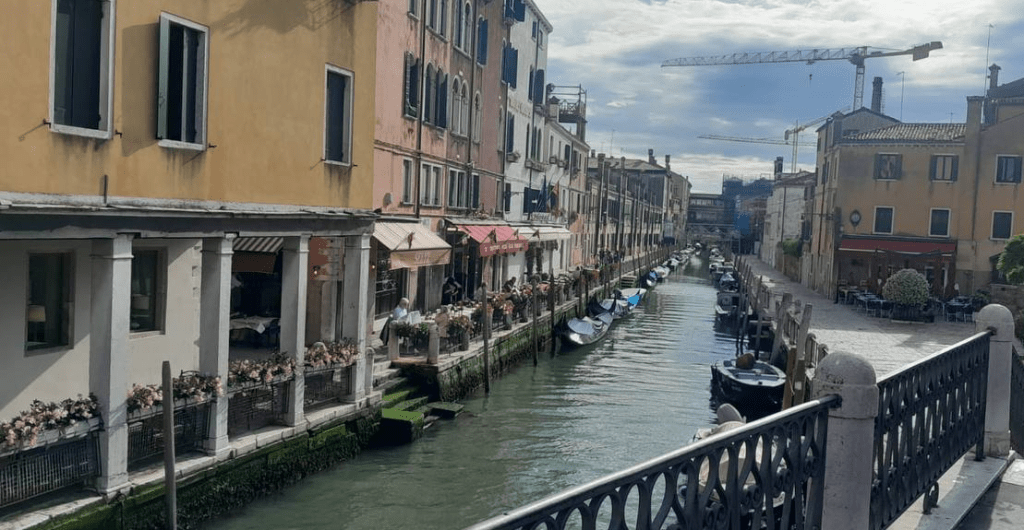
I’ve hinted numerous times at how beautiful Venice is, but I must stress it again: It is a stunning city, and a pedestrian’s paradise. Crowding issues aside, if you love walking and seeing things, you’ll love this city. However, be prepared to be going up and down an ungodly amount of stairs, as you’ll be forced to cross a bridge at almost every turn… making this city a nightmare for cyclists and even joggers!
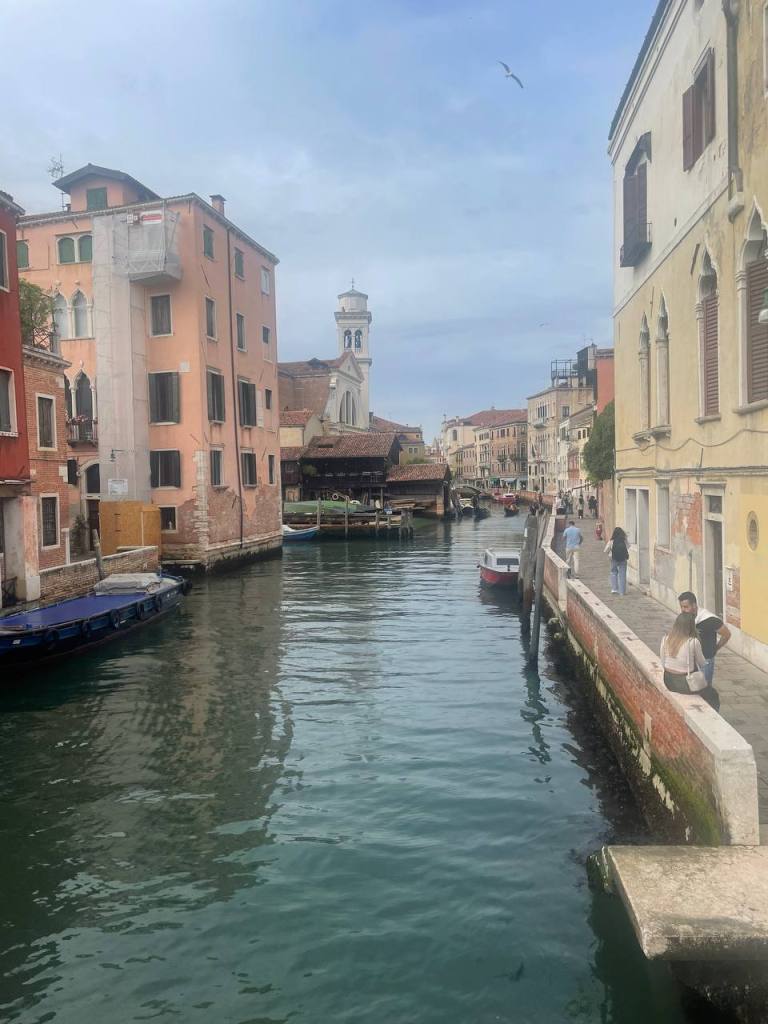
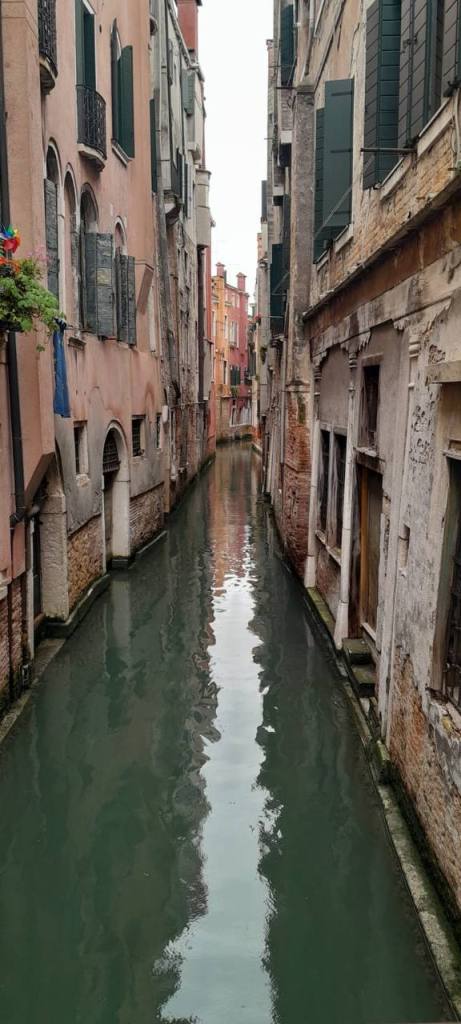
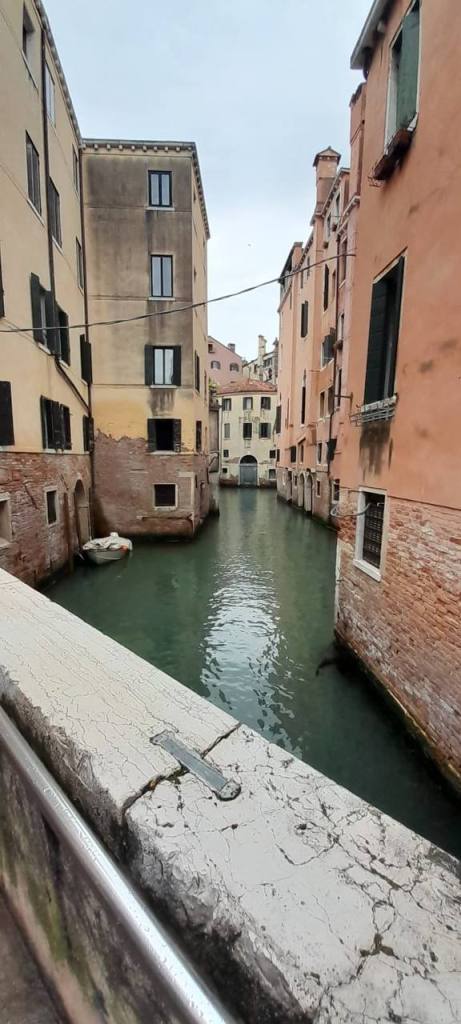
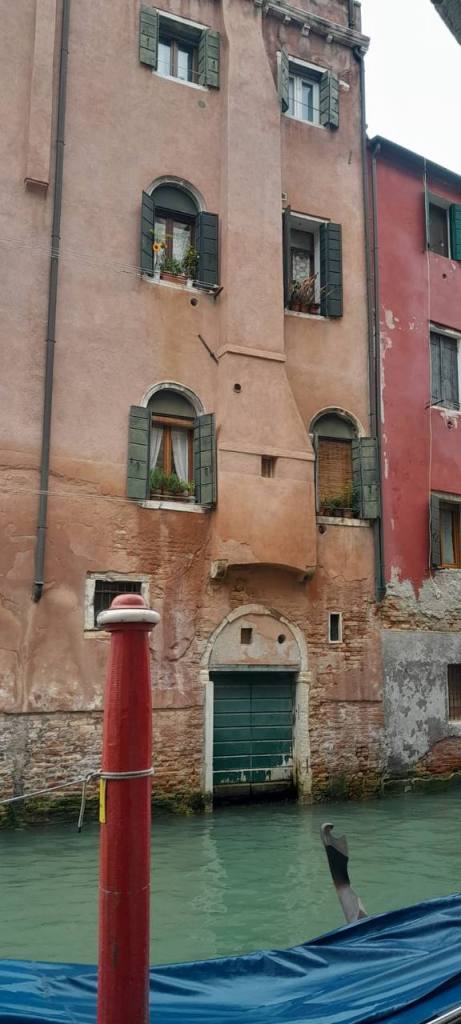
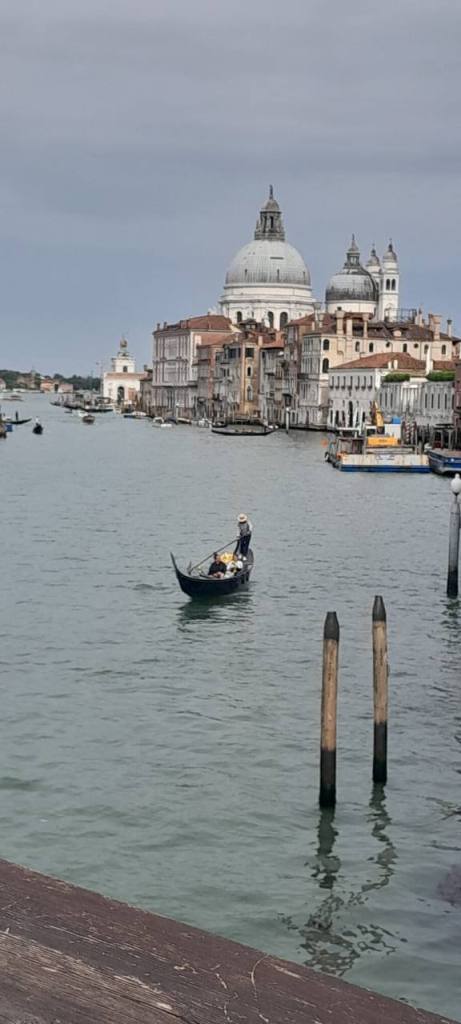
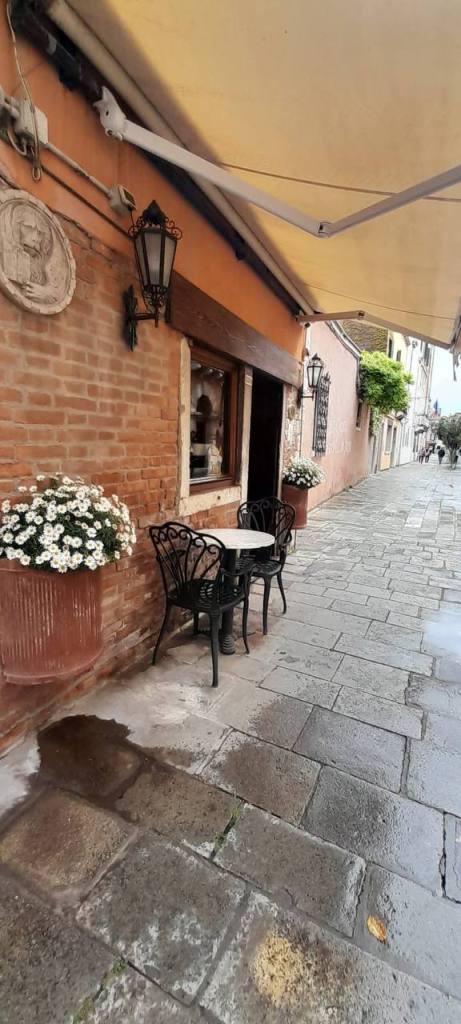
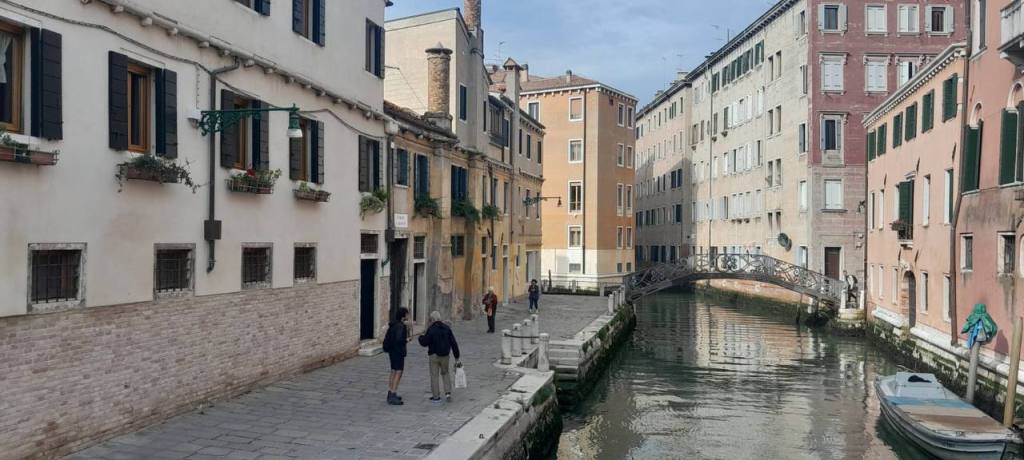
I had the fortune of visiting the city on a rainy day. Strange, you might say, but the rain soaked buildings give the city a charm that I hadn’t thought possible. It’s beyond doubt of course, that the city is even more stunning when the sun is shining, and I’m grateful to have gotten some of that towards the end of my visit.
Unfortunately for you, dear readers, I didn’t stop to take any photos.10 I’ve included some that were shared with me by the party I was with, though in my opinion, they don’t do the city justice.
What to Eat in Venice
TLDR: don’t. Have Venetian food in nearby Padua.
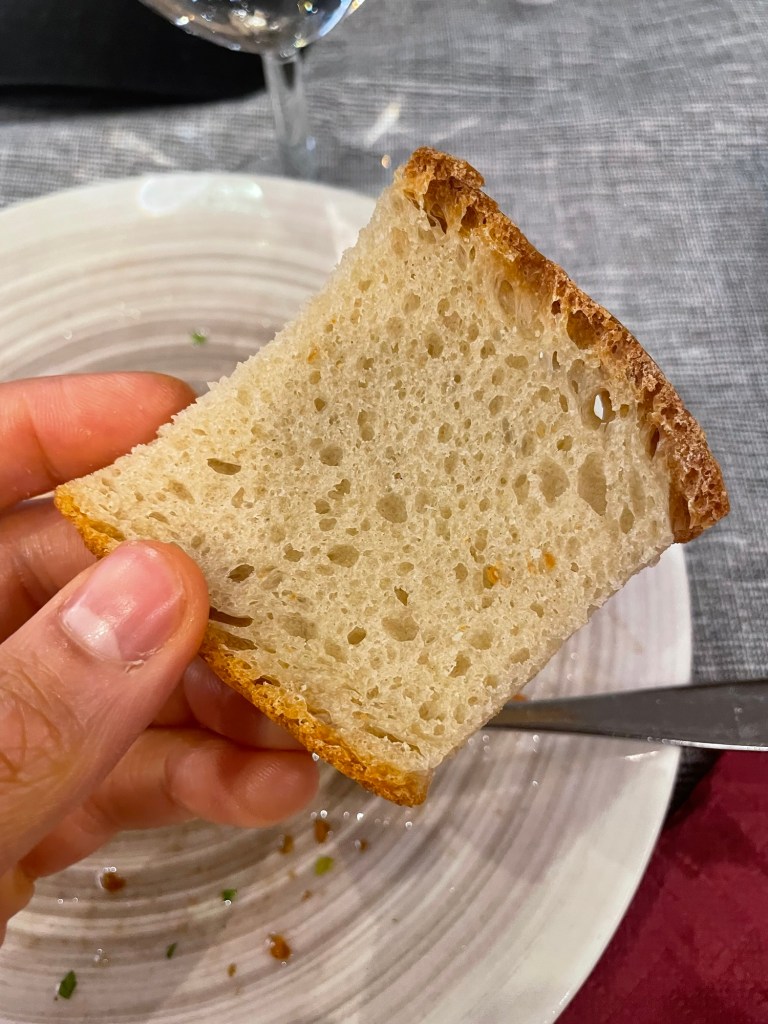
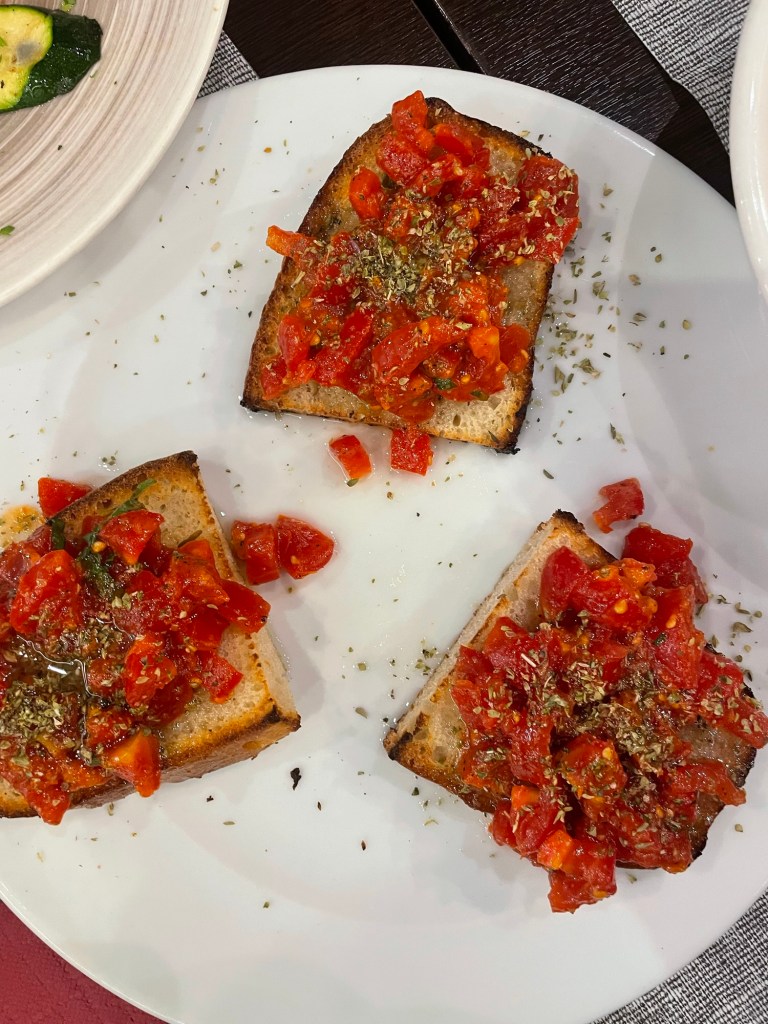
And if you are desperate, my recommendation would be to stave off hunger by grabbing a light bite from a supermarket or a pizza stand. Soldiering on for something good is worthwhile, for what you get at the tourist-trap restaurants is not worth your money. The food may taste OK given that the average quality of ingredients is generally high in Italy, but you’ll find that the restaurants skimp on costs wherever possible, such as using olive pomace oil and giving you stale bread.
If you do decide to dine in Venice, look for restaurants in neighbourhoods that are dead quiet. Analyse the clientele, and remember that a price that is too good is too good to be true.
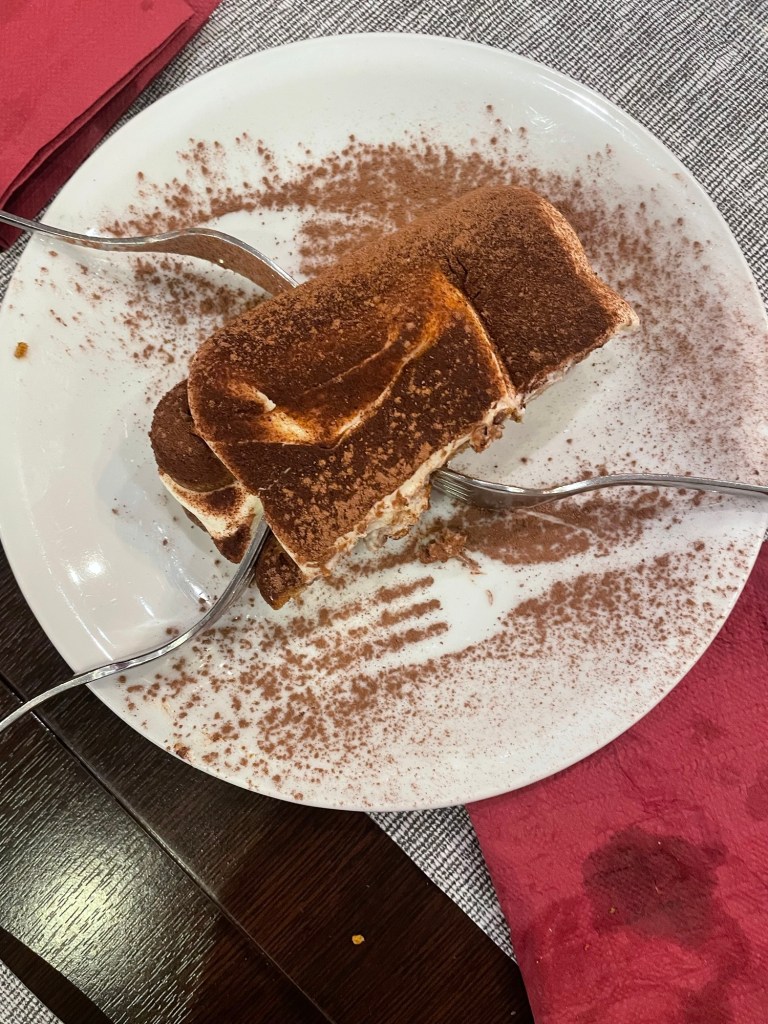
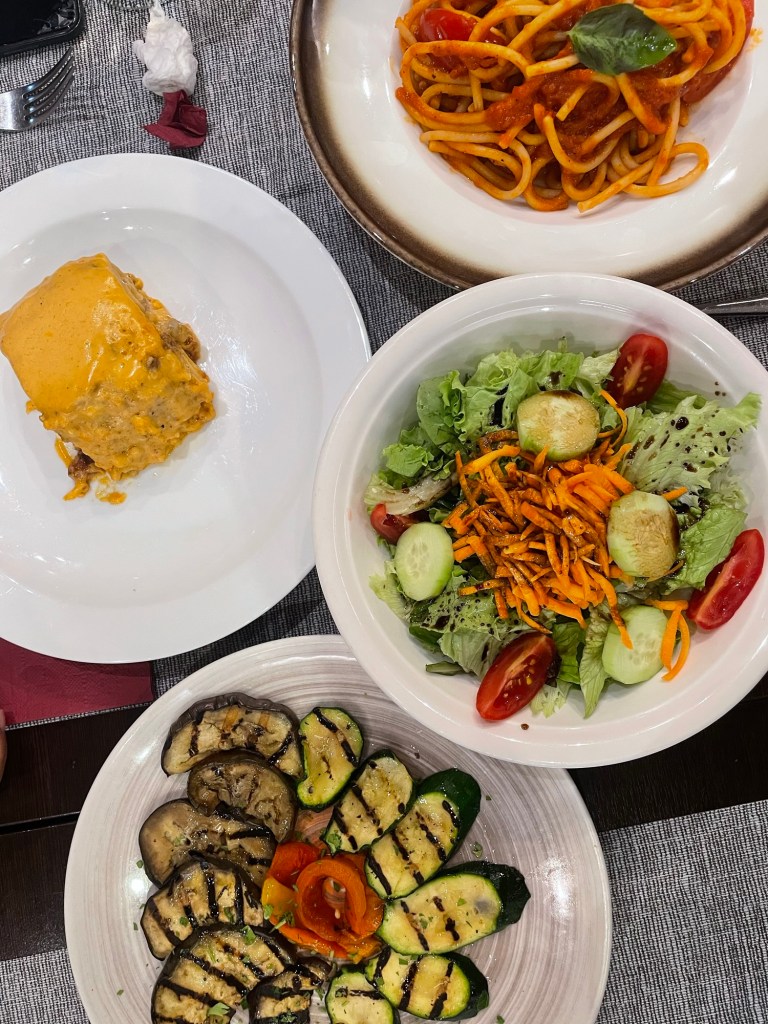
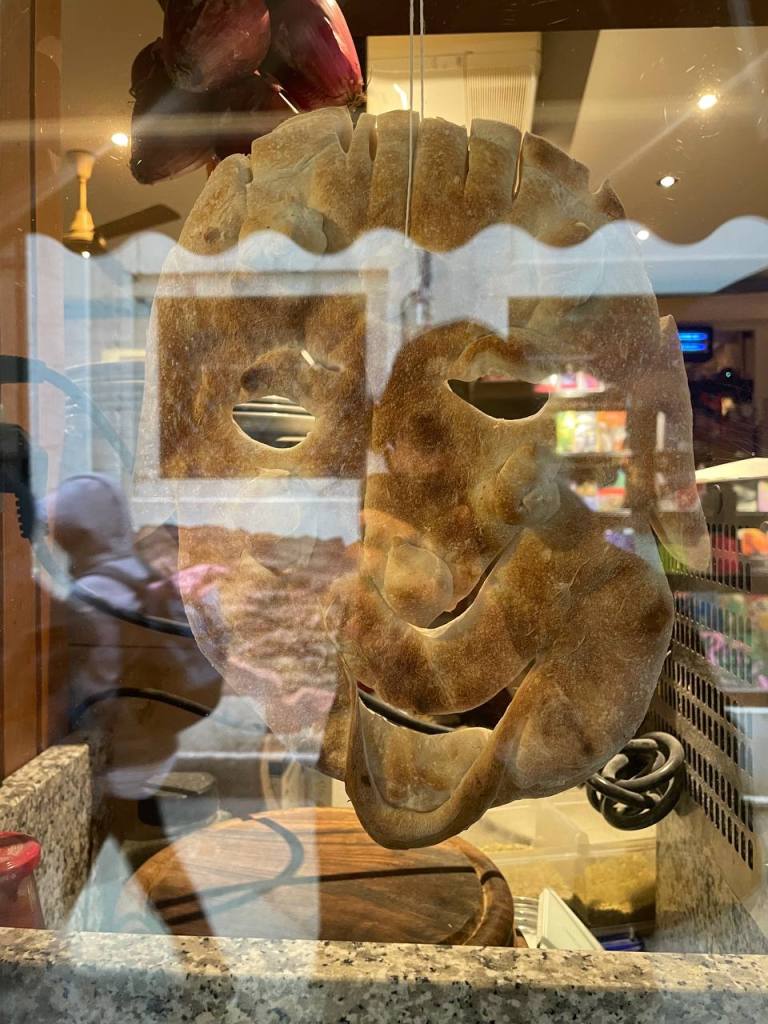
This time I had the misfortune of dining at a touristy spot.
Venetian Food
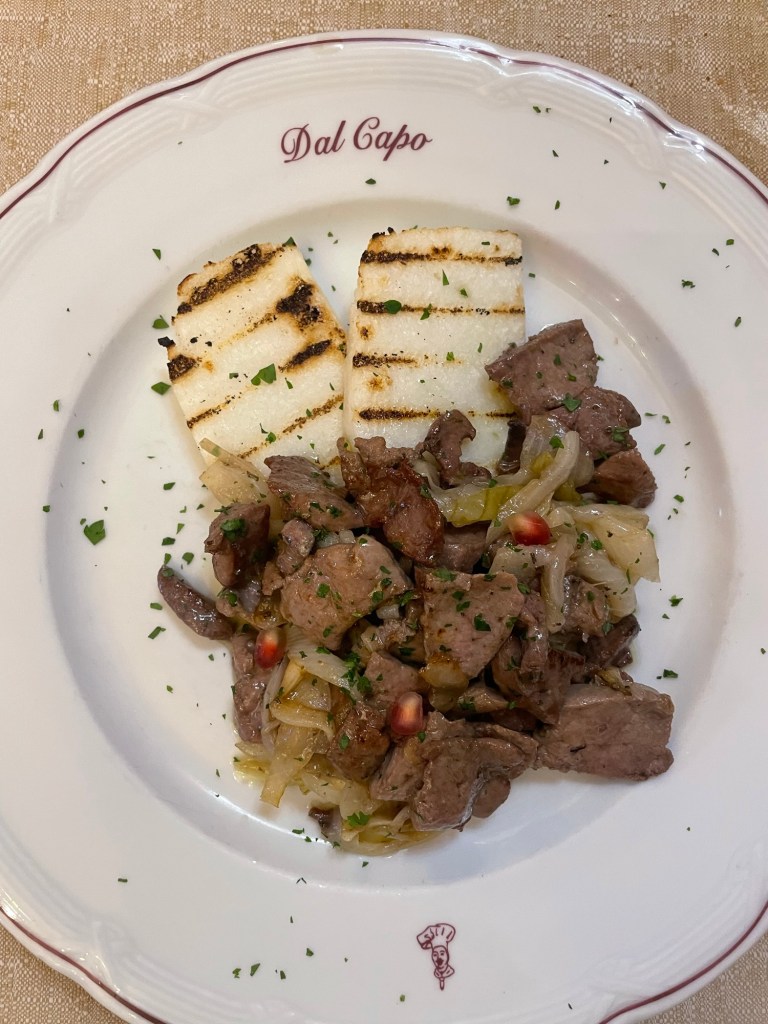
Should you choose to have Venetian food in Padua, I would recommend the Fegato alla veneziana (liver Venetian style) from Osteria del Capo. This was a pleasant change from the rest of the Italian food I was having on the trip11.
Arrivederci
As I left the city, I was certain that I would come back. Most likely as a tourist, though perhaps at some point in the future, or in a different life, I’ll live in Venice for some time to see what it looks and feels like from a resident’s perspective… and to understand how people actually make it to their boats that are moored a good three meters away from the closest ledge!
- and maybe still am… at least young and dumb ↩︎
- especially on streets with no shops ↩︎
- second only to the stench of the water ↩︎
- which are more like corridors! ↩︎
- As of this writing, the access fee is being trialed for the first time. ↩︎
- Despite my greatest efforts, I was unable to find a single gelateria with muted gelato colours, let alone one where the gelato is covered in aluminium tins! ↩︎
- Typically South Indian, with the majority being Blangladeshi or Nepalese. ↩︎
- A scarcity of shops, many residential boats and most of the people I saw were commuters rushing to the bus/train station to leave the city. ↩︎
- Who incidentally comes from the village my parents come from! ↩︎
- You can take this as proof that I was fully immersed in the sights 🤪 ↩︎
- I will write about this in due time… but for now let’s just say that carbs, saturated fats and sodium get tiring very quickly. ↩︎


 Tsunami's Hungry
Leave a reply to Tsu Nami Cancel reply