If you’ve been following my blog then you’ll know that I’ve started getting into sourdough. I successfully baked my first rye loaf a couple of weeks back, but it had two main problems:
- It did not rise as much as I was expecting
- The bottom burnt
I decided to give it another go to see if I can get better, though I was not expecting a massive improvement.
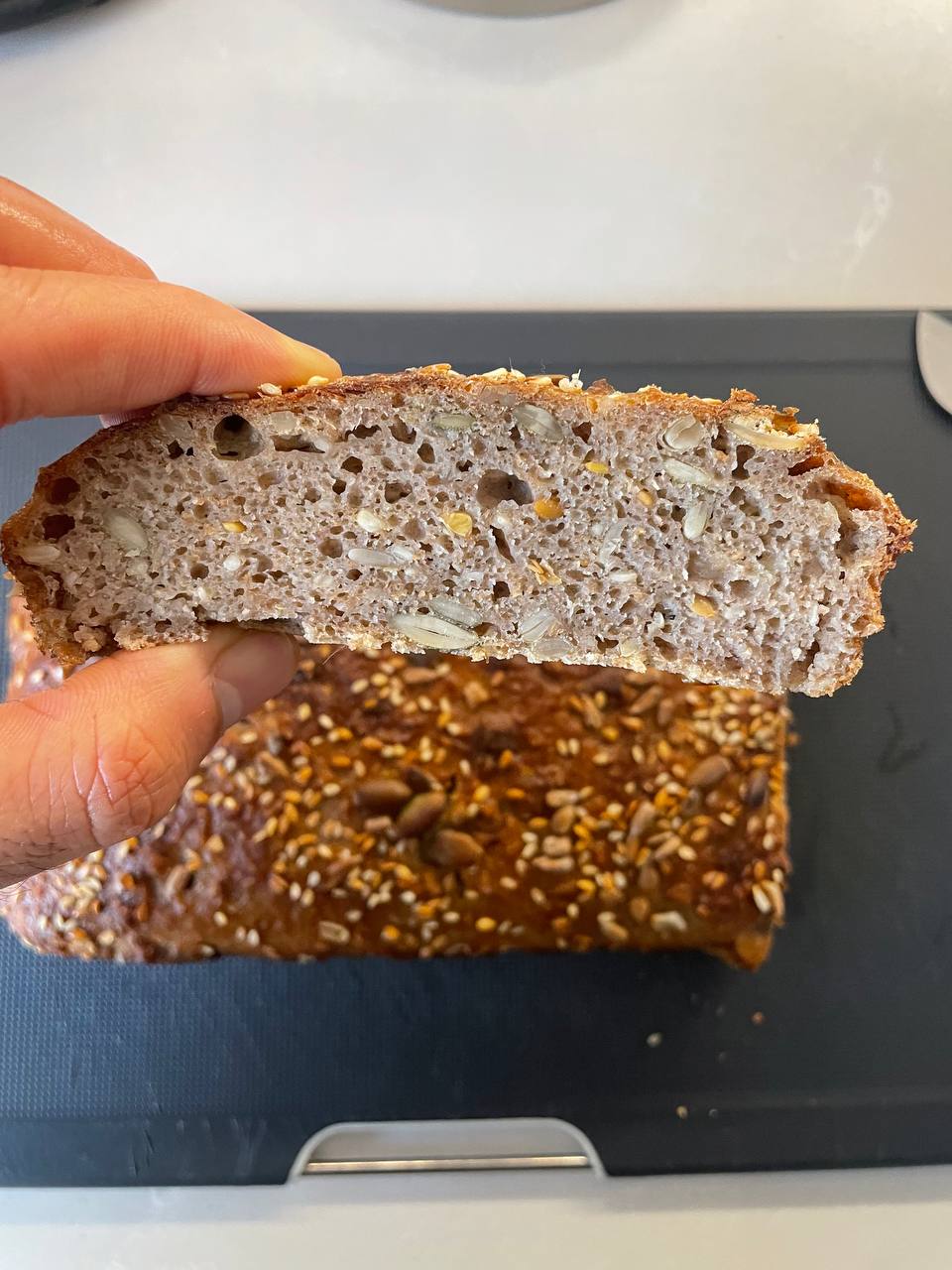
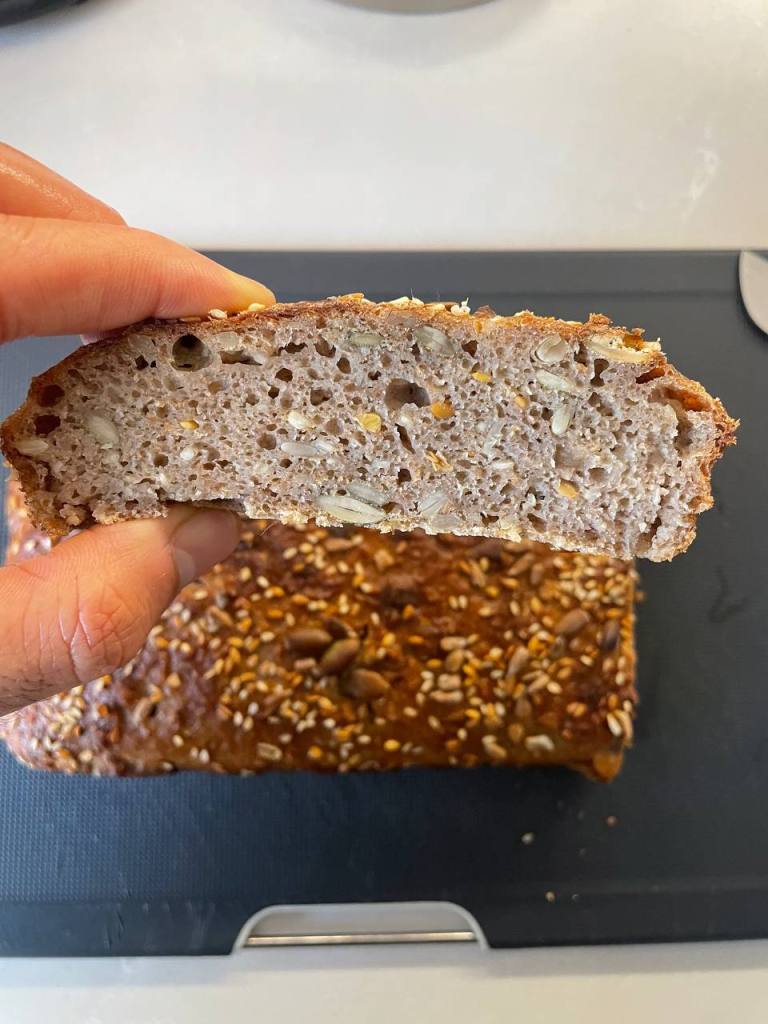
I must admit that I really surprised myself with the outcome: the flavor and texture were almost perfect, and definitely bakery level.
What I did differently
The main thing I changed was the temperature of the water that I added to my sourdough. Since I don’t have a warm place to leave the levain I was hoping that warmer water would fix the issues with the dough not rising. The water temperature I used was around 54 degrees celsius1.
While this change led to better bubbles being formed at the end, I didn’t notice that it made much of a difference to the levain rise itself.
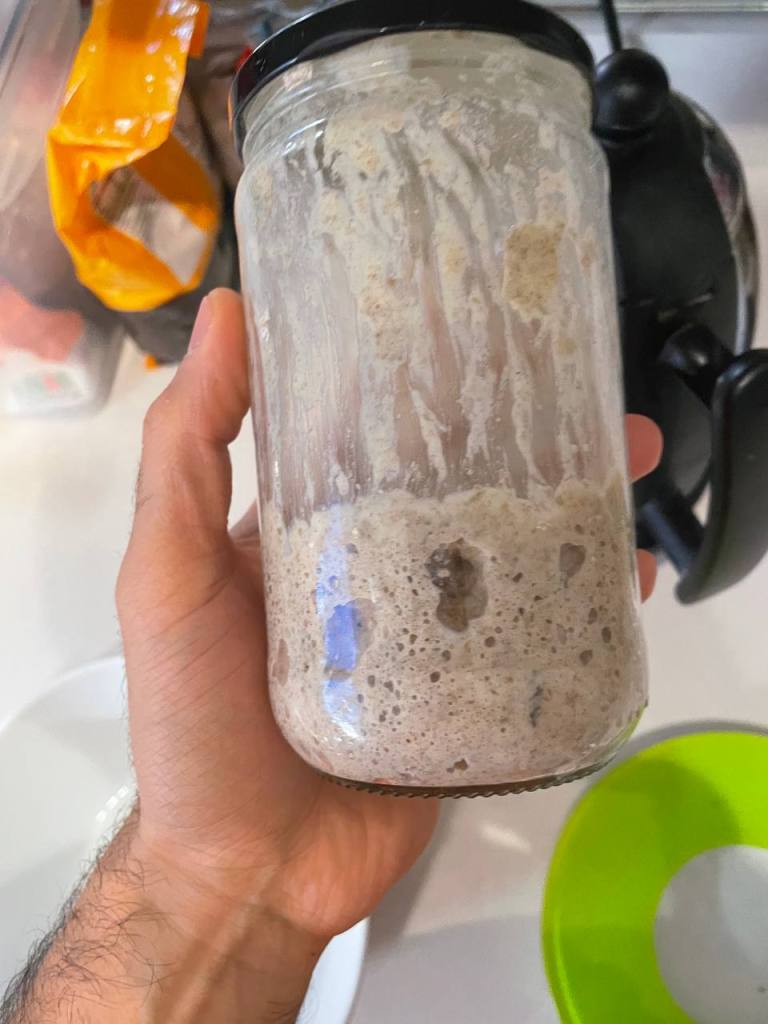
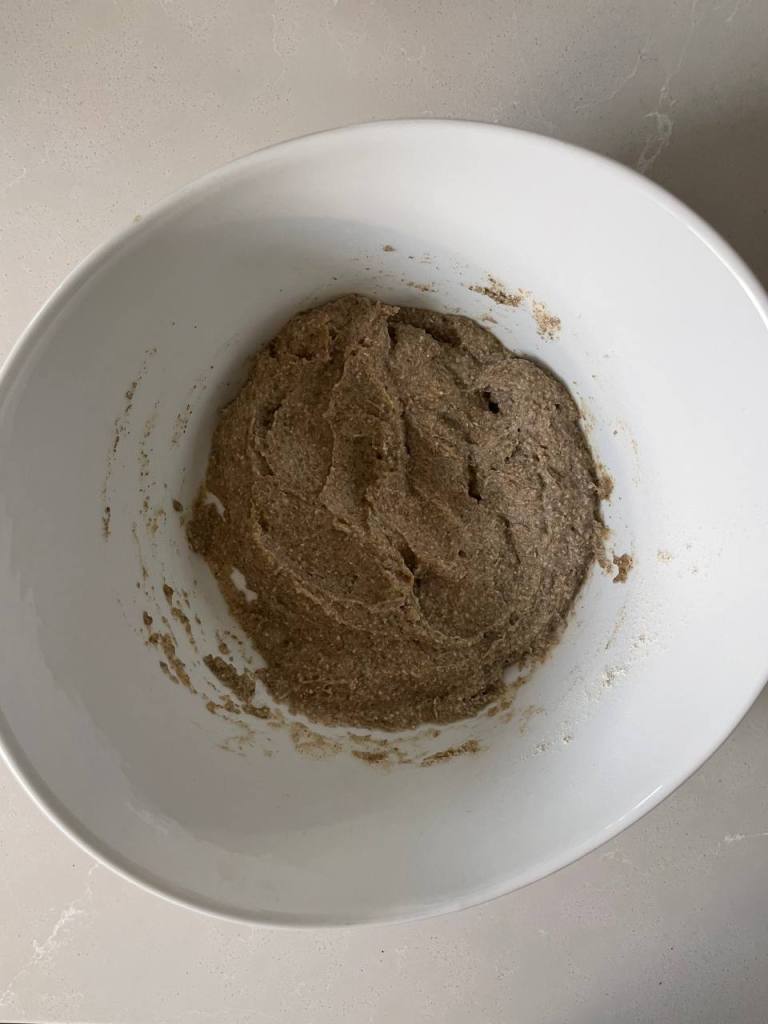
The process of making the dough was the same: after the levain had risen I added the ingredients to make the dough (wholemeal rye flour, light rye flour, salt and a seed mix2) before letting my dough prove.
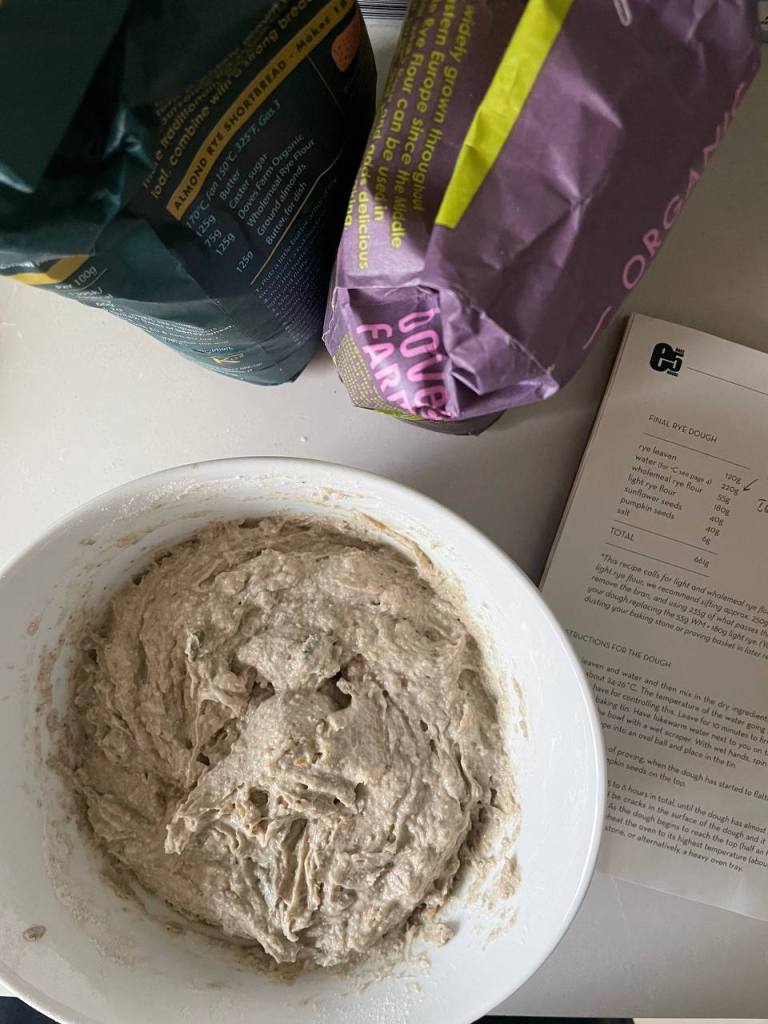
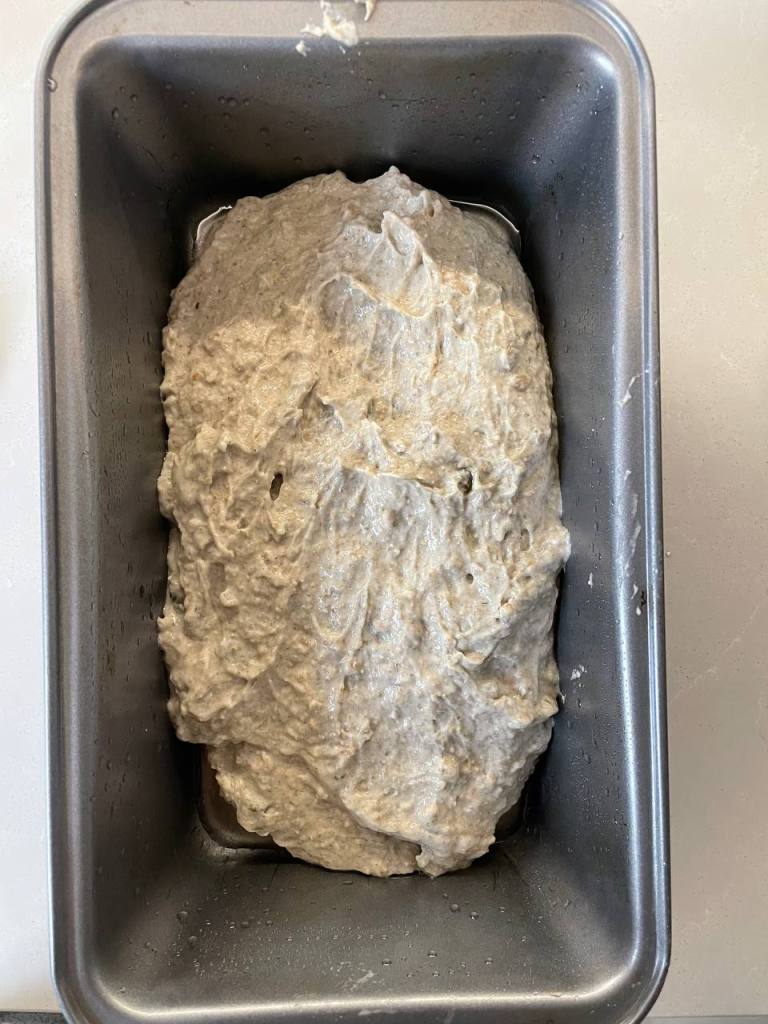
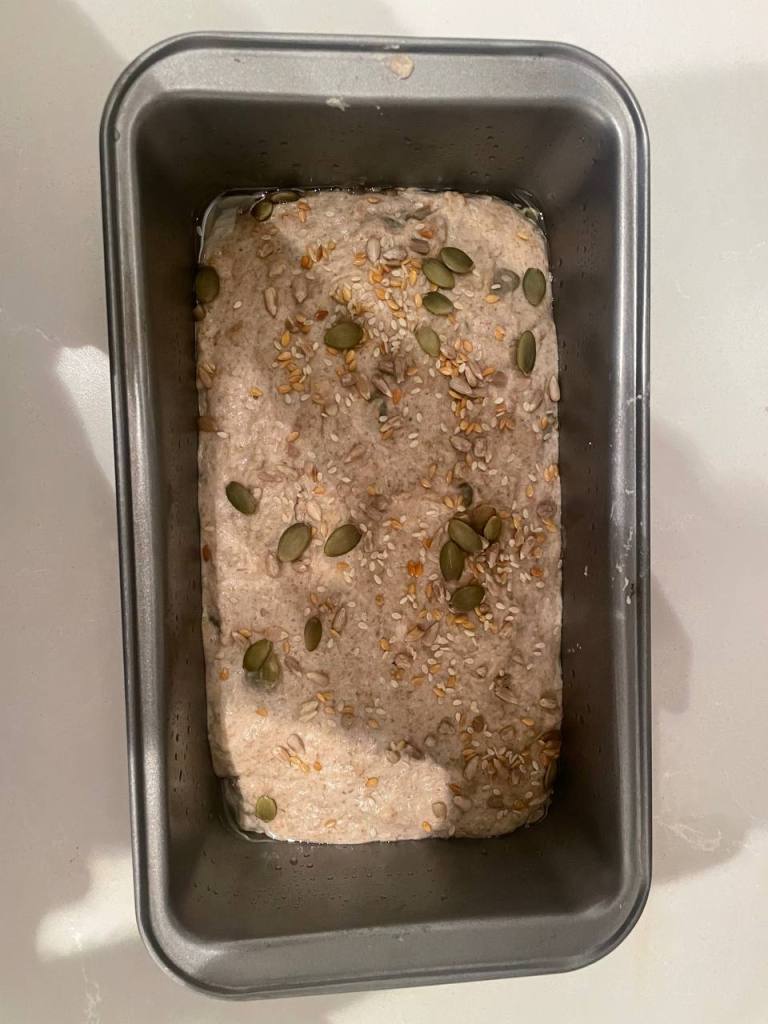
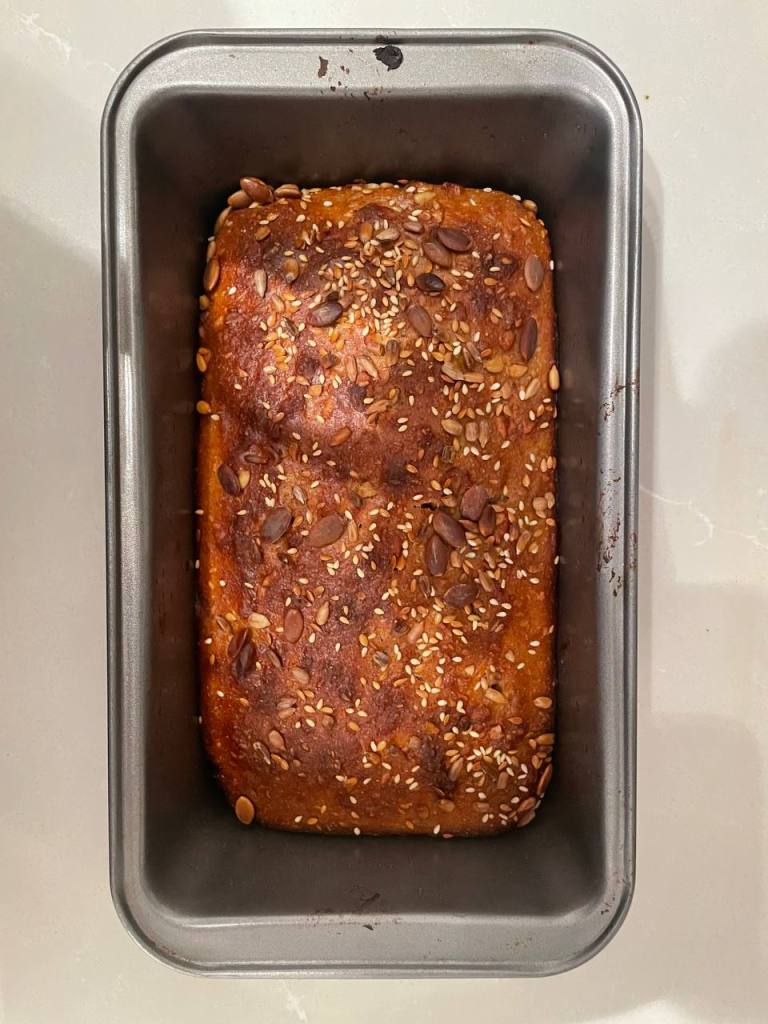
At this point I was a bit disheartened because the dough hadn’t risen as much as I was expecting. But having put all this effort it was time to see what the outcome was going to be, and THIS time I made sure to lower the temperature of the oven to around 240 (as opposed to 250+ last time) and to add enough water to the tray I was using to generate enough steam for the loaf while it cooks.
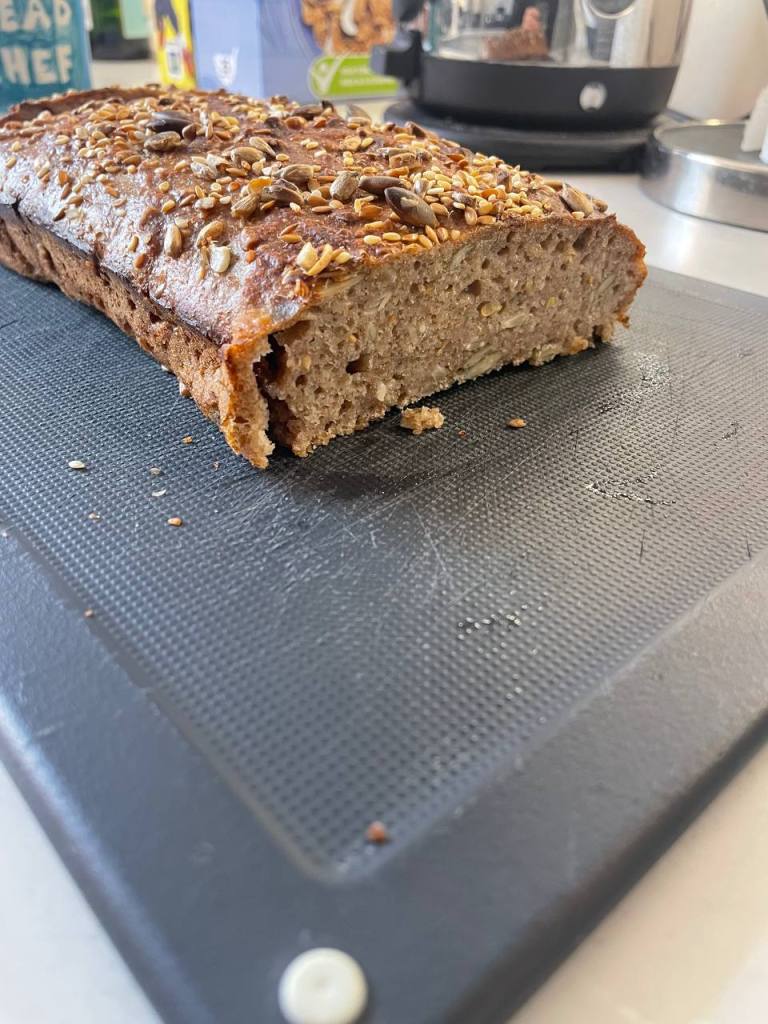
The results were spectacular.
Explaining the lack of rise in my loaf
As I didn’t see my dough rise as much as I was expecting, I knew that I wouldn’t get a very tall loaf. However after I saw the bubbles in the loaf itself I realized that my dough doesn’t have a rise problem necessarily, it’s just that the tiny I’m using is too wide compared to the ones that bakeries use!
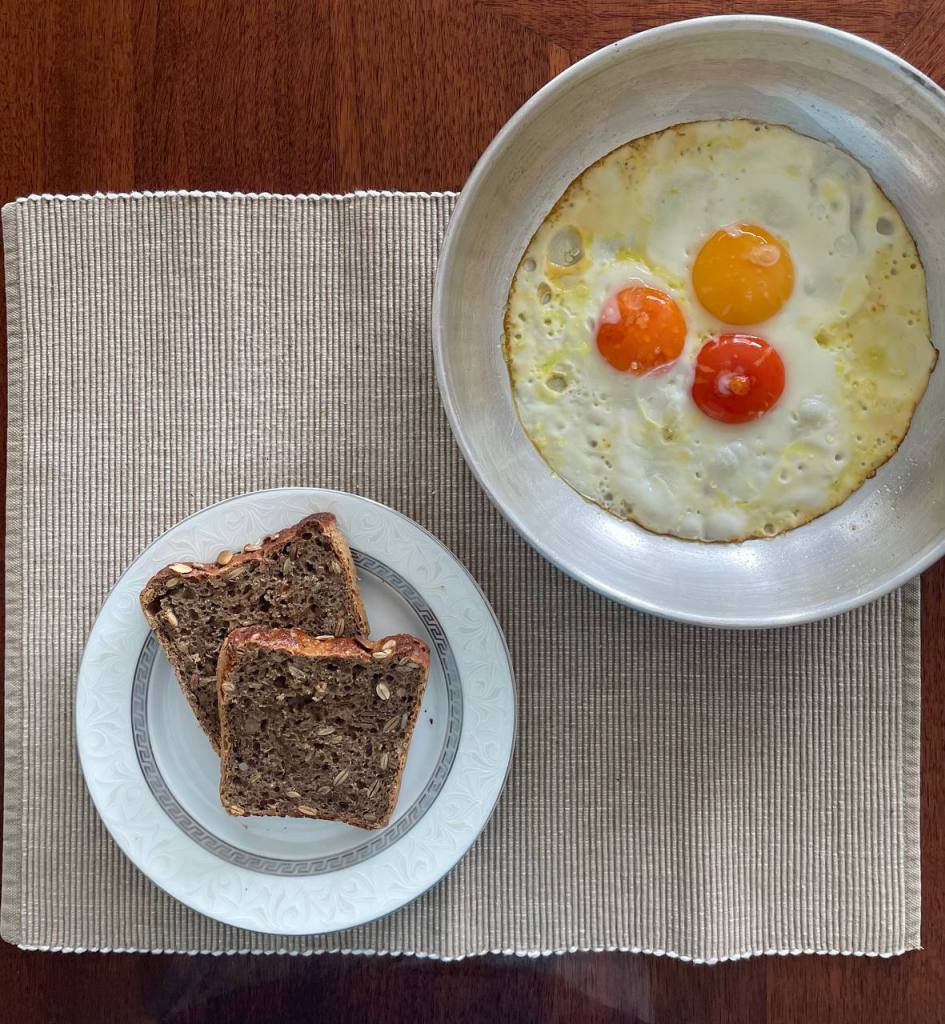
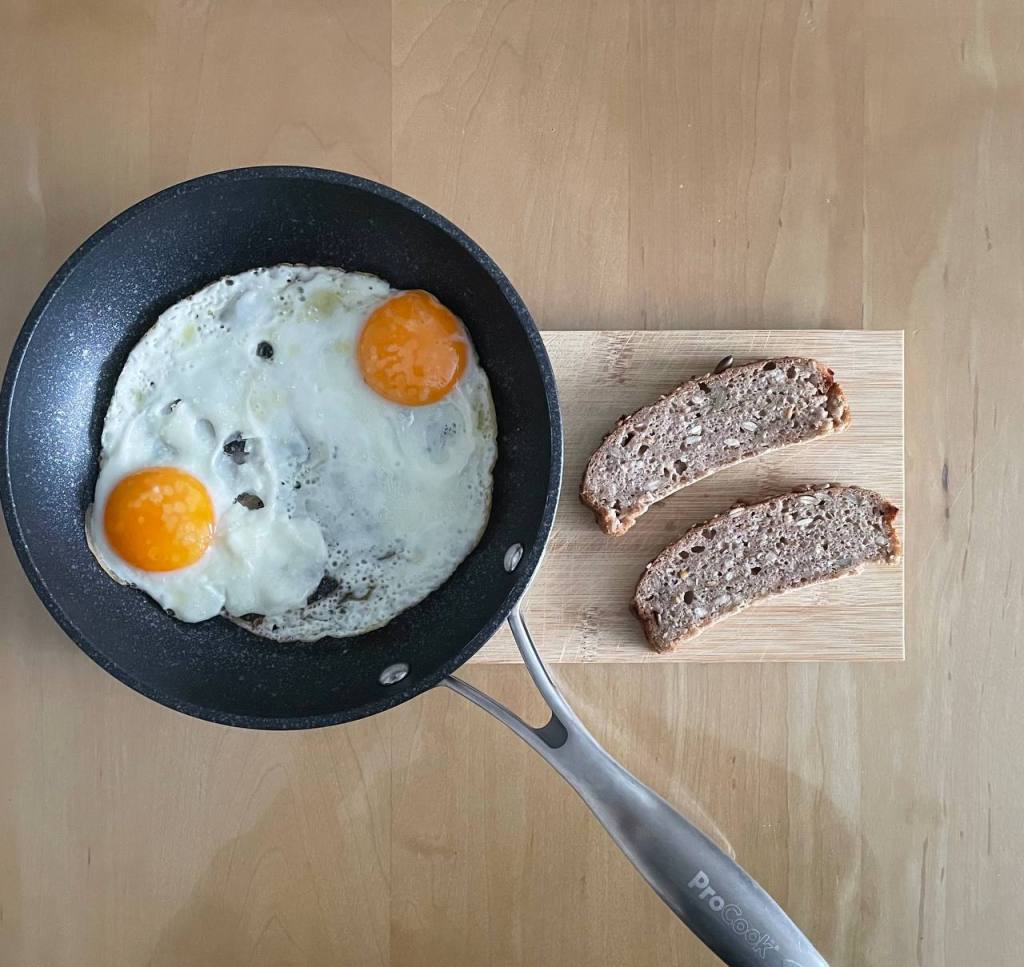
The left photo above is a seeded rye from the e5 Bakehouse where I learnt how to make sourdough, and on the right is mine. After careful comparisons you can see that the size of the bubbles are pretty much the same, which I’m very very happy about.
Next steps
I was very happy with this outcome, but there are still a few things that I need to improve.
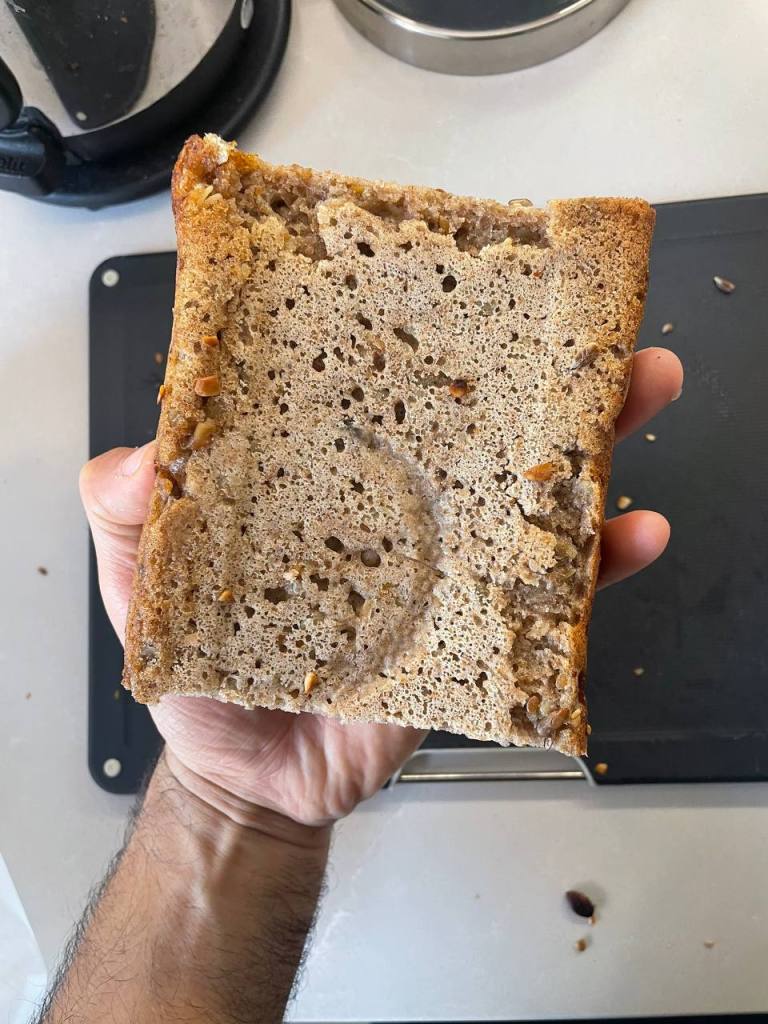
The bottom of my loaf didn’t form a crust this time either! The first time I made it was because the bottom got stuck to the tin (due to the very high temperature I used), so I tore the bottom when I removed my loaf out of the tin.
This second time though, could it be that the temperature was too low? For next time I might go back to using a very high temperature, but I’ll line the tin with some baking paper before to make sure I can remove the loaf easily. I’ll also need to make sure to add more water to generate extra steam so that the crust doesn’t burn too quickly.
Although for now, since the rye loaf has been a resounding success, I’m going to try to make a country loaf using wheat flour.
Exciting times ahead.

 Tsunami's Hungry
Leave a reply to 🇮🇹 Experiment – Fermented Cherries on Pizza – Tsunami's Hungry Cancel reply