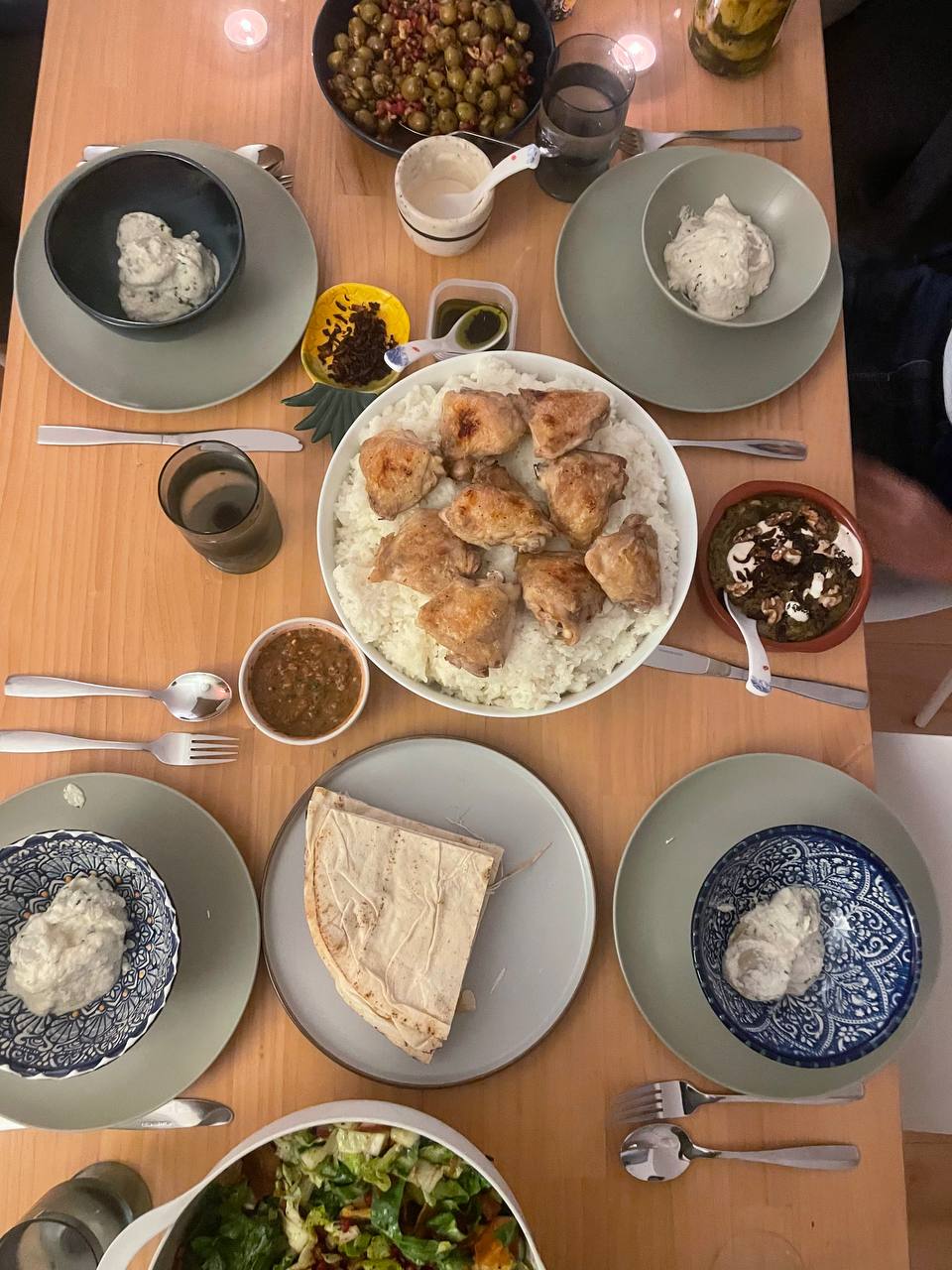
Saudi and Iran have had, at best, a strained relationship, and at worst, an existential one. Being both regional powers that have fought endlessly about whether it’s the Arabian or Persian gulf, they also sit on the opposite ends of one of the most divisive sectarian differences in the world: Sunnism and Shiism.
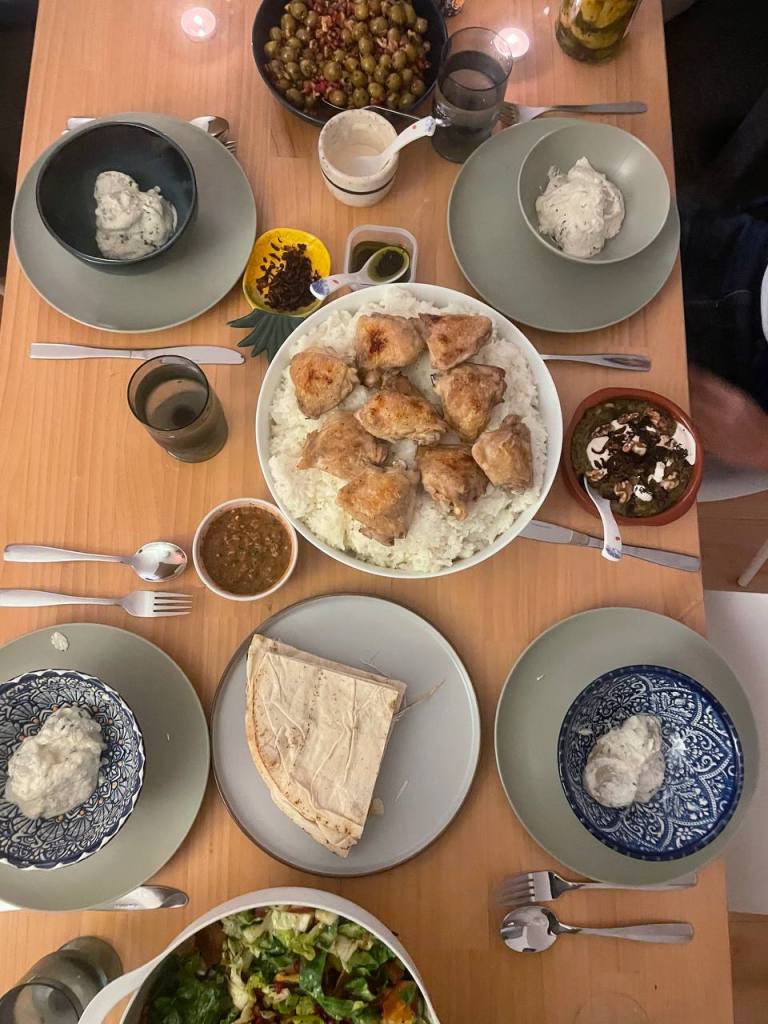
Since we’re totally above our differences, my companion and I decided to host a Saudi-Iranian night to celebrate our cultures.
My Contribution
I had a very tight schedule so elected to go for dishes that could be prepped in advance. I went for two starters, and was quite happy with the outcome.
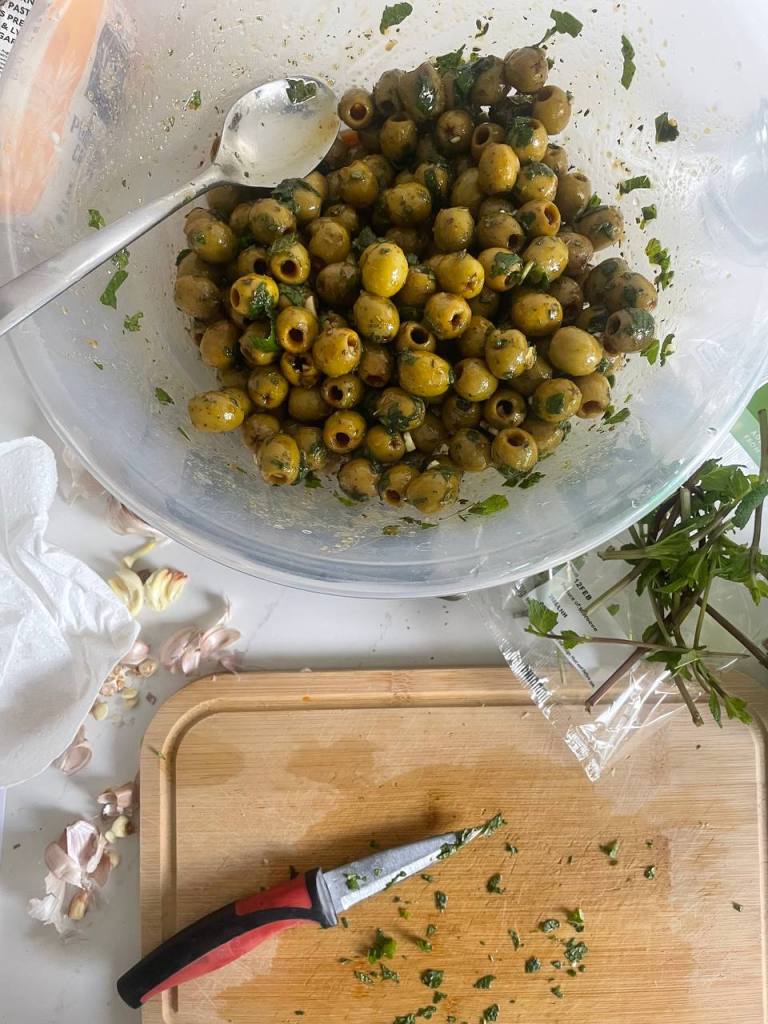
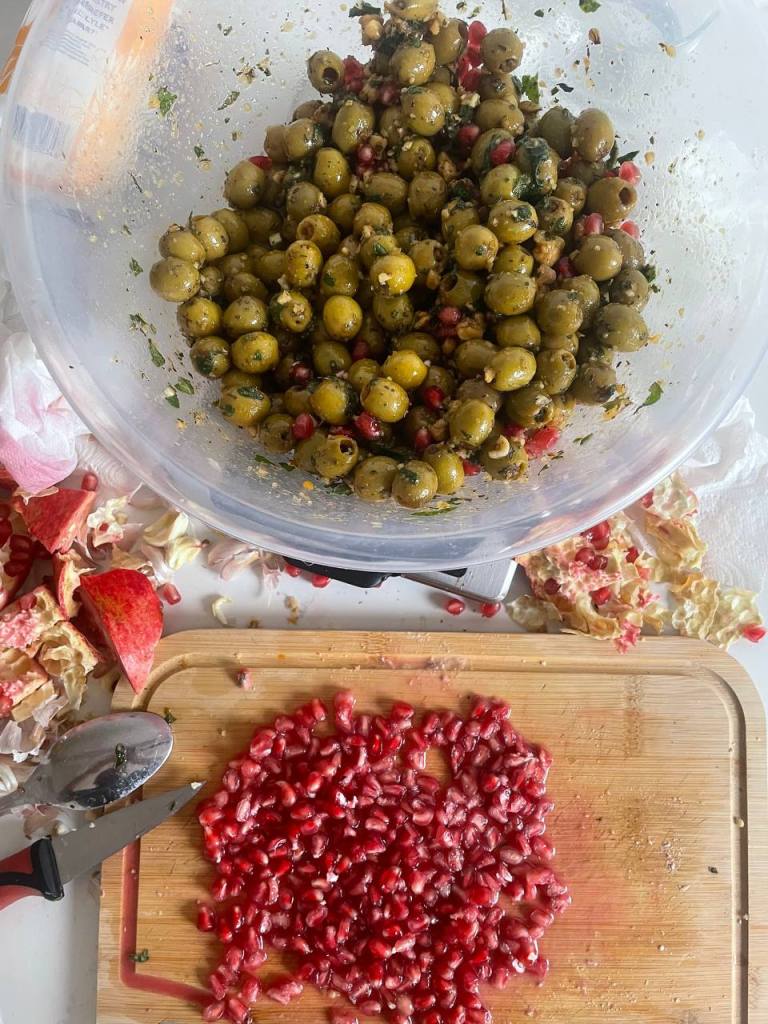
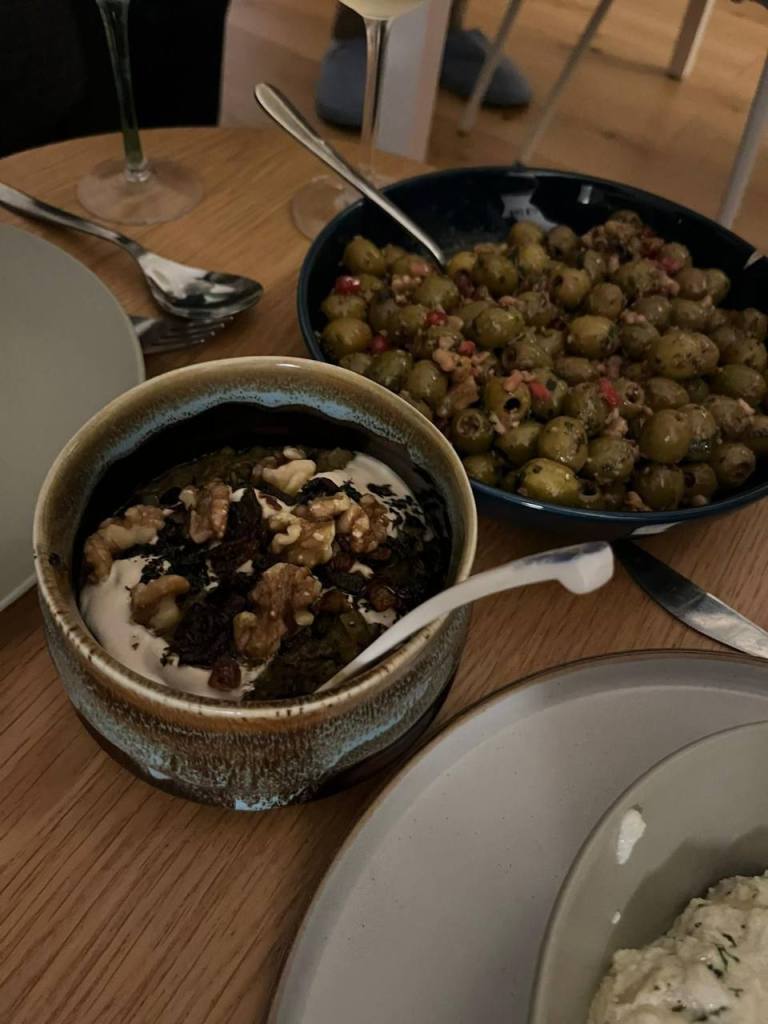
Zeytoon Parvardeh
My main thinking was the that the flavours and textures would be different to what the guests1 would have tasted before. Plus it helped that this dish is best when it has been left in the fridge for some time.
The last time I made this dish was for the Iranian Tapas experience I hosted, where I went off of vibes. This time I wanted to constrain the proportions a bit more, so used this recipe as my base.
Ingredients
- pitted green olives
- walnuts
- pomegranates
- olive oil
- garlic cloves
- dried mint
- fresh mint
- dried basil
- salt
- pomegranate molasses
Preparation
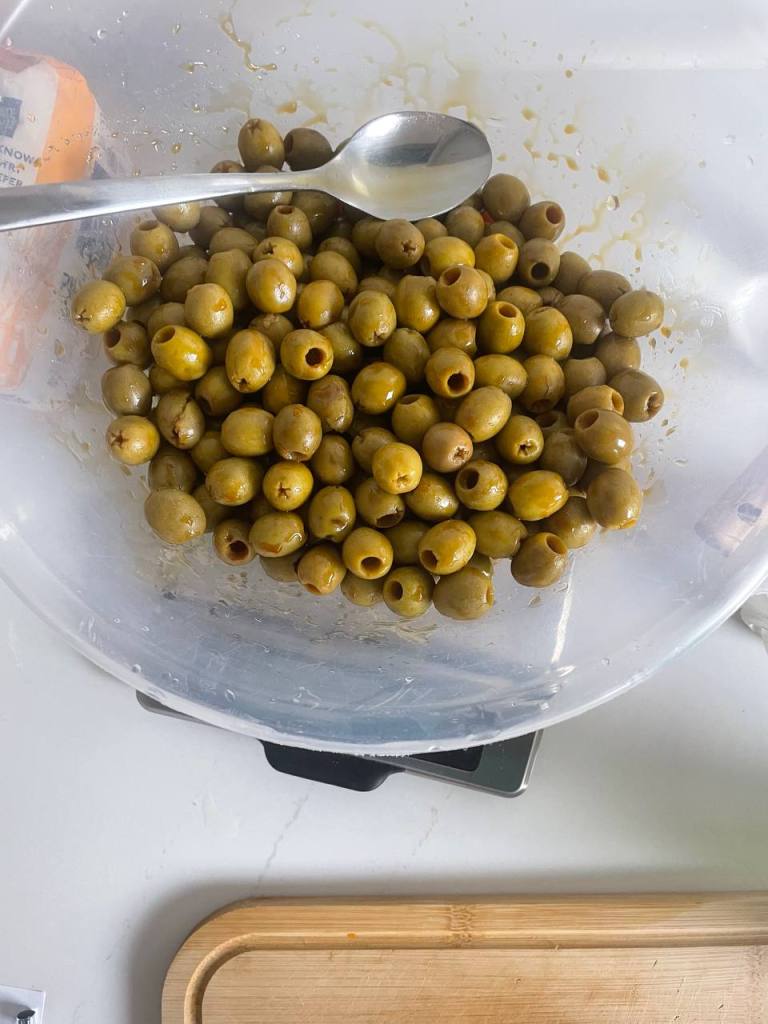
- Drain2 the olives and add them to the bowl, then coat with the pomegranate molasses
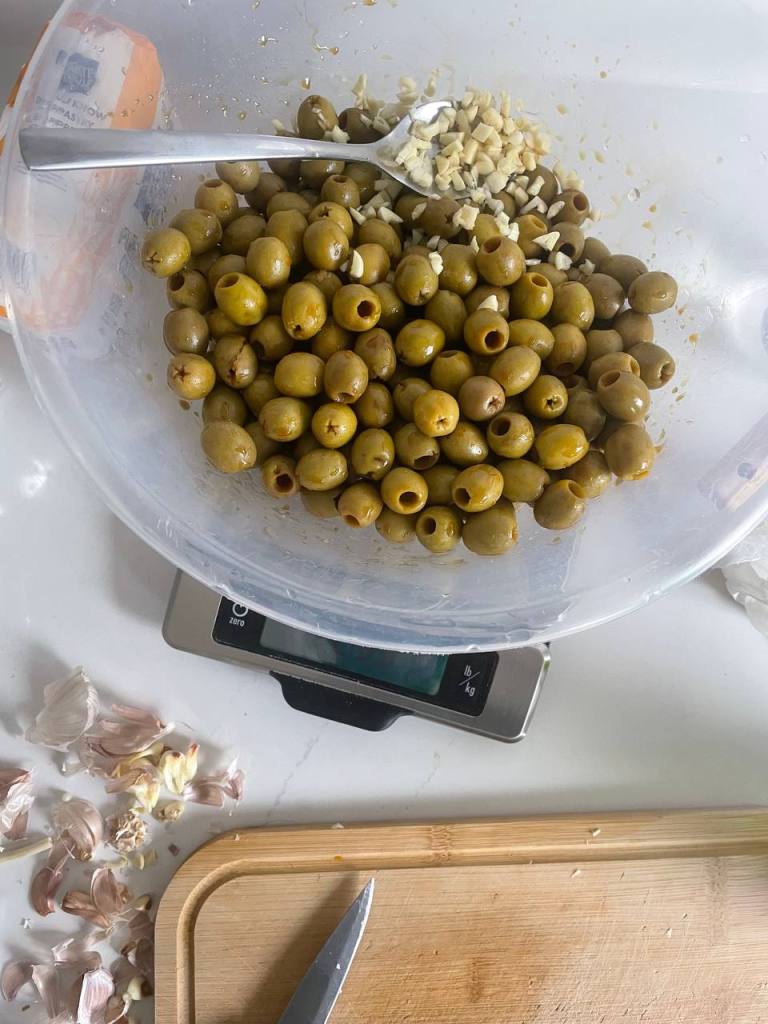
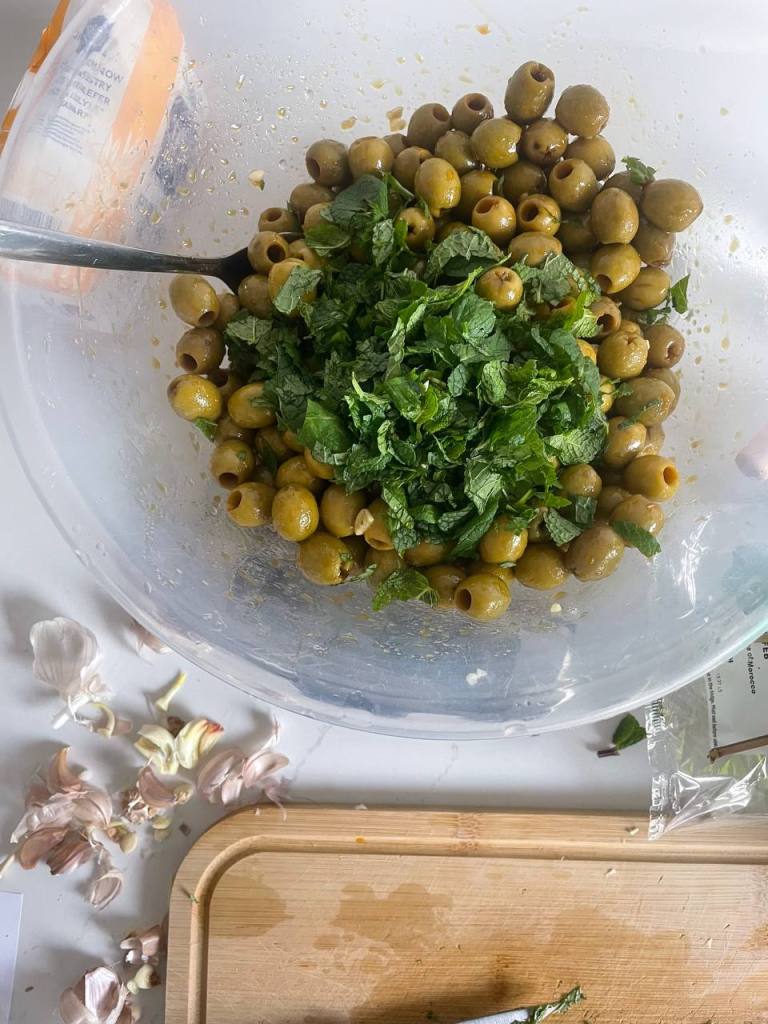
- Add the minced garlic, and then the chopped up mint leaves, followed by the dry mint and basil. Mix thoroughly and let sit
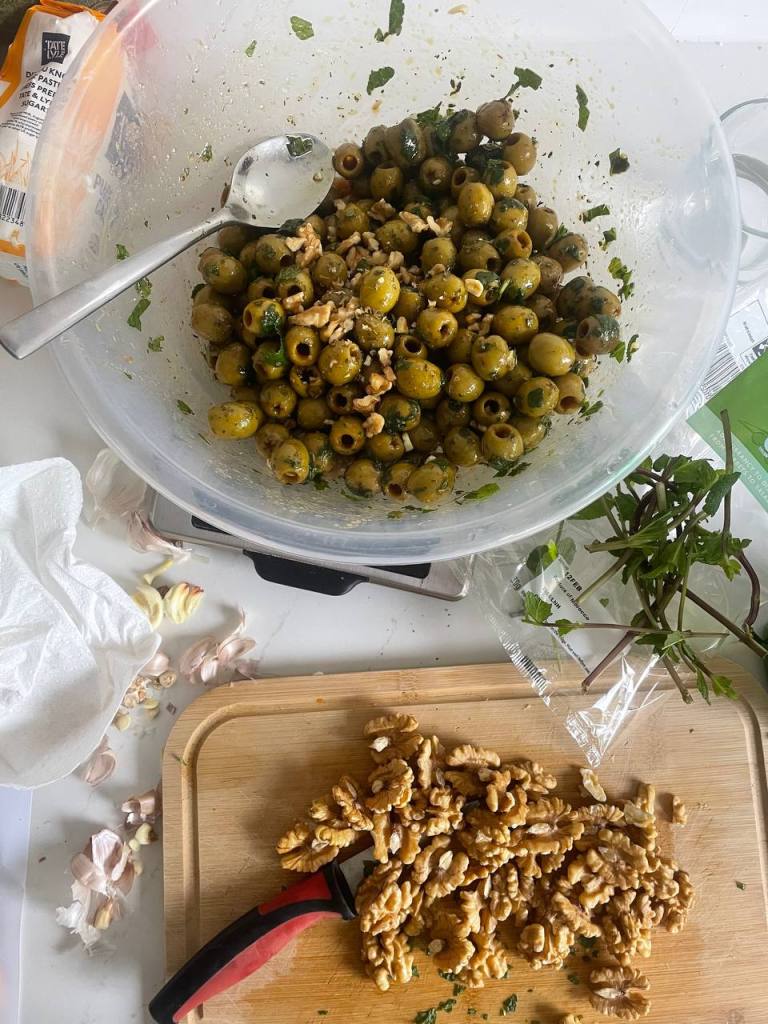
- Take half the walnuts and crush them until they form a rough paste (but not butter!). I used a rolling pin for this and it worked like a charm. Add these to the mixture and mix thoroughly
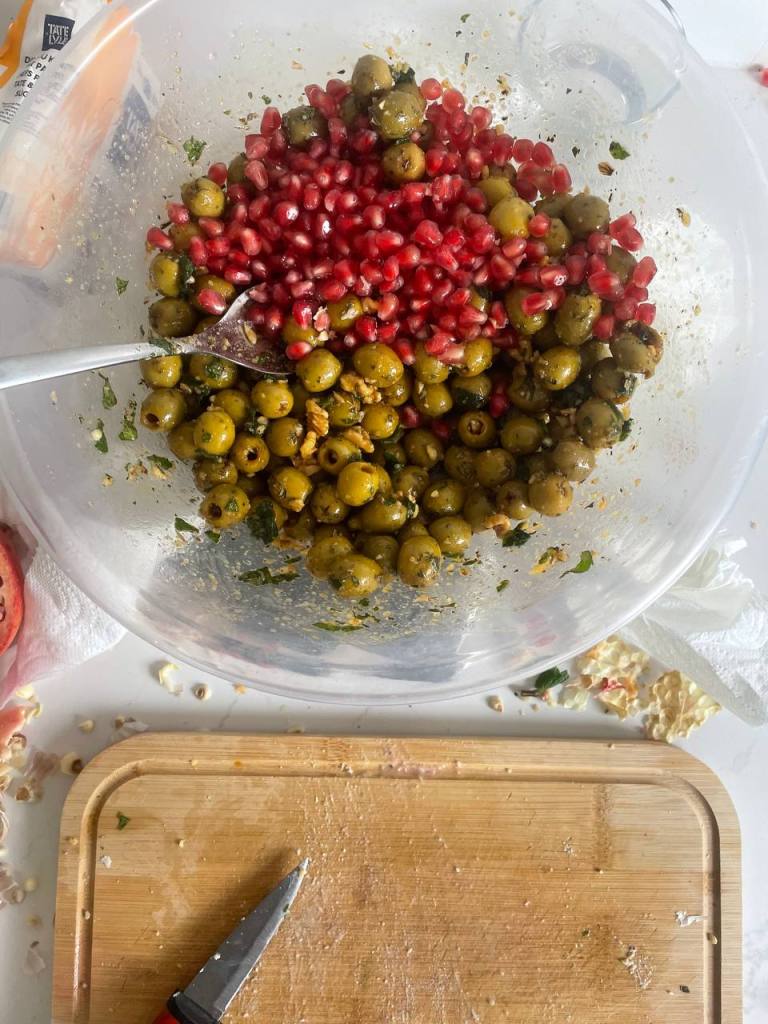
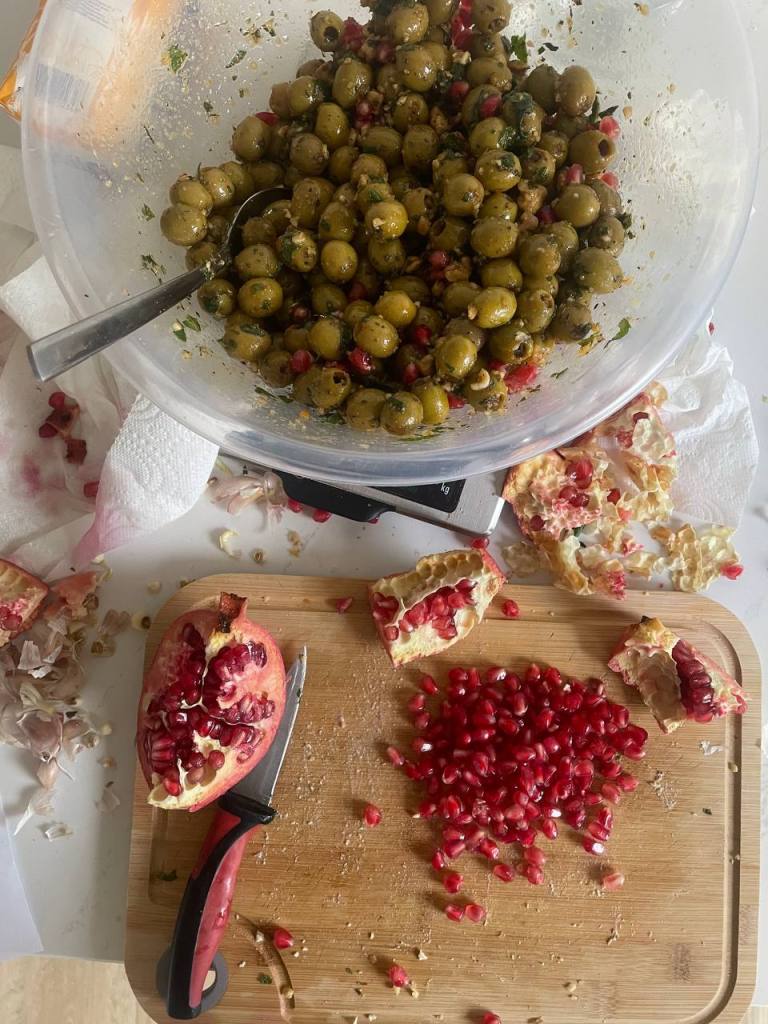
- Take half the pomegranates and put them in a ziplock bag, then lightly crush using the rolling pin. Then pour the contents into the mixture and mix thoroughly
- Add the rest of the walnuts and pomegranates to the mixture, and gently stir everything through.
- Add the olive oil, and stir everything together. Salt to taste.
- Place in the fridge overnight for the flavours to get to know one another
Note that the choice of the ingredients can wildly affect the final flavour of the dish. There are no wrong answers: it all depends on your taste. Feel free to add a bit of sugar if the pomegranates and molasses you got are too tangy, though you’d be crossing my mum!
Kashk-o-Badenjoon
I had a similar rationale for choosing kashk-o-badenjoon: the whey and dried mint make it vastly different to other aubergine dishes out there. But there were two other factors that significantly influenced me to go for this dish:
- I had tried making a vegan version of it before, but accidentally burnt the onions, leaving me with a taste that I couldn’t remove
- I had recently gotten it at an Iranian restaurant and was not impressed at all
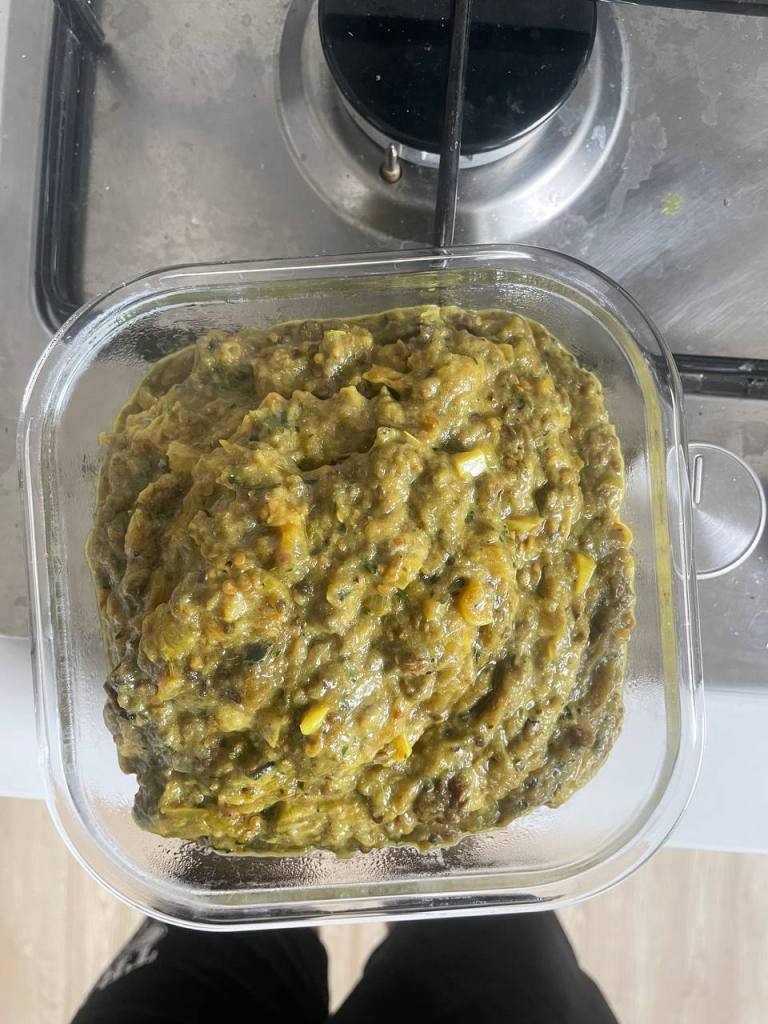
For the kashk-o-badenjoon I got my ingredient list from some online blog but cooked it using my intuition and taste. I was very impressed with the outcome.
Ingredients
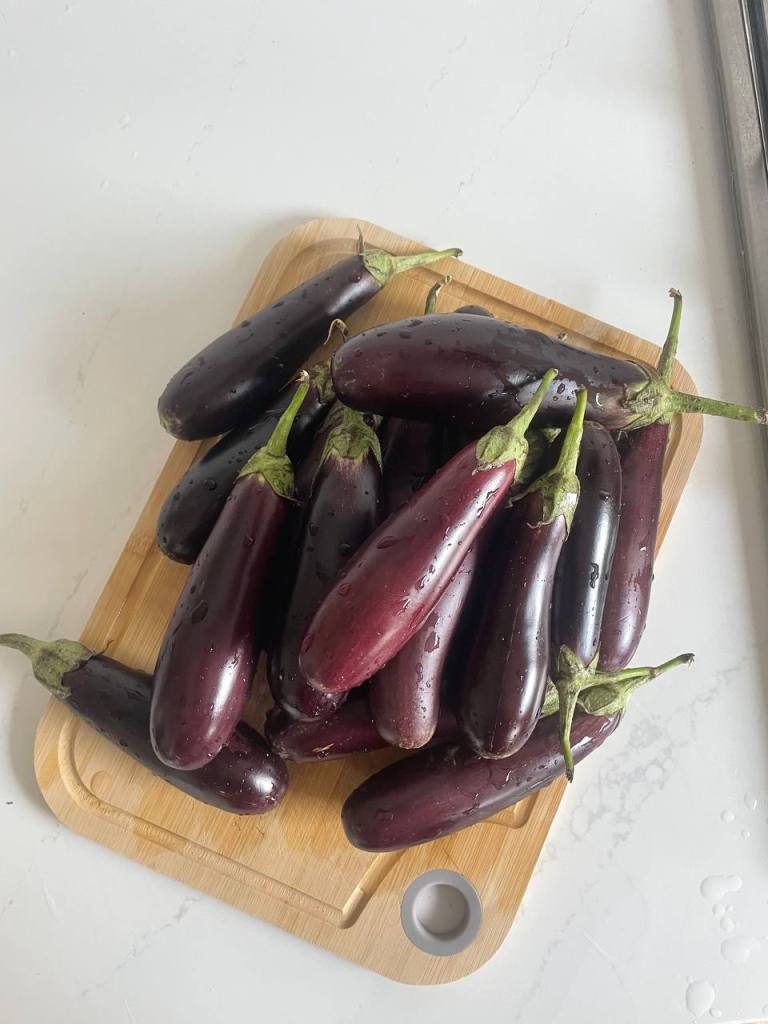
- eggplants3
- onions
- turmeric
- oil
- salt
- dried mint
- walnuts
- whey
- garlic cloves
Preparation
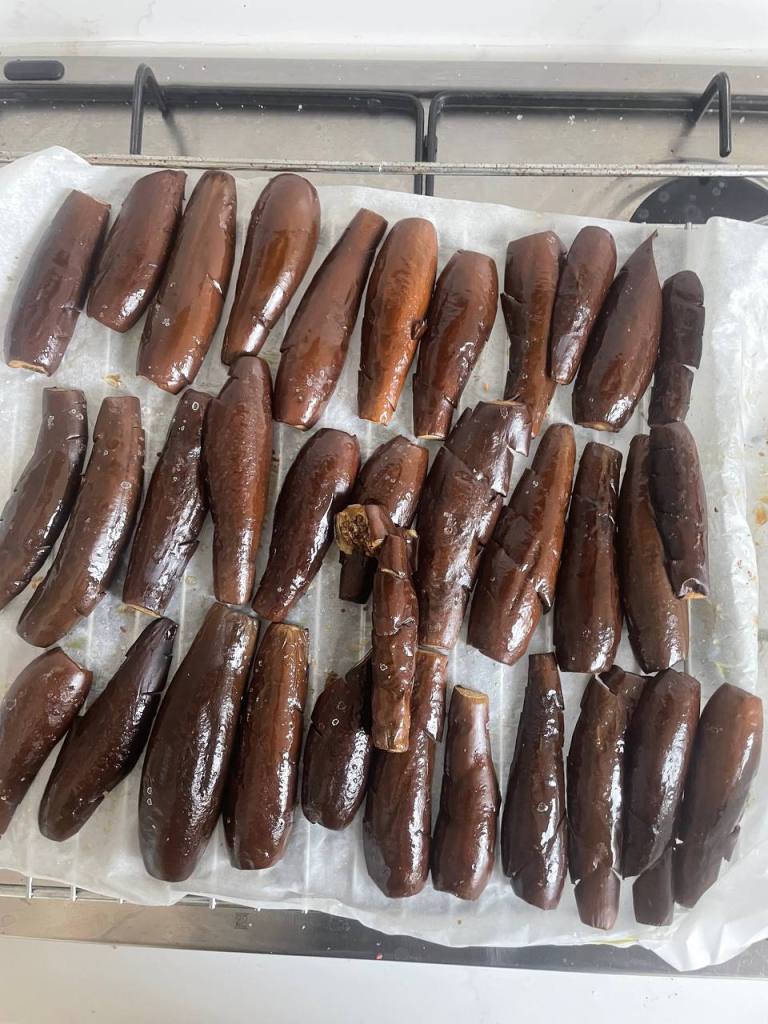
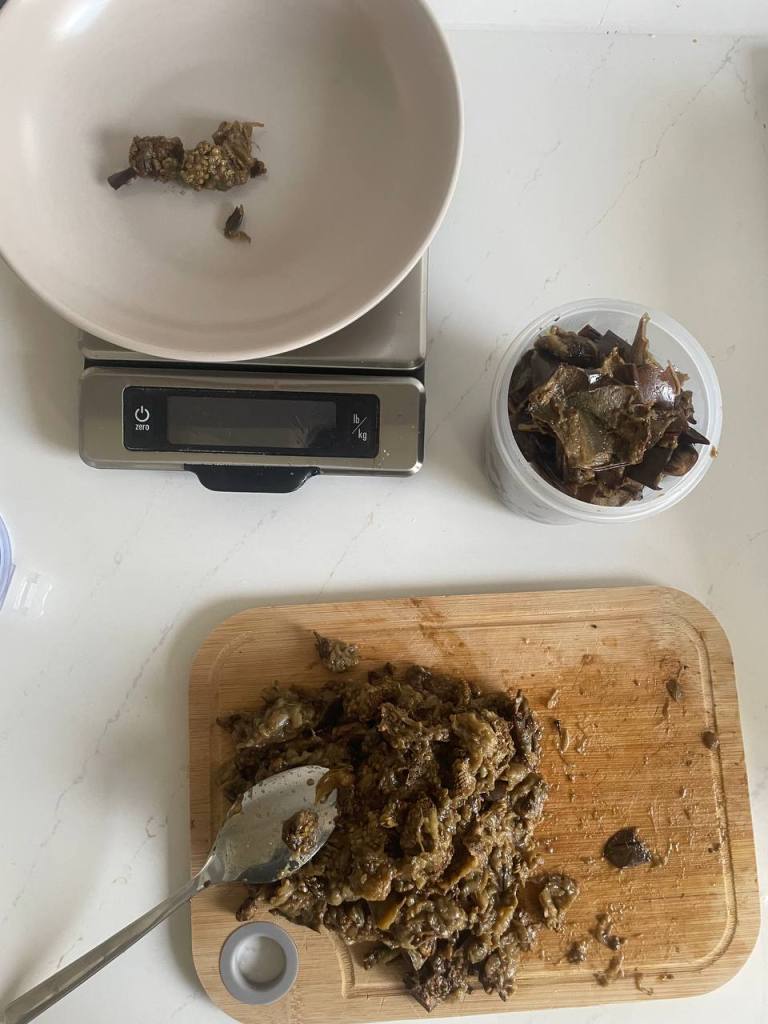
- Slice the eggplants, score them4, salt them and wait a little until they release their juices. Pat them dry and cook them in the oven5, face down6, at 180 degrees until the flesh is soft and can be scooped out.
- Scoop out the flesh and leave it for later
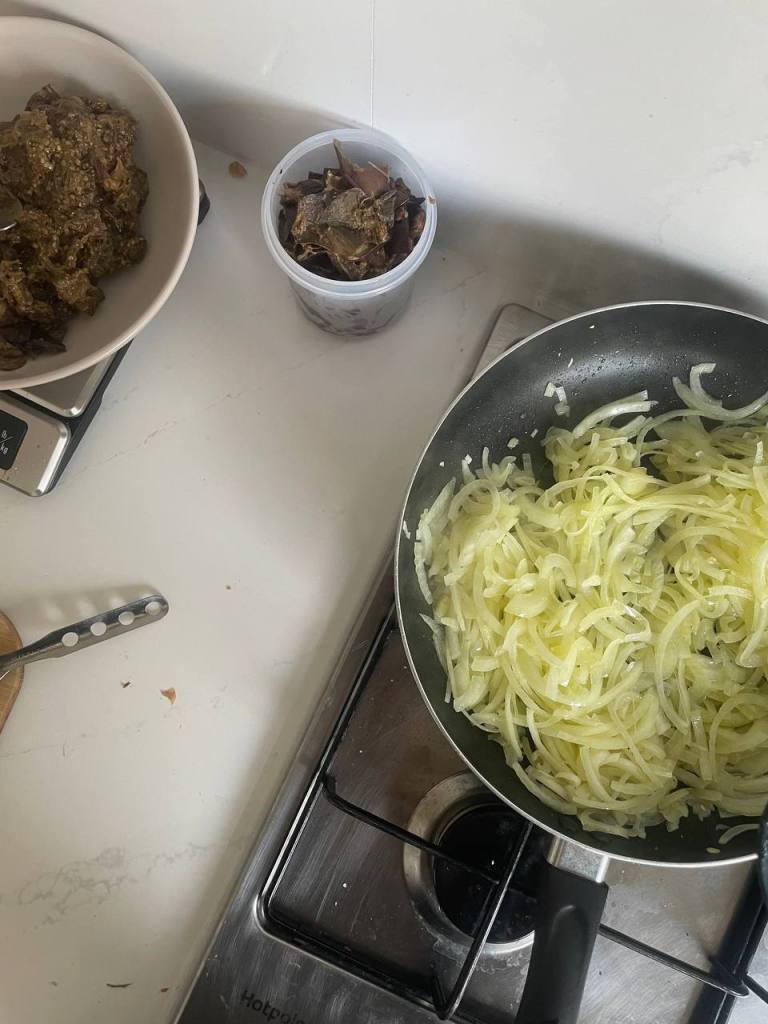
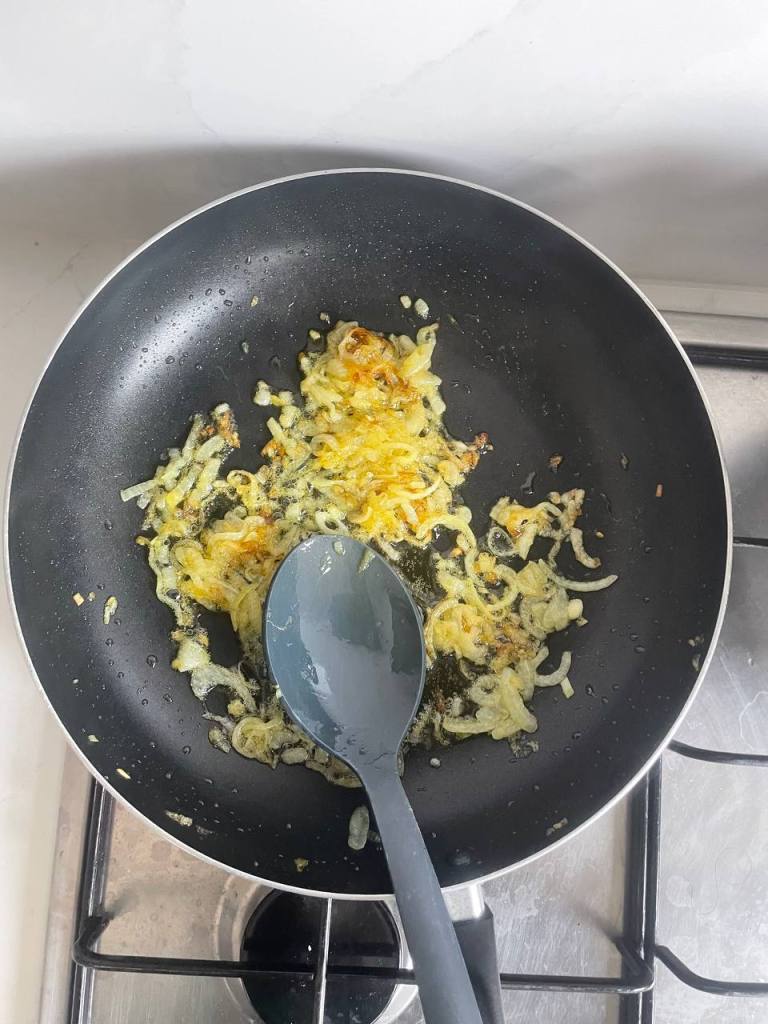
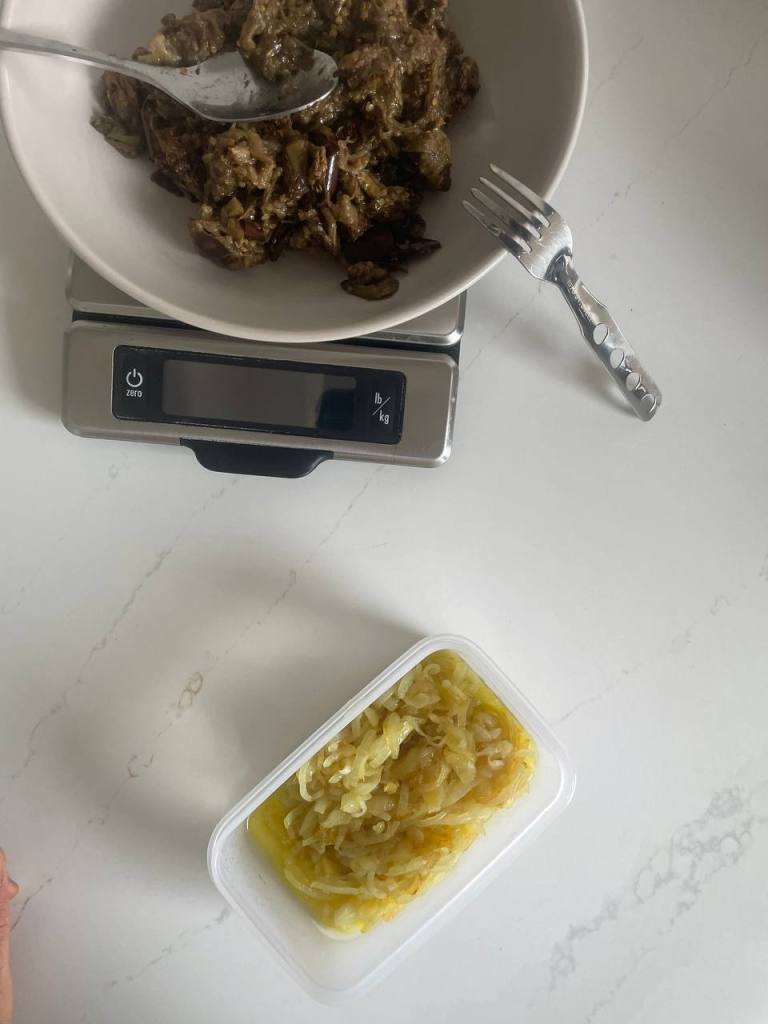
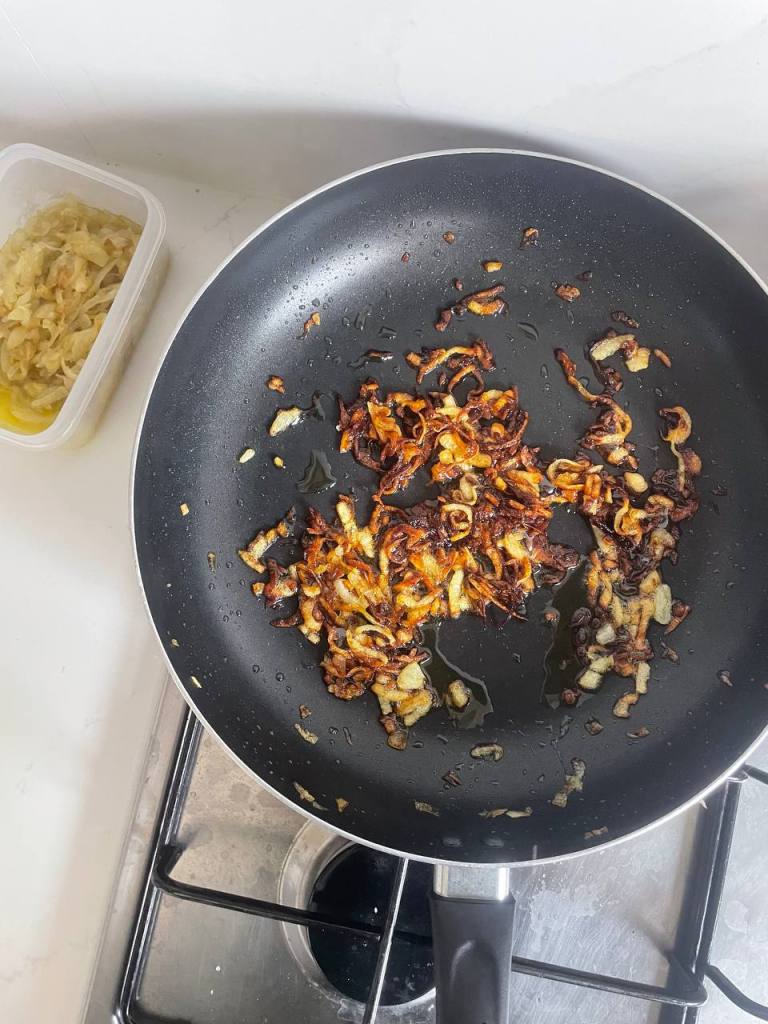
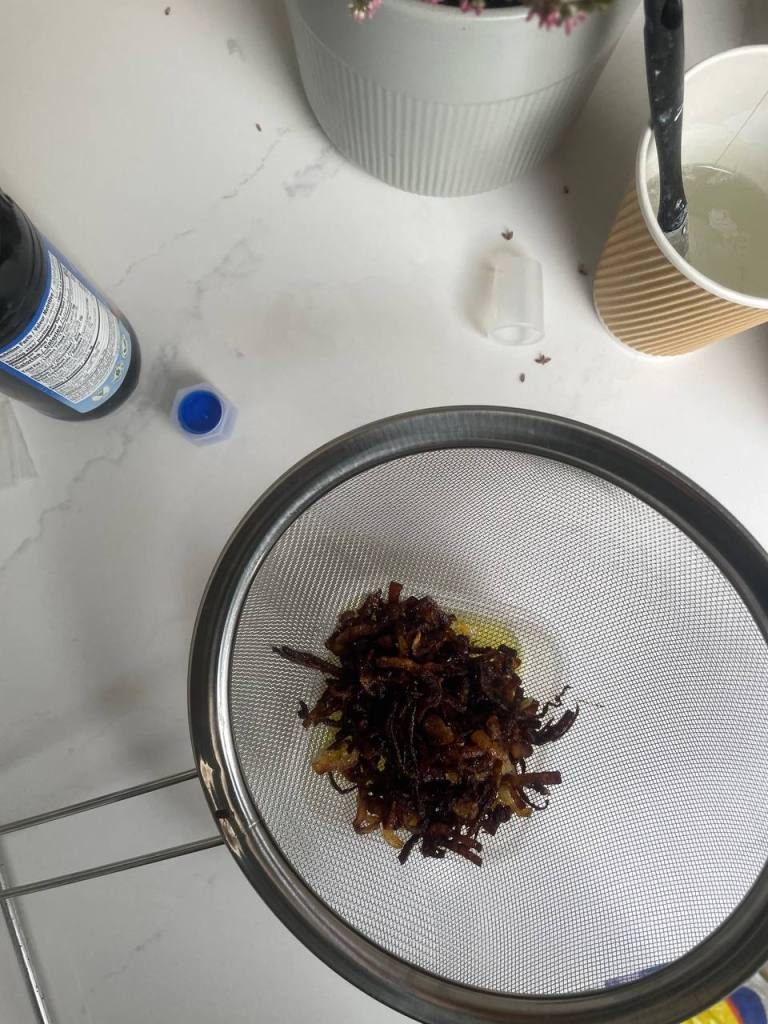
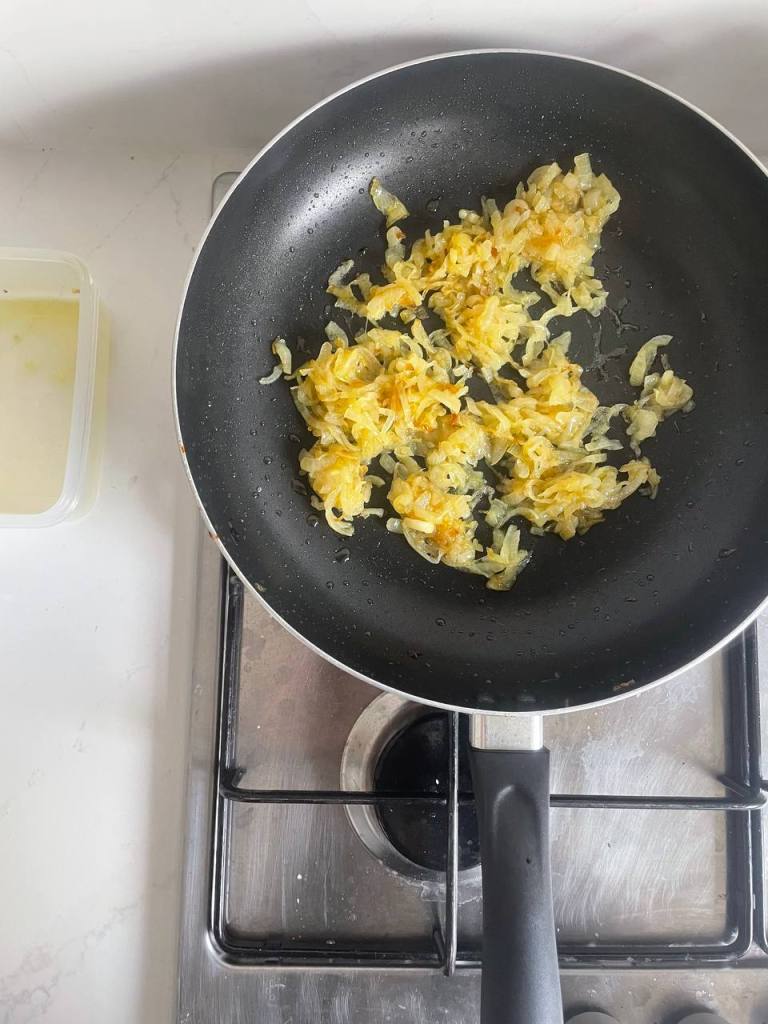
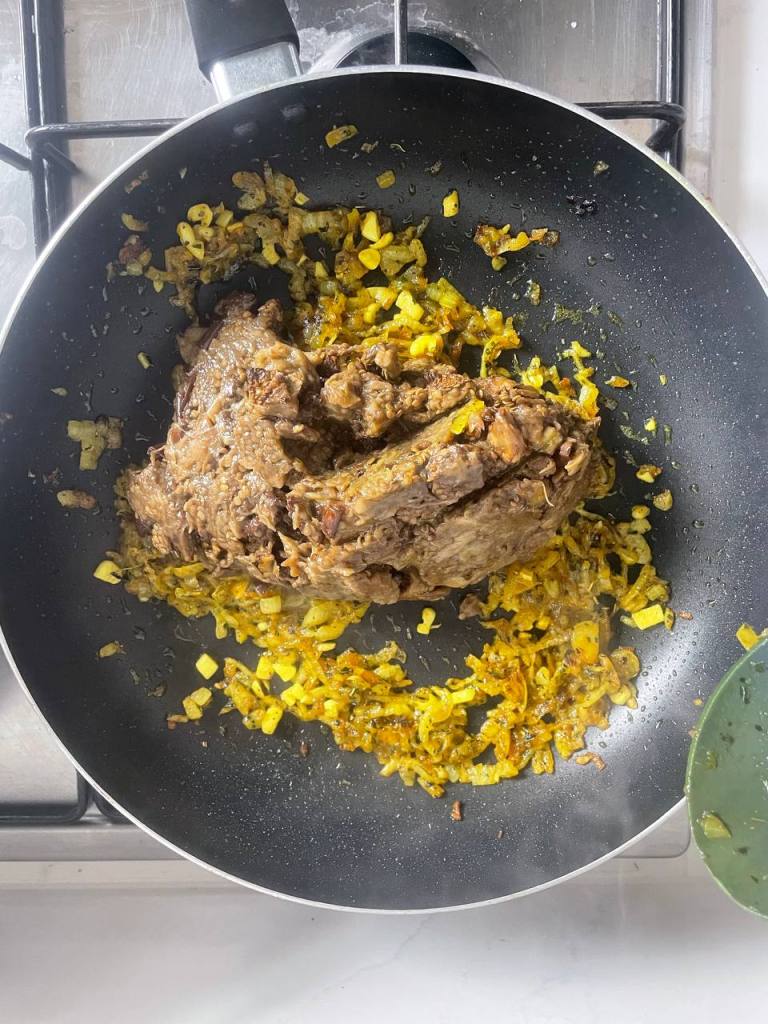
- Slice your onions and start frying them on low heat. Once they have started to look see-through, take about 70% of them off the heat. Leave the rest to cook slowly until fully caramelised (but NOT burnt). Remove them and let them drain. We will use these for the garnish at the end
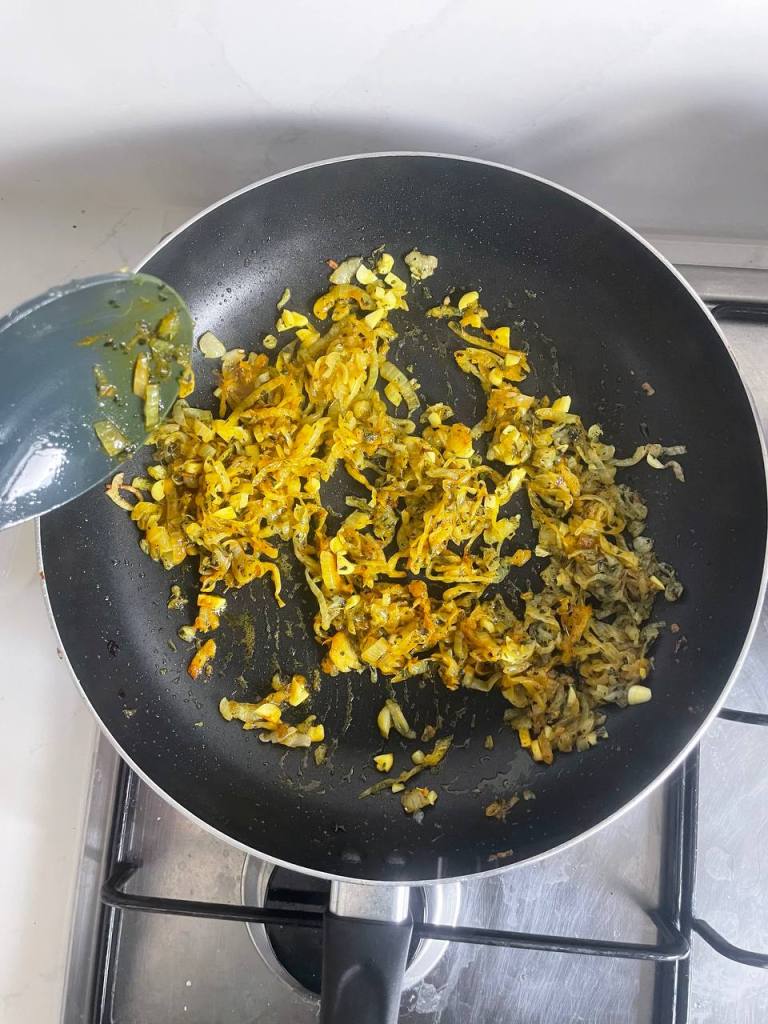
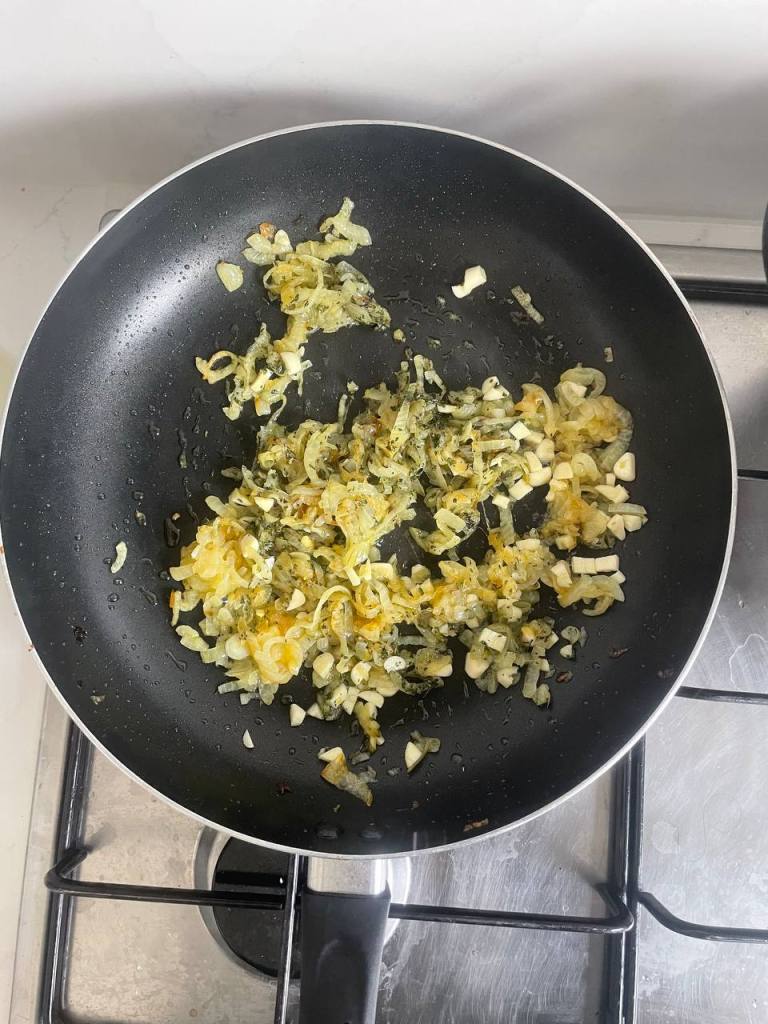
- Put the other onions back in the pan7, add turmeric, and the minced garlic cloves and cook a bit further until the onions start to brown.
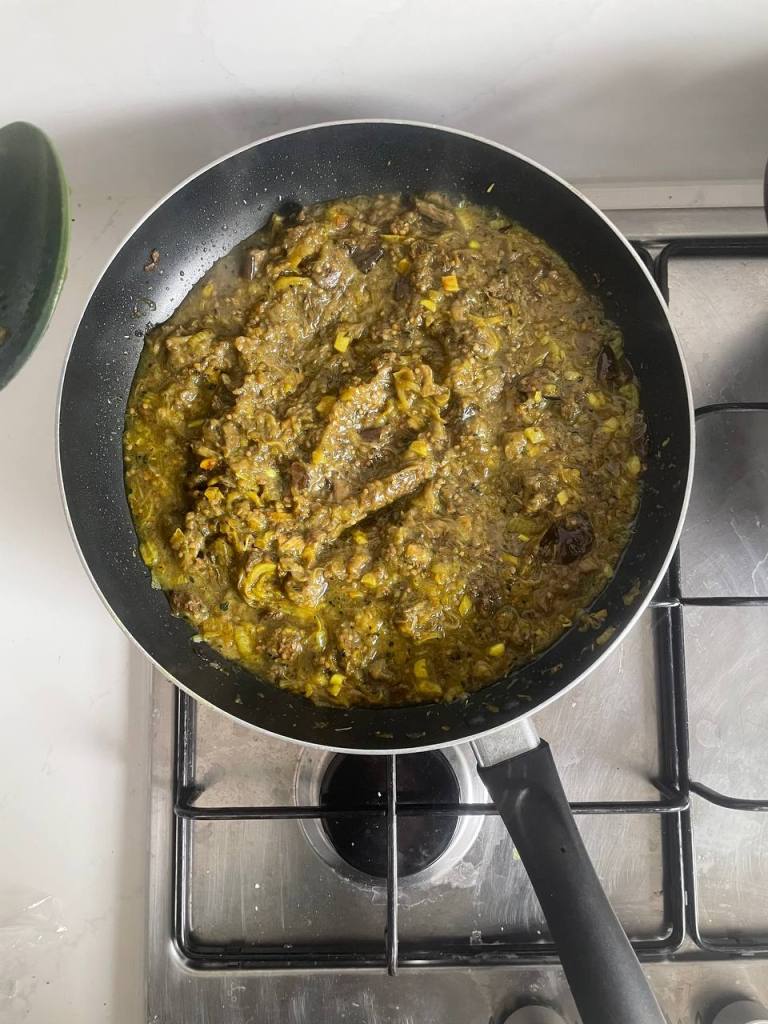
- At this point, add the eggplant flesh and mix thoroughly, then add about a cup of water and make sure that it spreads evenly throughout the whole mixture.
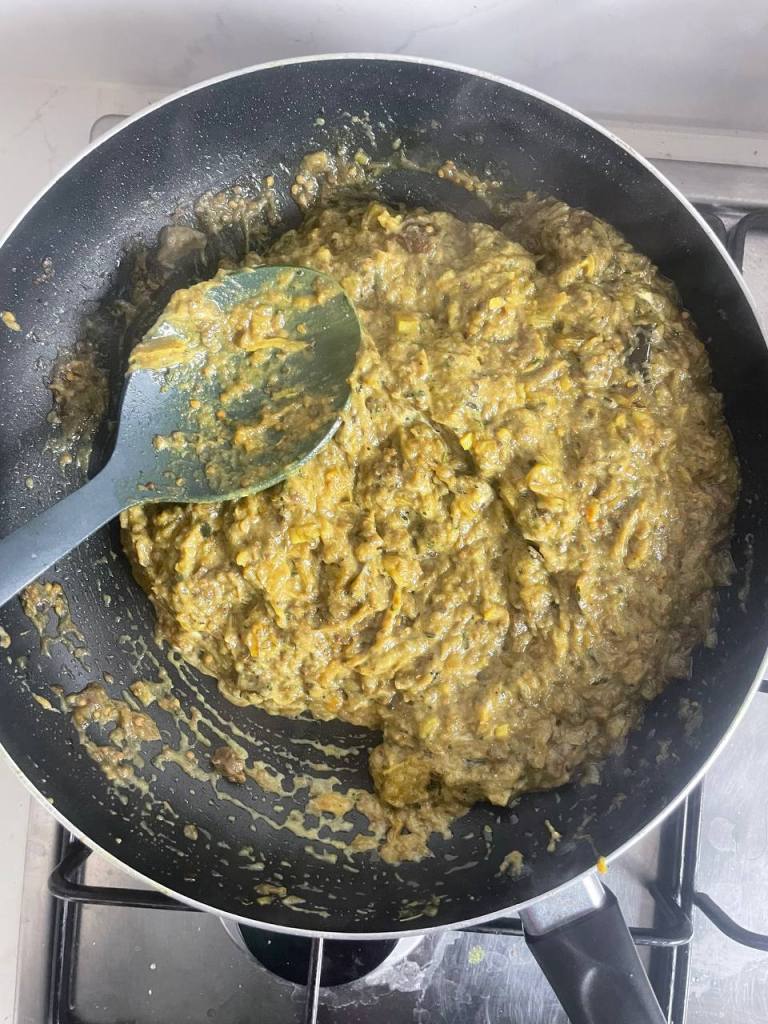
- Lower the heat, cover with a lid and let the mixture cook slowly. Every once in a while keep mixing to ensure that the eggplants and onions are all one mushy mixture. Salt to taste and then remove from the heat.
- Add a few tablespoons of kashk (Iranian whey8) to taste, and mix throughout
- In a separate pan, cook some dried mint in olive oil to infuse the flavours together
- Upon serving, plate the eggplant dip, then add a few dollops of kashk on top, pour a few teaspoons of the infused oil, and then garnish with a few walnut and the caramelised onions
The Experience
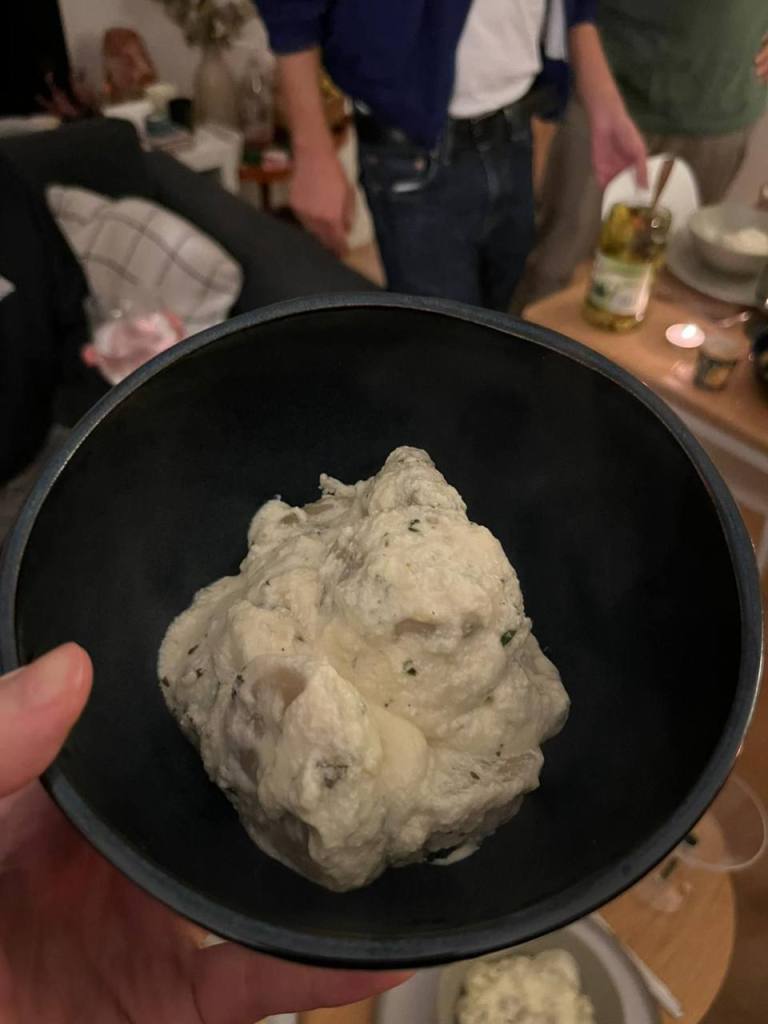
On the Saudi side, we had saleeg, a lovely rice dish where the rice has been cooked in milk and broth. My companion decided to add two non-Saudi dishes to the mix: shish barak9, which are meat dumplings cooked in a yoghurt sauce and fattoush, which is a tangy leafy salad.
I loved all the dishes. I found the rice from the saleeg to be quite creamy, but without being too heavy like in Hijazi corner. The fattoush added a freshness to the overall meal that my marinated olives couldn’t, and the shish barak was a flavour bomb.
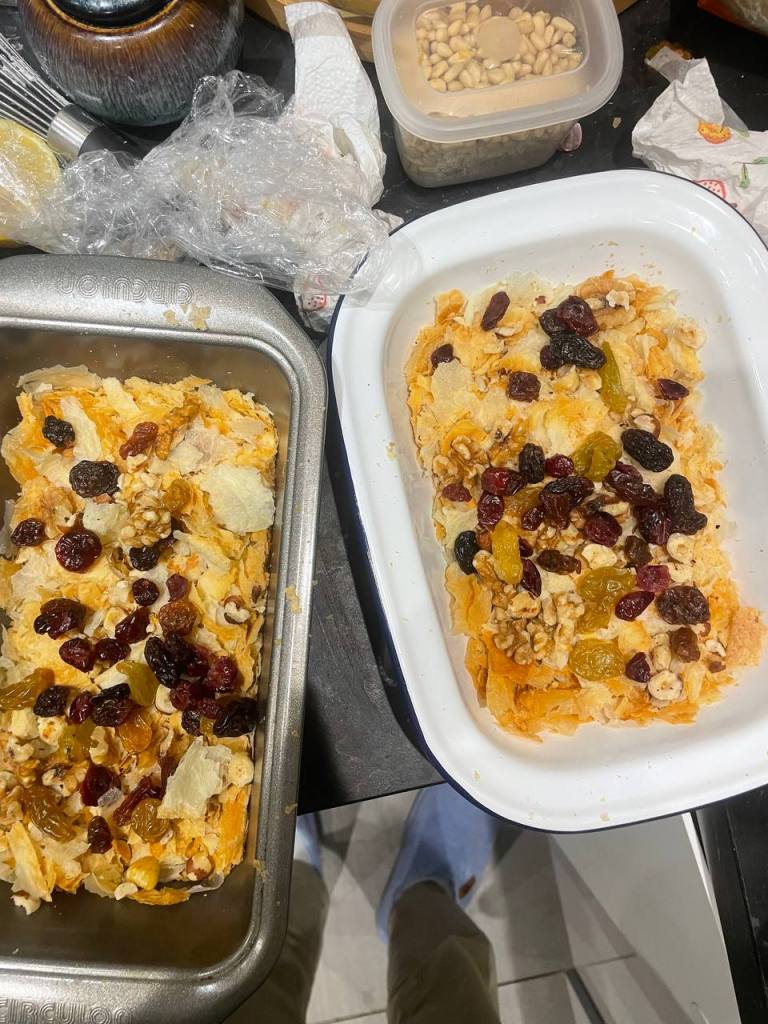
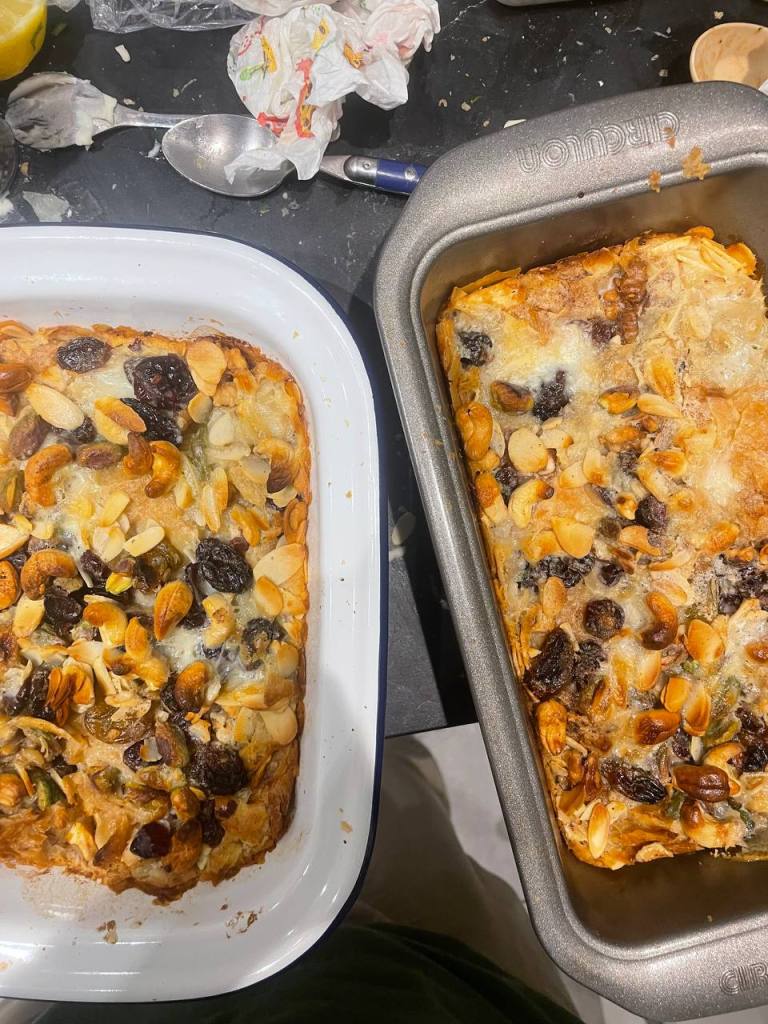
However, the dish that took the cake for me was the Om Ali, a bread pudding that was cooked to perfection. I loved it served alongside kaymak (clotted cream), and also my companion’s (arguably rogue) creative choice to add cranberries to the mix.
I will definitely be making it myself as it is a super nutritious carby dessert – perfect for fueling after long workouts!
- In total we had a decently international group: Iranian, Saudi, Irish, German, French, Japanese, Scottish and Colombian! ↩︎
- My advice would be also rinse them. I didn’t and felt like the dish had too much of the taste of the olive brine. ↩︎
- Ideally get seedless eggplants for a smooth texture. I had seeded ones, but the resuklt ↩︎
- When scoring, be mindful about going too deep. It makes scooping out the flesh harder at the end ↩︎
- Note that many fry them instead, which can be quite tasty. I tried it oven baked to see if I can make it healthier and was super impressed with the outcome. ↩︎
- I didn’t at first and they were getting dry at the top ↩︎
- But first: make sure that it is completely particulate free… we don’t want any burning from the caramelised batch of onions ↩︎
- Sometimes sold as “soup sauce” ↩︎
- I always associated this dish with Palestine/Lebanon, but it appears that it’s origins can be traced back to Persia! The dish is also prepared in Hejaz. ↩︎
 Tsunami's Hungry
Leave a comment