
This year has been full of triumphs and challenges, and as with any year, fully deserving of thorough reflection… so I thought what better way to do that than by going over the months in food?
- January: A New Horizon
- February: Deeper Connections
- March: Home
- April: Adulting
- May: Family
- June: Intoxicated
- July: Let Me Live My Life!
- August: In Anticipation
- September: Aventura!
- October: New Beginnings
- November: Probation
- December: Divine Grace
- Happy New Year!
January: A New Horizon
January defined, in many ways, how my year was going to look like: I committed to my trip to Peru, and to improving my relationship with my family. In many ways, the former was a commitment to myself, and the latter a commitment to others. It was also during this month that I pictured what I wanted my home to look like.
Food wise, a rather quiet month, but not void of new experiences:
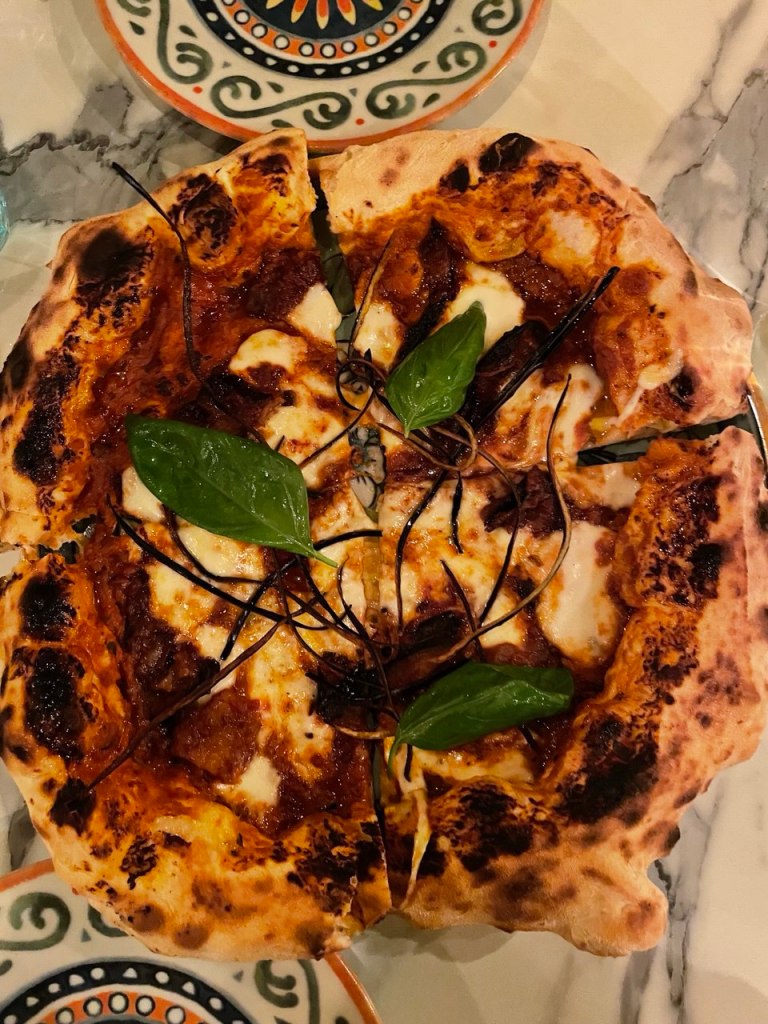
- Tried a parmigiana pizza from Vasiniko which was unique in using julienned aubergines, leading to an intense caramelised flavour
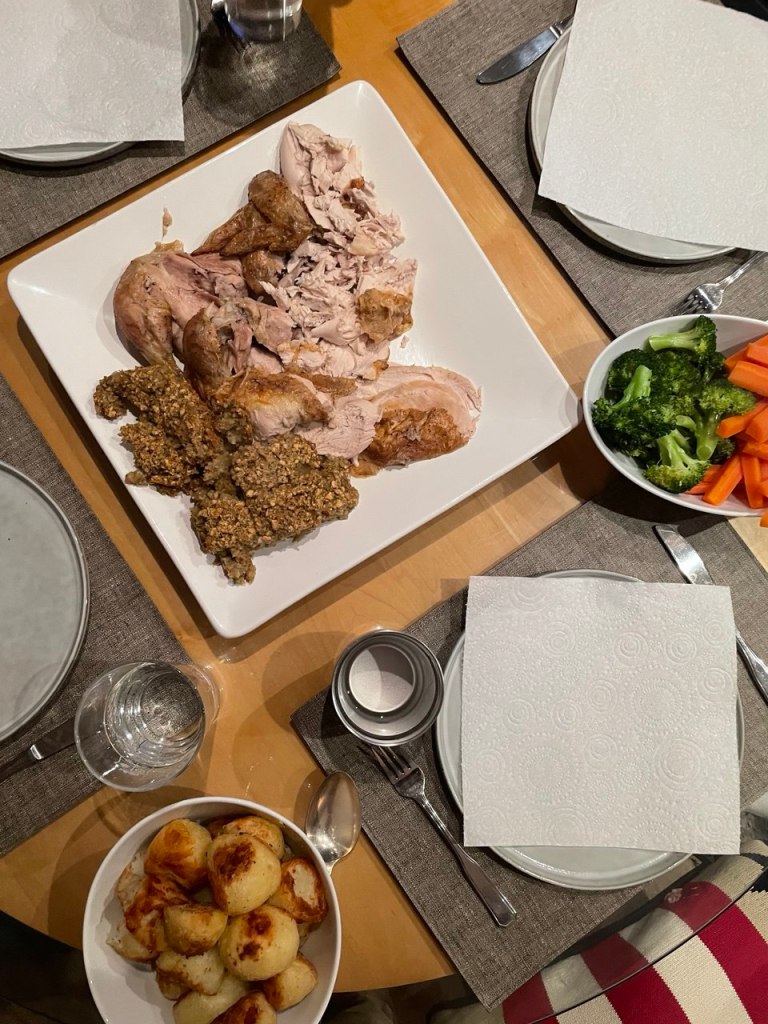
- Got treated to a Christmas roast hosted by my flatmate Olivander which featured near perfect potatoes – inspiring a dish I made in Feb
- I had a spectacular honey, caramelised onion and goat cheese pizza from Sodo Pizza



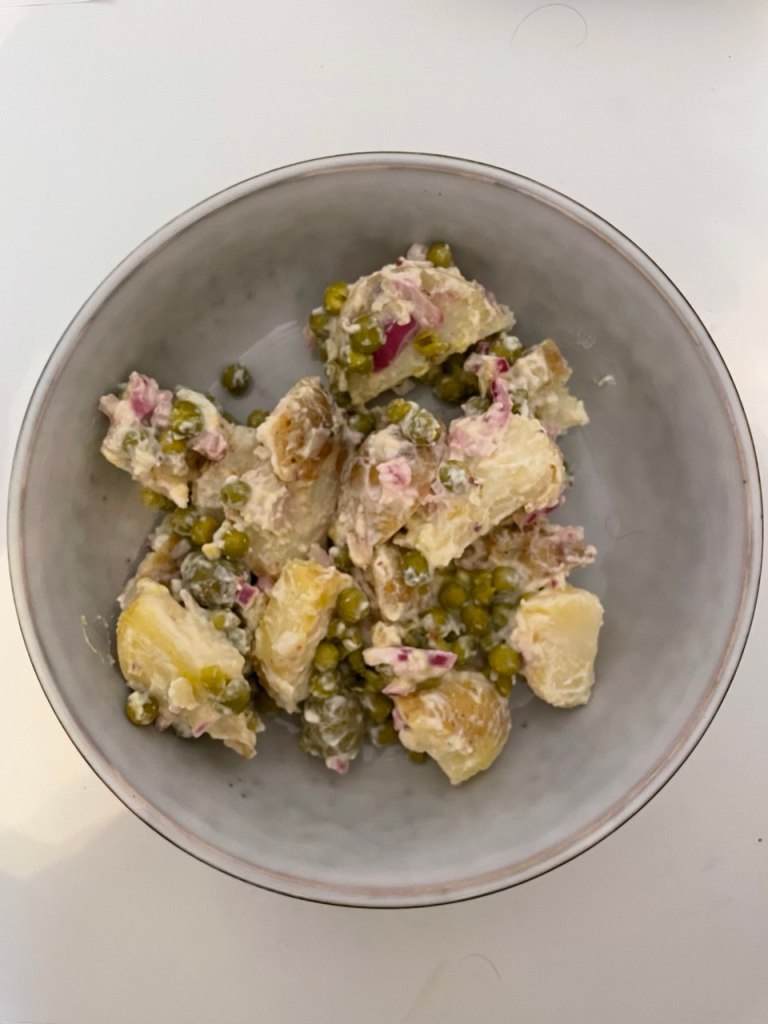
The recipe I’ve selected to share from this month is Karoffelsalat
Kartoffelsalat
The recipe I used was inspired by this one from ChefKoch. Instead of using mayo, I went for FAGE 0% Greek yoghurt to make it healthy. I added olives for more acidity, and salt-pickled the onions before hand. I also added peas, as I thought they’d add a nice flavour (which they did!). I cut the pickled gherkins out, and didn’t use any stock.
Ingredients
- FAGE 0% Greek yoghurt1
- Green olives
- Garden peas
- Red onions
- Potatoes
- White wine vinegar
- Salt
Preparation
- Boil the potatoes (you can peel them beforehand if you like) and then cut them up into cubes
- In the meantime, finely dice your onions and salt them, letting them sit so that they can pickle. This reduces their sharpness and enhances flavour. You can optionally discard the leftover juice
- Mix in yoguhrt with white wine vinegar
- Add all the ingredients to a bowl, add the yoghurt mixture and stir thoroughly. Salt to taste and enjoy
February: Deeper Connections
February was special because I got much closer to my siblings, and it felt that I was making up for a lifetime of distance. I bought many books and read a lot, and I made some very good fashion choices.
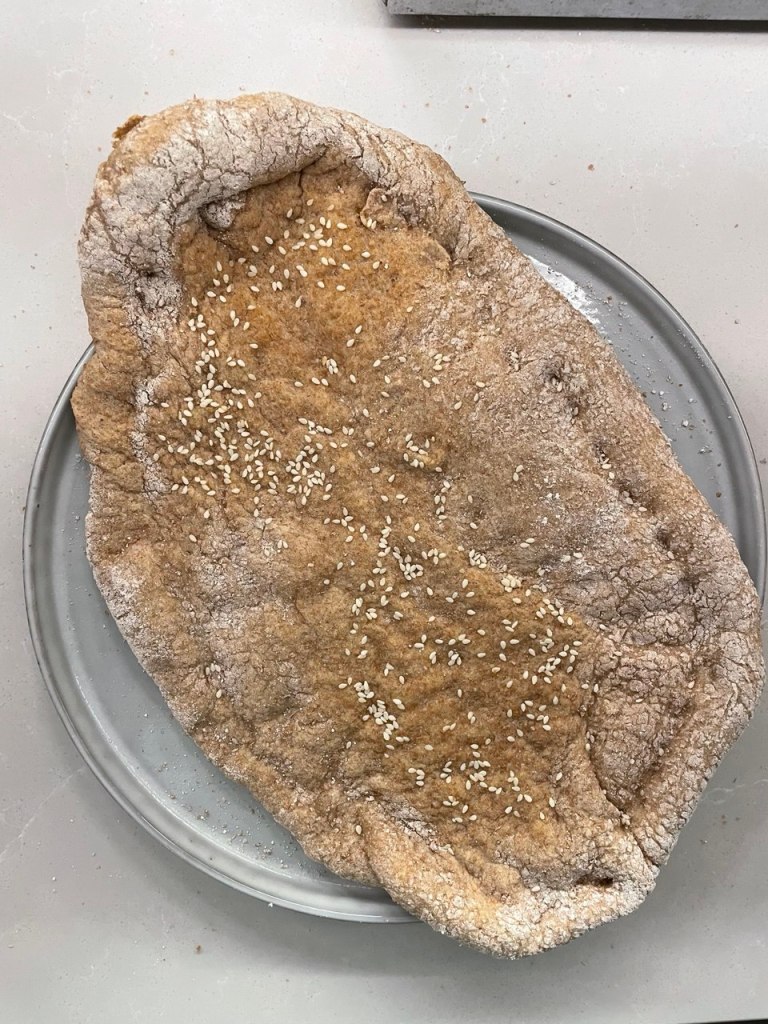
Food wise, I dipped into Afghan cuisine again, resulting in another unsuccessful attempt at making Barbari bread, and a mildly successful halva.



The recipe I’ve selected for the month is one that I cooked with and for my siblings.
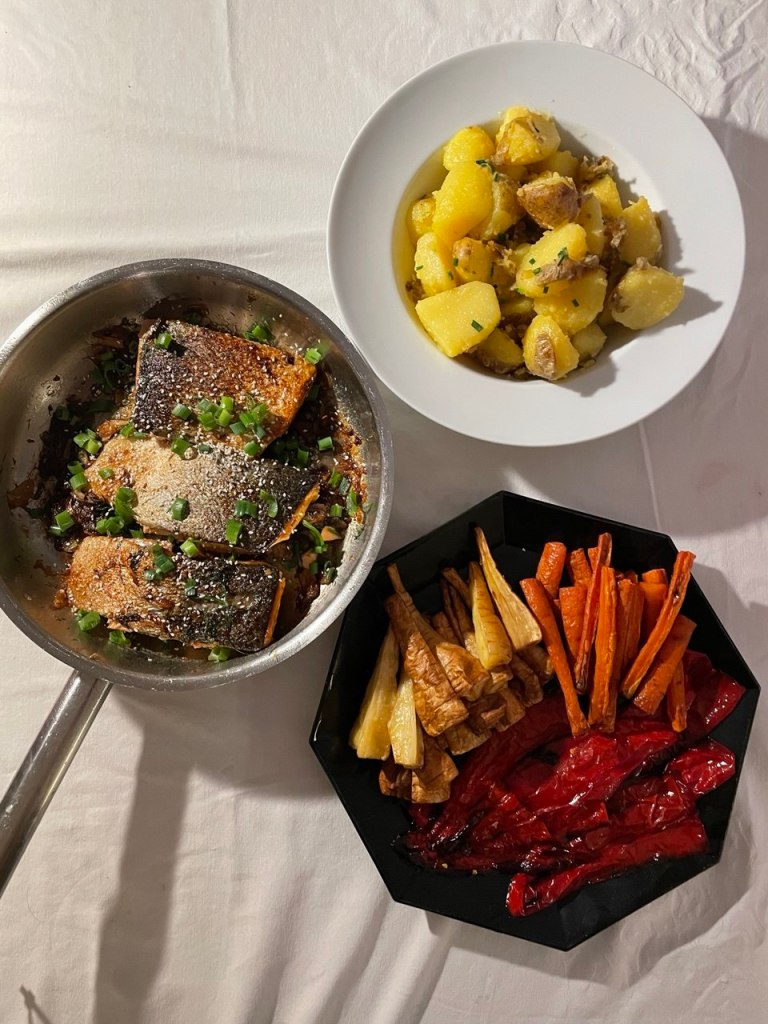
Tsunami’s Salmon
The recipe for the salmon is primarily based on a youtube video I watched ages ago titled honey garlic butter ginger salmon. I’ve made some modifications to it to get it to my taste. The potatoes were inspired by the ones my flatmate cooked for us back in Jan, though I couldn’t get mine to be as nice! The roast veggies were there to add more depth to the meal, and I must admit that they turned out spectacular in the air fryer (something that I hardly ever use). If I were to make this again, I’d probably skip the spring onions, and use tapioca or cornflour instead of flour for the potatoes to get them nice and crispy.
Ingredients
For the salmon:
- salmon
- coconut oil
- ginger
- garlic
- butter
- honey
- sesame seeds
- soy sauce
- spring onions
For the potatoes:
- potatoes
- butter
- chives
- salt
- flour
For the veggies:
- olive oil
- parsnips
- carrots
- peppers
- salt
Preparation
Salmon:
- heat the pan and add some coconut oil to the pan, then place the salmon skin down. Reduce the heat and let it cook until the skin becomes crispy. Then flip the salmon and do the same on the other side
- In the meantime, grate ginger and lemon peel, and mix them with puréed garlic, soy sauce and honey. Once the salmon skin has become crispy, pour the sauce on top and immediately turn the heat off. This step is critical as you may risk burning the soy sauce. Add some butter to the pan and baste the salmon
- Upon serving, garnish with sesame seeds and spring onion
Potatoes:
- Boil the potatoes and then chop them. You can optionally peel them but I like them with the skin
- Coat with starch and let cool
- Shallow fry in butter, and at the end garnish with chives
Veggies:
- Slice you veggies thin and long
- Season with salt and olive
- Bake in the air fryer
March: Home
March is when I attempted to learn Spanish by listening to Cesar’s free podcast. This motivation peaked when I overcame my fear to speak Spanish at the Peruvian consulte for my visa appointment, after which it was very quickly drowned by the busyness of life. My trip to Dubai saw me pushing the boundaries of my cooking, taking climbing more seriously, and realising that I want to write! Since then I’ve been seriously committed to my one article a week promise.
Food wise, March was mad:
- Enjoyed flavourful lamb dishes
- I fell in love with pickled beetroot at tashas
- I tried forbidden fruit
- I hosted a Iranian-Spanish Iftar experience
- I discovered the wonderful Afghan caper stew
- I unsuccessfully channeled my inner Peruvian and made Arroz con Quinua (rice pudding… but with quinoa)2
- I restarted my efforts in preserving Evazi recipes
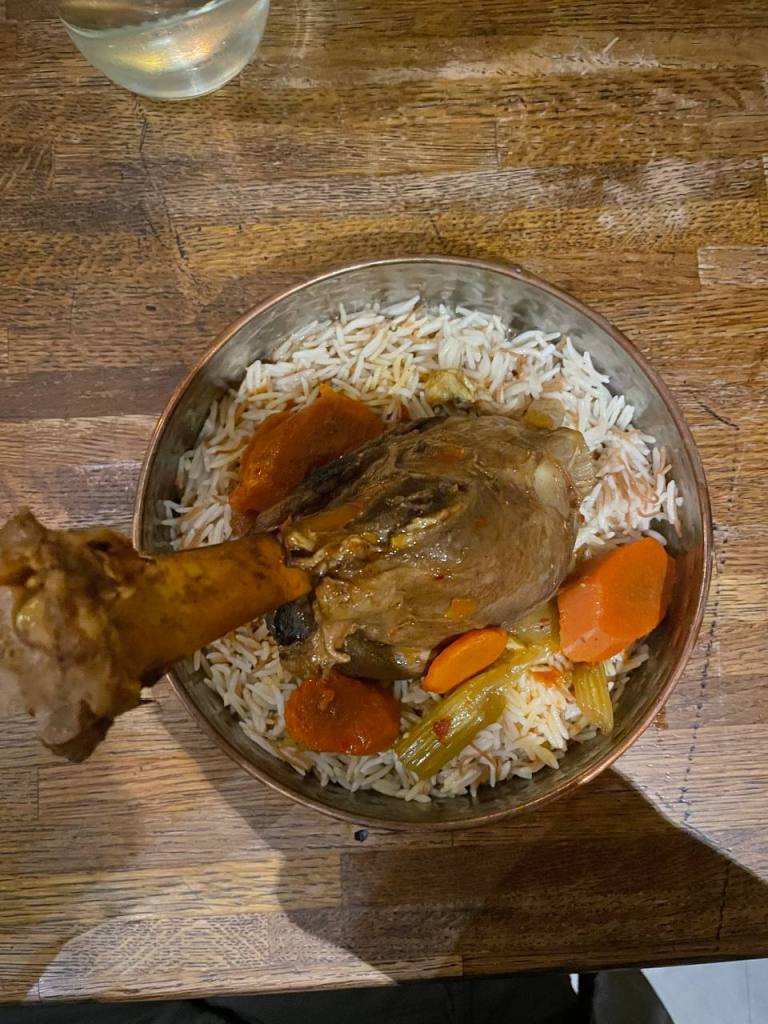
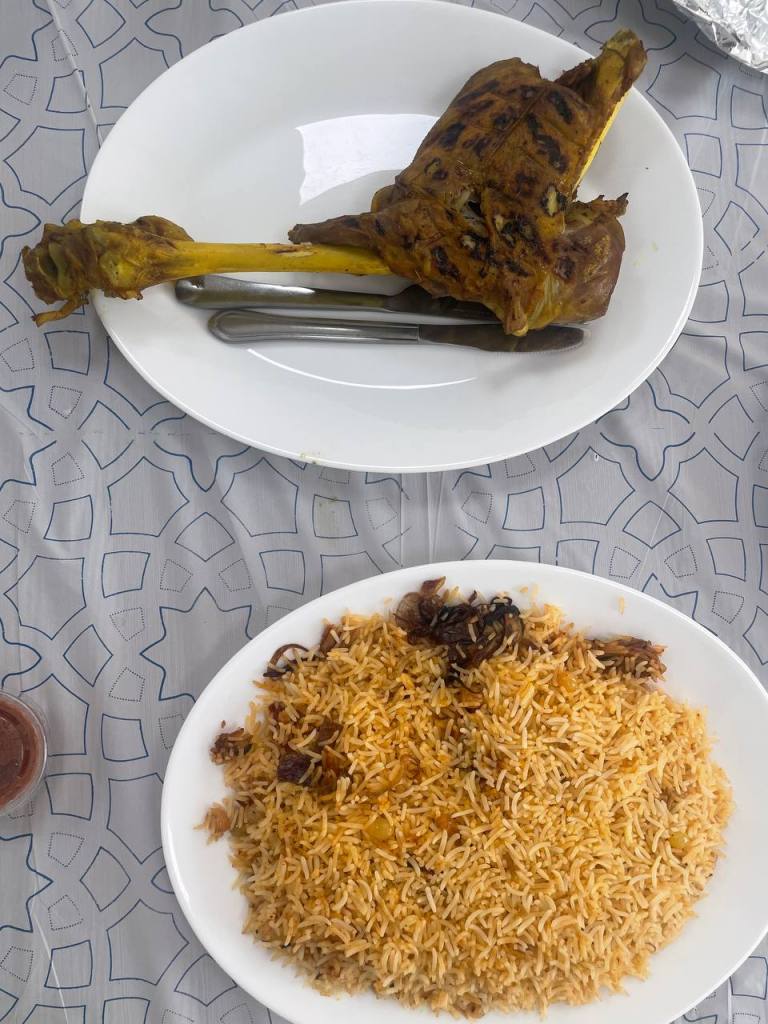

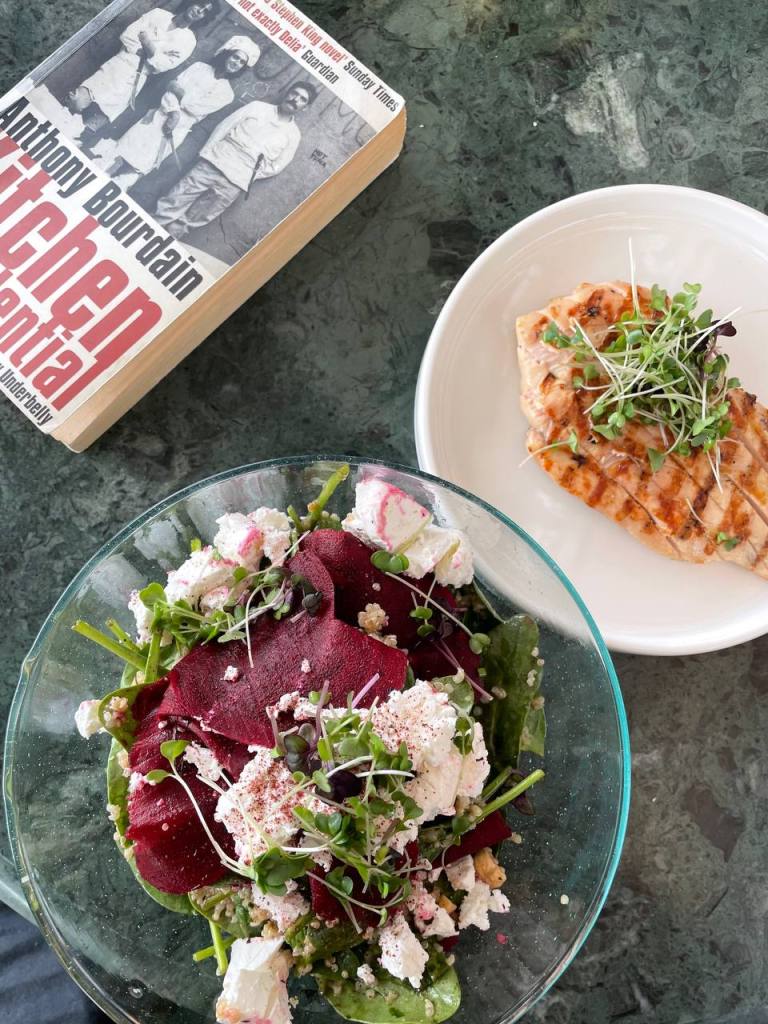
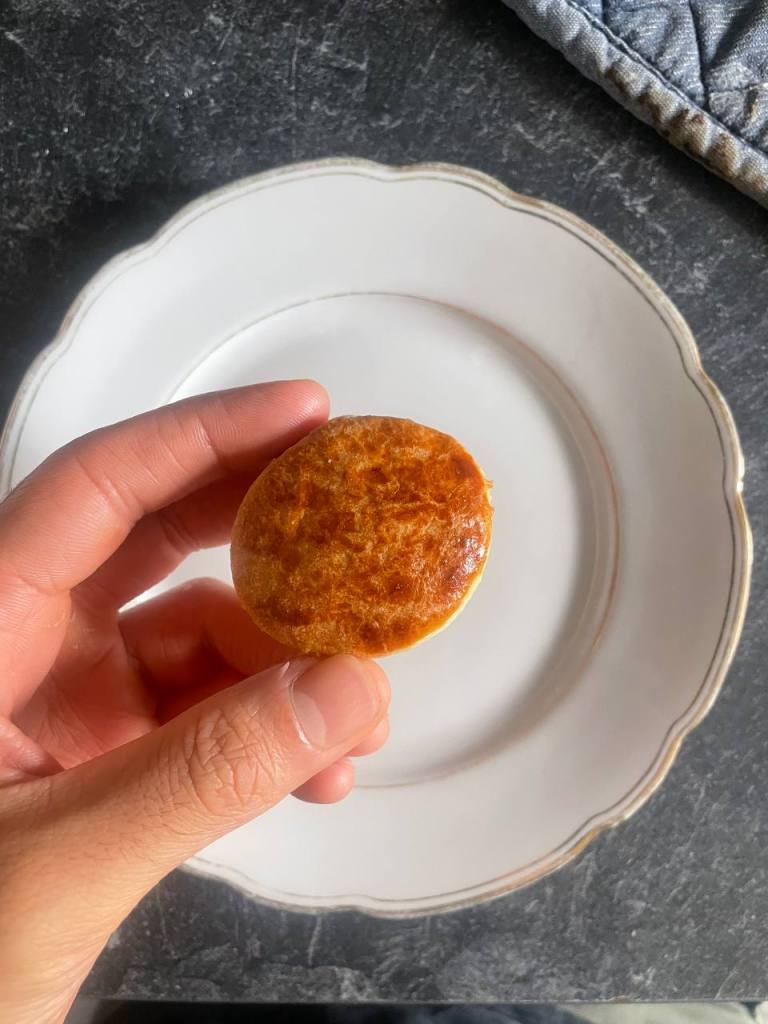
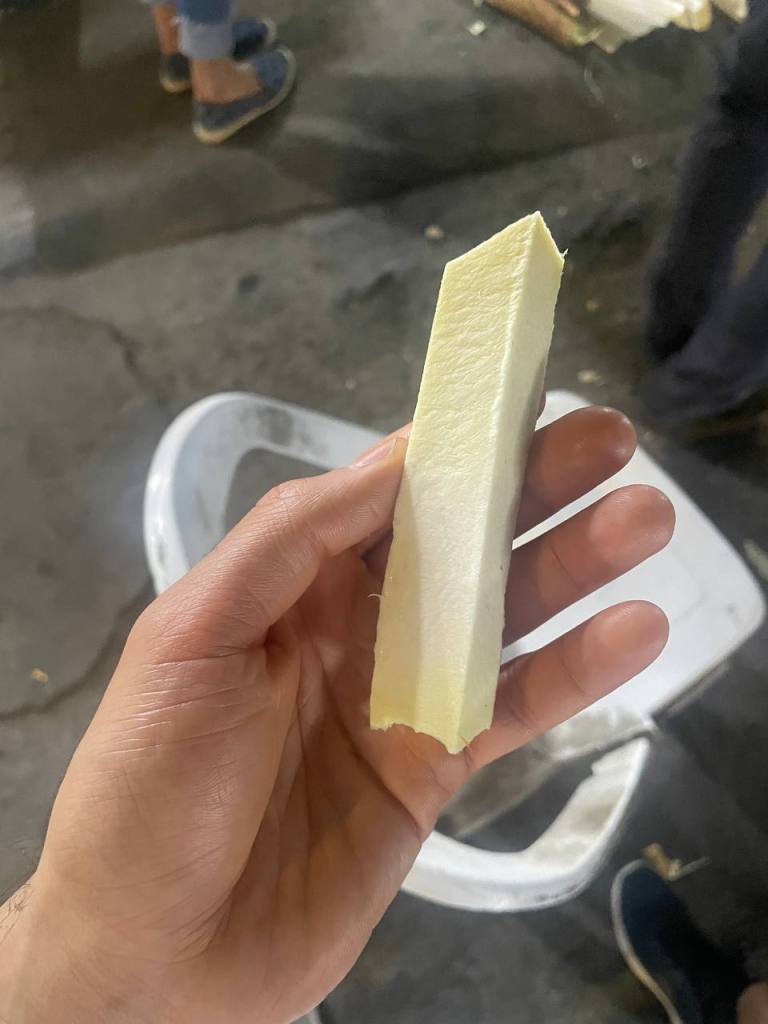



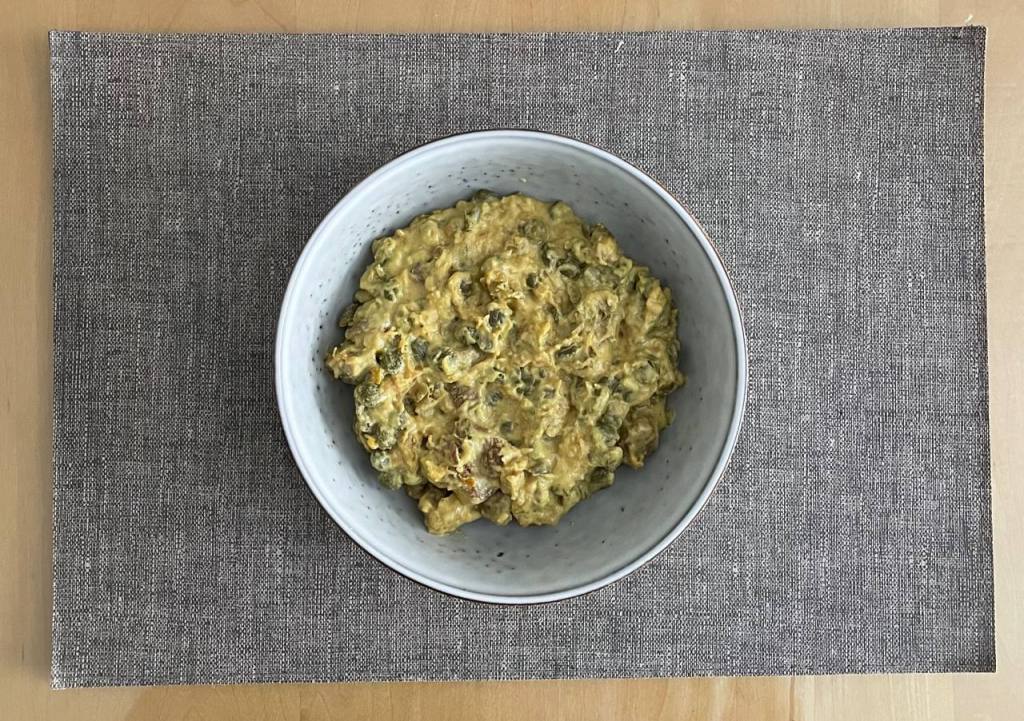
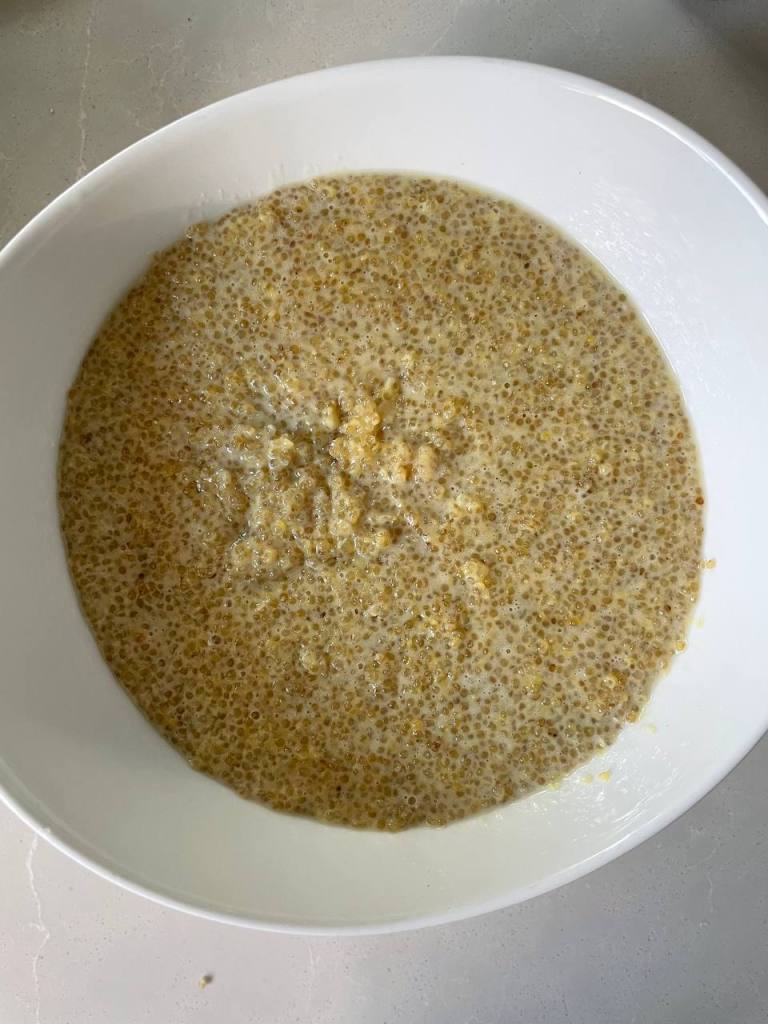
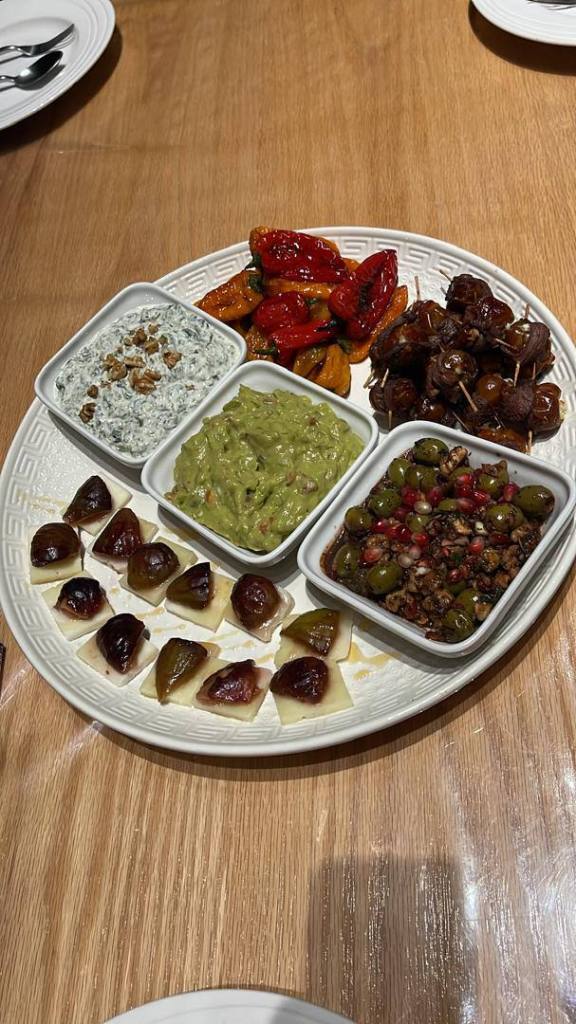
The recipe I’ve selected to share is one that featured in my Iranian-Spanish Iftar experience: Zeytoon Parvardeh.
Zeytoon Parvardeh
Zeytoon parvardeh is a delicacy and one of my favourite appetizers. It is so tangy yet complex enough that keeps you going for more. Someone I love introduced me to the concept of synesthesia, to which I responded that I’ve never experienced it. But in writing this section I’m realising that I’ve been wrong this whole time: each bite of zeytoon parvardeh is a synesthetic experience.
Ingredients
- Dried basil
- Dried mint
- Fresh mint
- Pomegranate molasses
- Pitted green olives
- Pomegranates
- Walnuts
- Olive oil
- Garlic
Preparation
- Crush the walnuts and the garlic, then mix them with the dried herbs and roighly chopped mint. Mix thoroughly
- Add pomegranate molasses to it, and then the olives. Mix thoroughly until well combined, then add salt and olive oil to taste
- Sitr in the pomegranates3, and then let marinate in the fridge overnight
- Enjoy and love life!
April: Adulting
April was a month of great change for me, and I had to adult in a few specific ways. Looking back it was a significant part of the last year, but there is still much more maturity left to do! Other than that, I partook in the London Landmarks Half Marathon which was great fun.
Food wise, April was fun:
- I tried fideuà at a family friend’s for the first time. This is an intensely flavourful paella made with vermicelli
- I enjoyed lots of Mantu
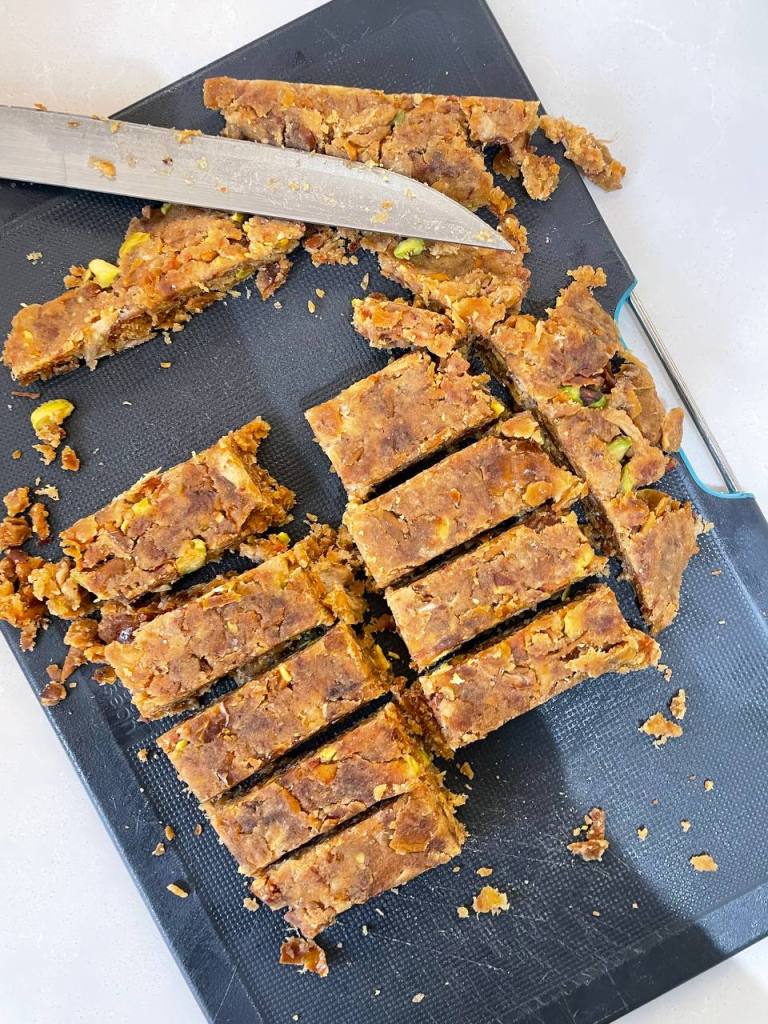
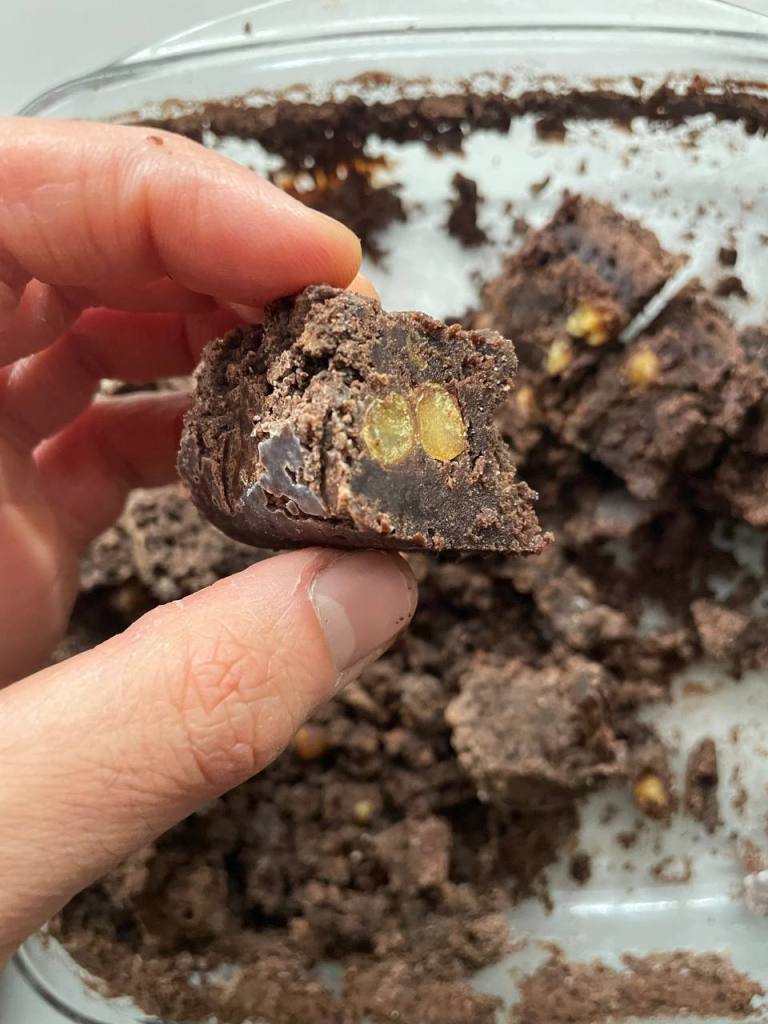
- I turned a failed Evazi food recipe into energy bars
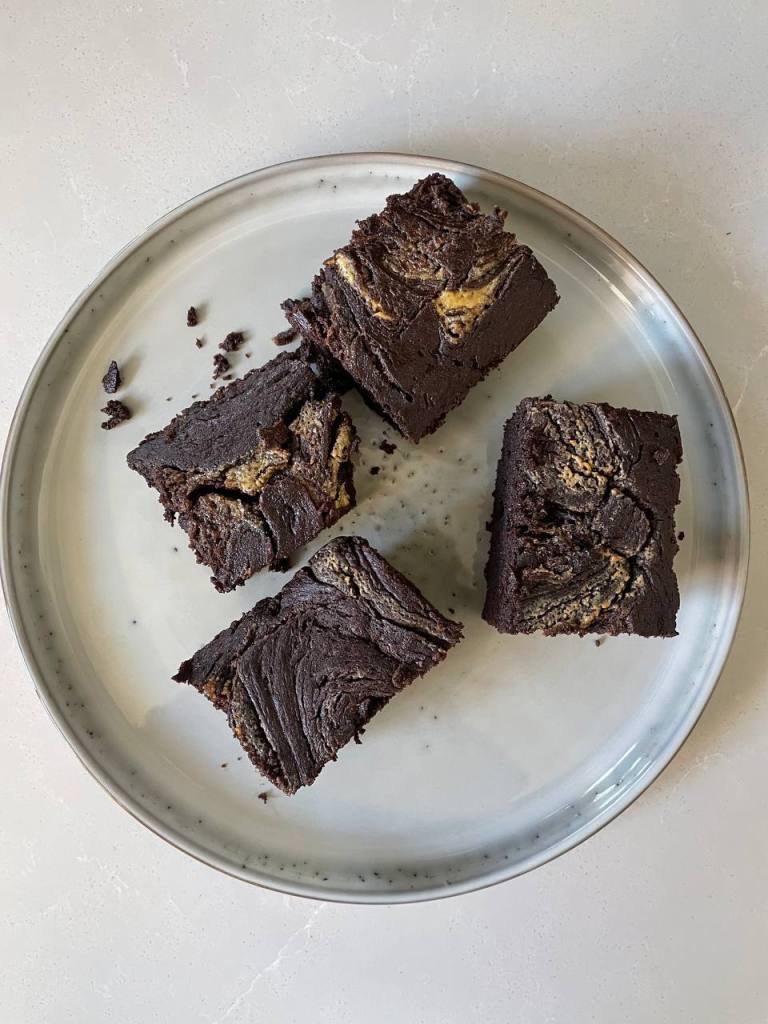
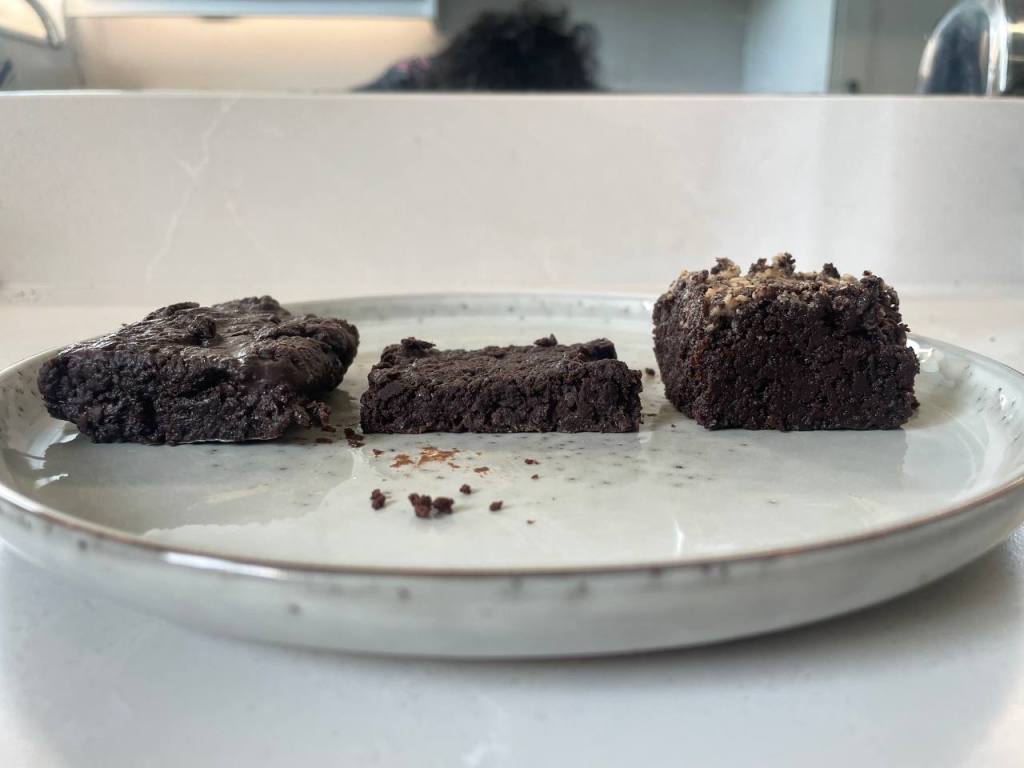
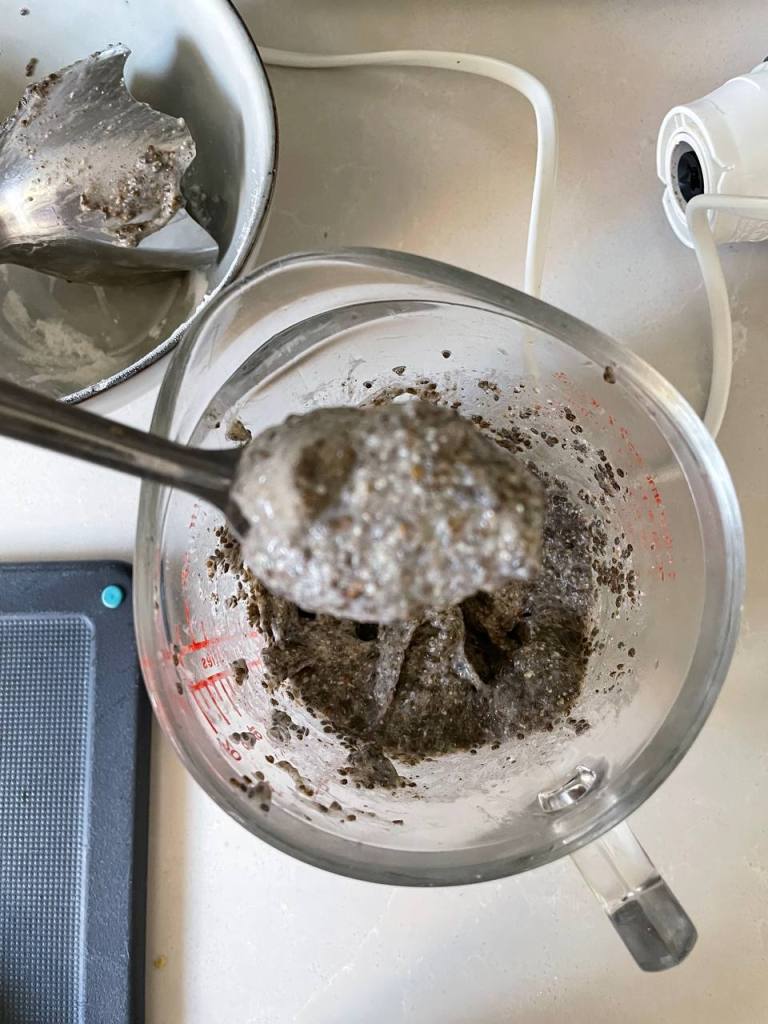
- I experimented LOTS trying to veganise my favourite brownie recipe
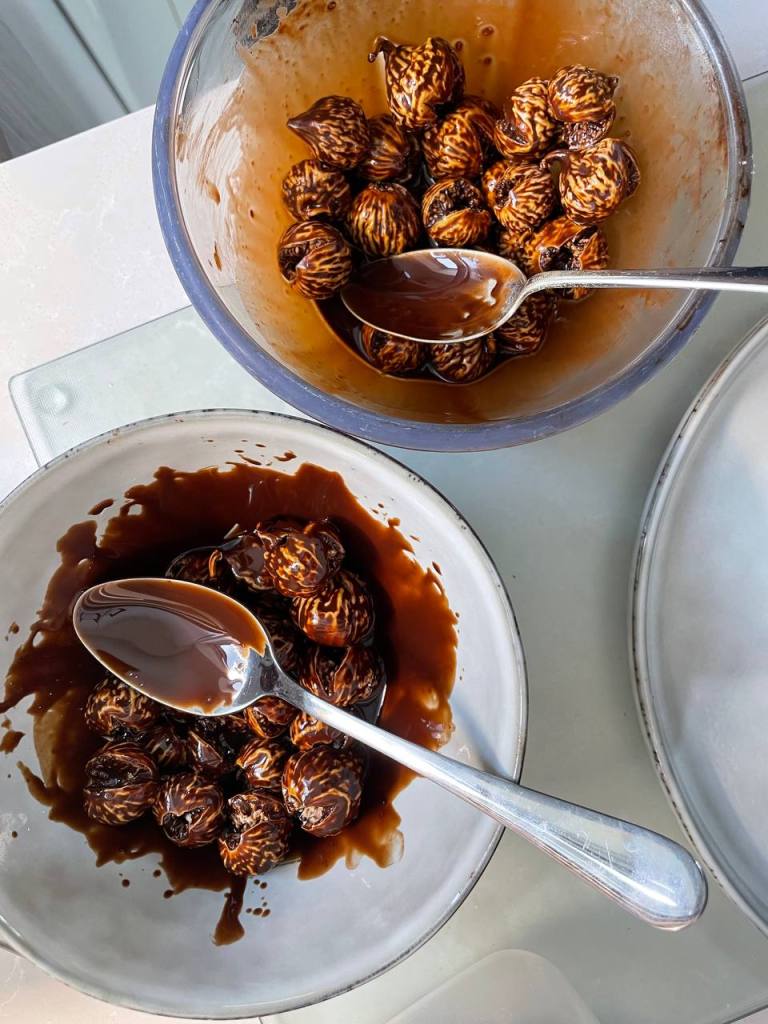
- From which I accidentally discovered a another treat that gives me synesthesia: chocolate coated dried figs
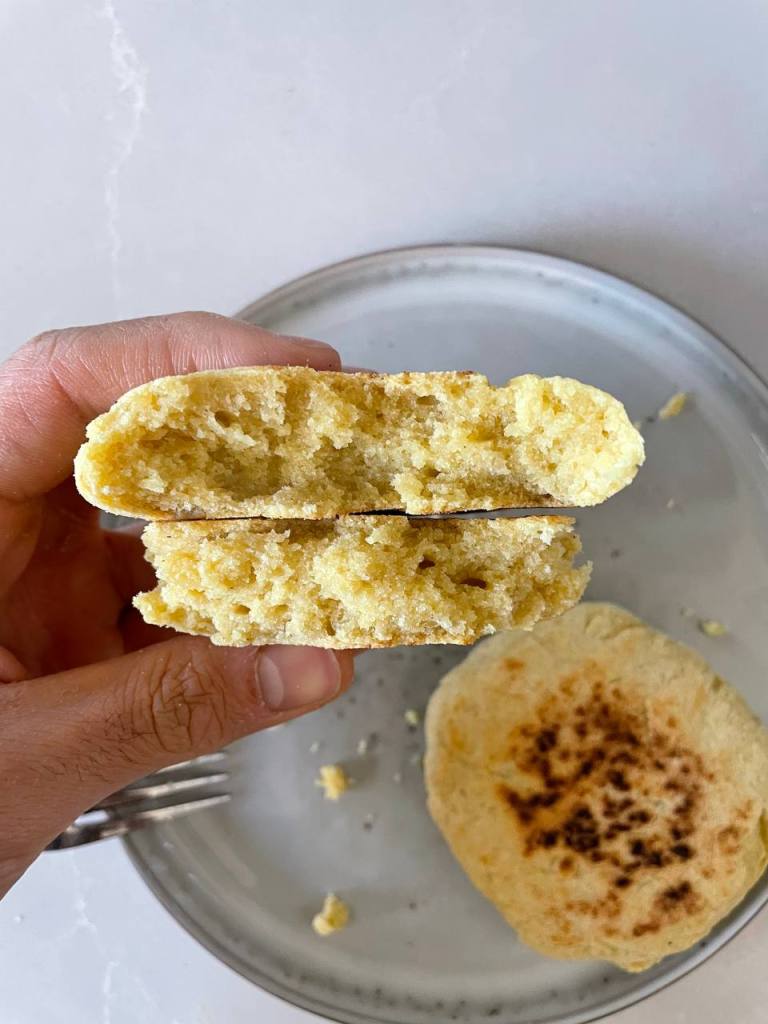
- I discovered the magical Moroccan flatbread Harcha and tried to make it using different flours or with different fillings
- I discovered walnut pickles that taste amazing!


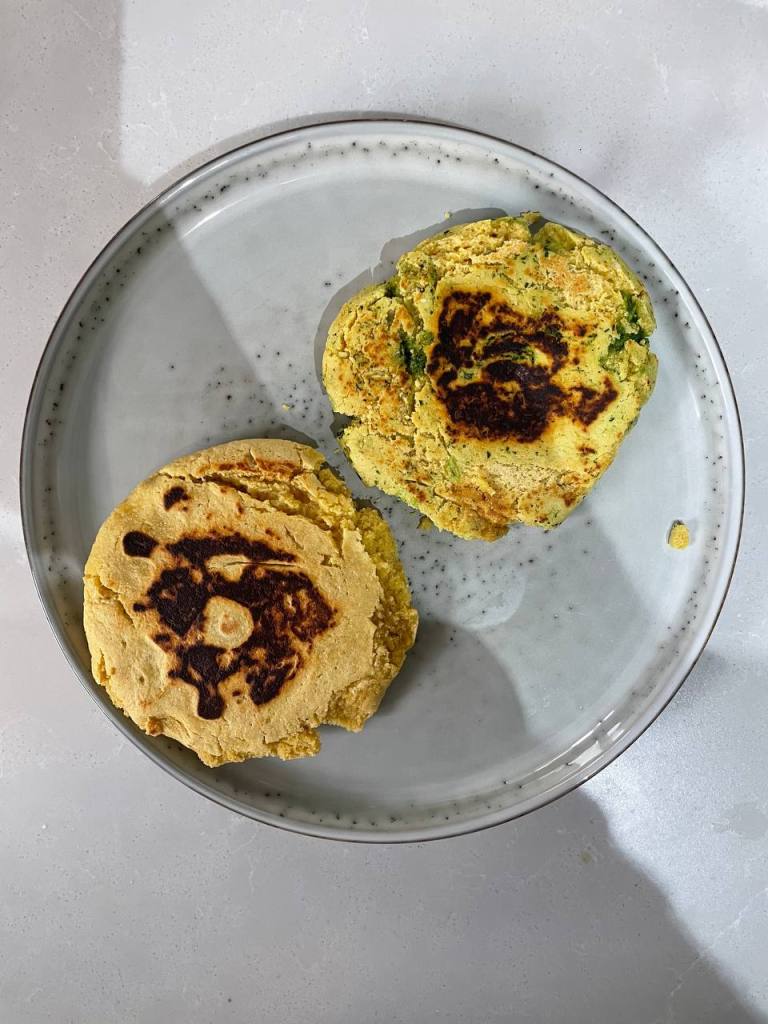
Despite all that, the recipe I’ve selected to share is one that I accidentally created, thanks to suggestions from a very ill man.
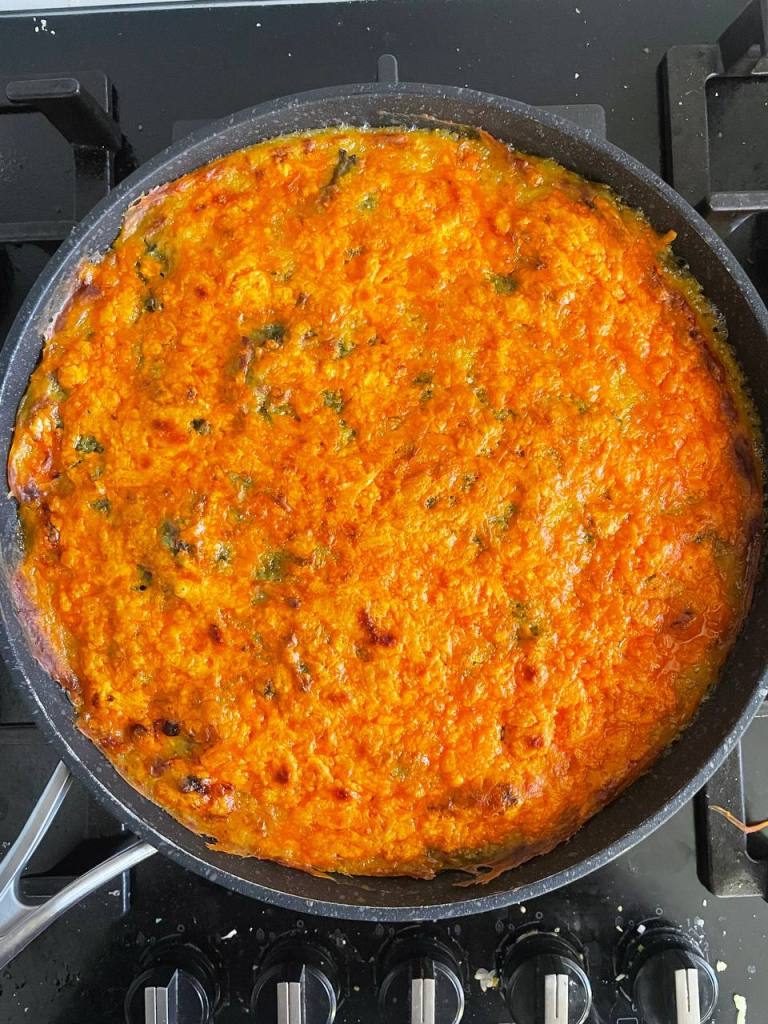
Parsniponious Pie
I was cooking a few veggies, chicken and mashed potatoes all separately, and my flatmate Ill came to try some… he suggested adding some leeks and said: “wow this would be so good in a pie!” and so since I had the components cooking separately I decided to combine them all into a pie!
The result was a lovely filling with a beautiful crust, though if I were to repeat it again I’d go with a less aggressive cheese. I would also consider adding pastry dough on top instead of going with the mashed potatoes.
Ingredients
For the filling:
- 2 paranips
- 2 carrots (juliened)
- 3 small leeks
- 5 dates
- 500 g chicken thigh
- 3 small onions
- nigella seeds
- mustard seeds
- fenugreek seeds
- chipotle chilli flakes
- dried tarragon
For the mash:
- potatoes
- red leicester
- kale
Preparation
- Cook the onions with olive oil until they turn see through, then add your spice blend
- At this stage, add the parsnips which have been cubed. Keep mixing
- Add the chicken afrer a few minutes (also cubed)
- Add a good amount of salt
- Add the carrots
- Keep mixing and once the carrots have started to soften add the leeks
- In the meantime, make mashed potato from the potatoes (with skin). I used an immersion blender.
- I added kale to it, and then some cheese, red leicester
- Then at the end, put the filling onto a base, top with the mashed potato and more cheese; then in oven at 200 for a few minutes to get the cheese to crust up
May: Family
May was special because of my trip to Italy with the family. Here I declared war on Italian cuisine and have been happier since.
Food wise, May was rather quiet:
- I started consuming matchas more regularly
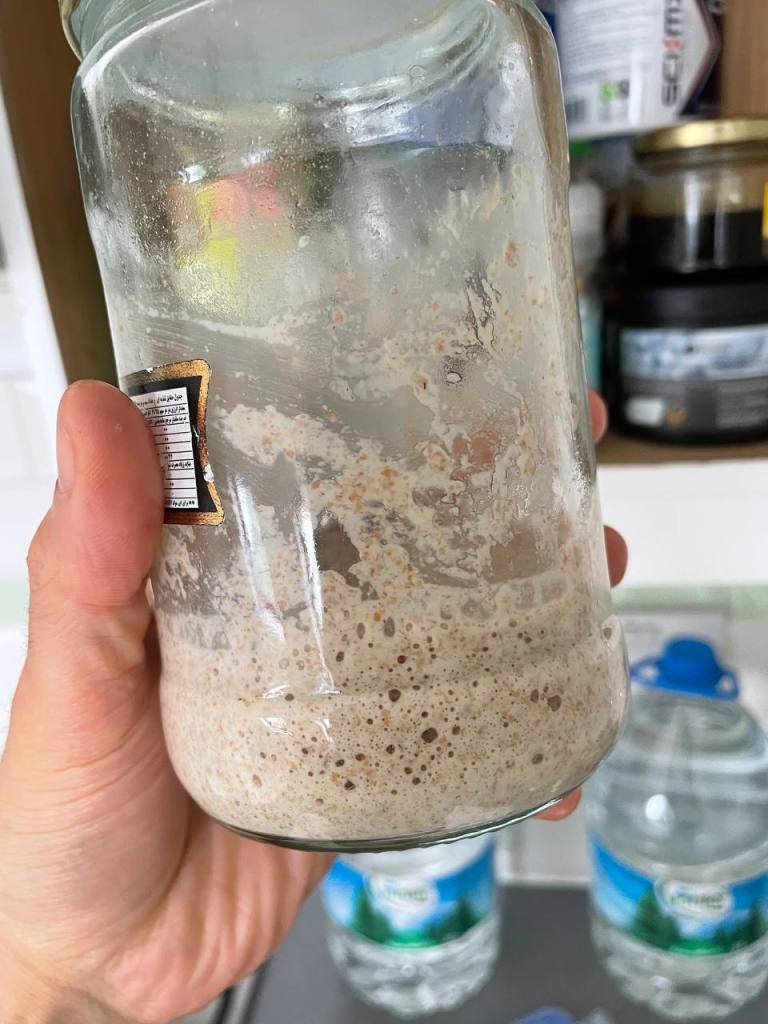
- I gave birth to a new starter, Dusty Springfelt
- I discovered bulgur
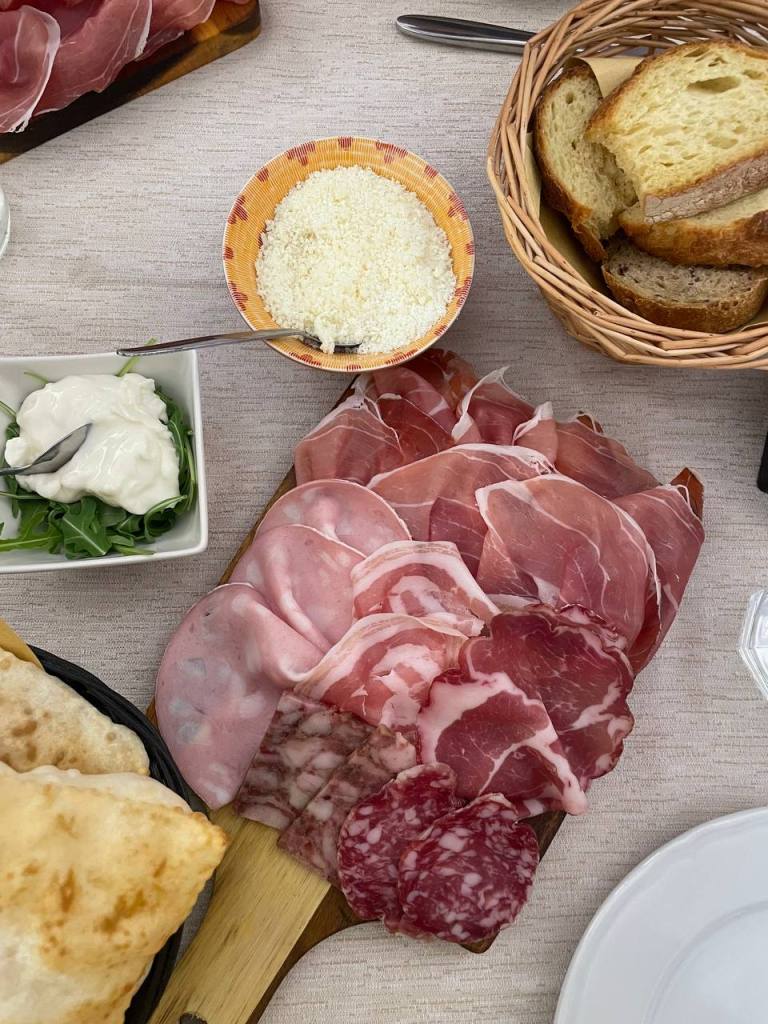

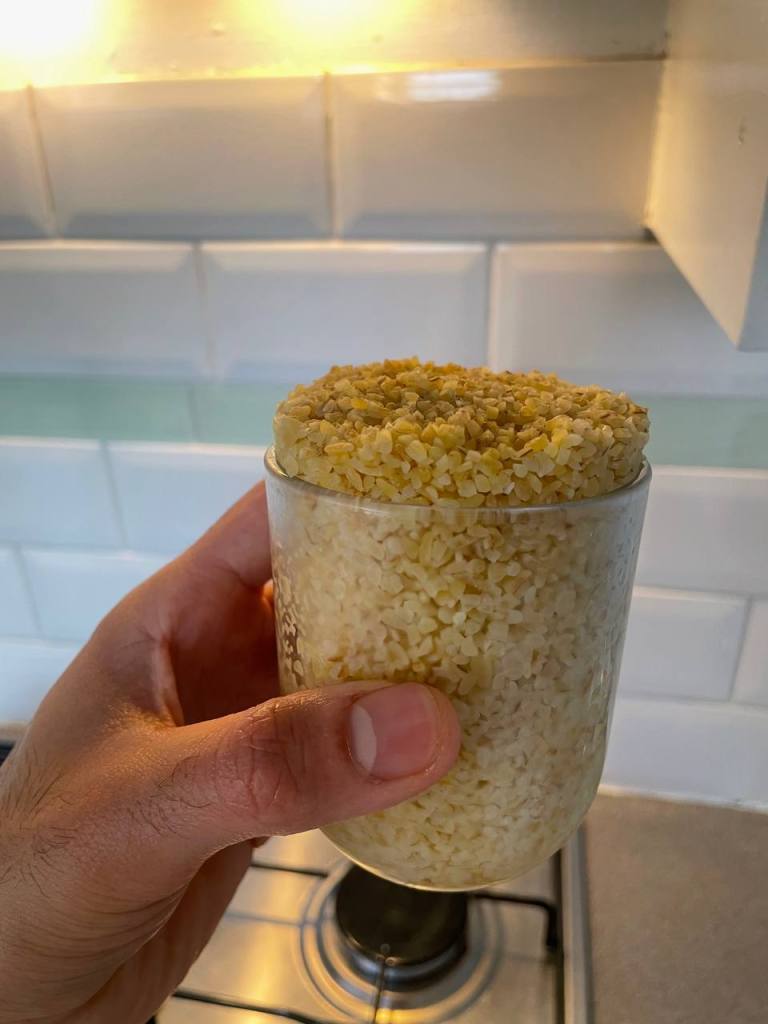

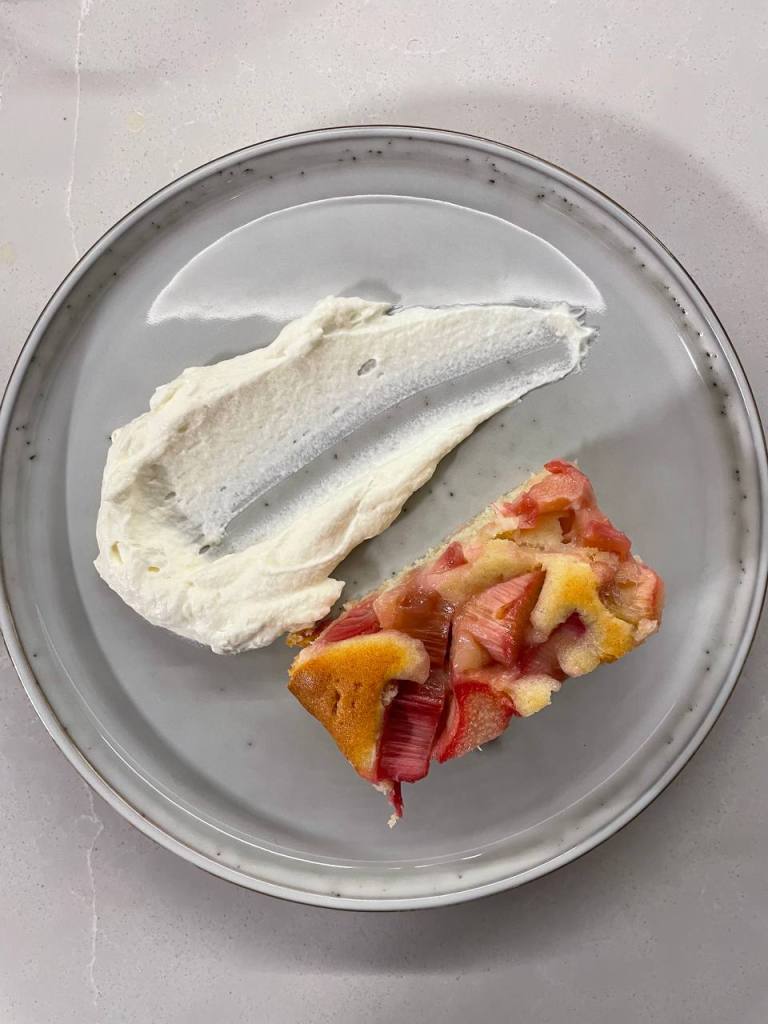
The recipe I’ve selected for May is Rhubarb cake.
Rhabarberkuchen
A long time favourite of mine that I’d never managed to get right. It was rhubarb season and I decided to give it another try. Olivander, who has tried a wide range of my baking, from amazing to absolutely inedible, said that it is perhaps the best thing I’ve ever made.
The credit goes to Luisa Weiss.
Ingredients
For the cake:
- 500 g trimmed rhubarb
- 160 g granulated sugar
- 100 g unsalted butter
- 2 eggs
- 1/2 tsp vanilla extract
- rind of 1/2 lemon
- 190 g AP flour
- 2 tsp baking powder
- 1/4 tsp salt
- 60 ml whole milk
- icing sugar (for serving)
For the cream:
- double cream
- almond liquor
- sugar
Preparation
For the cream:
- Whip the cream with sugar (to taste) and almond liquor. You should not be able to taste the almond liquor, we just want it for the aroma and slight bitterness. Be careful not to over whip as it will turn into butter
- From my own notes: “For the whipped cream, added 12 grams of sugar to around 200 ml of whipped cream. then a very small ampunt of almond extract and a very small ampunt of vanilla extract! Turned out fire“
For the cake:
- Preheat oven to 180 degrees celsius
- Chop the rhubarb into 1/2 inch pieces and toss with 3 tbsp of sugar. Set aside
- Cream the butter and the remaining sugar until light and fluffy. Beat the eggs one at a time, then beat in the vanilla extract and grated lemon rind
- In a separate bowl, sift the flour, baking powder and salt. Beat half of this mixture into the butter mixture, and then beat in the milk. Then beat in the remaining half until combined
- Scrape the batter into the baking tray, and then scatter the rhubarb over the batter and press lightly
- Bake for 1 hour, or until the cake is golden brown
- Remove and let cool completely before slicing. Best eaten after a night’s rest. Optionally dust with icing sugar, and serve with the cream
June: Intoxicated
June was very special for I bought my first bike! I still feel so intoxicated by the freedom it brings. My trip to Peru was getting close… so I was also buying some gear on sale.
Food wise, June was the start of a my sourdough hyperfixation!



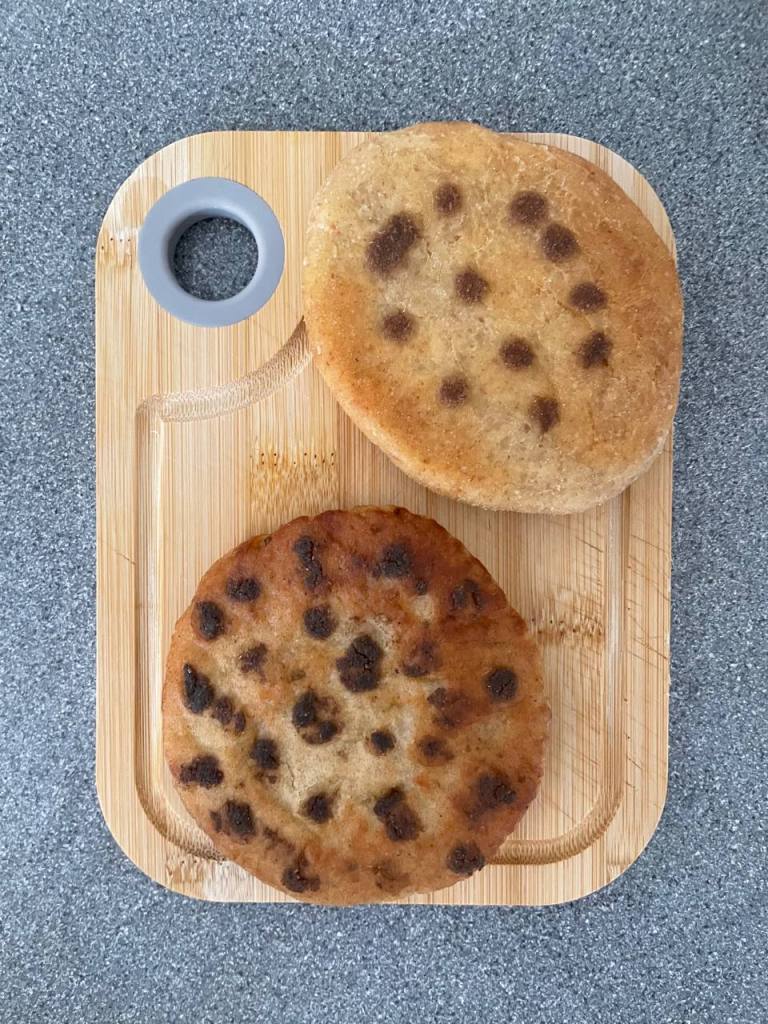
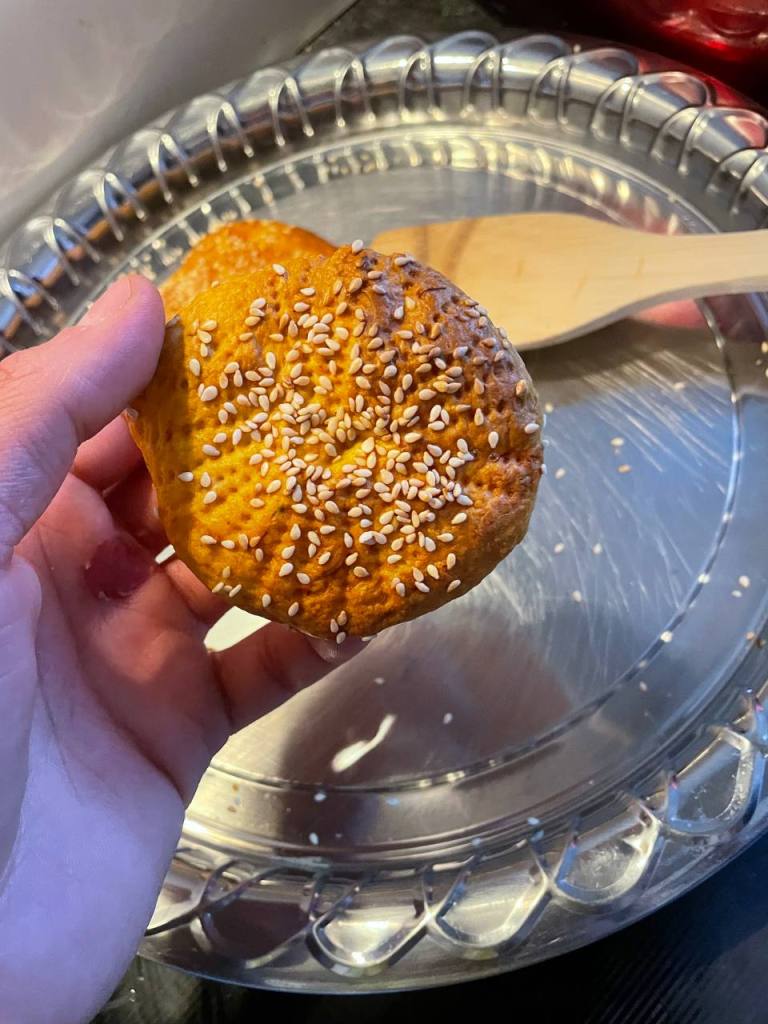
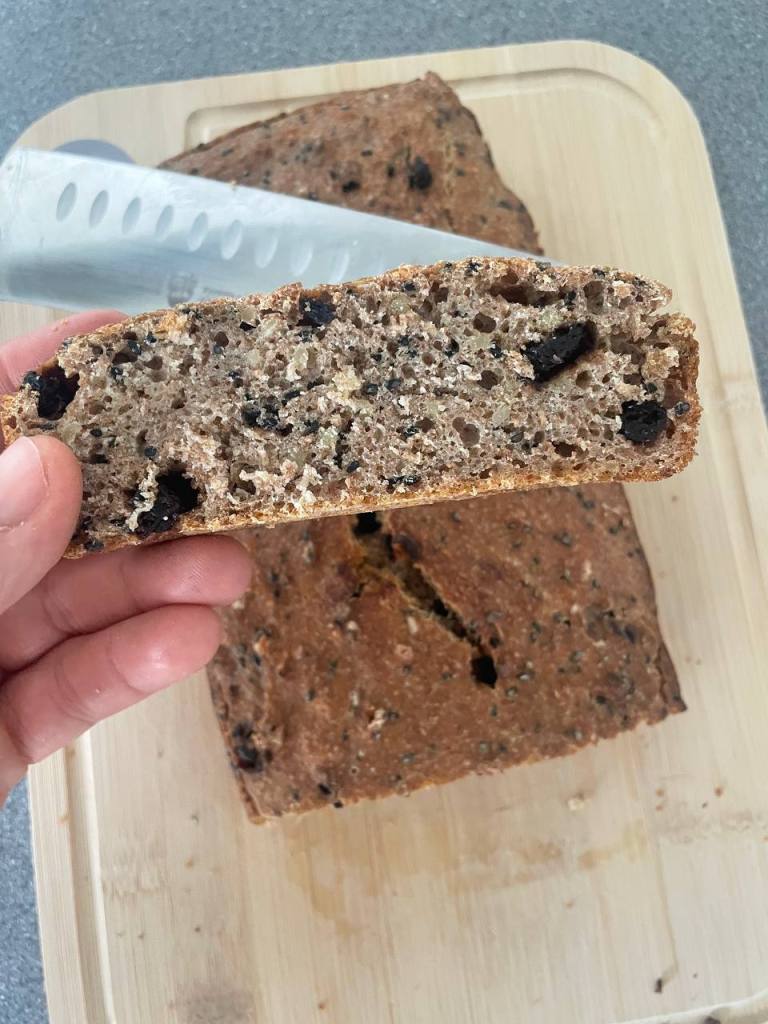
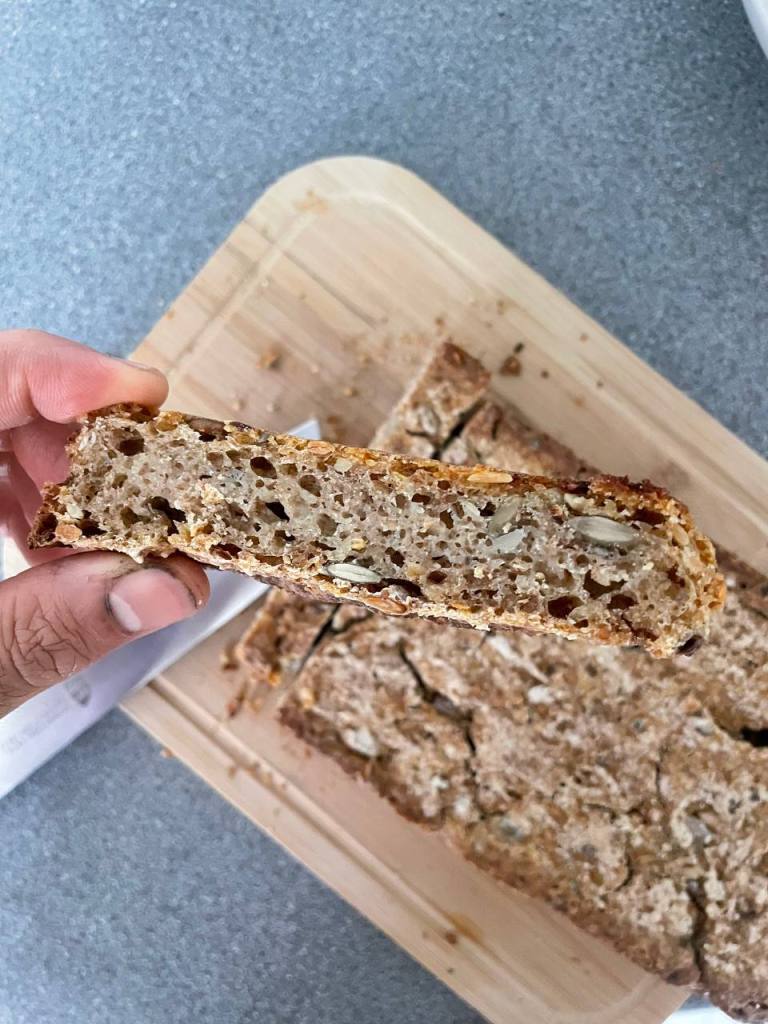
So it was only logical for me to select a bread recipe as my recipe for June.
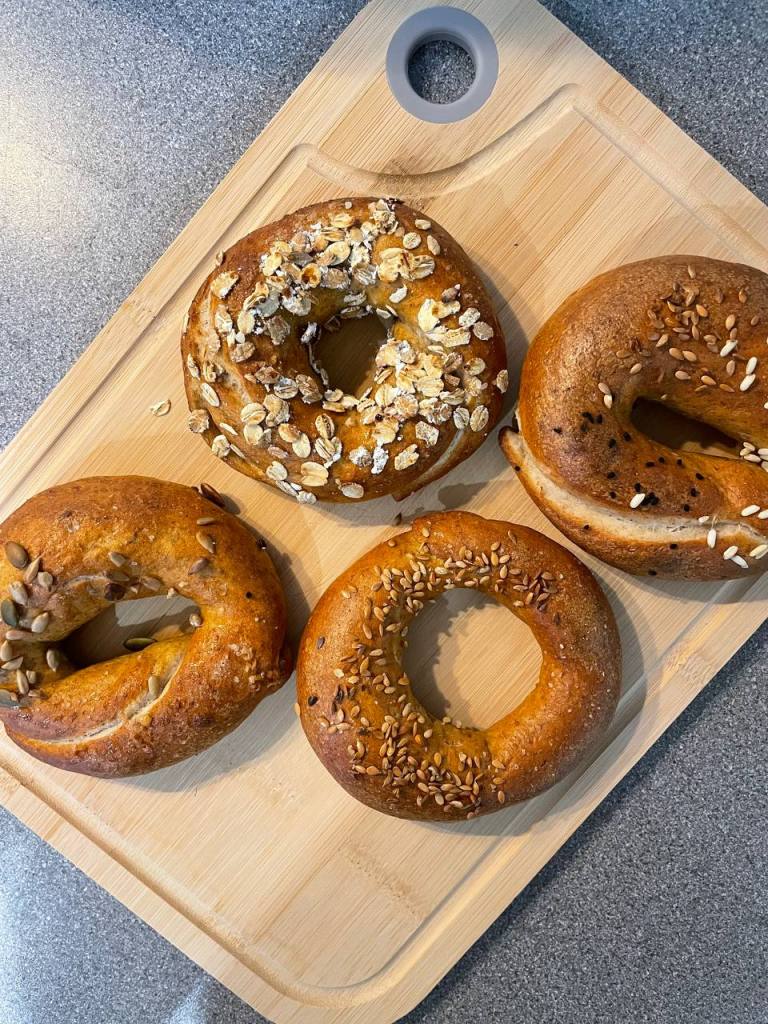
Sourdough Bagel
I think my bread making skills are OK, but these bagels were really superb. I suprised myself with how they turned out. I posted about these bagels before, so please check the article out for more background information.
Ingredients
- 100 g leaven
- 115 g water
- 200 g strong white flour, 50 g wholemeal flour
- 12 g honey
- 5 g salt
Preparation
- Dissolve the leaven and honey in the water, and in a separate bowl mix the salt and flour. Add the dry ingredients to the water and mix everything together. Keep kneading until you arrive at a smooth through with all the flour absorbed into it
- Cover the dough and let ferment for two and a half hours. In this time, every 45 minutes or so, uncover the dough and use the stretch and fold technique to develop some strength. In this case, I went around the dough in 8 folds.
- After 2.5 hours, your dough should have expanded in size, ideally doubled.
- Now, cut the dough into four. Roll the doughs into logs (around 25 cm), and then wrap each log around your hand before sealing the ends together lightly. Then place on the counter and gently roll the seal against the surface to strengthen it.
- Proof for around half an hour, or until puffed up
- In the meantime, preheat your oven to 250 degrees celsius, and bring a large pot of water to a boil. Add a tablespoon of bicarb into it. Poach the bagels for 30 seconds on each side, and put them on baking paper.
- As the bagels are wet, you can sprinkle them with the toppings of your choice.
- Bake immediately, for around 15-20 minutes. They are done when they have a beautiful dark brown/golden color on both sides. Be careful with the toppings you choose, as some will burn if the bagels are too close to the radiator, or because they simply cannot handle 250 degrees for more than 5 minutes!
July: Let Me Live My Life!
July was a month I spent mostly alone, continuing my sourdough journey, going around London with my bike, and experimenting with date products. It was a good time.
Food wise:
- Treated to a chicken paella by Ill
- Tried to make savoiardi myself using date sugar (reasons: classified)
- Made a fully gluten free loaf!
- Tried the most amazing Turkish food at Feltham’s Turkish Festival
- I discovered magical dried bananas (which featured in a loaf I made in August)


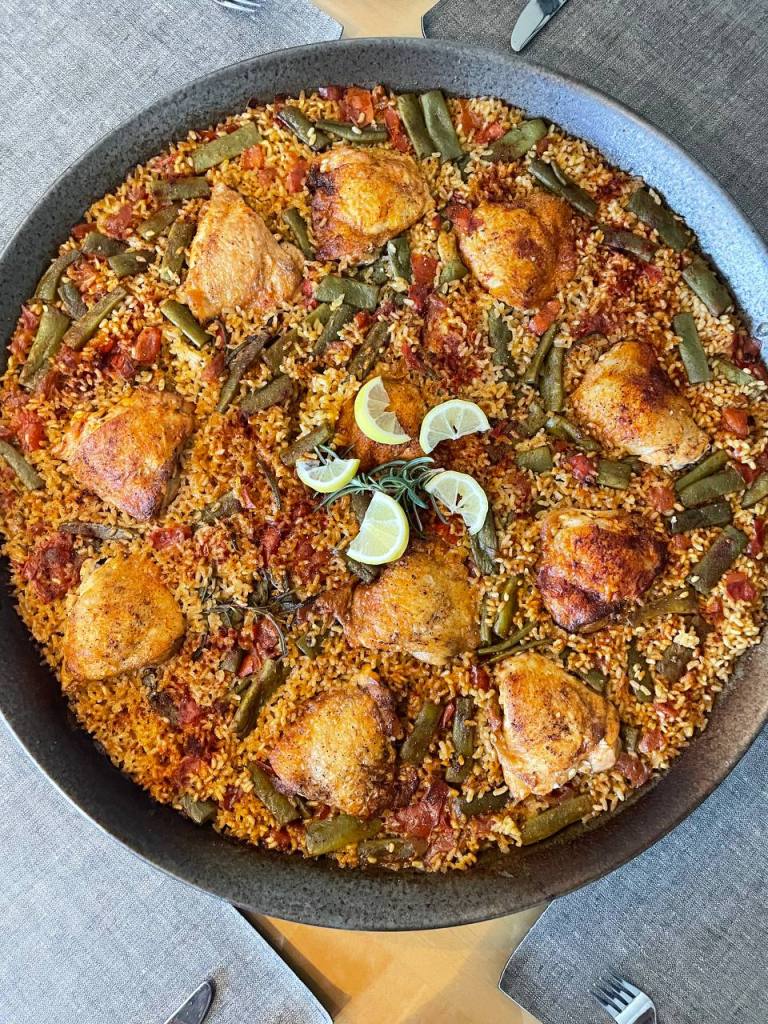

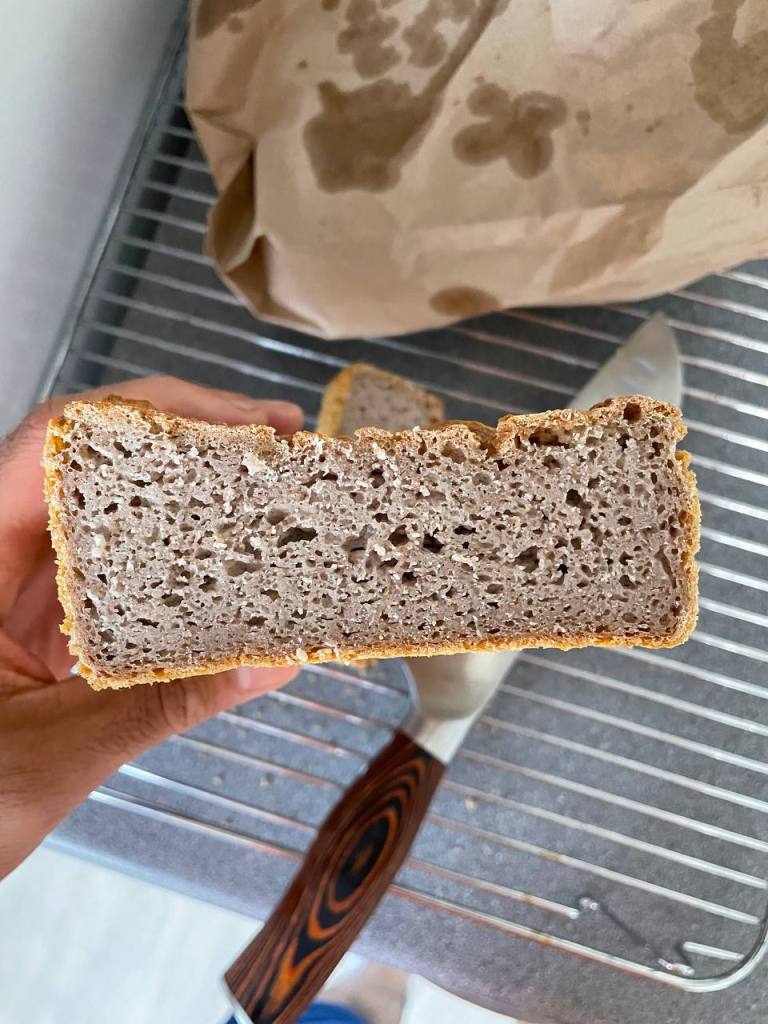
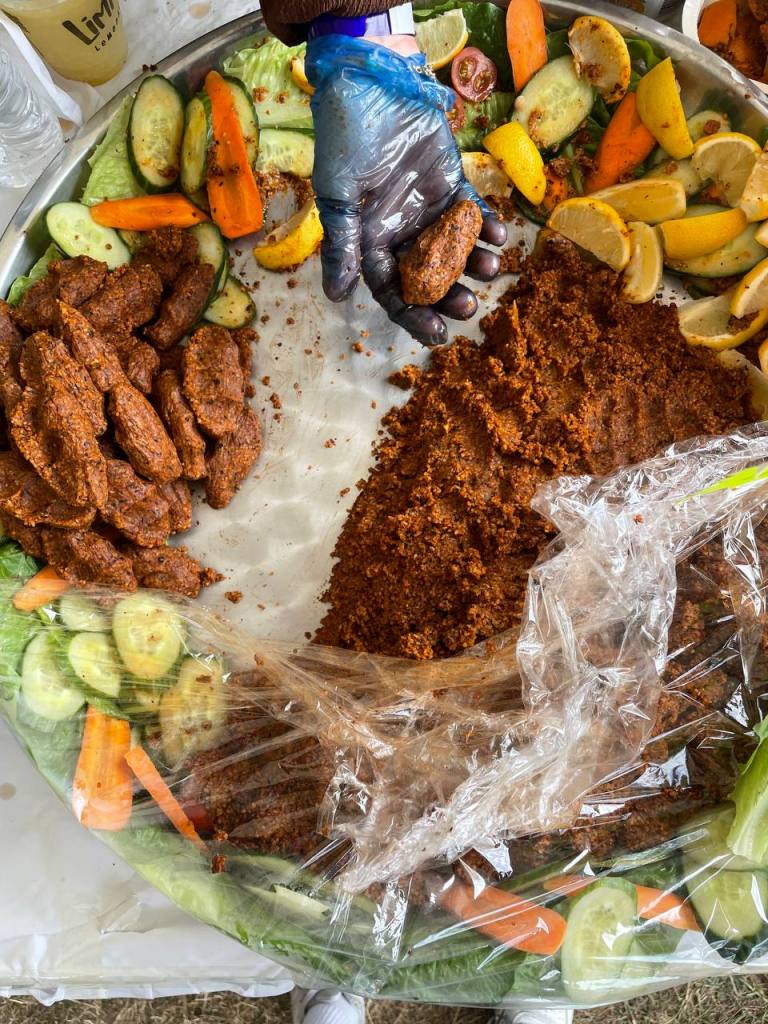
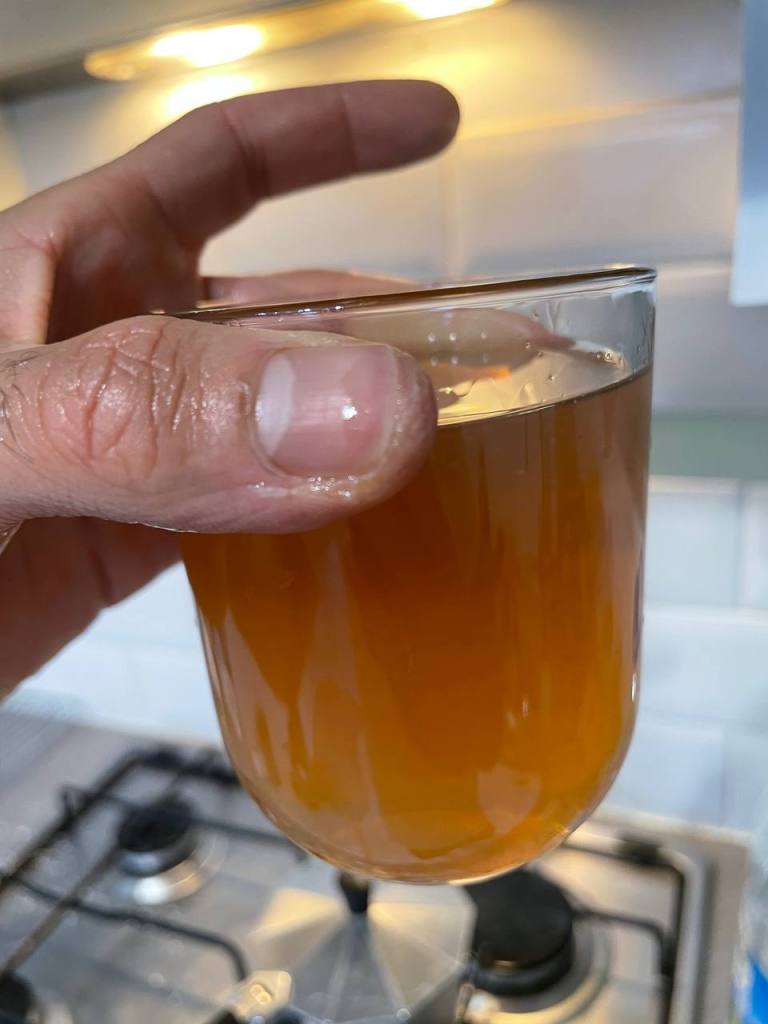
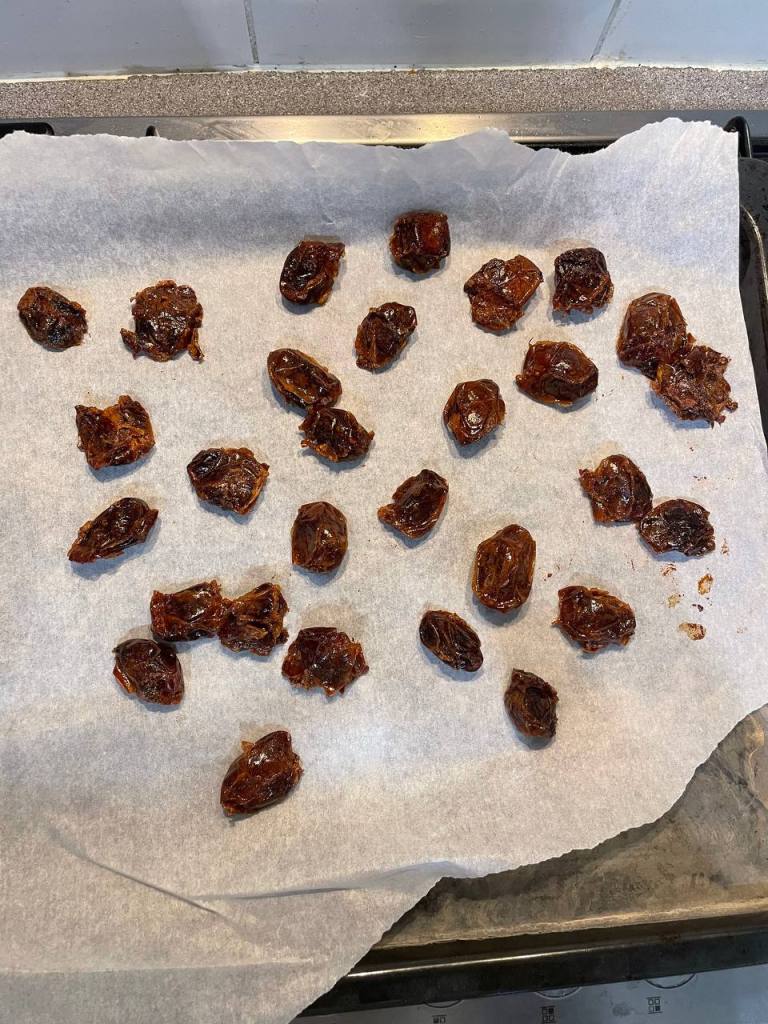
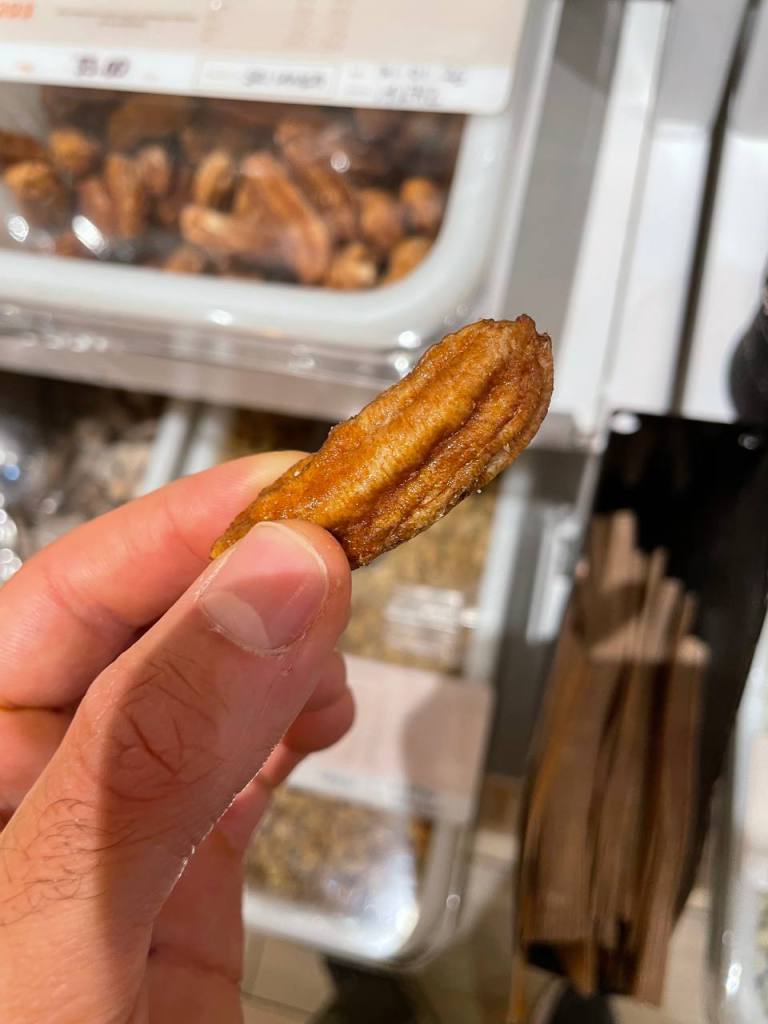
The recipe I selected for July was one of the lasting successes from my baking hyperfixation: Chocolate and Fig Loaf.
Chocolate and Fig Loaf
I mentioned in April that I discovered the magic of chocolate coated dried figs. I tried to replicate that flavour in a rye loaf. The result? Pretty great.
Ingredients
- 120 g 100% hydration wholemeal wheat levain
- 220 ml water
- 30 g Iranian dried figs
- 30 g 85% dark chovolate
- 235 g wholemeal rye flour
- 6 g salt
Preparation
- Dissolve the levain in the water, then add the flour and salt
- Mix in the figs (you can cut them up) and the dark chocolate
- Place in a baking tin and let proof until expanded and flattened
- Bake for 30 minutes with some steam in the oven at 250
- Remove the steam, lower to 200 and bake for another 15 minutes
- Remove from tin and leave to cool
- Cover with a paper bag, leave for 12 hours before slicing
- Enjoy on it’s own, or served alongside FAGE 5% yoghurt

August: Anticipation
August passed like a blur because I was anticipating my big trip to Peru. I visited family again, and I proved my dedication to my writing by scheduling articles in advance for the weeks I was going to be hiking. I also cycled to Brighton on a single speed, and practiced for an October cycle ride on a tandem. The final days of the month were spent finalising all my gear in preparation for hiking!
Food wise, August was intense:
- I tried sarmale for the first time… speechless!
- I destroyed my gut by eating fish and chips after my cycle to Brighton
- I used the dried bananas I discovered in July to make an amazing banana, chocolate and pecan rye loaf
- I learnt how to make mahveh – Evaz’s fermented anchovy paste

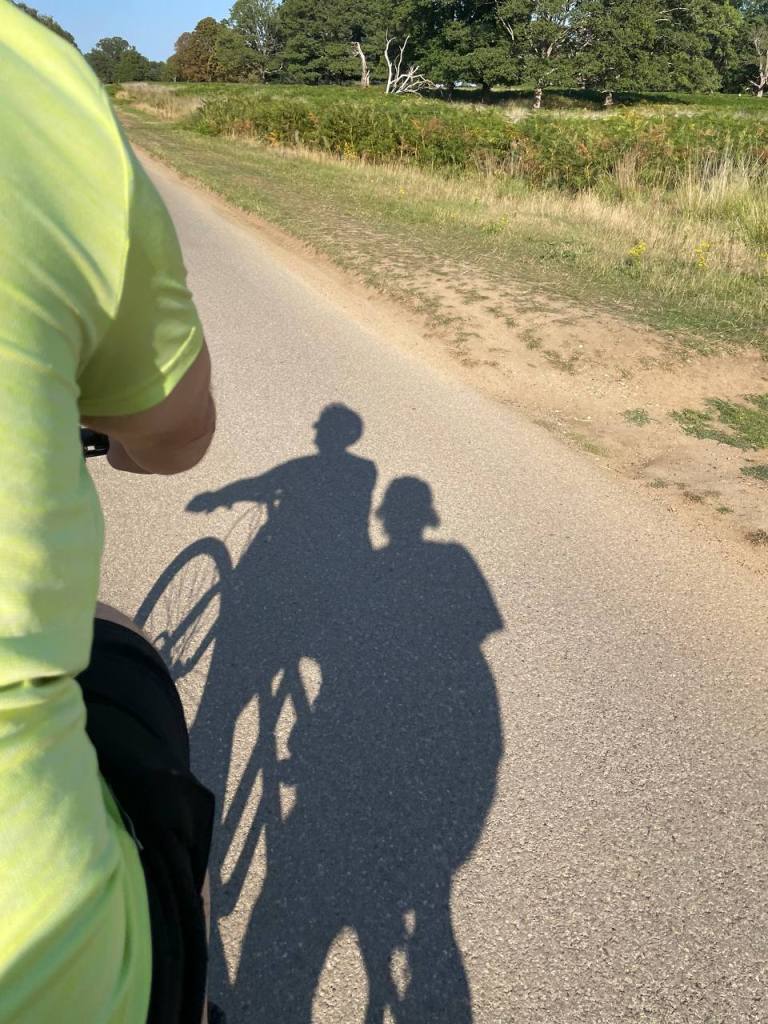
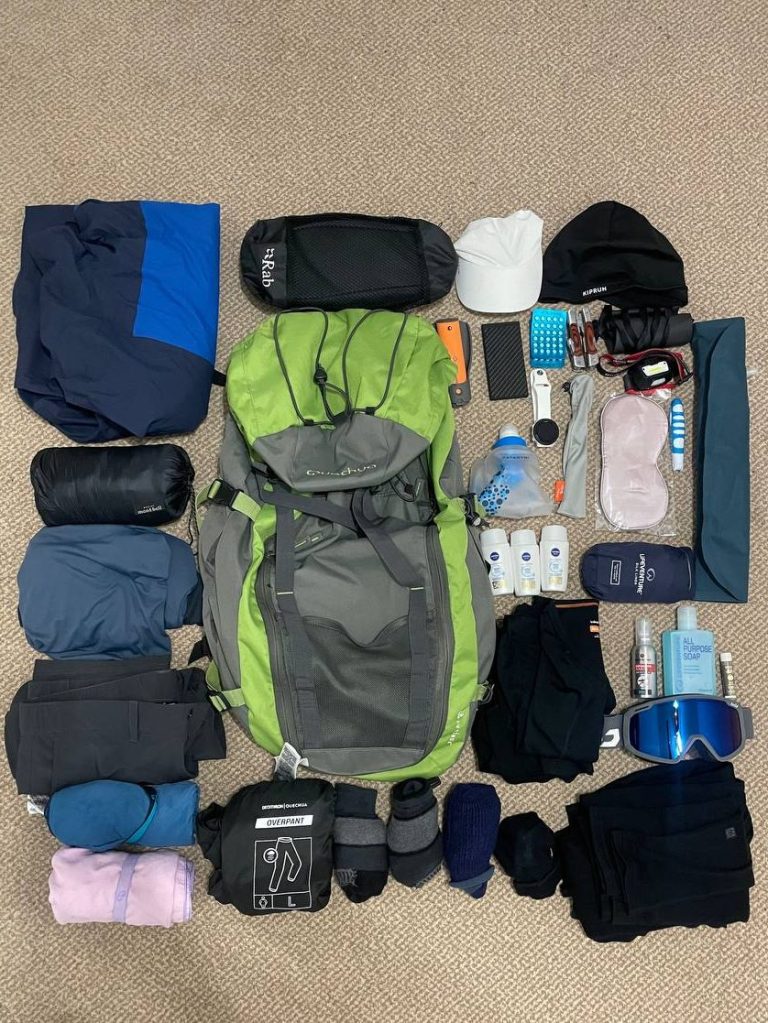
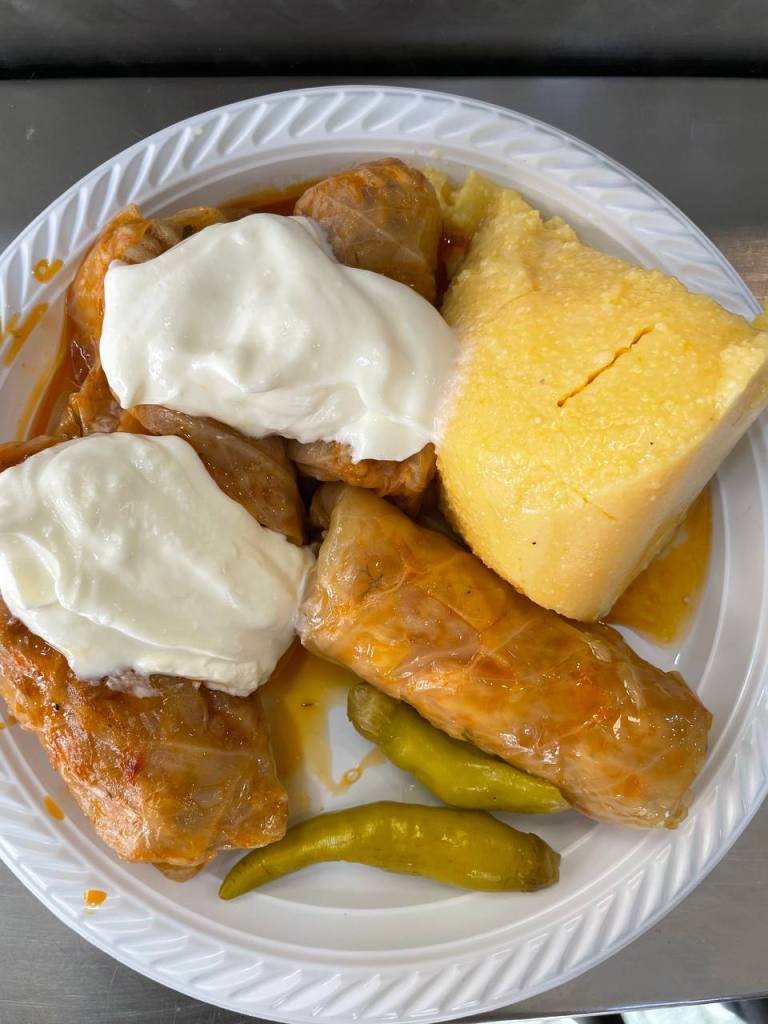
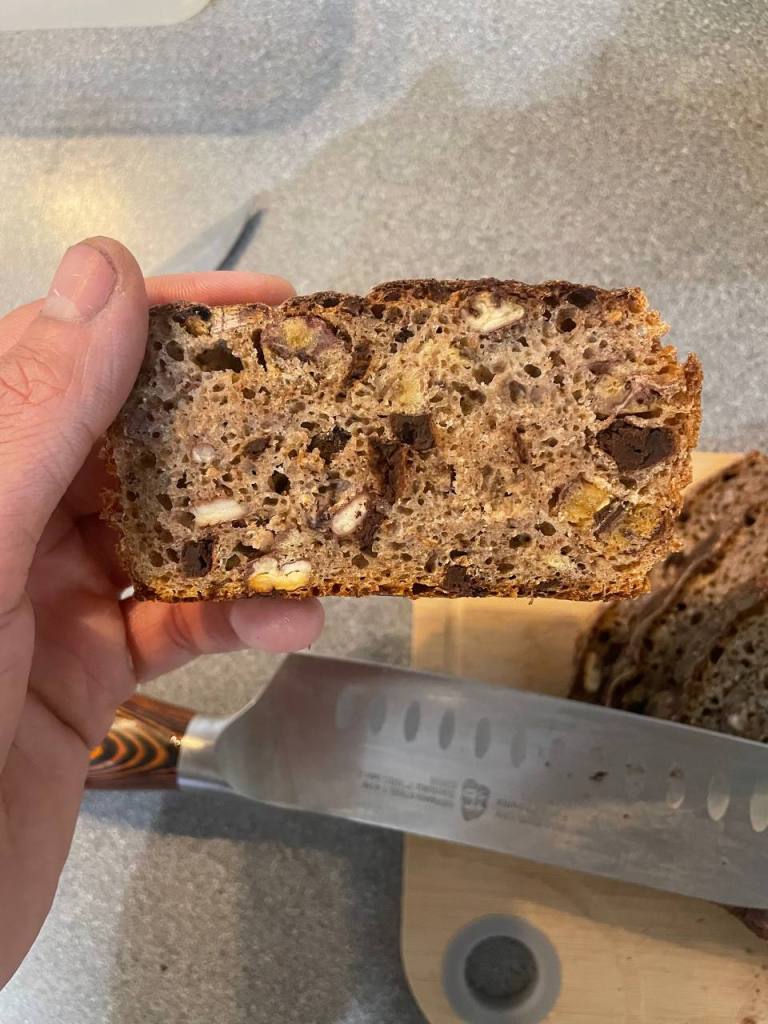
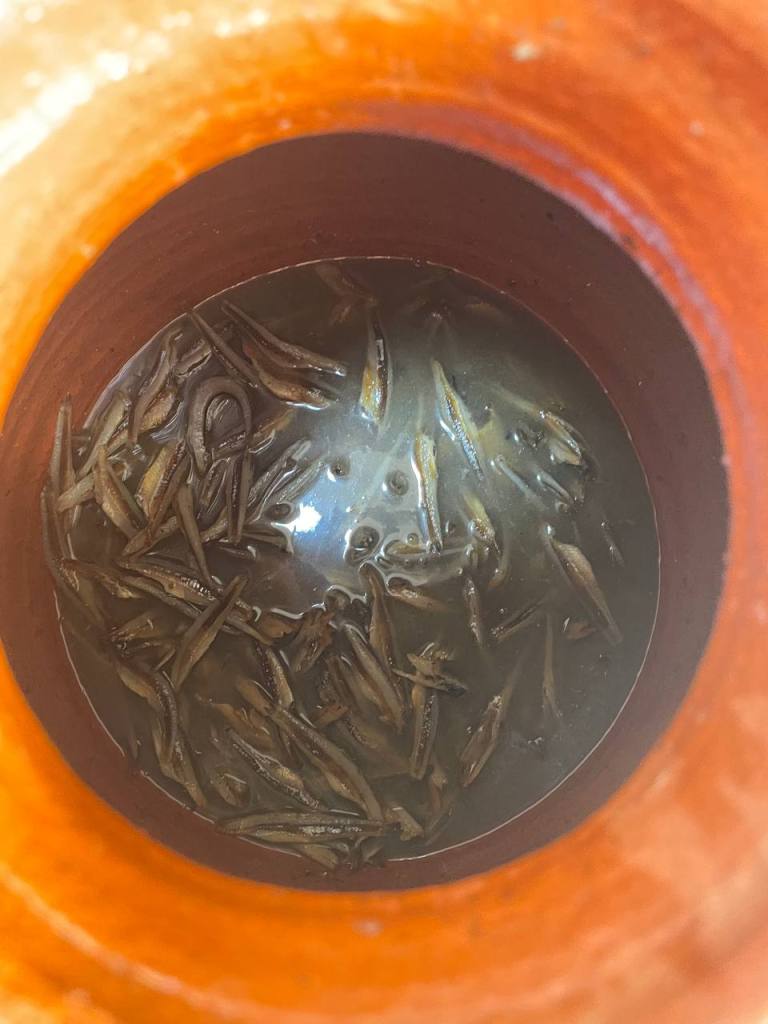
August was the end of my sourdough hyperfixation, so I’m sharing an experiment that has lots of potential.
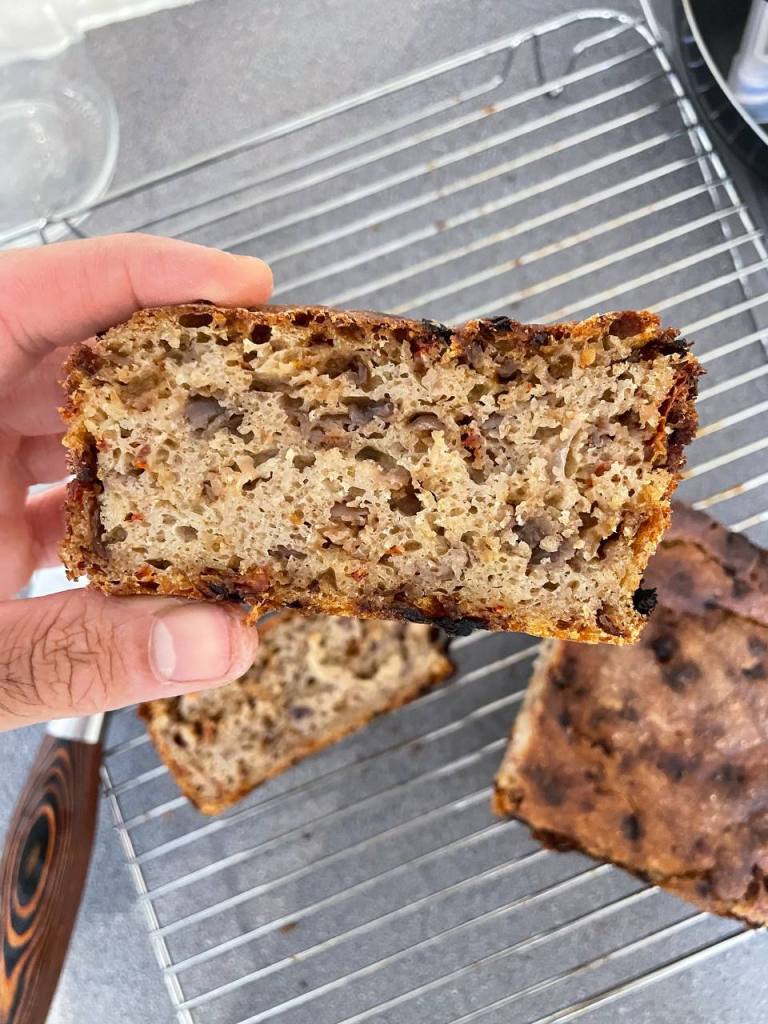
Tsumami Loaf
Cheeky title hehe but once you see the recipe you’ll understand why. I cannot describe to you how lovely the smell of this loaf was while I was baking it. It was activating every neuron in my gut and my brain couldn’t think of anything else. You know when the cells of your digestive tract all line up, and you feel a physical pull towards the food from your stomach?
The taste of the loaf was good, but not as good as it smelt or as I envisioned it in my head. The onions added too much moisture, and they overpowered the flavour of the anchovy paste and tomatoes. But hey: all great things start from somewhere right?
Ingredients
- 120 g 100% hydration rye levain
- 220 g water
- 230 g rye flour
- Tomatoes
- Fermented anchovy paste
- Onion
- Neutral oil
- 6 g salt
Preparation
- Slice the tomatoes into disks, and then coat both sides with fermented anchovy paste. Then roast in the oven at a low temperature until dry/flaky. This will take some time… so be patient! Once complete, chop them into small bits
- Chop the onions into small bits, then caramelise
- Dissolve the levain in the water, and then add the rye flour and salt to it. Once the mixture is combined, fold in the caramelised onions and chopped roasted tomatoes
- Put the dough into the tin and let proof for 6-8 hours
- Bake at 250 degrees celsius for 30 minutes with some steam in the oven
- Remove the steam, turn down to 200 and bake for another 15 minutes
- Remove the bread from the tin, let cool and then cover with a paper bag overnight. Slice in the morning and enjoy!
September: Aventura!
September was a month of many emotions: love, loss, fear, adventure, excitement… with a healthy amount of confusion and doubt! The month threw me into the deep end right from the start: a very memorable date followed by my uncle’s passing the morning after, three days that passed like a blur before an 18 hour journey to Peru!
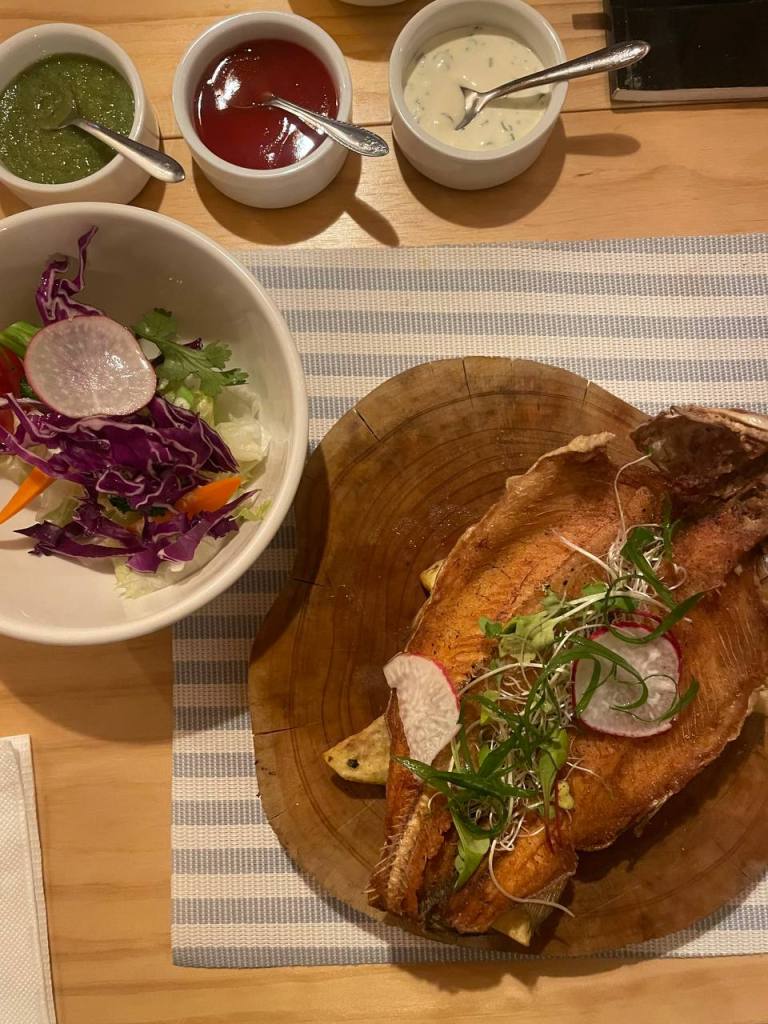
Food wise, September was full of good food in Peru.



Lucuma Yoghurt
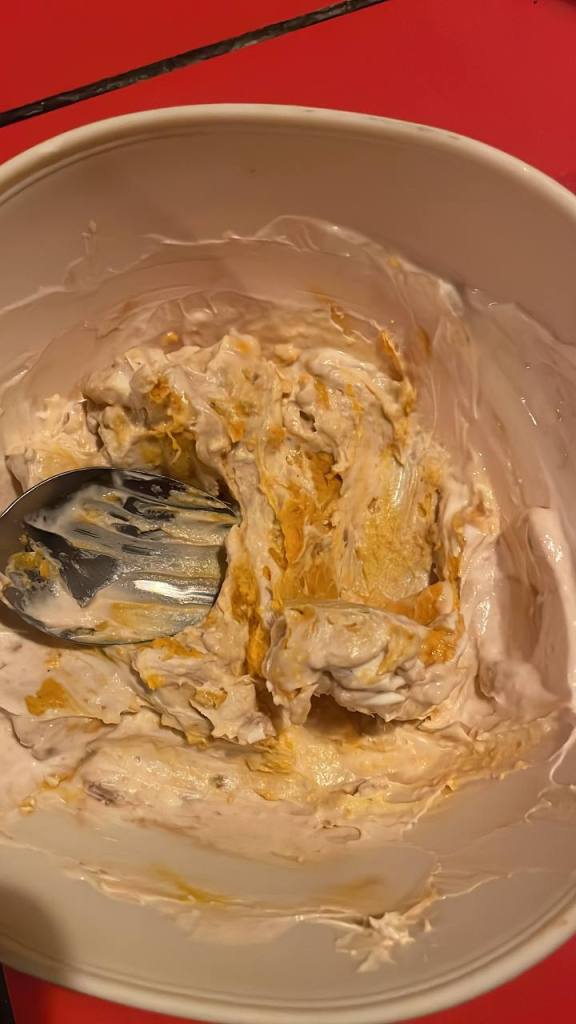
Naturally I didn’t cook much during my time in Peru. However, I paired two ingredients together without much thought and it turned out amazing, and similar to a yoghurt drink that is sold frequently in Peru.
Ingredients
- Lucuma fruit
- High quality creamy yoghurt. Make sure it has the slightest bit of tang – you don’t want it to taste like cream.
Preparation
- Scoop out as much of the lucuma as you can
- Whisk it into the yoghurt
- Enjoy
October: New Beginnings
October was difficult in some ways as I was still adjusting to a routine. However, the new experiences I had were rewarding. I attended a painting class, and I cycled 70 miles on a tandem. I explored London at night and swam in London Fields. I enjoyed autumn’s colours and got gifted a Veronica. I had a few more fun solo cycles, which ended up being the last of the year!
Food wise, October was also the last of regular cooking for the year, and it also coincided with some of my most picturesque food of late:
- I cooked a few good breakfasts and dinners
- I made a Halloween themed cake with beetroot!
- I tried Rogue Sarnies for the first time!
- I also tried Saudi food for the first time









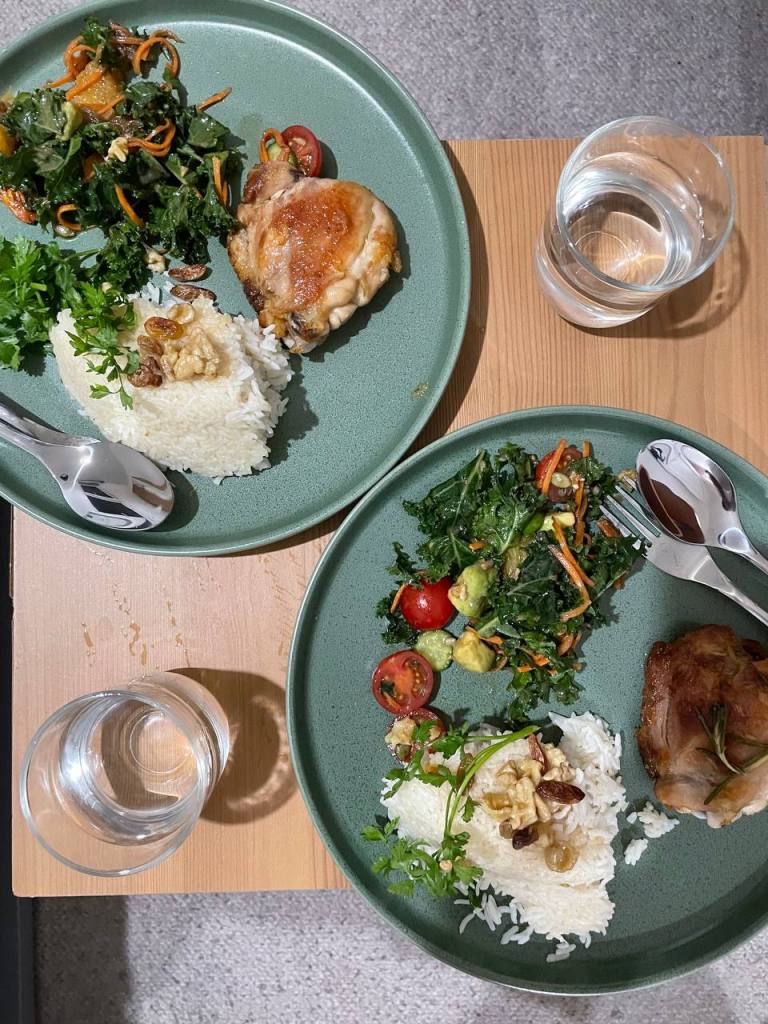
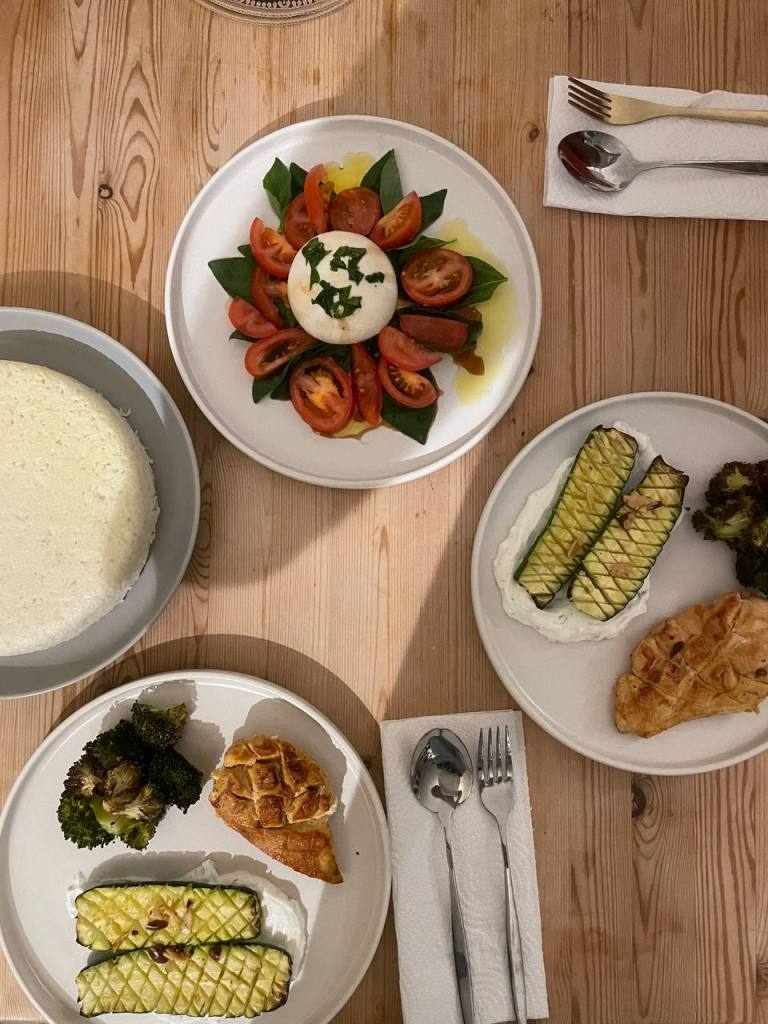
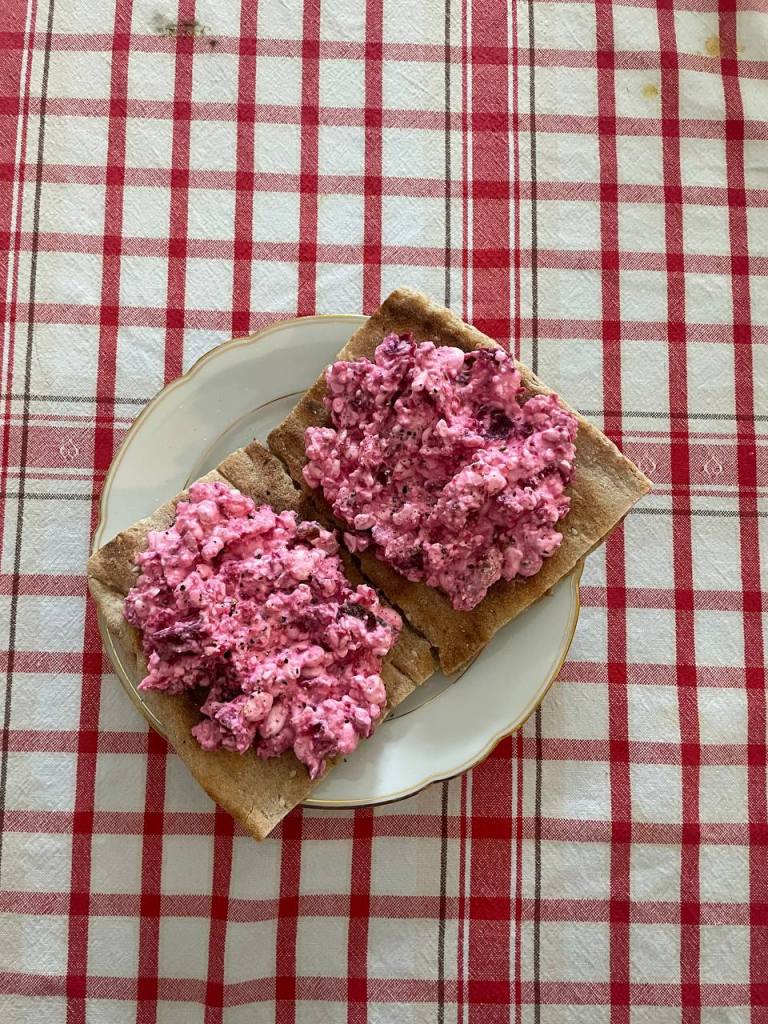

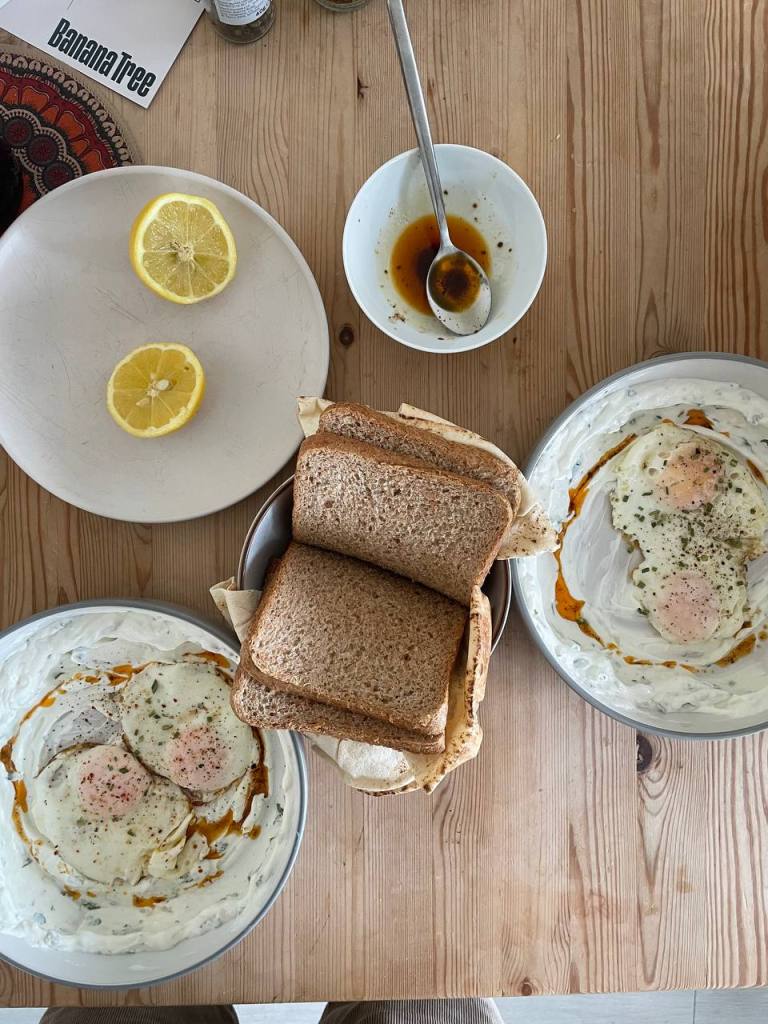
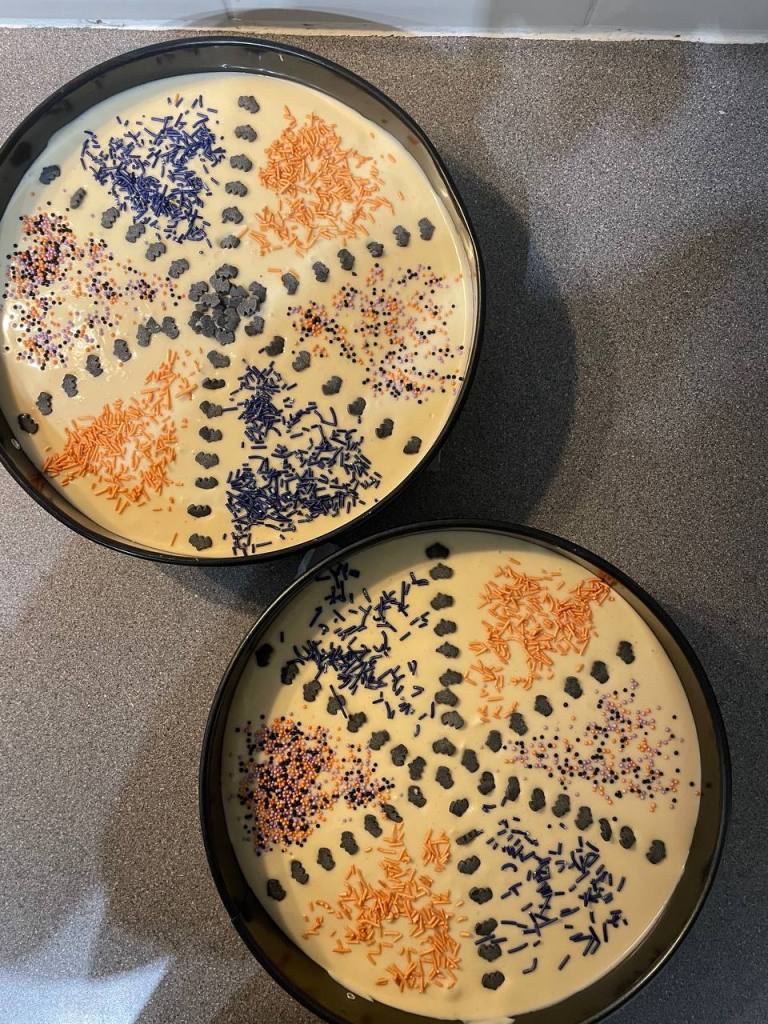
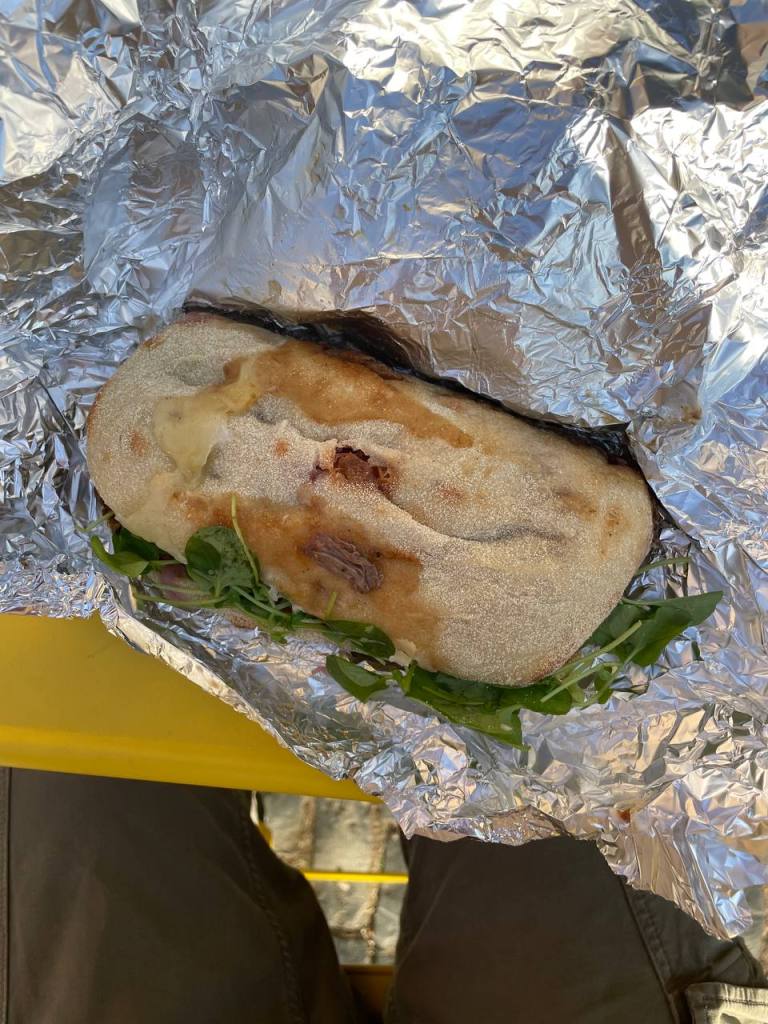
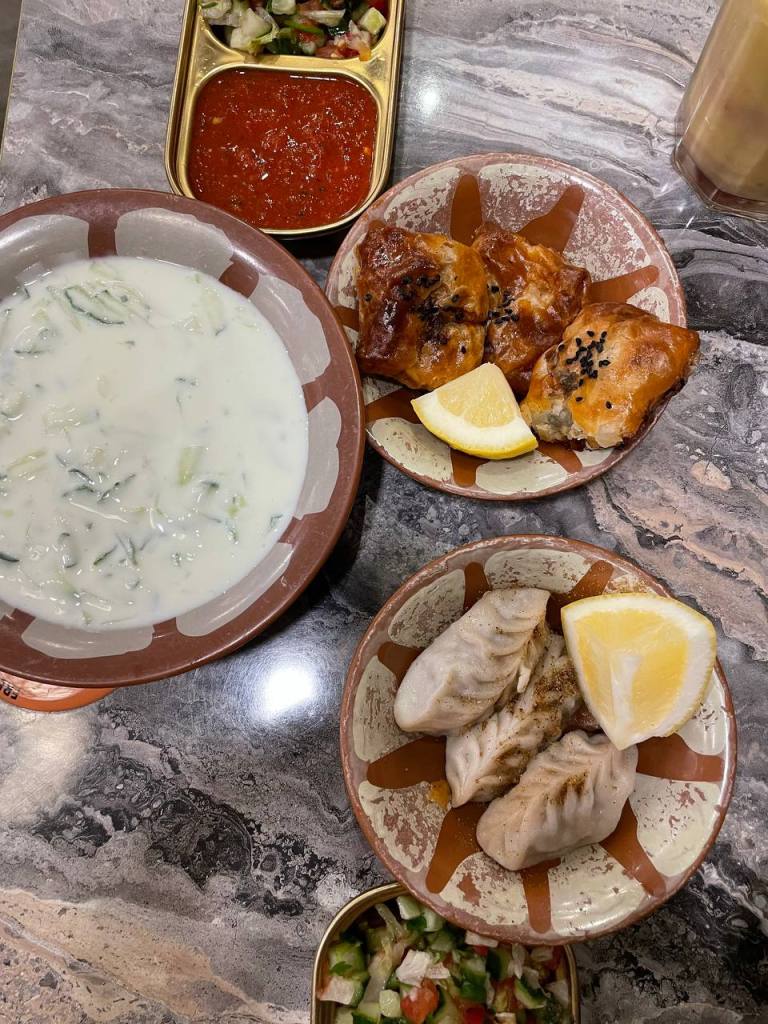
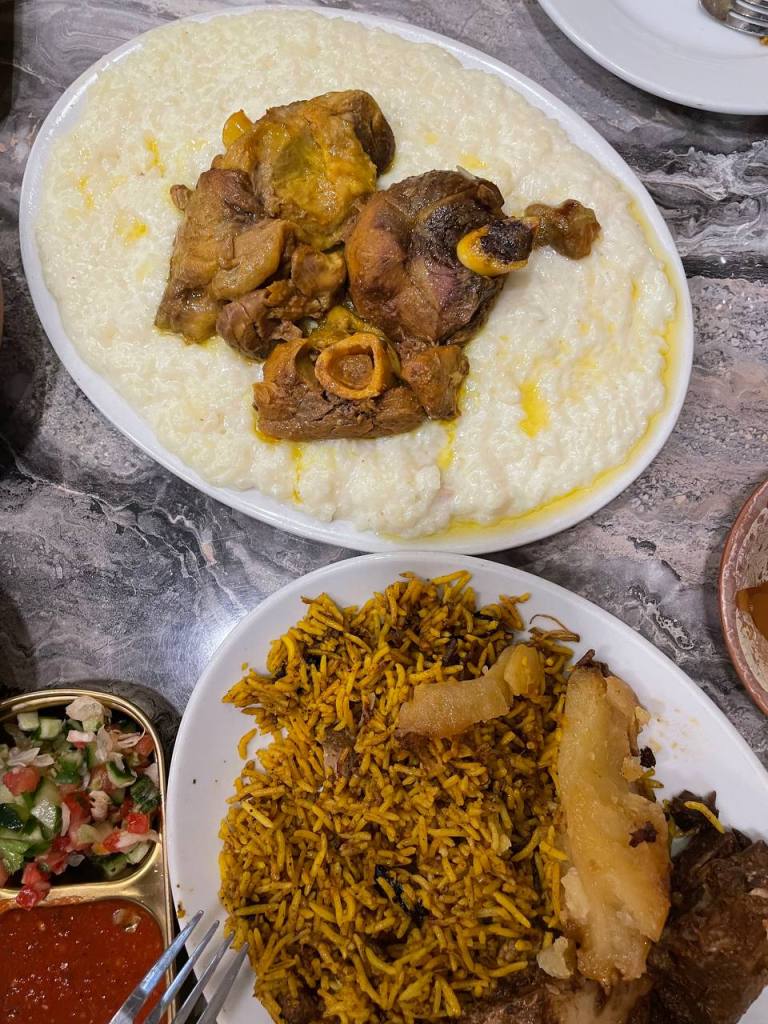
In the end the recipe I chose for October is one I associate strongly with expressions of love.
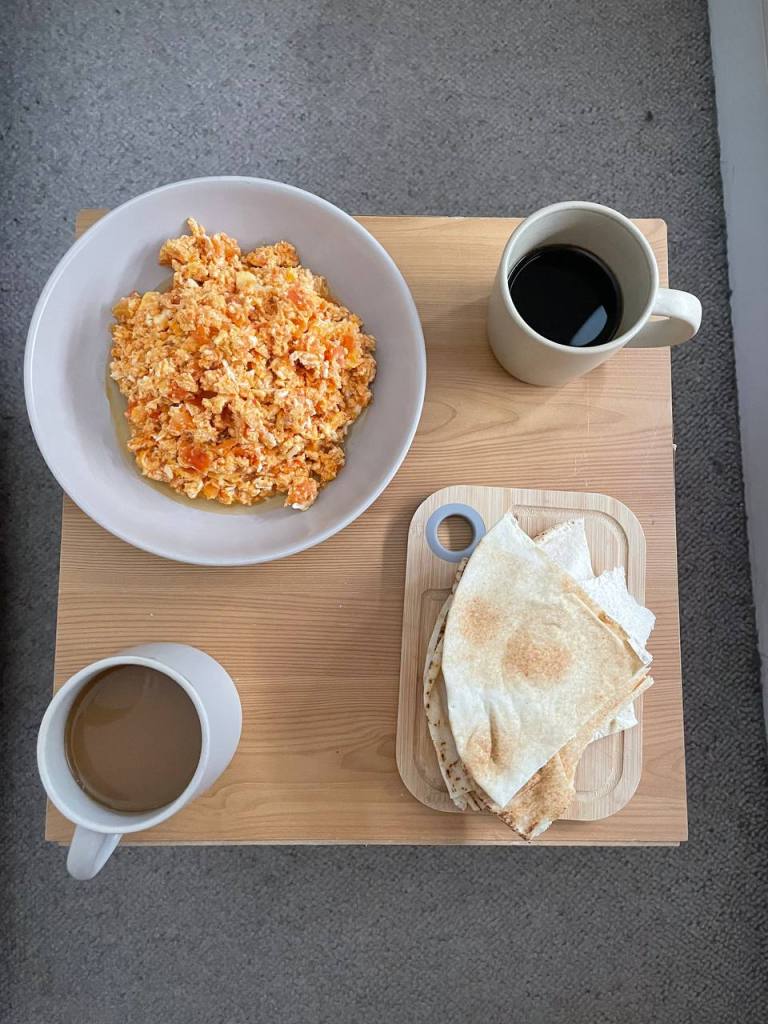
Dad’s Omelette
My dad wakes up early every morning, and on weekends he takes the initiative of making us breakfast. He usually treats us with his time consuming tomato omelettes, and to keep us excited each time, he always has an experiment going on. The recipe below is my take on it.
Ingredients
- Eggs
- Tomatoes
- Olive oil
- Salt
- Vinegar
Preparation
- Dice the tomatoes, salt and cook on a low heat until all the water has evaporated and you’ve intensified the tomato flavour
- Add the eggs in, and mix so that you can get to a scrambled egg consistency – but to make it how I like make sure that they are not runny. For this recipe you want your eggs fully cooked.
- Add a dash of vinegar at the end after you’ve turned the heat off
- Enjoy with bread
November: Probation
November was the start of an exciting yet difficult part of my life. I was being tested physically, emotionally and spiritually. But as I write this I look back and realise that even in those tough moments I was incredibly privileged – and with some toughness on my own I was able to get through it and even have some really memorable moments.
Food wise, November was mostly characterised by trying new things:
- I tried buns from Bun House for the first time
- I tried Sudanese food for the first time
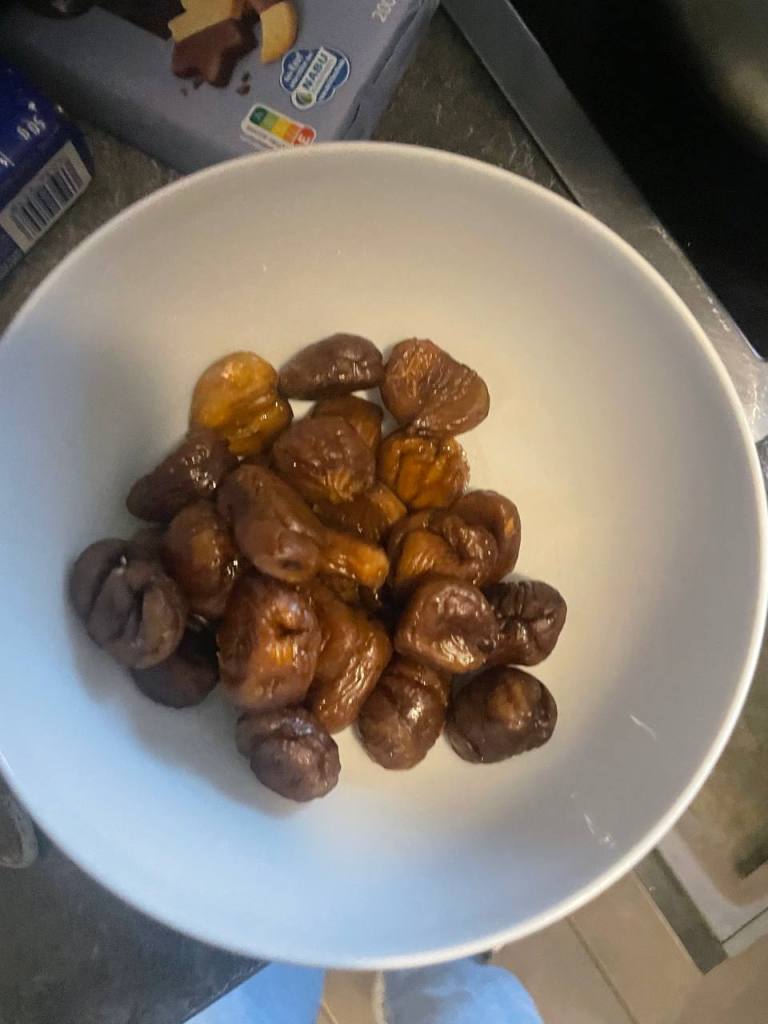
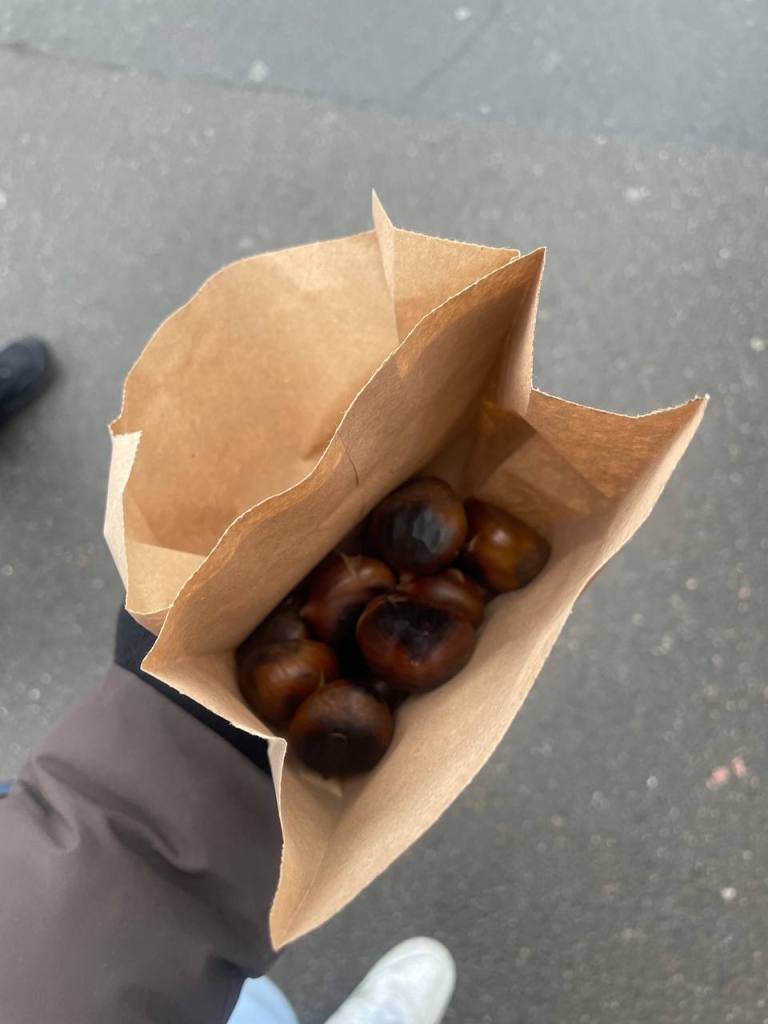
- I tried chestnuts for the first time (a mistake… as they became my substitute for meals in December!)
- I accidentally burnt Evazi koluche!
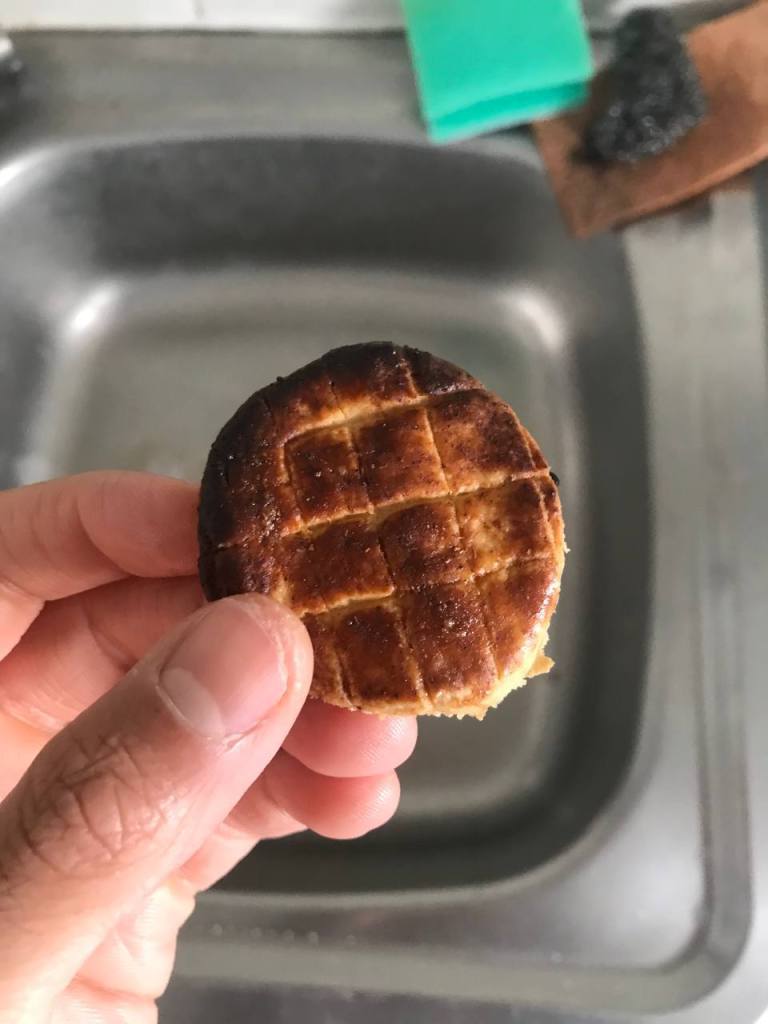

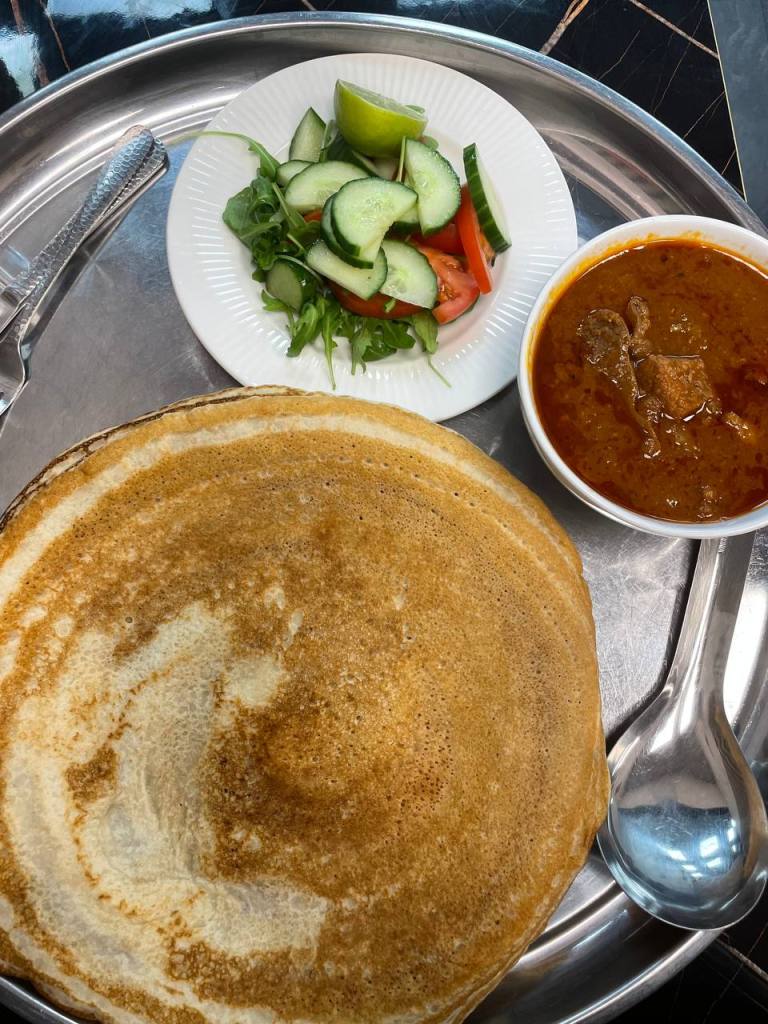


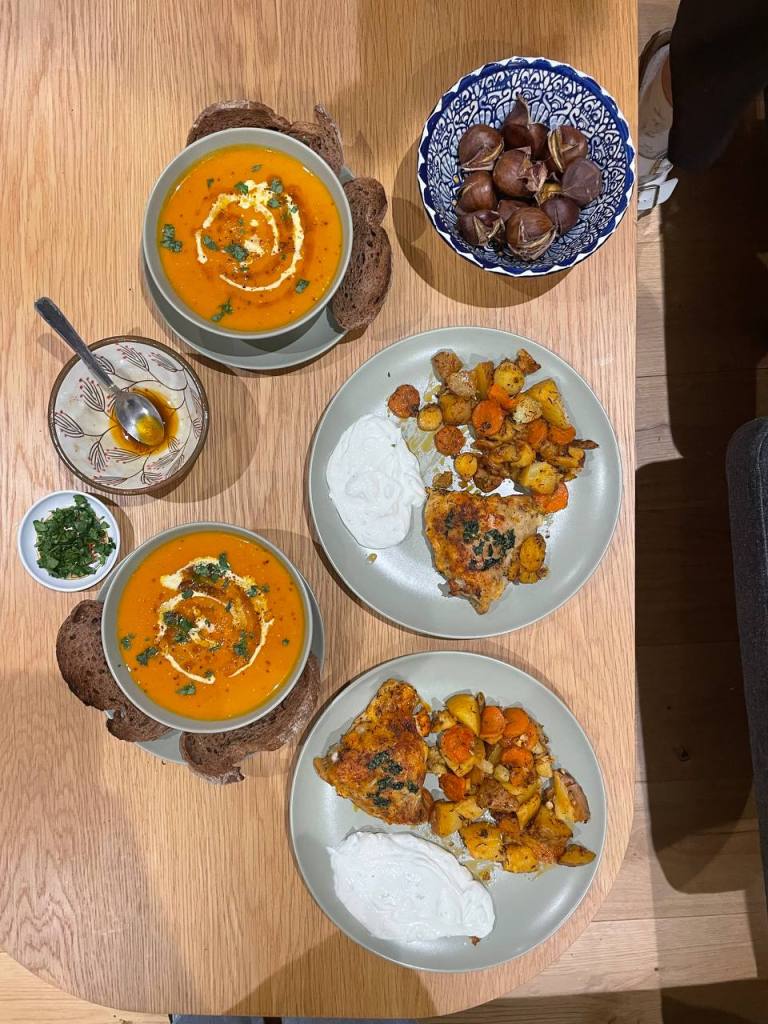
In the end the recipe I’ve selected is one of the few home cooked meals I had in November: Butterfly Soup.
Butterfly Soup
I didn’t invent this soup but I was there to see how it was made. I can tell you that it is perfect for those cold winter days, or simply to mark the start of the cold weather. My advice is to save all the juices leftover from the roasting tin, pass them through a sieve and use it as a drizzle over the soup to intensify every spoonful of warmth.
This was one of the most memorable meals of the year.
Ingredients
- Butternut squash
- Tomatoes
- Garlic
- Onion
- Peppers
- Carrots
- Olive oil
- Seasonings of choice
- Cream
- Herbs
Preparation
- Roast the vegetables in the oven at a low temperature. You want this to be a long, slow roast to really extract sweetness from them.
- Add everything to a blender and blitz till you arrive at a purée. Depending on the vegetables you’ve used, you may need to add water during blending to get it going
- Pass the purée through a sieve into a pot, and cook it on low heat. This step is important to remove all the grit – we want to arrive at a smooth consistency for that luxury feel.
- Check for seasoning, then serve with a dash of cream, and garnish with herbs.
December: Divine Grace
December passed so quickly, but it was a culmination of many years of struggle. I had the most stressful and productive mornings of my life. I reunderstood a lot of things that I had already understood more intensely, and most of it was not related to how the world works. Of these realisations, the most important is that we are always given opportunities to grow and become more honest – how we behave is our choice, regardless of the path we took to get us there, even if it was not our choice.
I have a lot of ideas of where I want to go next. A lot of it will only be clear to me, and that is on purpose.
Food wise, it this December was perhaps the healthiest and also most Christmassy that I’ve had:
- I enjoyed many a chestnut!
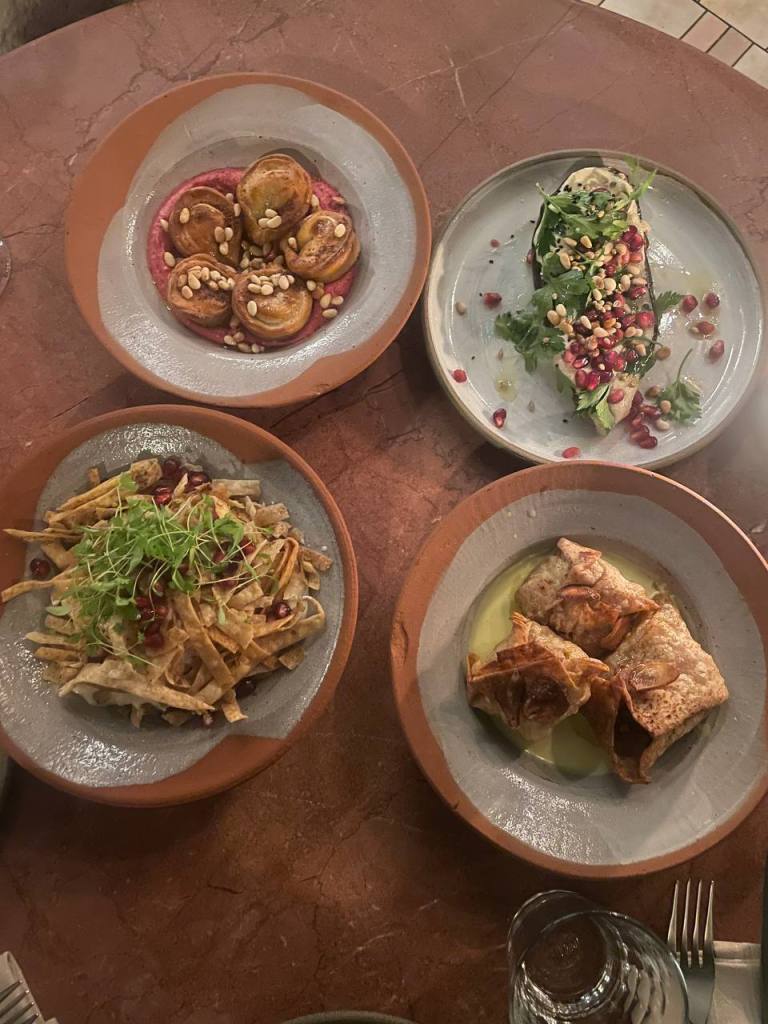
- I finally tried Akub
- I had a few lovely Christmas meals
- I tried to make people Parsniponian
- I tried cinammon rolls fort he first time
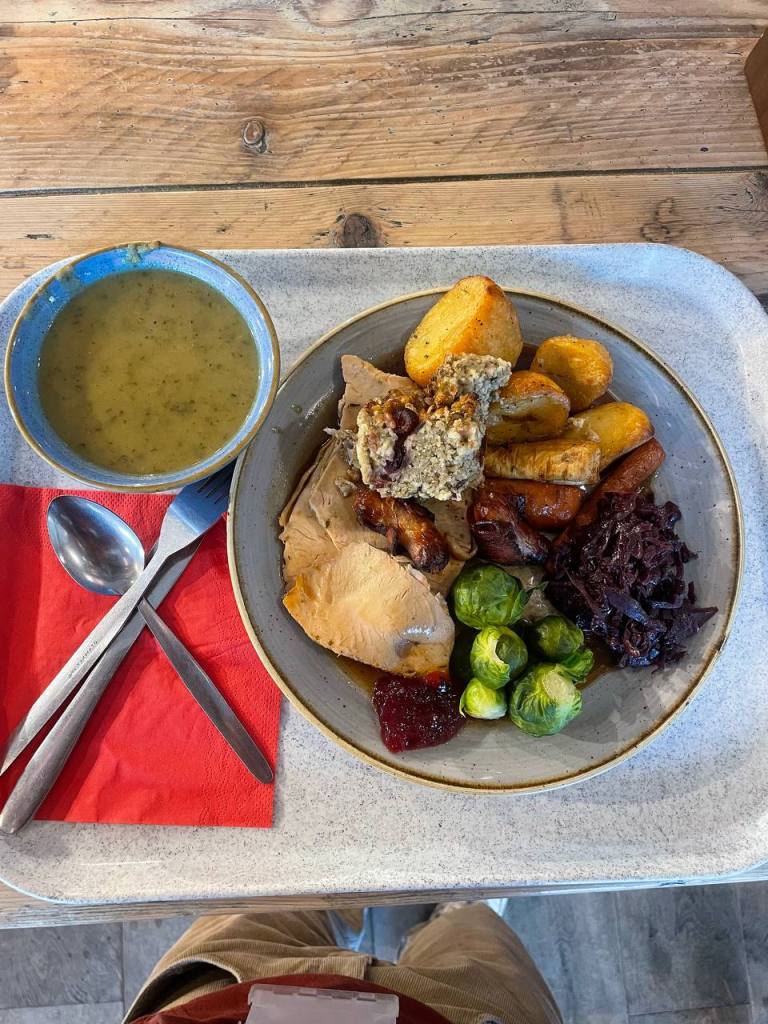
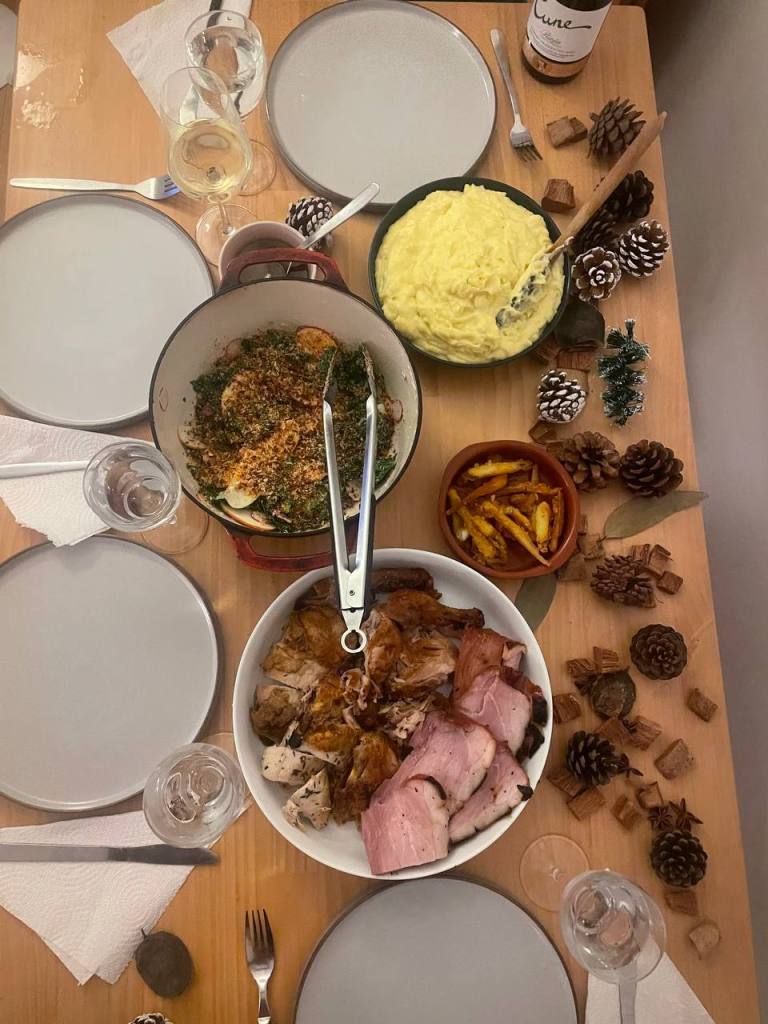
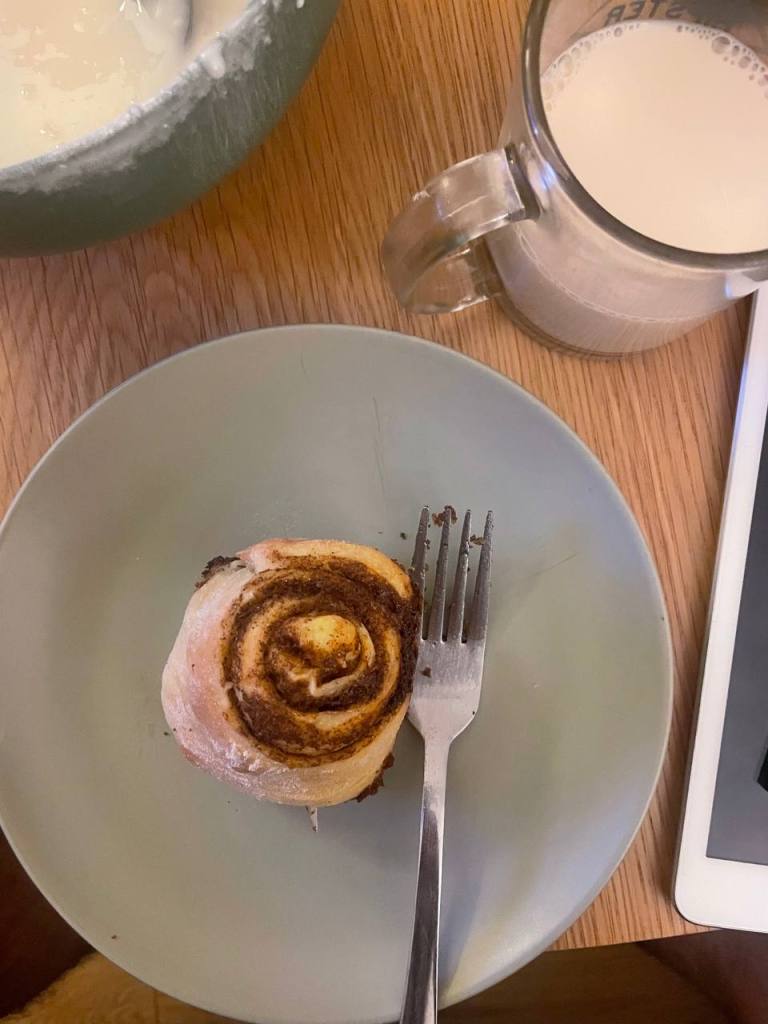
The recipe I’ve selected for December is not one that I cooked. However, I had a strong emotional reaction eating it.
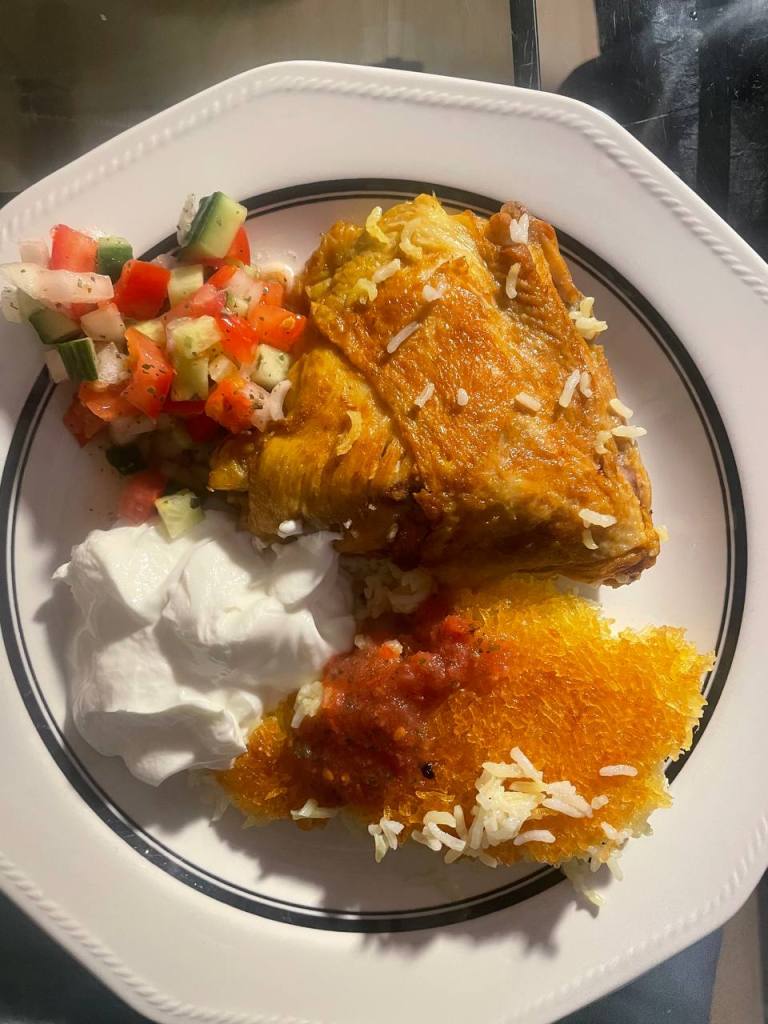
Lotfollah
This recipe also comes from my dad, and it has a funny origin story. He had an office job at a factory, and on his way from the carpark to his office he’d always pass by the room of the security guard who’s name is Lotfollah (literally translating to: God’s kindness). Every time he’d be enticed by the smell of the same chicken and rice dish, but he never did get to try it.
During the COVID lockdowns, he remembered this memory and invented a recipe in the name of Lotfollah, trying to re-create the taste that his nose could smell.
Ingredients
- Rice
- Chicken thighs
- Neutral oil
- Salt
- Pepper
- Turmeric
Preparation
- Coat the thighs with salt, pepper and turmeric, then shallow fry on both sides until crispy. We don’t care for the chicken to be fully cooked at this stage
- Half cook the rice, and then strain and wash with cold water
- Add some oil to a pot, then cover with rice. Add the chicken on top, and then pour the remaining rice over the chicken
- Cook dum-style until the rice is nice and fluffy
- The dish can be enjoyed on it’s own, but I would suggest serving with some Greek yoghurt, shirazi salad and homemade shattah.
Happy New Year!
Overall it has been a great year. One of the things I’m happiest about is my commitment to writing. I’m excited to continue this into the next year, and I have lots of ideas for new areas I want to explore.
This article has largely been about me. However, many of the experiences above would not have been possible without the special people I spent them with. I am deeply grateful for them.
I wish you all a Happy New Year. May it bring you joy during the good days, strength during the bad ones, and a healthy amount of struggle and growth for all the days in between.
- 0% adds a nice tang to the salad but it can be too much. For a creamier option go for 2.5% or 5%, but I would avoid going any higher as you don’t want the salad to taste yoghurty. ↩︎
- Funny story: I was trying to increase my confidence in Spanish so went to my local areperia and asked the staff if they had a recipe for arroz con quinua… I felt so embarrassed but hey! That’s how I gained the confidence to speak Spanish! ↩︎
- Optionally: you can crush some of the pomegranates in a plastic bag before hand, and add it to the walnut, herb and garlic mixture ↩︎
 Tsunami's Hungry
Leave a comment