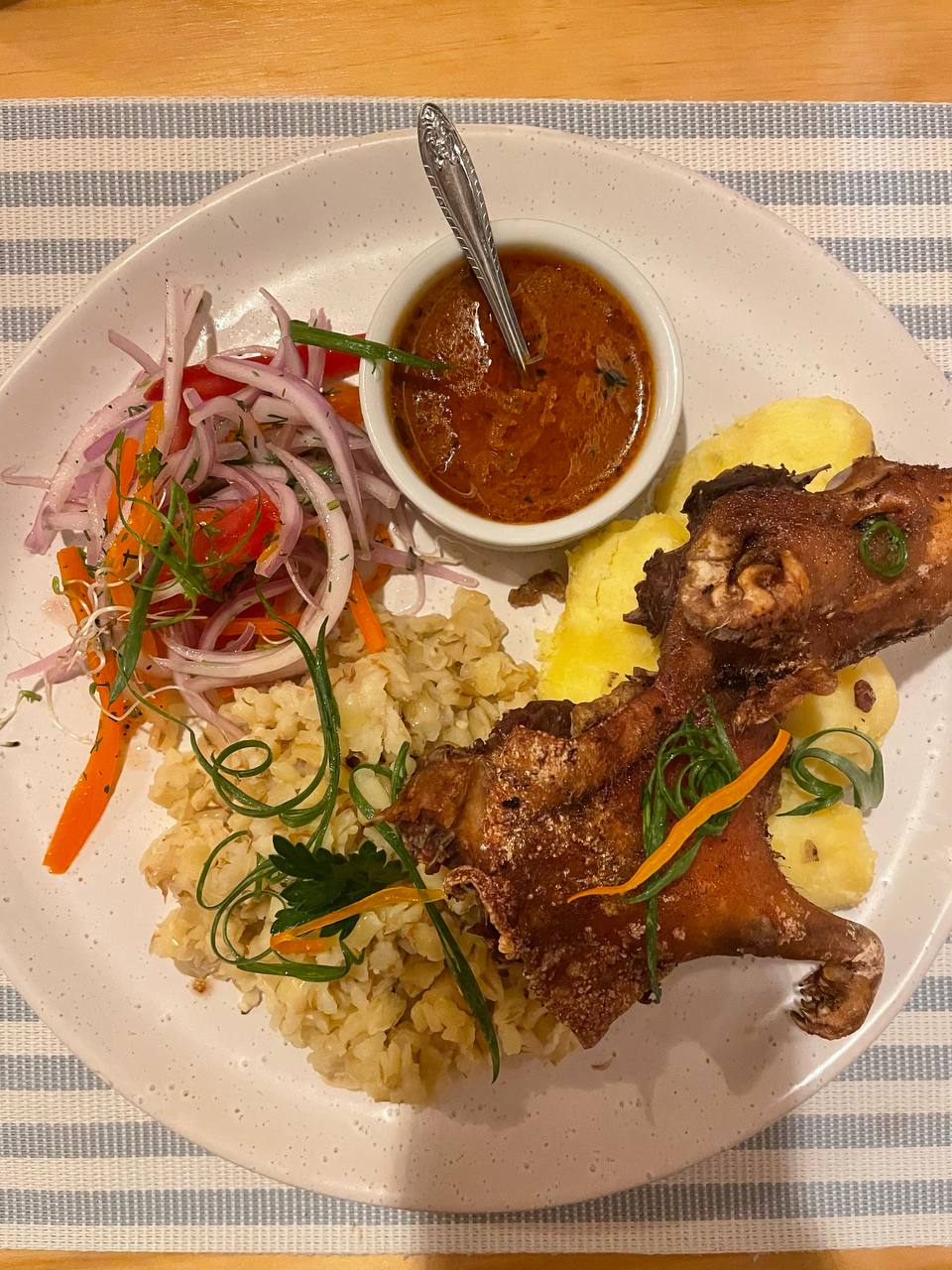
Peruvian cusine is often hailed as the best in the world, due to its rich diversity, taking flavours from indigenous, Spanish, African and Asian cultures, and its use of fresh ingredients. However, like most of the other well loved cuisines of the world1, people love Peruvian cuisine because of good marketing. The dishes you find in Peru are completely unlike the fancy stuff you get in the Michelin starred restaurants of Europe: the food is rustic, homey and comforting… in many ways not dissimilar to English cuisine2.
This is my (very opinionated) review of the dishes and ingredients I tried during my trip there.
- Peruvian Dishes
- Picante de Habas
- Trucha Frita
- Papa Rellena
- Cancha
- Mazamorra de Calabaza
- Lomo Saltado
- Arroz Chaufa
- Crema de Zapallo
- Estofado de Cerdo
- Aji de Gallina
- Tomalito
- Sopa de Ajo
- Tequeños
- Tallarín a la Huancaina con Lomo Fino
- Pachamanca
- Chicharrón de Chancho
- Empanada
- Maté de Coca
- Pollo a la Huacatay
- Siete Semillas
- Estofado de Pollo
- Arroz con Pollo
- Chicha Morada
- Picante de Cuy
- Anticuchos de Corazon
- Bistec a la Povre
- Pan con Tamal
- Api de Quinua
- Crema de Habas
- Mazamorra Morada
- Bebida de Quinua
- Other
- Staple Foods in Peru
Peruvian Dishes
Below is a ranked list of my favourite Peruvian dishes. I’ve tried, wherever possible, to include notes about the origin of the dish to show how diverse Peruvian cuisine is!
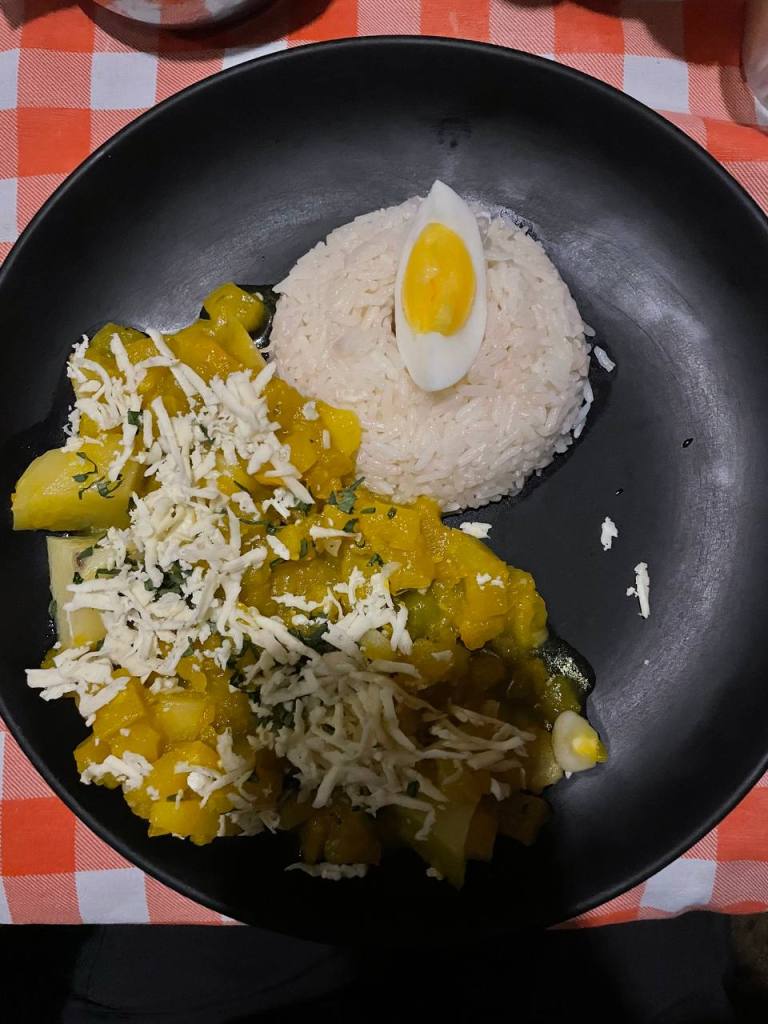
Picante de Habas
Fava bean stew3
I find it rather funny that my favourite Peruvian dish was one whose main ingredient I was allergic to. The fava bean stew is a hearty stew comprised of fava beans, potatoes, onions and sometimes squash. It contains the Peruvian staple of aji amarillo (yellow pepper) which gives it the yellow colour and that distinctive Peruvian taste. It is typically served with rice and garnished with queso fresco.
I fell in love with this dish because the huacatay (Peruvian mint)4 and queso fresco added an undiscovered and bold dimension to a vegetable stew that I can so easily make at home.
While this is definitely an Andean dish, you can see elements of Spanish cuisine as well: the use of dairy and onion, and the process of thickening a stew.
Trucha Frita
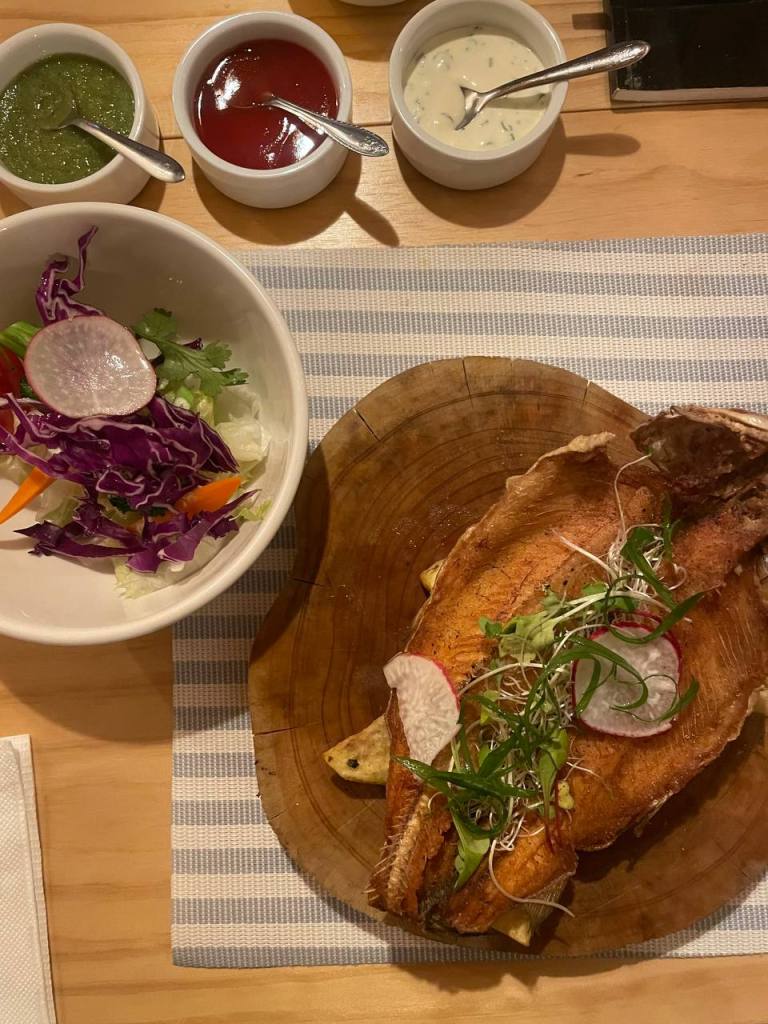
Fried trout
This may not seem like a dish characteristically Peruvian, but allow me to change your perception. The Andean regions of Peru have no access to the sea, so the seafood the locals consume are limited to trout from the glacial lakes high up in the mountains.
The trout is gutted5, flattenened and then deep fried and served over a bed of fried potato wedges. It is so fresh that even if you are actively looking for the smallest hint of “fishiness” like me you won’t find it! The bones are so tiny that you can just eat the whole thing, perhaps minus the head, and it is a true joy to consume. In my case it was perfected salted.
It is accompanied by three sauces: a sauce that tastes like ketchup but has a bit of a kick in the backgroud, aji verde, which is a spicy green sauce and a mayo that tastes like tartar.
I was very surprised that I enjoyed this dish so much, and in a strange way it made me feel close to my dad, who holds fried fish (though fried in Iranian style) very close to his heart.
Trucha Frita is also distinctly Andean, though the use of oil to deep fry seems to be a Spanish influence, possibly from Sephardic Jewish traditions6 (that are believed to have also been the inspiration for fish and chips).
Papa Rellena
Stuffed Potatoes
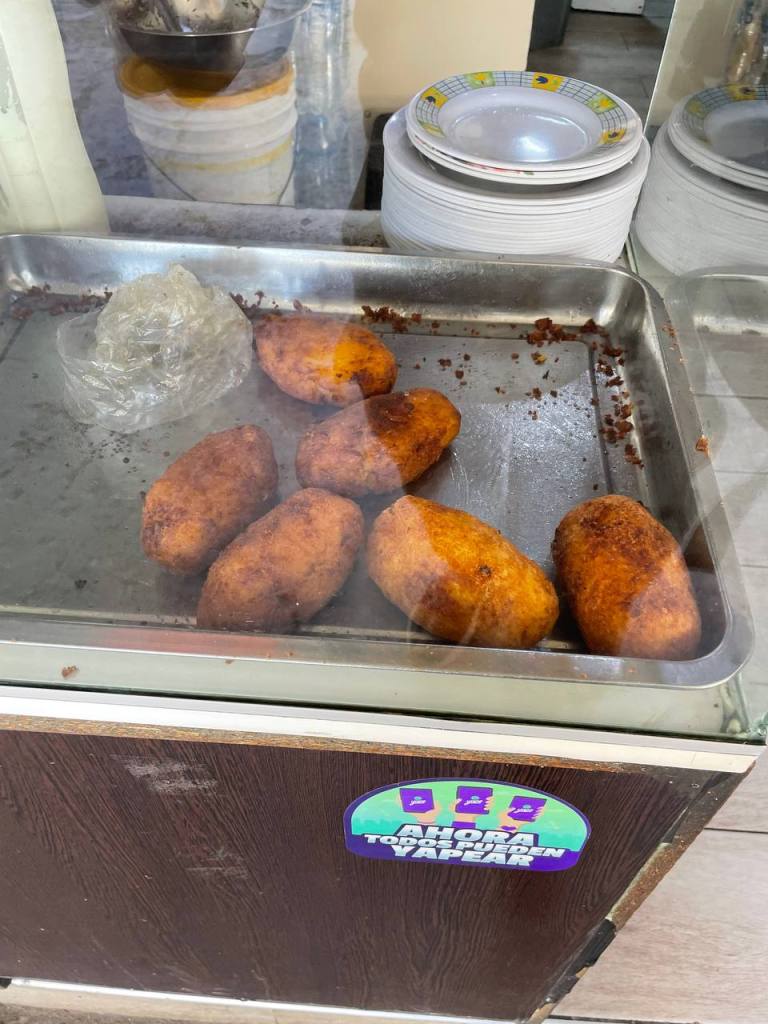
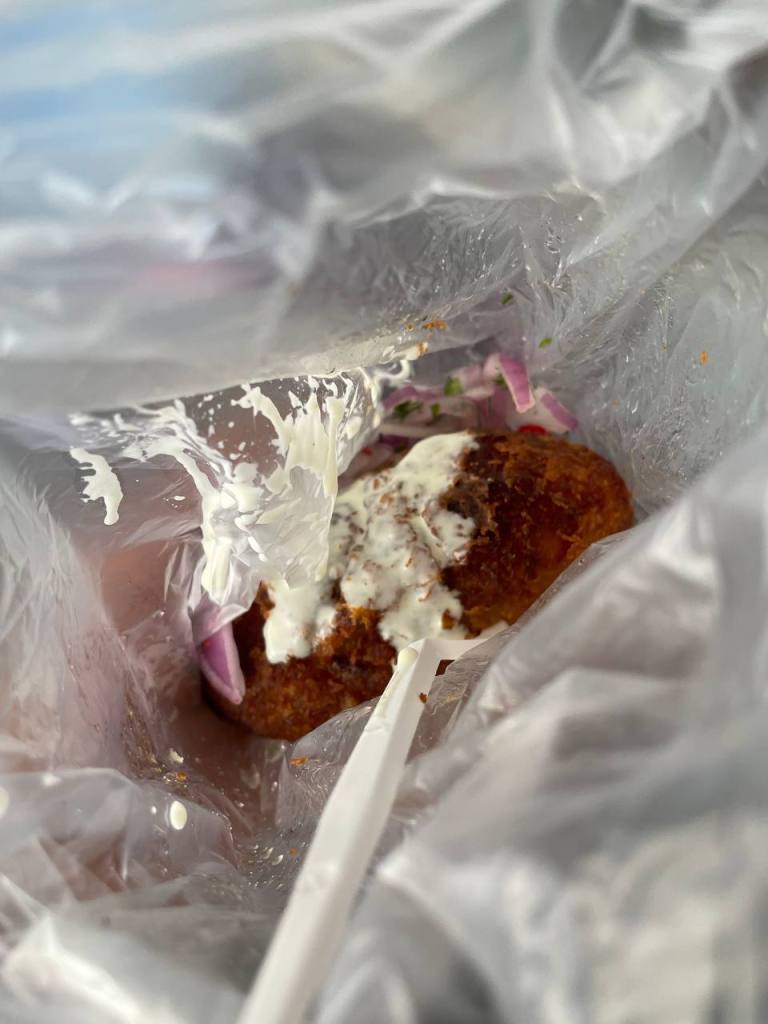
I lament that I don’t have better photos for this wonderful dish. Papa Rellena literally menas stuffed potatoes, but the name doesn’t do the dish any justice. The insides of the potato are super soft, almost mashed potato like, but the outside has the subtle crisp of chicken nuggets. The filling is comprised of beef cooked with onions and ají panca7, giving each bite a wonderful and aromatic taste. It is typically servied with salsa criolla (onions, aji amarillo, tomatoes, limes and coriander) and a sauce (in my case it seemed to be a variant of mayo). It is such a. basic and humble dish, and if it weren’t for my self-discipline I would have had 10.
Here one can see the Spanish influence as well: the salsa criolla, the use of beef and onions in the filling, breading the potatoes and frying them are all influences from Spain.
Cancha
Popped corn
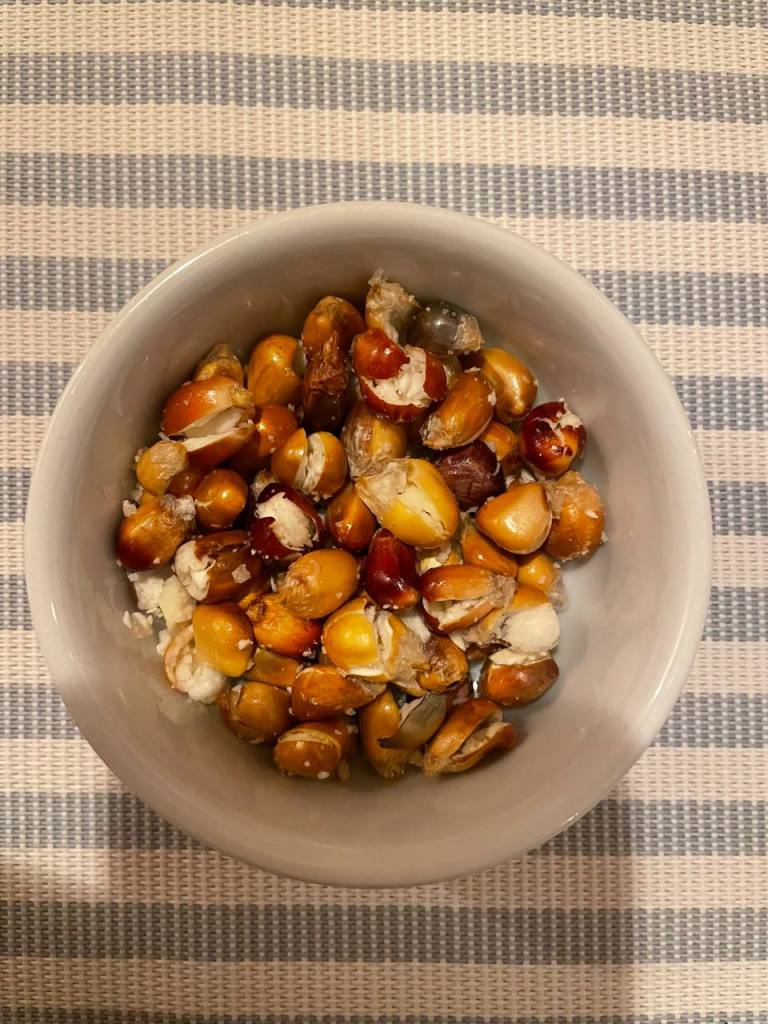
Corn that is popped, but this is not popcorn. A lot of the friends I made were getting tired of having this, which meant more for me!
They have a nutty flavour and are perfectly salted, making them the perfect appetizer.
Mazamorra de Calabaza
Pumpkin pudding
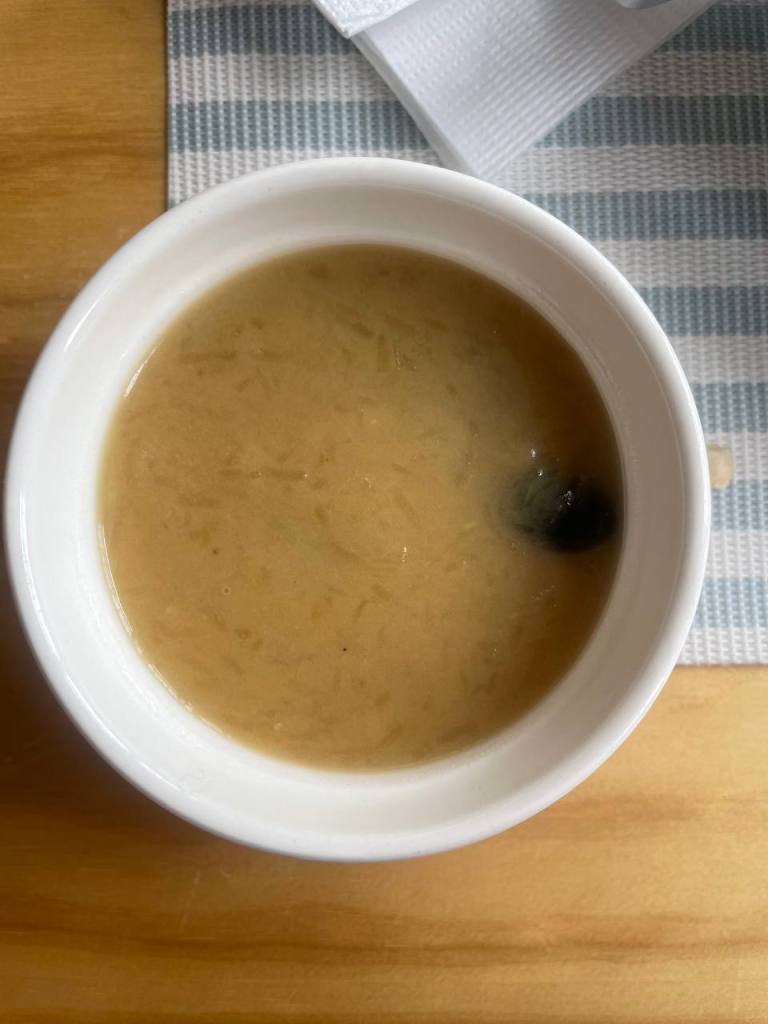
I wasn’t expecting this pudding when it arrived as part of the lunch deal that I got. I initially had reservations, but it smelt so good and was warm so decided to go for it.
It was lovely. A gentle sweetness and so much warmth, both from the spices and the dish itself. I particularly enjoyed that the seeds were in there too… they added a nice texture and crunch reminiscent of lightly soaked pumpkin seeds.
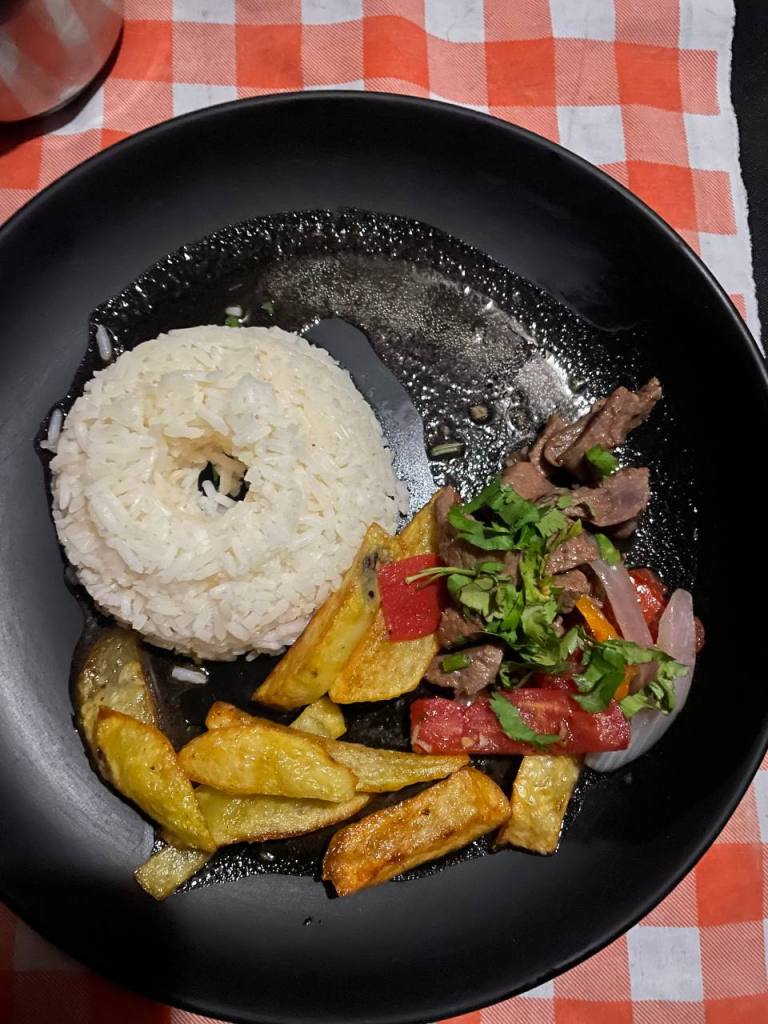
Lomo Saltado
Beef stirfry
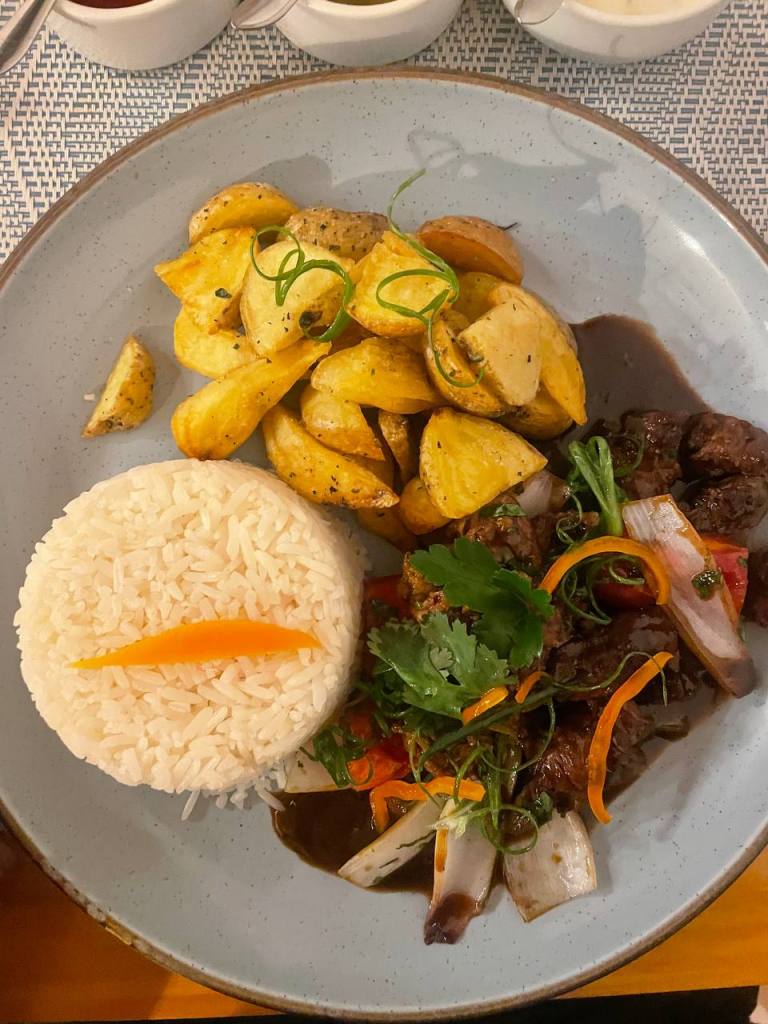
Lomo saltado is a perfect example of naturally occurring fusion cuisine: its origins can be traced to Chinese immigrants in the 1600 hundreds! The cooking method of the same as that of a stirfry, and its primary flavour comes from soy sauce. However, it is served alongside potatoes, a Peruvian ingredient.
I really enjoyed this dish, but I would note that it can be salty from the soy sauce, so I wouldn’t have it every day.
In Peru you can find two variants of this: fino and cuadril, which refer to the cuts of meat used, with fino meaning filet, and cuadril meaning rump. I found the rump saltados to be more fitting, as I enjoy a bit more chewiness on a stirfry.
Arroz Chaufa
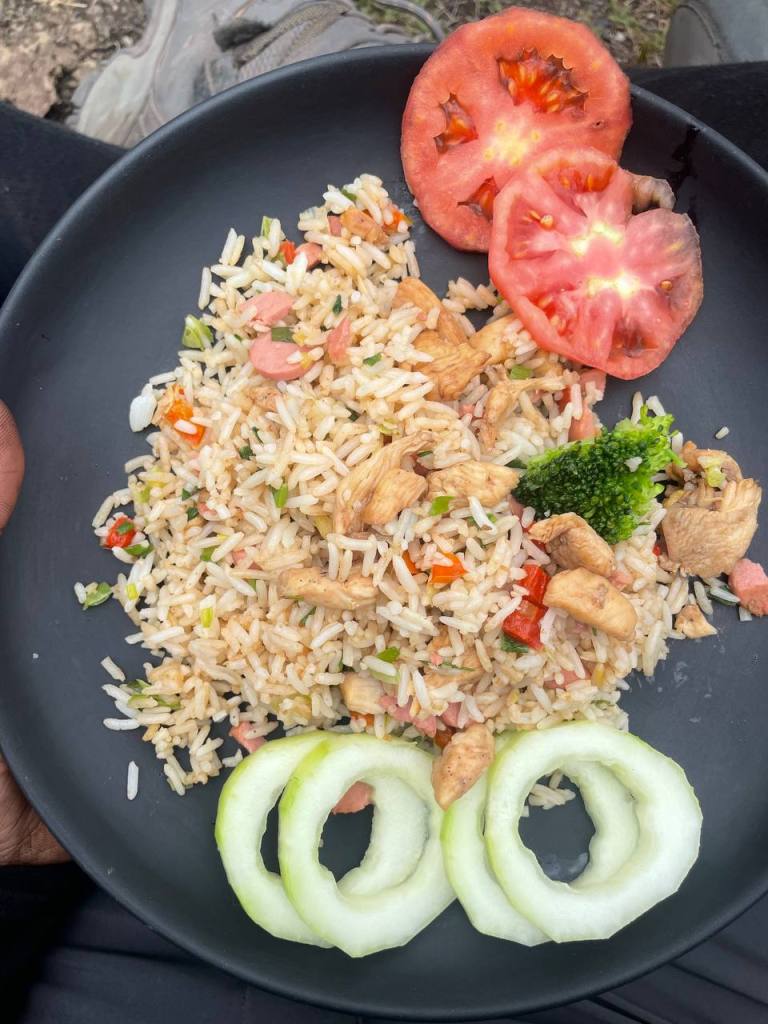
Fried rice
Arroz Chaufa is another naturally occurring fusion dish, also originating from Chinese immigrants. I loved this dish and I was tempted to place it higher than Lomo Saltado, but my only reason for putting it a bit lower is that it can feel a bit dry without any sauce. It pairs very well with tarí, a sauce made from aji amarillo.
The Arroz Chaufa that I had had sausages which added a really nice touch to the fried rice, and you could clearly taste the Chinese flavours in the soy sauce on the chicken, and the scallions added as a garnish.
Crema de Zapallo
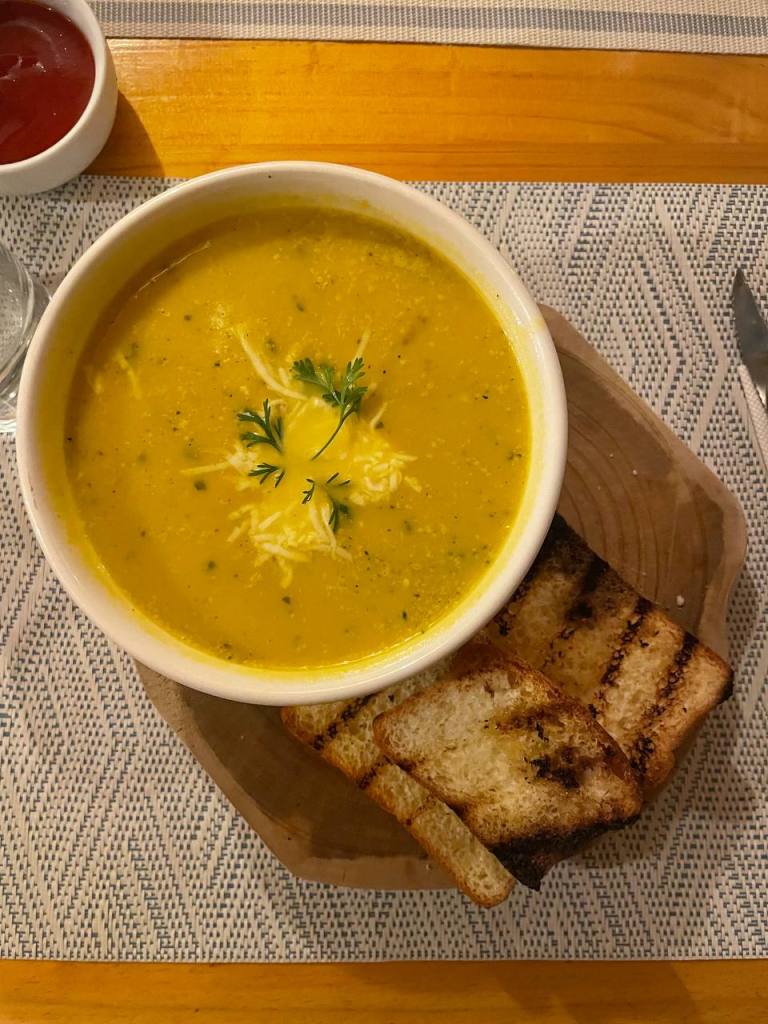
Cream of Squash
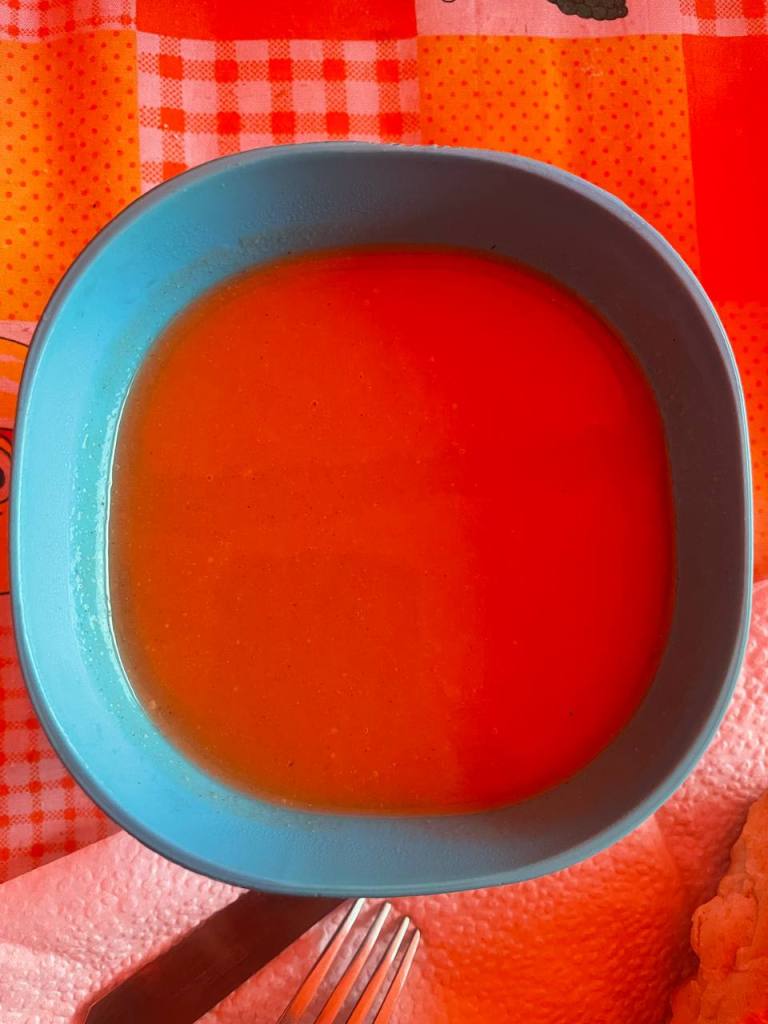
A wonderful dish that warms the soul on days that you are cold and tired. I found myself enjoying the addition of queso fresco quite a bit despite by initial reservations.
We may see this dish as international, but must remember that the squash is native to the Americas.
Estofado de Cerdo
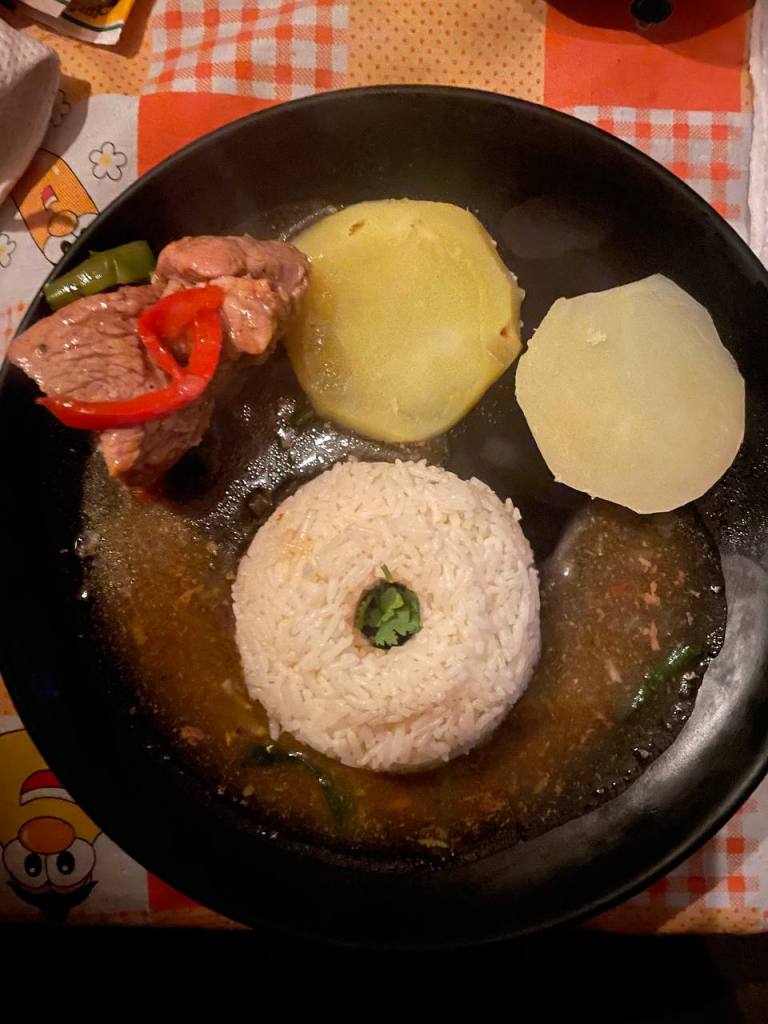
Pork stew
It was only after a few hours of having had this dish did I realise that I really enjoyed it. I remembered that the meat was succulent, and the flavours of the stew quite subtle. The side of sweet potato added a necessary and enjoyable dryness to the dish that was much appreciated.
This dish is very reminiscent of the humble pork stews you get in Europe, except that I’d add that it is better seasoned and flavoured due to the addition of peppers. And also, the addition of the sweet potato and rice add what is sometimes a very boring pork stew, with potatoes as the only carb.
Aji de Gallina
Hen’s chilli
While the dish doesn’t look particularly appetizing, it has a lovely flavour and that distinct yellow colour from the aji amarillo. The addition of egg makes the dish ever more interesting. I enjoyed it quite a bit, though I found that it could be a bit salty, and can get tiring after a few bites: you can really feel the lack of vegetables.
This dish seems to be derived from the medieval Spanish dish of manjar blanco, which was a shredded chicken dish cooked with almonds, milk and sugar. I think the Peruvians have definitely evolved it for the better.

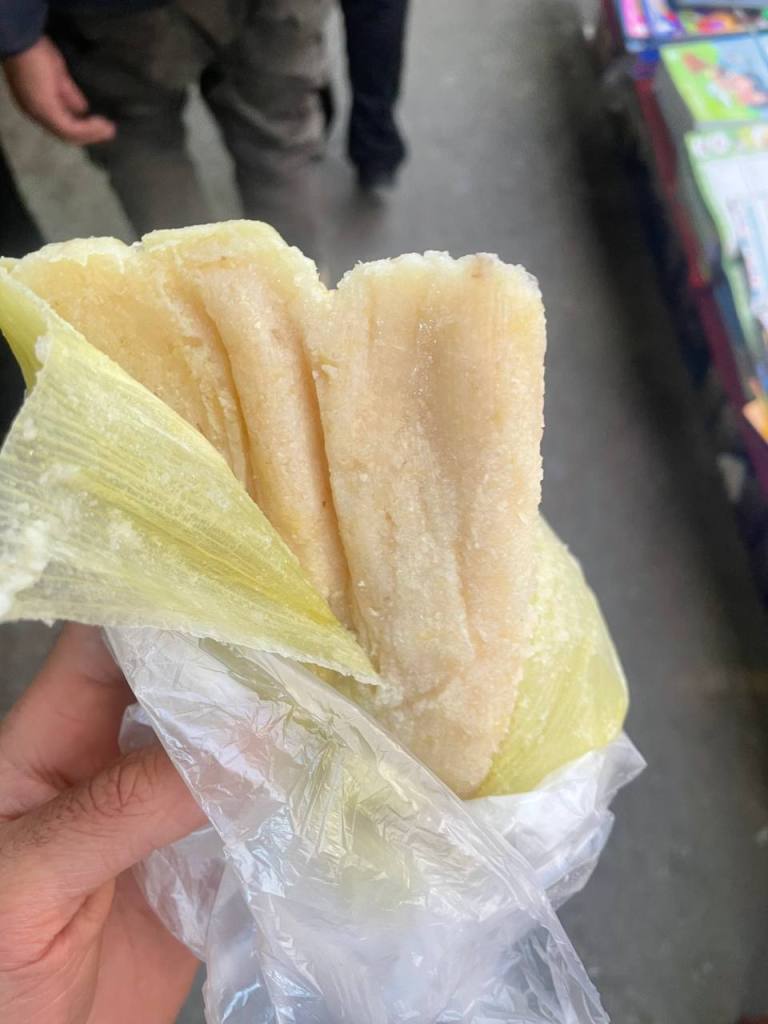
Tomalito
Corn dough parcel
I was quite fascinating by this at the mercado central in Huaraz, so got one. It was a lovely sweet treat, and it was only until I got back home that I was able to research to understand what it is.
Effectively, corn that is fresh is ground up into a flour like consistency, and then steamed before it is wrapped again in corn leaves8. It has a subtle sweetness and only a subtle flavour of corn, and I enjoyed it much more than sweetcorn. This was as plain as a tamalito can get: simply corn, but it really is wonderful.
Sopa de Ajo
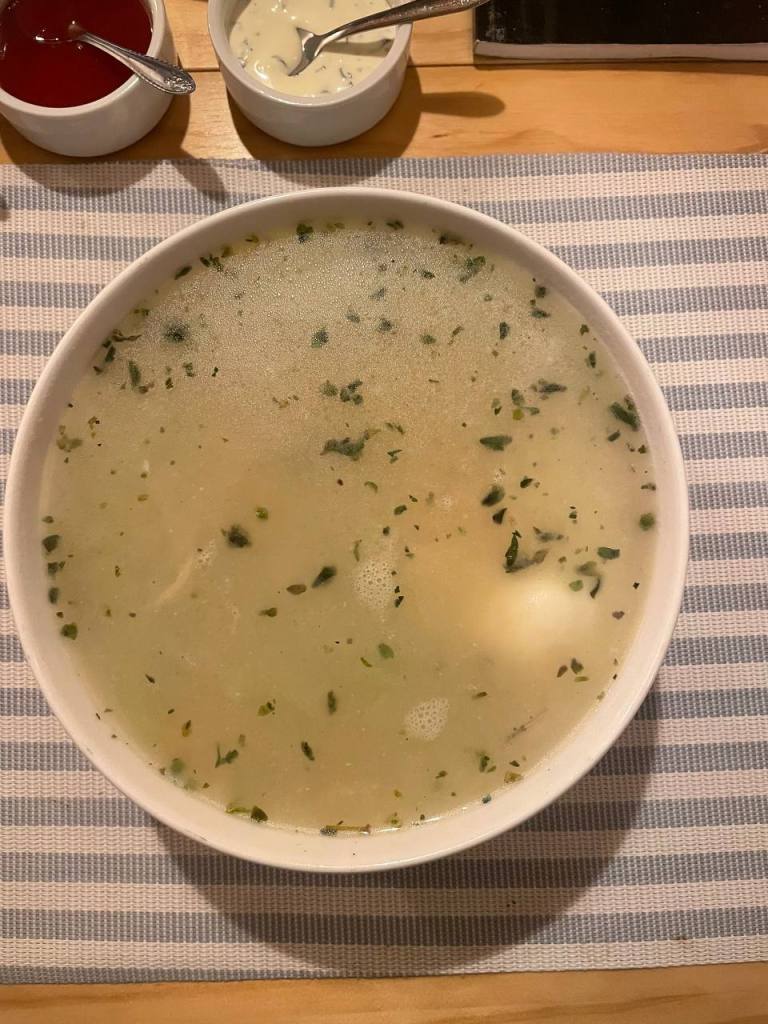
Garlic soup
Garlic soups are excellent and not unique to Peru. In fact if you search garlic soup on Google you’ll likely get the Spanish variant. However, the Andean one that I had was very subtle, and you could see some of the local influences: local herbs like huacatay, and the addition of a whole boiled egg in the soup, and only the tiniest hint of garlic. Truly a joy with every sip, and really warming.
Tequeños
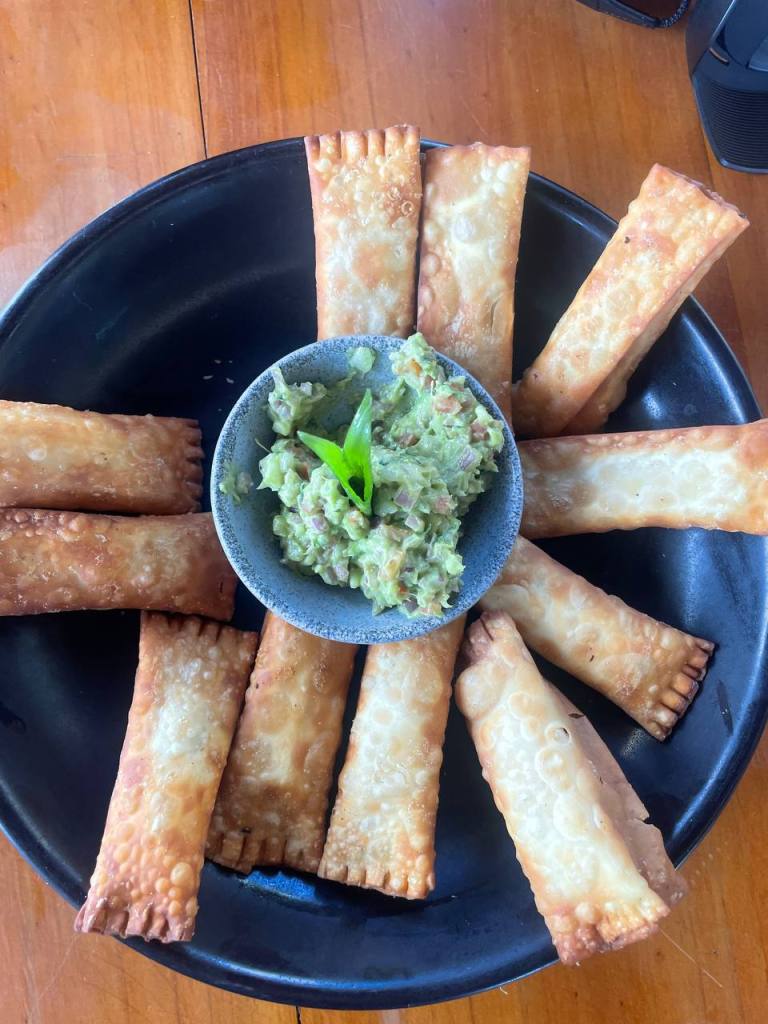
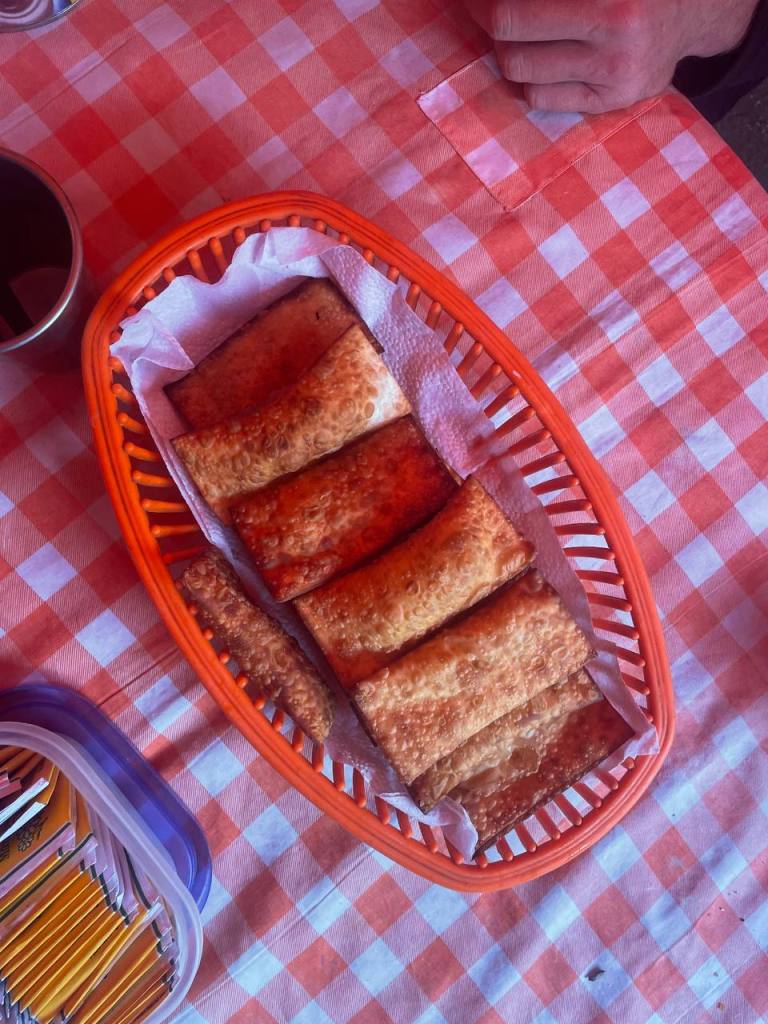
Deep fried cheesesticks
Tequeños are cuboids of queso fresco wrapped in pastry, and then deep fried. I was rather surprised to find these in Peru, as they are originally from Venezuela, however it is my understanding that they are very common in Peru.
The Peruvian tequeños have a tangy/strong flavour from the queso fresco, which I didn’t love. I much prefer the Venezuelan ones, which use a softer, sweeter dough and a milder cheese. But even better than both are the the cheese rolls I had in the Ramadans of Dubai: crunchy like the Peruvian tequeños, but filled with the soft kiri cheese, and glazed with honey and garnished with pistachios.
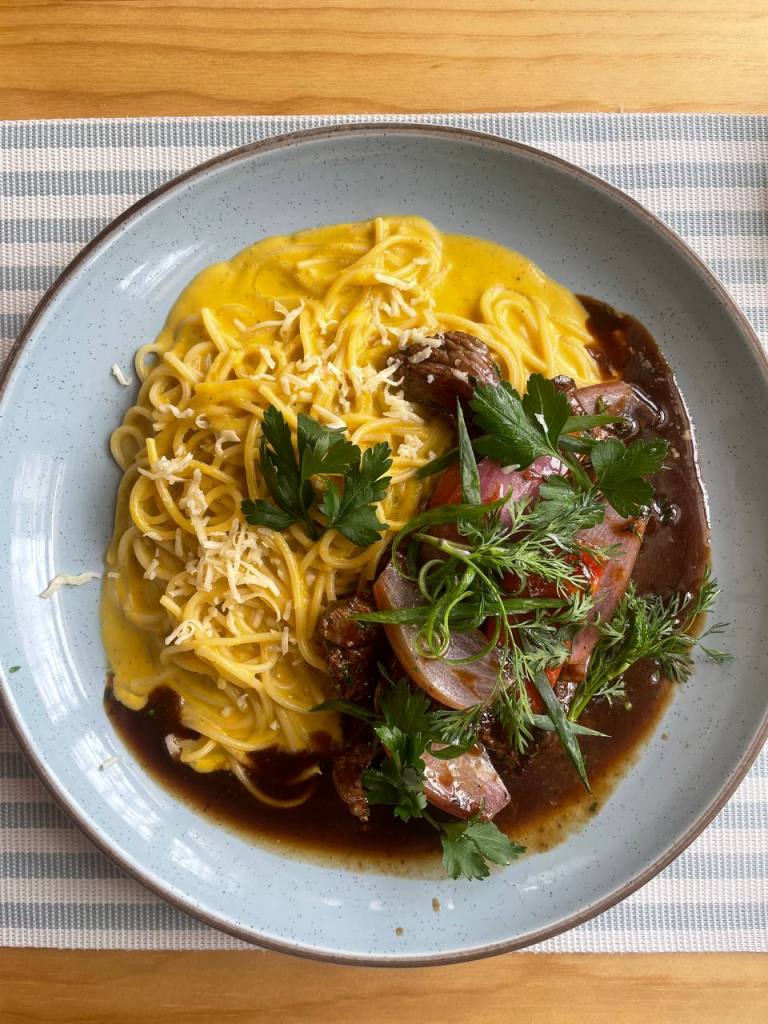
Tallarín a la Huancaina con Lomo Fino
Huancaina Noodles with Lomo Saltado (Fino)
You’ve probably noticed that if a dish is yellow, it most likely uses aji amarillo. That is the case with the huancaina sauce, which is a creamy cheese sauce made from aji amarillo and queso fresco. It can be served with many things, such as chicken or potatoes, but also on pasta as a side to a lomo saltado.
While the sauce is tasty, I found a few issues with it: the sauce is too cheesy/heavy, and reminds me a bit of mac and cheese. This can be nice in certain contexts, but overall I didn’t rate it, particularly when served alongside lomo saltado! I found the whole thing rather salty.
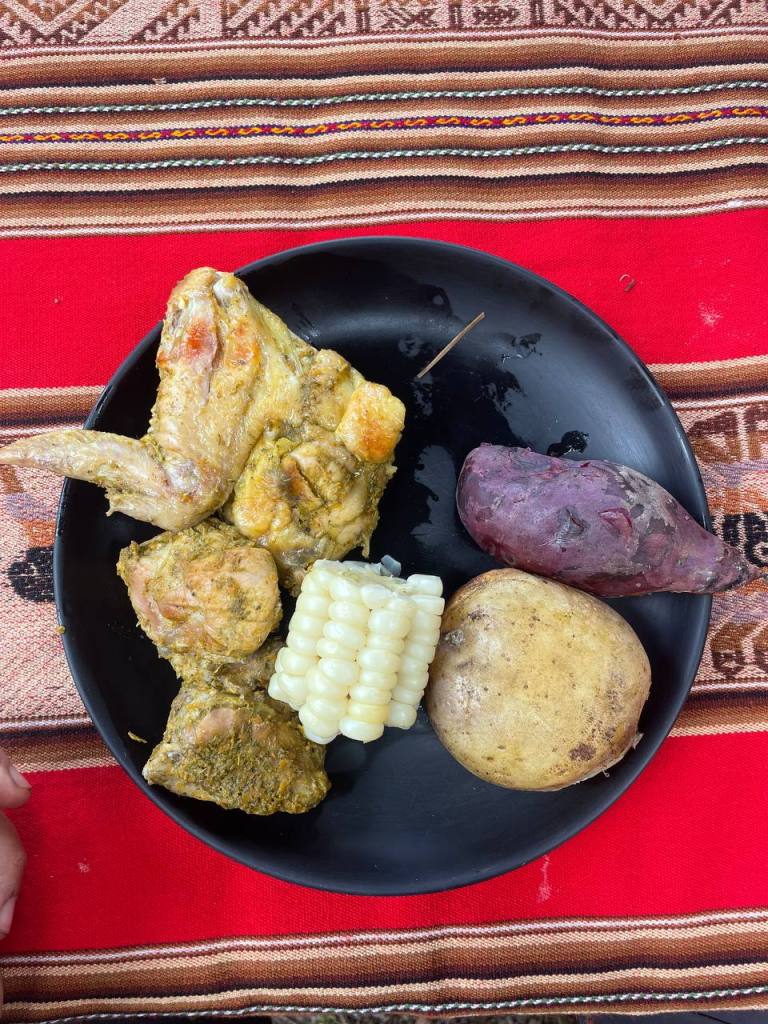
Pachamanca
Meat and potatoes cooked in stones
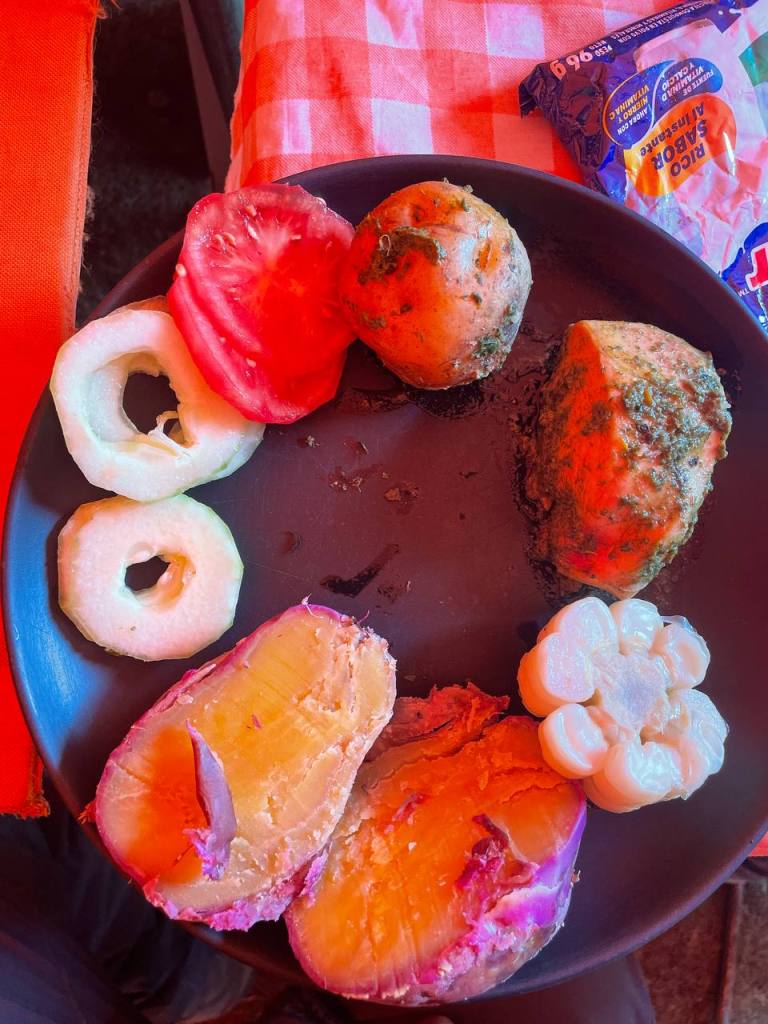
Pachamanca is the closest one gets to Peruvian cuisine untouched by foreign influences, as the only influence seems to be the use of chicken and pork which was brought by the Spanish. Before that, the Andeans would have likely used native animals such as guinea pig or llama.
What makes this dish interesting is the process of cooking: an oven like structure is made with stones, and then a flame is lit inside, heating them. The oven is then broken apart to its foundation, where sweet potatoes and potatoes are placed. Some of the stones are then laid on top of them, fully covering them. After this, marinated meat (pork and chicken) in paper bags are placed on top of the stones, and subsequently covered with more stones. Following this, fava beans are added, and then covered with hay. As I understand it, this traps steam. Finally the structure is covered with what seemed to be cardboard/plastic, and dirt.
It is a rather tasty dish (particularly the pork), but I put it lower on my list because I found it rather dry to have as is.
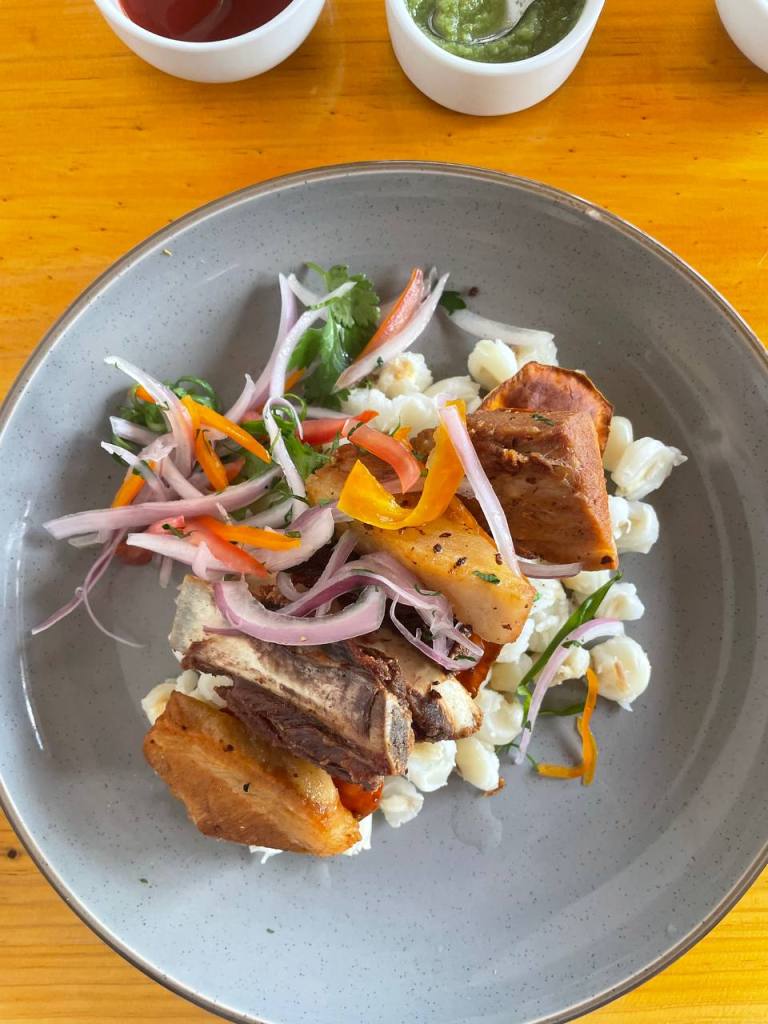
Chicharrón de Chancho
Pork belly
Pork belly and ribs served with sweet potatoes on a bed of choclo, the giant Peruvian white corn. I want to stress that this wasn’t a bad dish, and rather quite enjoyable, but I found all the other dishes described above thus far more interesting in flavour. I was not particularly a fan of the white corn on this dish, as it simply adds blandness.
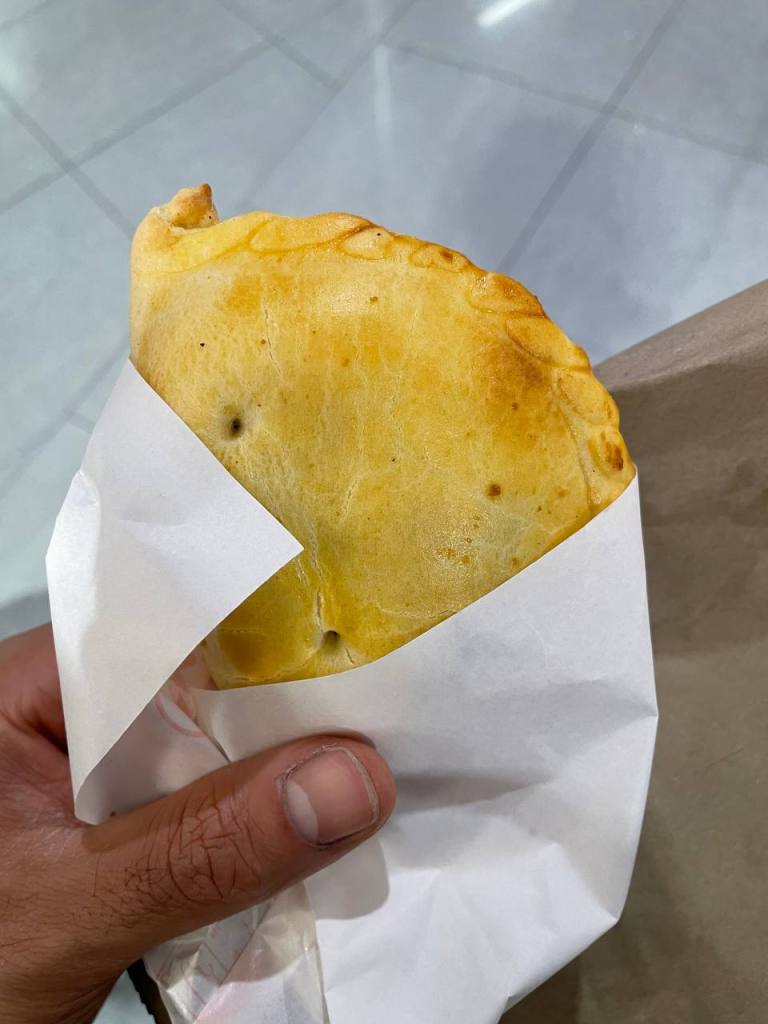
Empanada
Pasties with fillings
Empanadas do not originate in Argentina as I previously had thought9. It is theorised that they come from Spain. That said, they are very widespread in Peru, and Peruvians consider them a national dish.
I must admit that I was rather disappointed with the one I got. I didn’t find the pastry to be as buttery as that from Argentinian restaurants that I’ve had, and it felt very heavy on the stomach without satisfying my hunger.
Maté de Coca
Coca tea
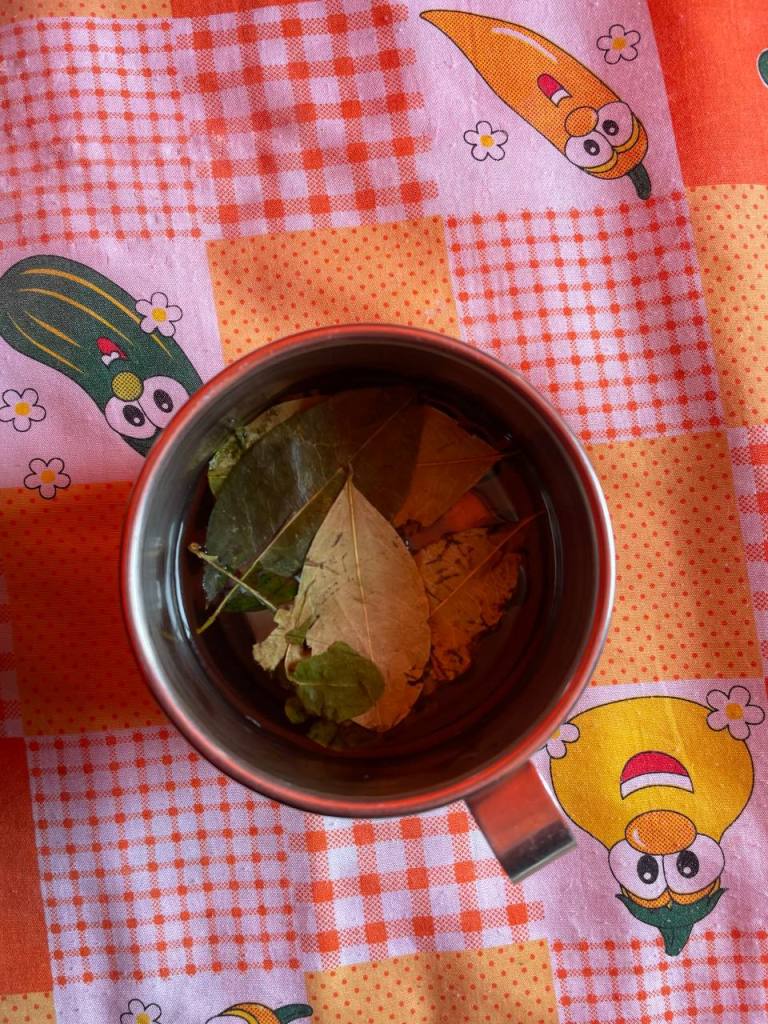
Coca tea is purely Andean, for the natives have allegedly used it to combat altitude sickness for god knows how long. I personally found it to taste rather mild, bordering on flavourless, and I never noticed any benefits when it came to altitude.
Pollo a la Huacatay
Chicken stew with Huacatay
Looking back, this dish seems like it had the same herbs as pachamanca, but it was prepared as a stew instead. I didn’t enjoy it because it had the dryness of pachamanca but without any of the smokiness.
Siete Semillas
Seven Seeds Porridge
Seven seeds is a flour blend sold in Peru that is comprised of 7 main grains/seeds: wheat, barley, corn, quinoa, amaranth, flaxseeds and sesame seeds. This flour blend is cooked in water with some sweetener, gloves and cinnamon to make porridge.
The taste is wonderful, but the texture leaves one asking for more – it is very grainy and too runny.
Estofado de Pollo
Chicken stew
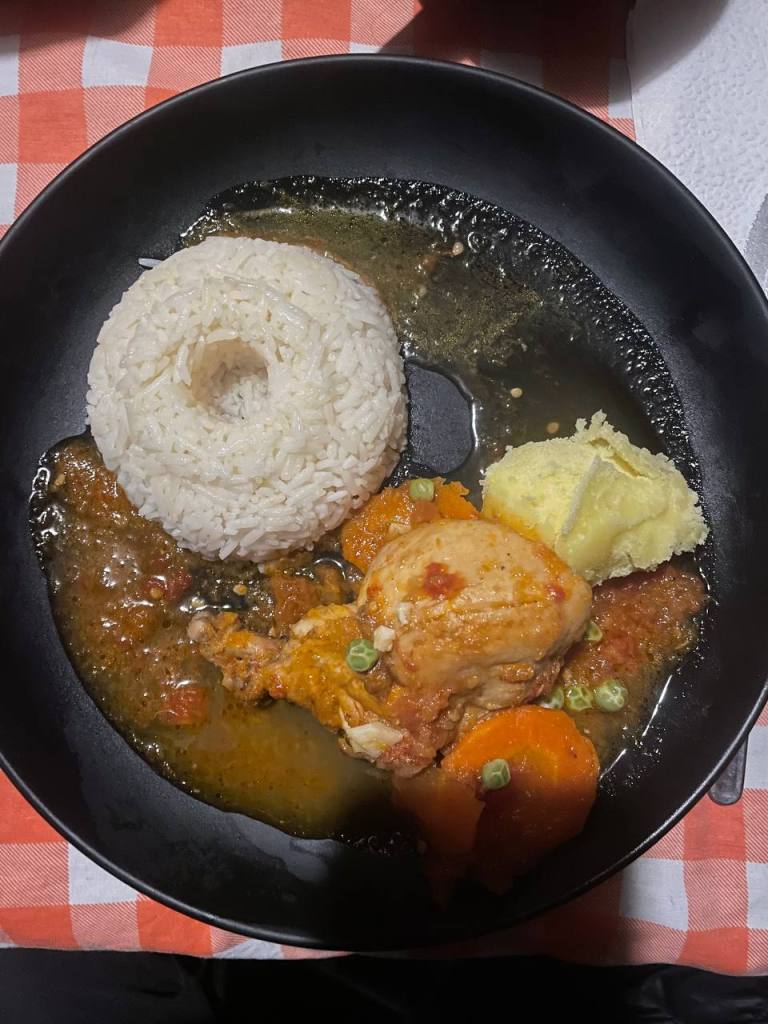
There was nothing wrong with this dish, and in fact it was very tasty. I’ve only rated it a bit lower on the scale because I didn’t find it to be much different from any chicken stew that you can make at home.
Arroz con Pollo
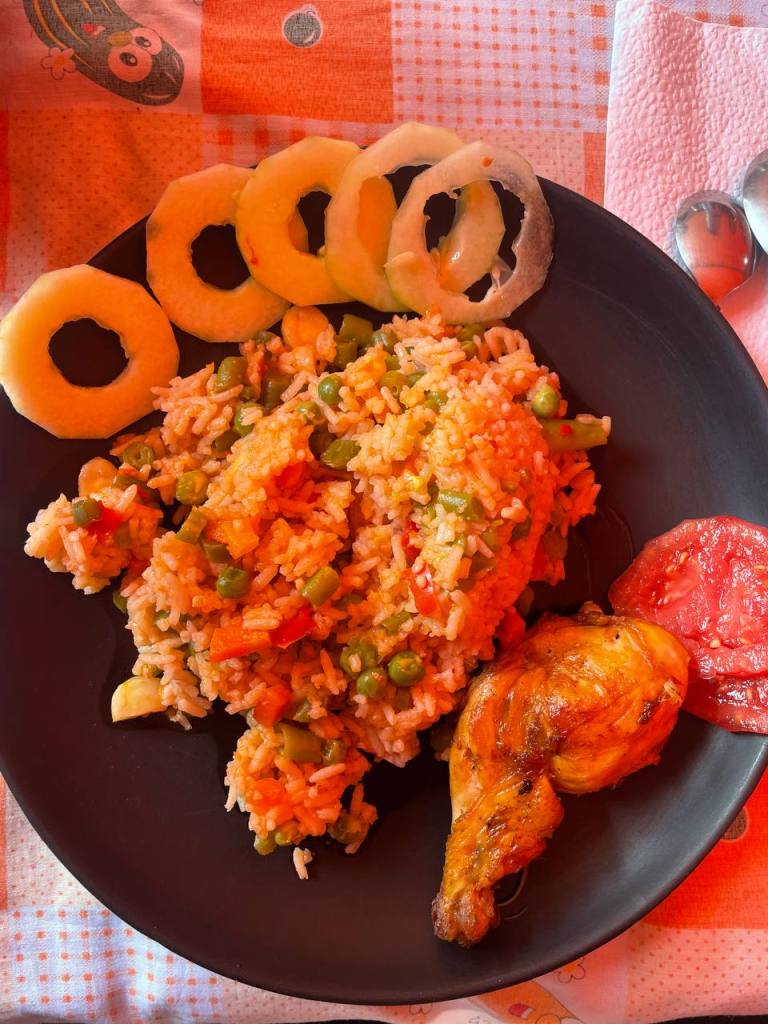
Chicken and rice
The same can be sai about the chicken and rice dish. Tasty and reliable, but not interesting enough to warrant a better rank.
Chicha Morada
Purple corn drink
Chicha morada is a drink made by boiling purple corn in spices, sugar, and other goodies before cooling it, blending it with ice and serving it as a drink. It tastes good, but there’s always this artificial aftertaste characteristic of the purple corn that I don’t enjoy.

Picante de Cuy
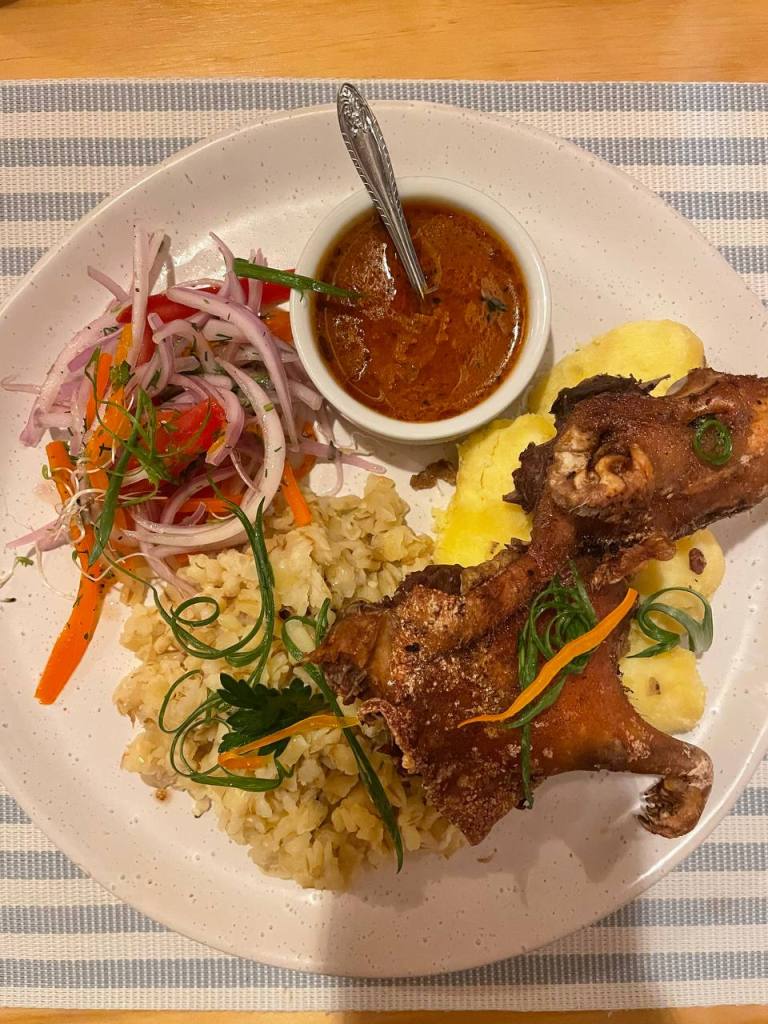
Fried guinea pig with spicy sauce
Guinea pig is an animal that is native to the region, and thus heavily consumed, even before the arrival of the Spanish. I was quite hesitant to try this dish because of how it is served: the whole animal gutted and split, looking at you like a bat.
In the end I gave in to curiosity and tried it.
There is a lot going for this dish: the salsa criollo on the side adds a nice balance to the whole thing, the sauce is really tasty, the potatoes add a nice absorbing layer to all the fats, and the hulled wheat has a tasty flavour.
But the guinea pig itself, despite being tasty, is so bony and skinny that eating it is a struggle. The meat is quite tough, and I found myself wrestling with the carcass trying to get as much as possible to no avail. It tastes almost exactly like chicken.
Anticuchos de Corazon
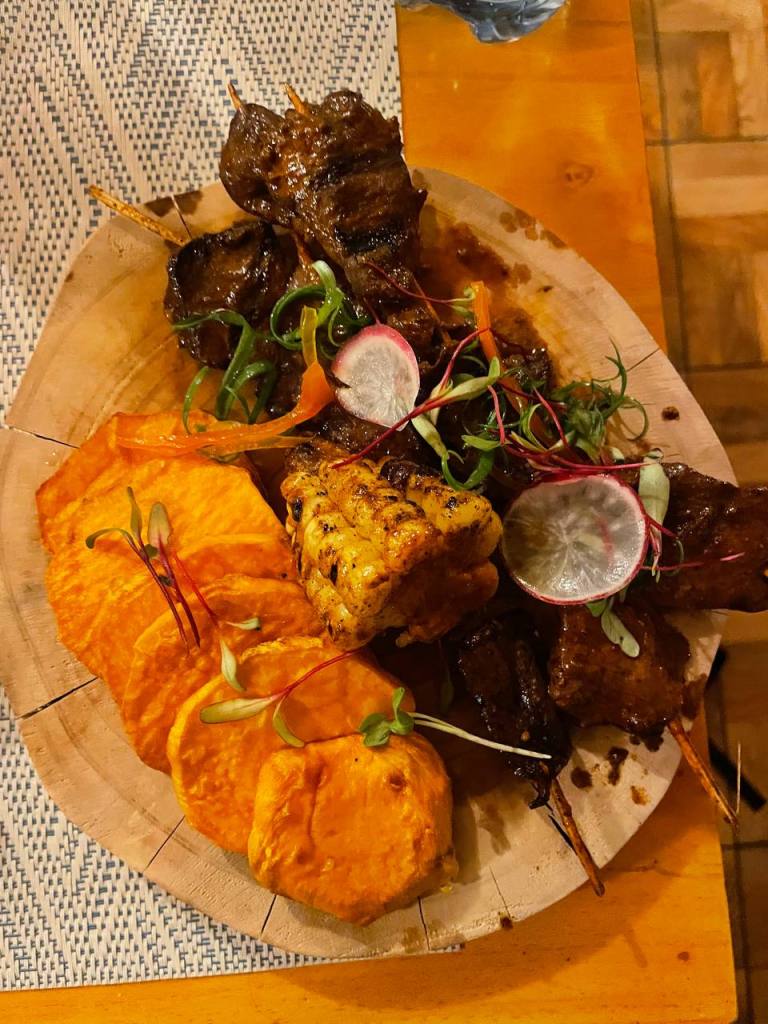
Heart skewers
I was very excited to try this dish, as beef heart is one of those rarities when barbequing that really hits the spot when you get one: the perfect chew, fat that enhances the beef flavour and crunchiness from salt flakes.
The ones I got in Huaraz were rather disappointing, and perhaps my mistake is that I got them at a restaurant and not from the streets?
Bistec a la Povre
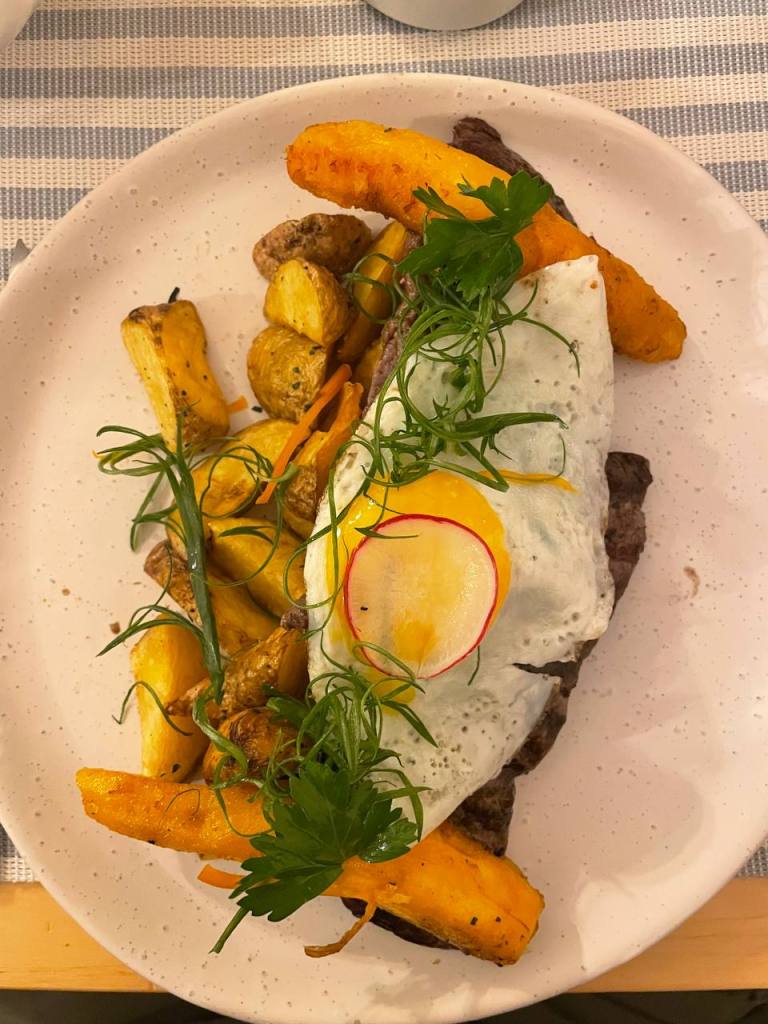
Poor man’s steak
The first time I had this dish was in Paris! And I had it twice, from two different Peruvian restaurants called “Sabor Peruano” and “Sabor Peruano 2” in the 18th Arrondissment. I fell in love with it then, so I knew I had to have it again in Peru. What you get is a thin cut of steak, usually tenderloin, served over fried or roasted potato wedges, and then topped with a sunny side up egg. To me, it is anything but a poor man’s meal but I suppose this name comes from the addition of the egg and fries, to make it more filling, while cutting down the quantity of meat that you get.
I must admit that I much prefered the steaks that I had in France over the one in Peru. It is strange to say this as I find that the beef quality in France isn’t the best. However, the dish as a whole is far better in Peru beause of how well the potatoes are made.
Pan con Tamal
Bread with corn dough parcels
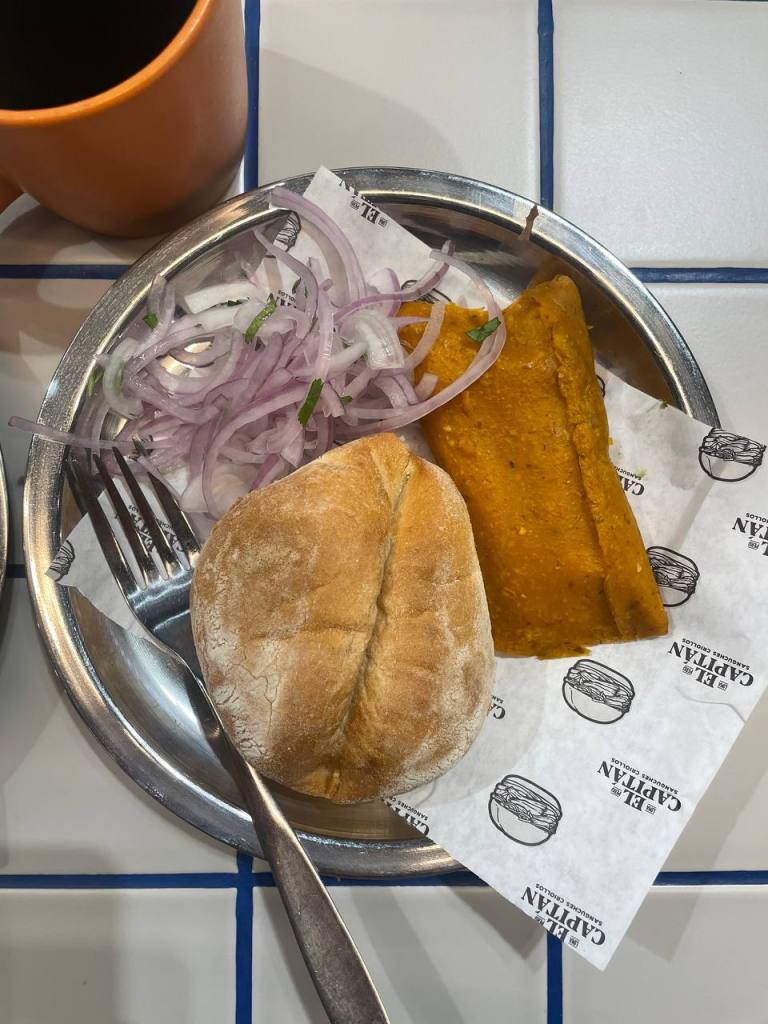
Tamal is the same as tomalito, but the one I had served with bread as a breakfast item was made to taste savory. It had tonnes of spices, and was served with the salsa criollo. This was tasty, but it felt like I was having a potato sandwich. Too many carbs without much substance made my stomach crave for more.
Api de Quinua
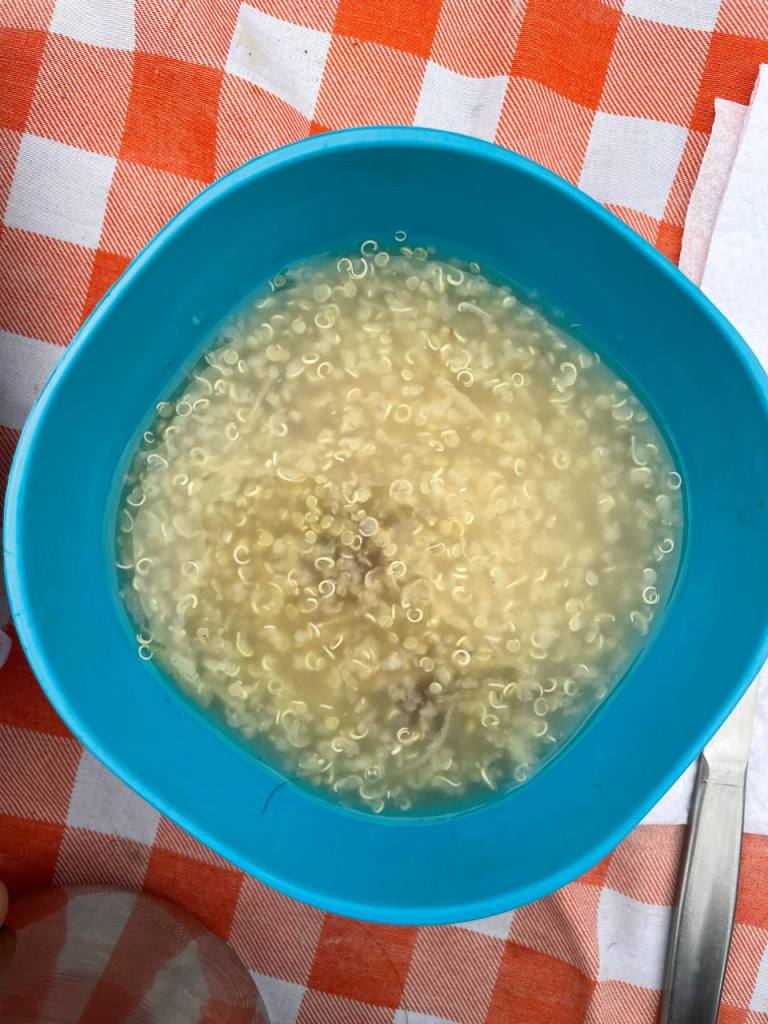
Quinoa porridge
Theoretically, quinoa porridge could taste quite nice. I’ve previously replaced the rice in rice pudding with quinoa and it tasted quite good, so I was hoping for more with this dish. The issue? Too watery and lacking in strong flavors.
Crema de Habas
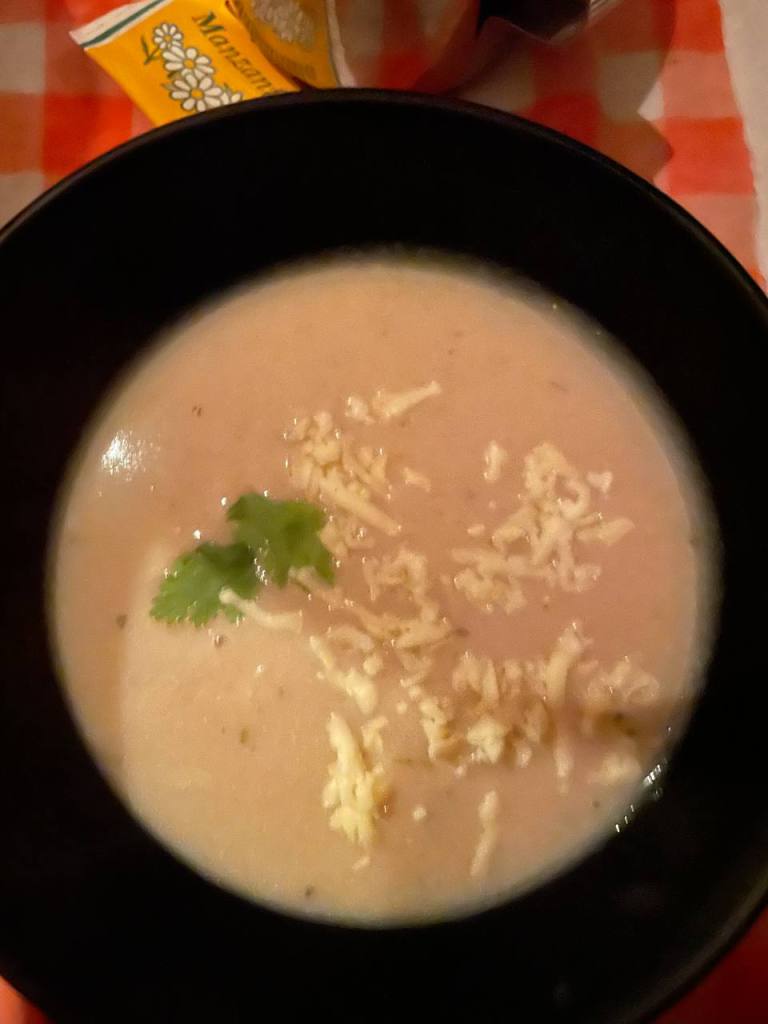
Cream of fava bean soup
Another dish whose main ingredient I’m allergic to. Mine had quinoa instead of fava beans, and while on paper I thought I’d love this dish I found the texture too thick and the flavour too mild – there was nothing going on but the queso fresco.
Mazamorra Morada
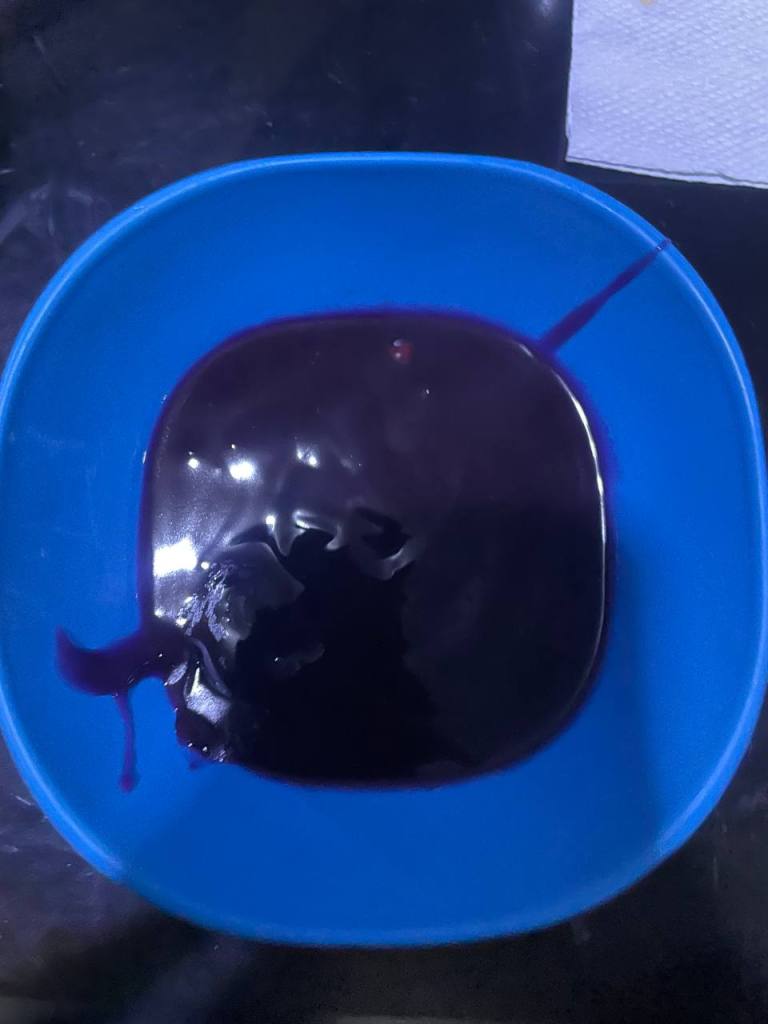
Purple corn pudding
A pudding made of the Peruvian purple corn. I thought I’d enjoy this but I liked neither the flavour nor the texture. It had an artificial sweetness to it that I didn’t enjoy. I finished it because I wished to feel some warmth!
Bebida de Quinua
Quinoa drink
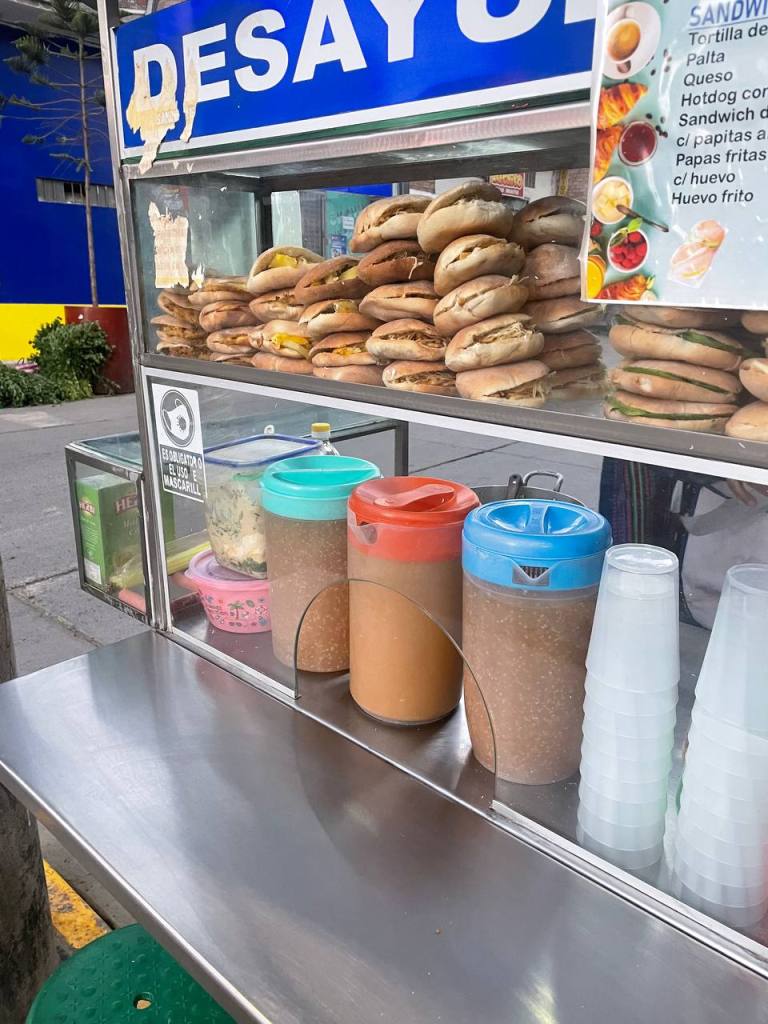
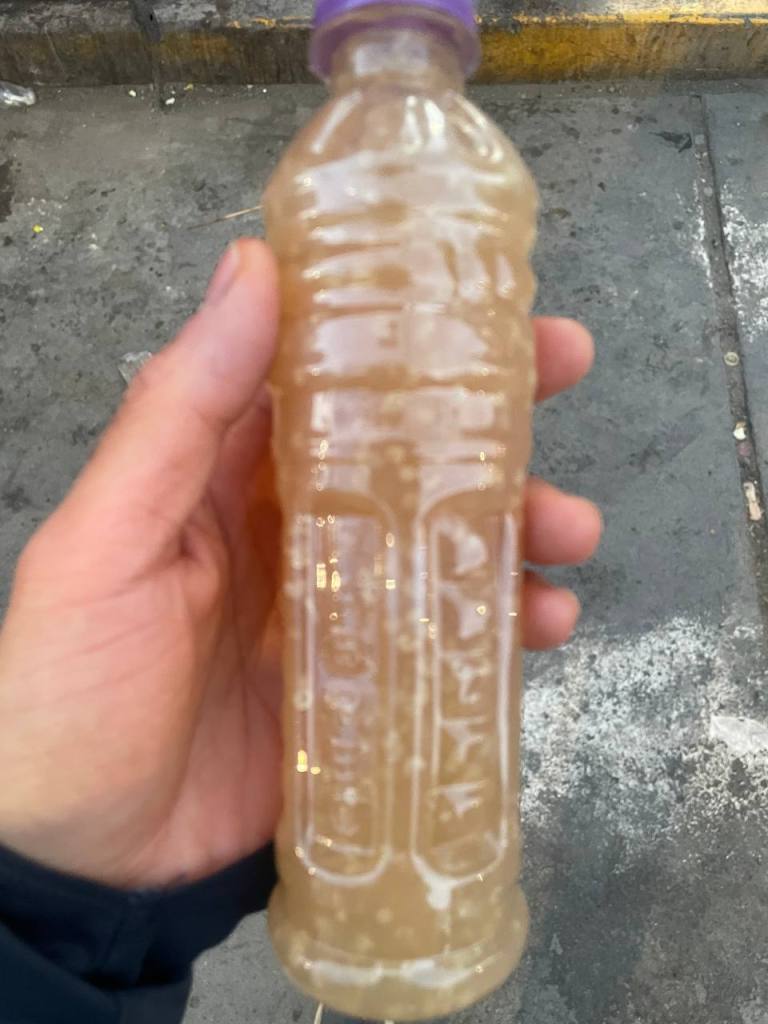
When I first landed in Lima, I had time to kill before my bus to Huaraz. I was looking around for any food inspiration, and I found these stalls selling a quinoa drink that looked interesting… mostly because of the massive queues around them! In the end I gave in to temptation and got one, and it was one of the least appetizing things I’ve ever had, and I must admit, that I didn’t end up finishing it.
It was kind of a liquid porridge, with very mild flavours all around: some quinoa, some sweetness from sugar, some cinnamon… but they were so mild that it felt like I was drinking mildly flavoured water with strnage chunks in it. Kind of like that taste when you add water to a glass that previously had juice in it…
I really didn’t enjoy it.
Despite this being one of the most purely Peruvian dishes, there are still some Spanish influences to note: the use of sugar and cinnamon for flavouring.
Other
I had to use a mixture of online research and ChatGPT to figure out the names of the dish above. Unfortunately, I couldn’t identify many others so I decided to put them all under this section. I’ve learnt for next time to take more detailed notes regarding food!
Beef Stew
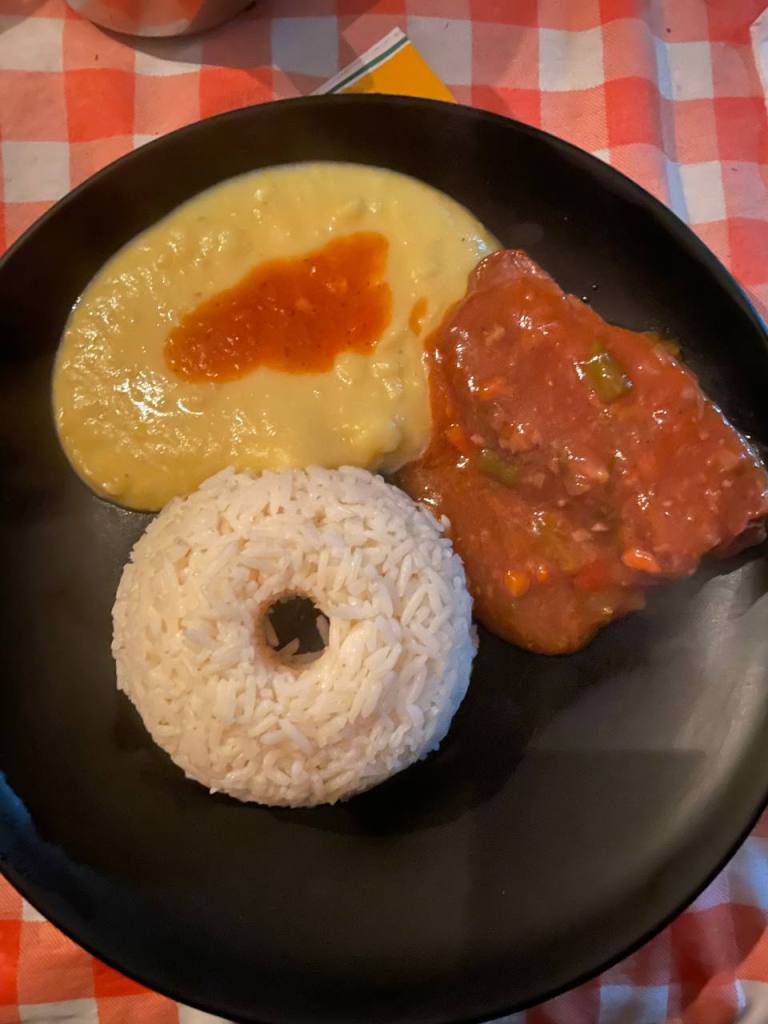
I am almost certain that this stew is Peruvian, due to the yellow mash next to it. I loved this dish so much and would be comfortable placing it among my favorite dishes. The mash in particular was lovely. It added a nice sweetness that balanced the flavour of the stew.
Soups
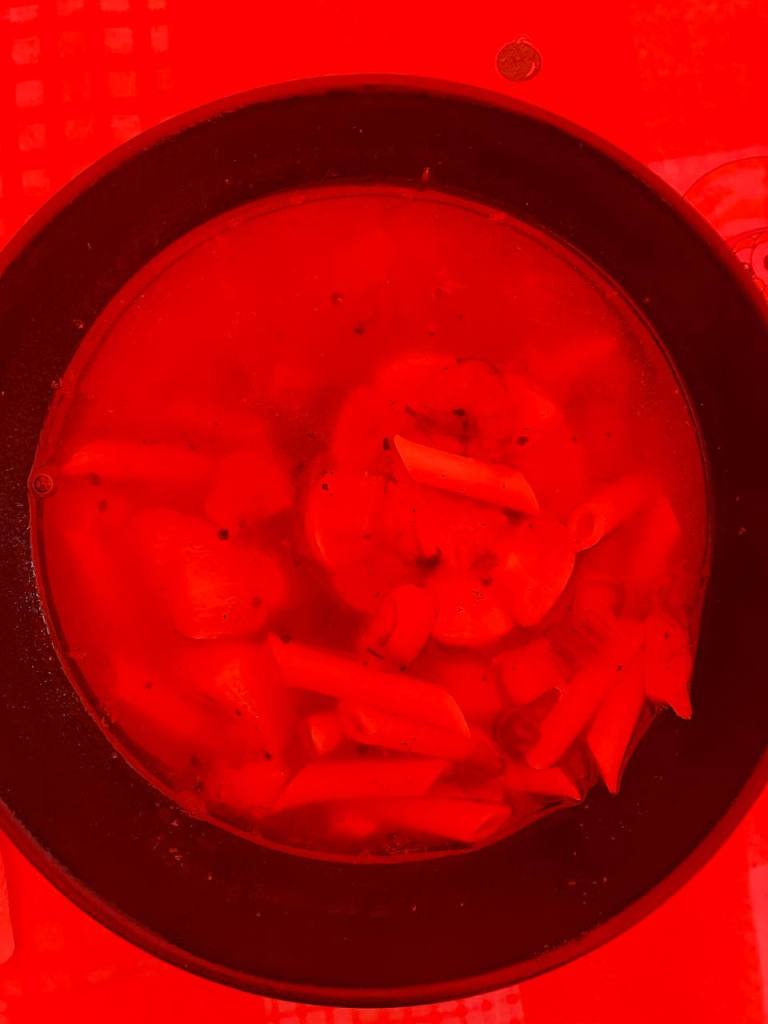
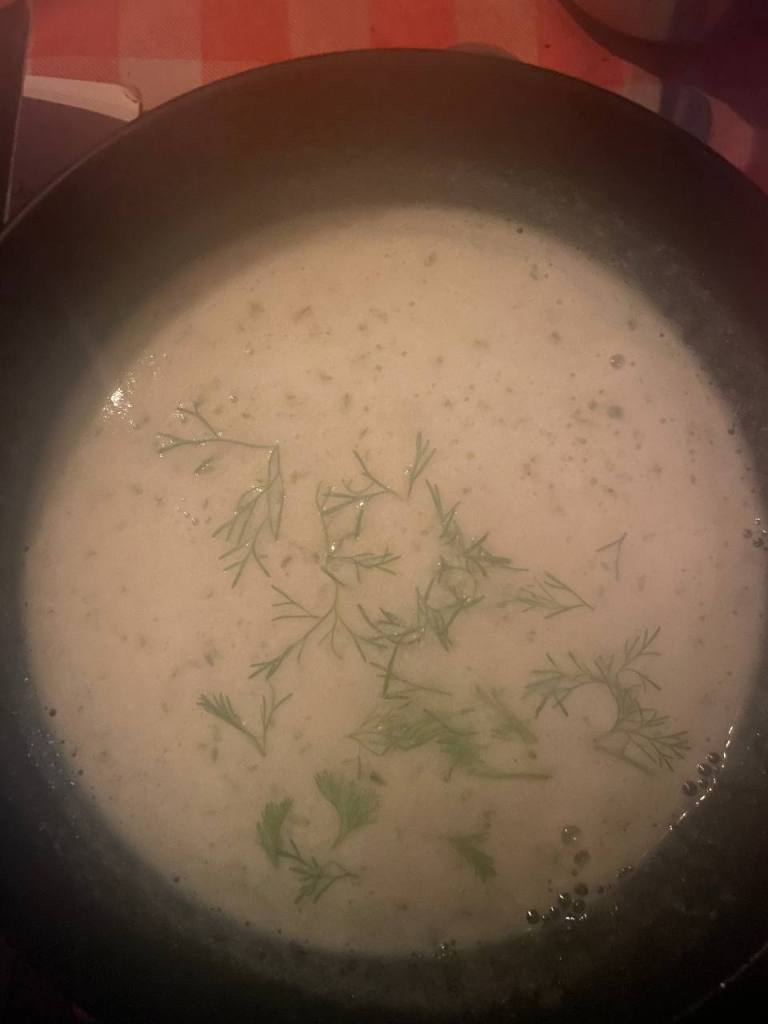
During my trip I had tonnes of soups, most of which I don’t think are distinctly Peruvian, for they tasted just like any other vegetable soup. However, the ones below were different. The first one was my favorite soup by far. It had pasta inside, but then a large chunk of choclo. I believe it was seasoned with huacatay, and particularly strongly because you could really taste something exotic with every slurp.
The second was OK, and not memorable enough for me to describe it much. It had a similar consistency to the cream of quinoa that I described earlier, though ever so slightly runnier.
Staple Foods in Peru
Aside from food items that can be classified as Peruvian, I had tonnes of other food. Here is my view on how they are in Peru.
Burgers
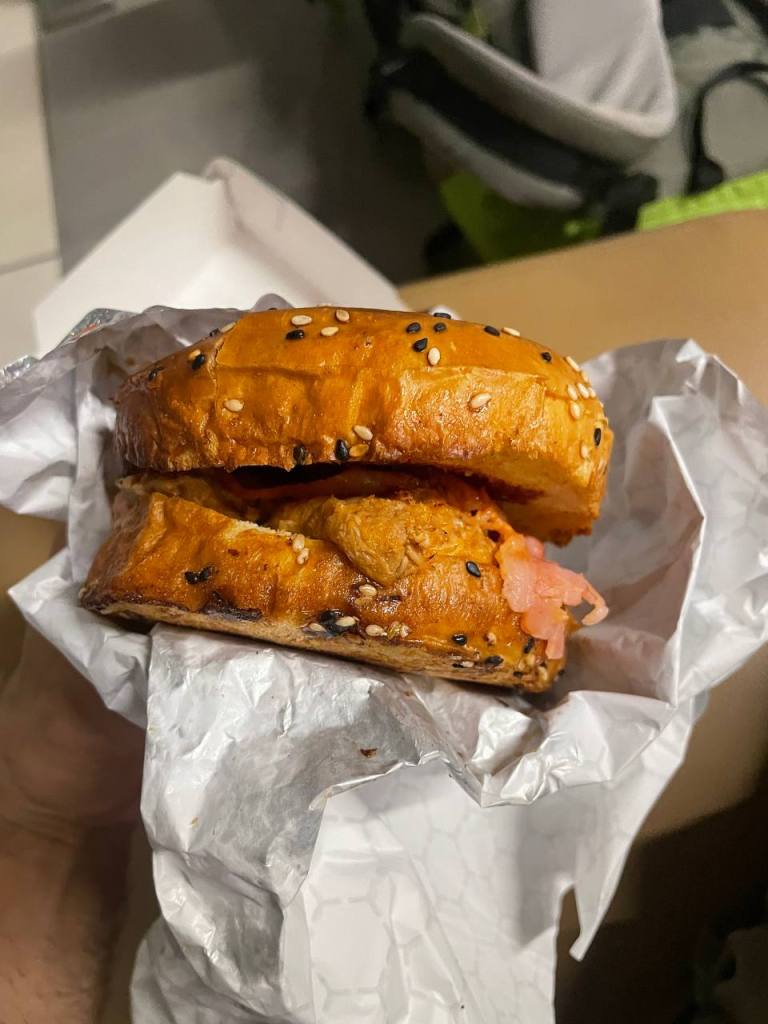
Many of the fast food shops like Listo! sell burgers, or hamburguesas. These are mostly pork based, but not patties in the way that you’d expect. I surmise that the name refers to the shape of the bun used. The one I got was pork, bacon and cheese. It was really tasty, and the meat was super succulent. The bread was also great.
Dried Fruits and Nuts
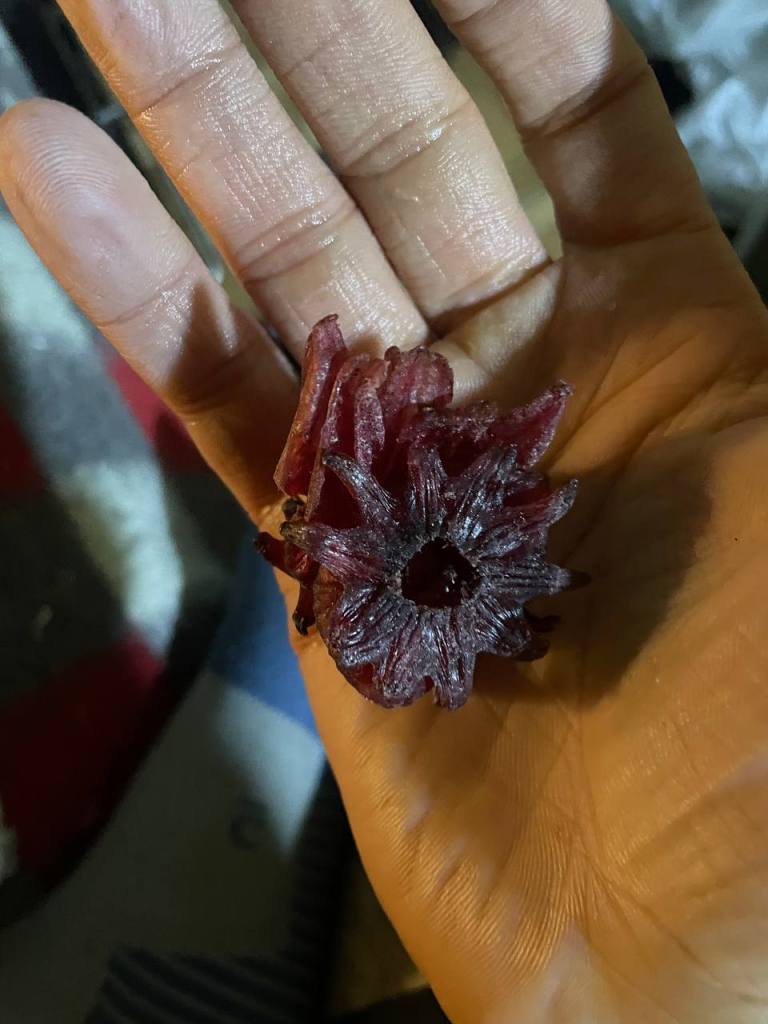
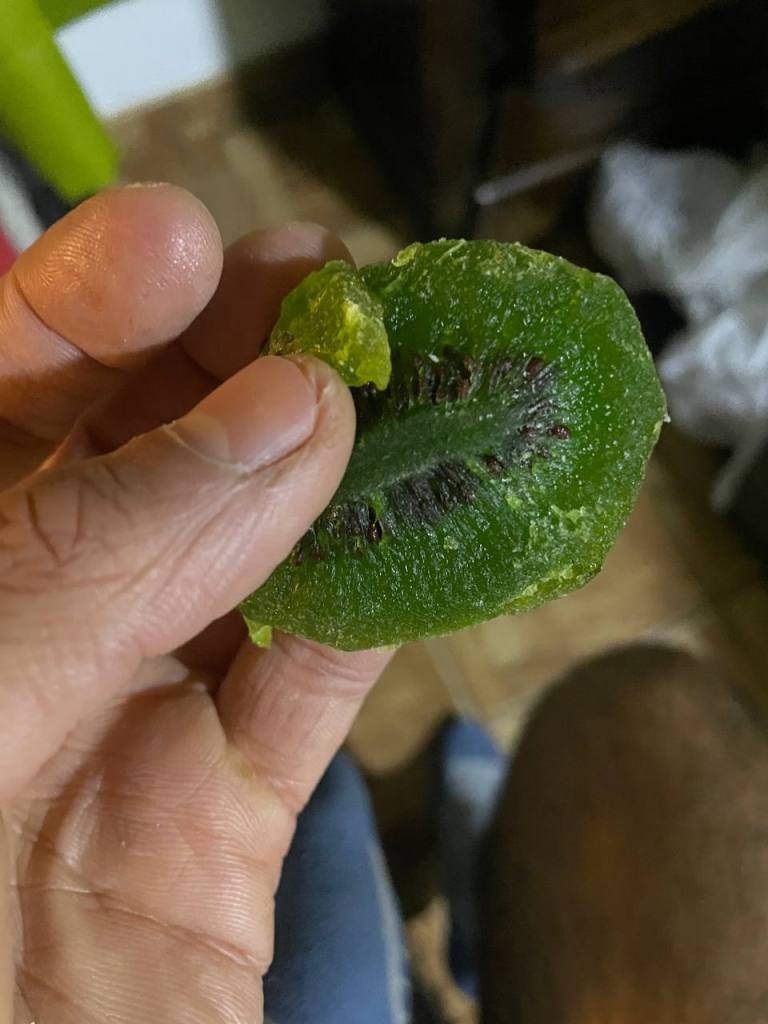
The mercado central in Huaraz is the place to be if your tysm is related to dried fruit. They had many fruits I’d never seen dried, such limes, lemons, pears, pineapples, papaya, hibiscus, kiwi and golden berry.
I enjoyed the dried pinapples the most consistently… they were always a joy when I pulled one from my bag. Second to that would have been the dried coconut, though these were artificially sweetened. Unlike coconut strips, they are thick (~ 3 mm) so they have quite a bit of chew to them.
The dried hibiscus and papaya were very good, but you could get tired of them easily for the opposite reasons: hibiscus being too tangy, papaya being sickly sweet.
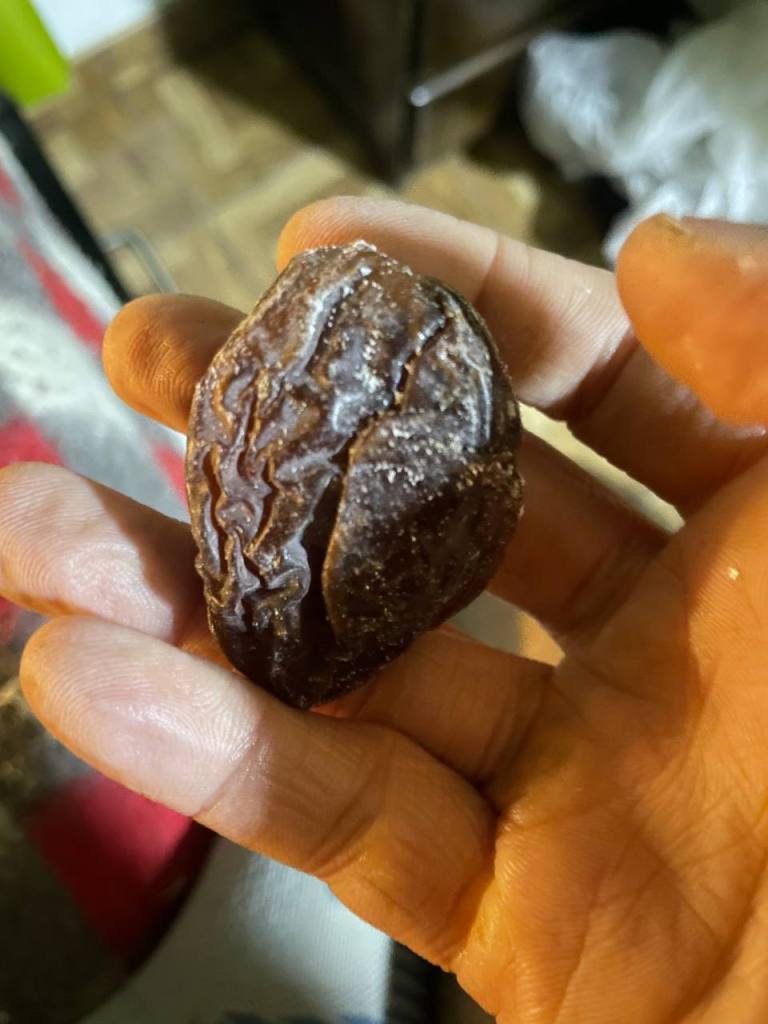
I also managed to find dates! Which was a surprise given that other Peruvians I’d shown my stash of Iranian dates had never seen them before. I didn’t enjoy these dates too much because they had a foreign flavour to me, unlike all the other dates I’ve tasted in my life.
They also had a good selection of nuts, which were mostly homegrown with the exception of walnuts and brazil nuts if my memory serves me right. The pecans were a delight, and almost twice the size of the ones you get in Europe.
Poké
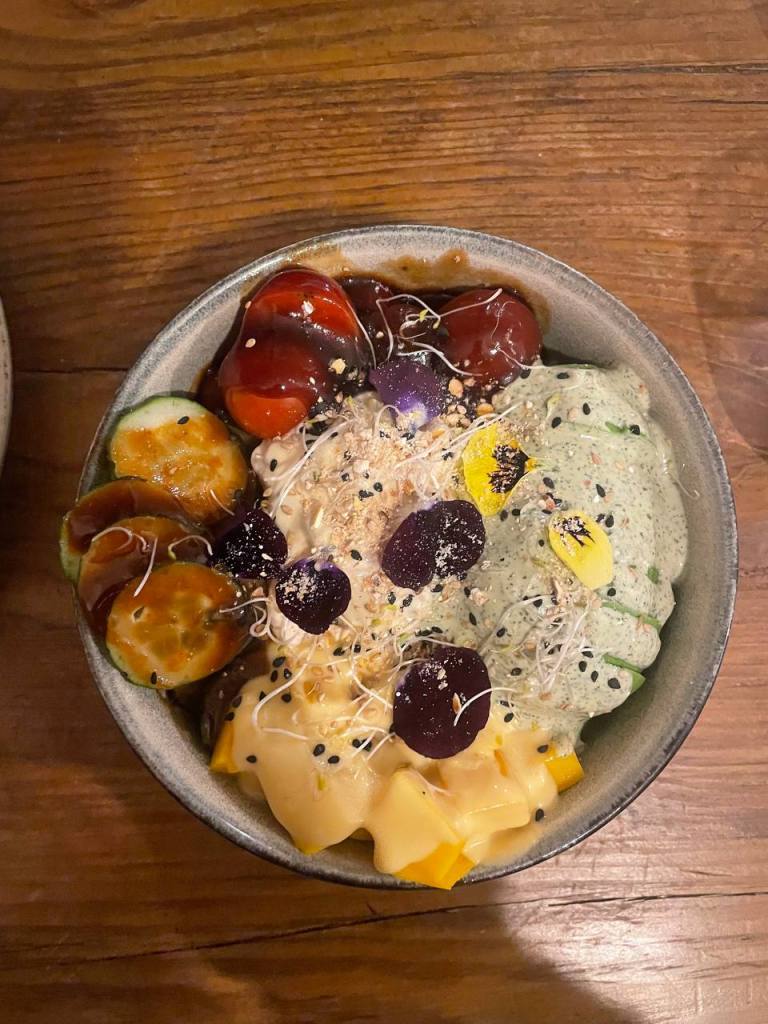
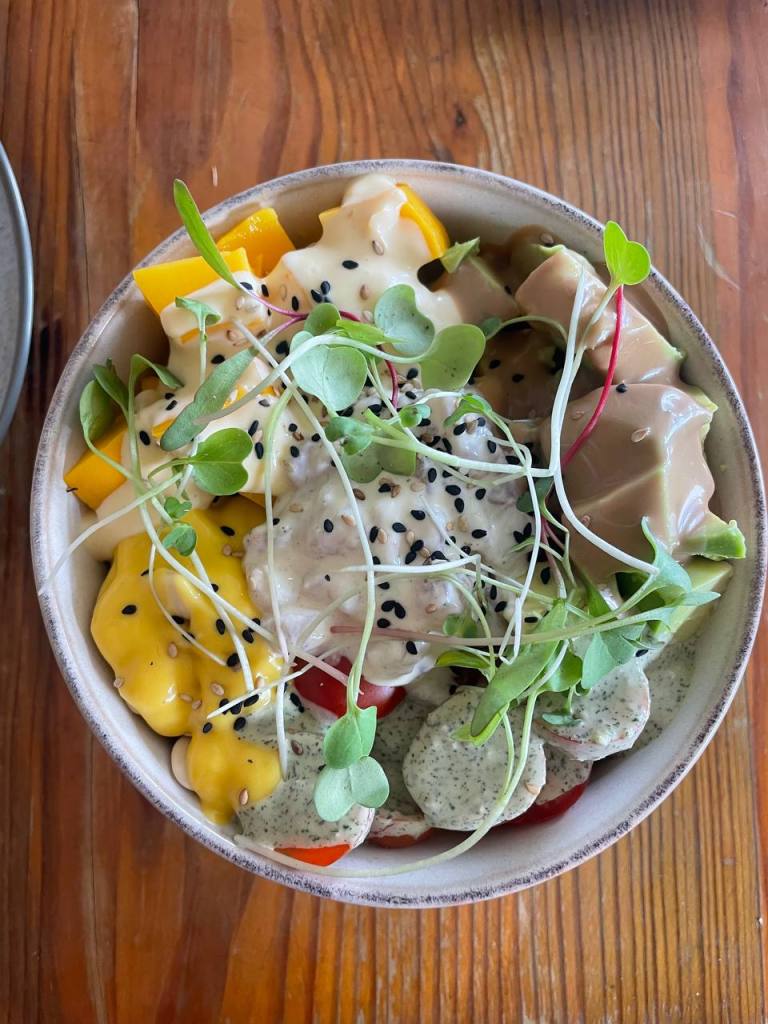
The trout in Huaraz is soooo good so poké bowls made with them are a joy, a true joy, to consume. I was also really happy with the sauces that they used! The combination of Japanese and Peruvian flavours made every bite more exciting than the last.
Potatoes
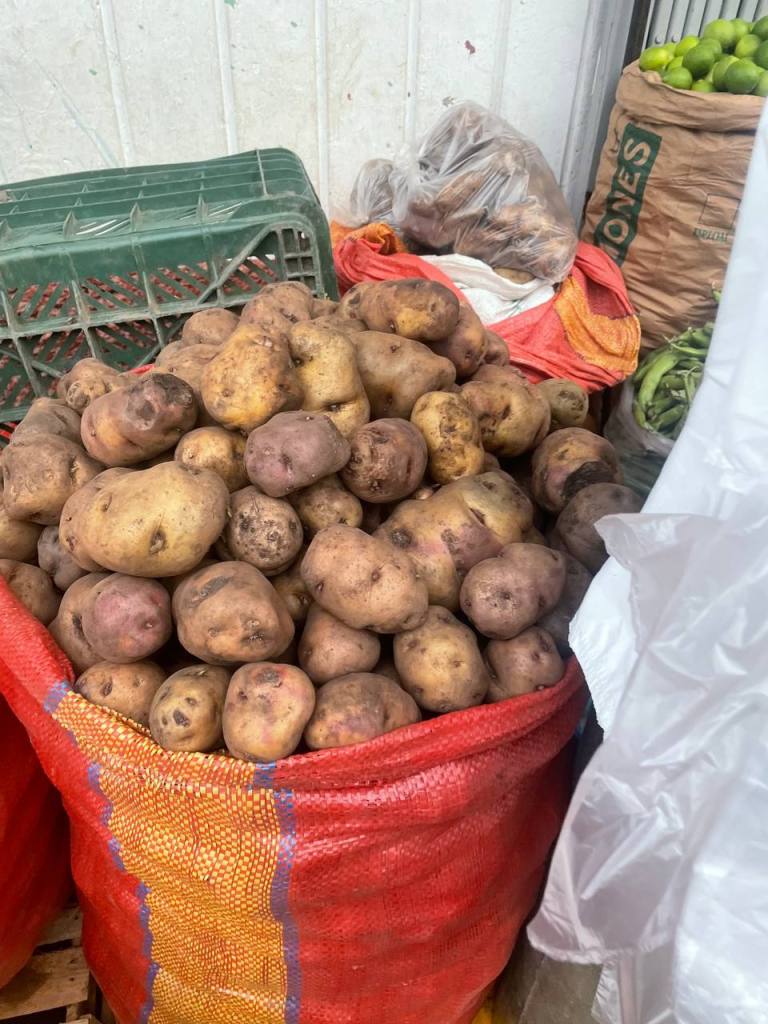
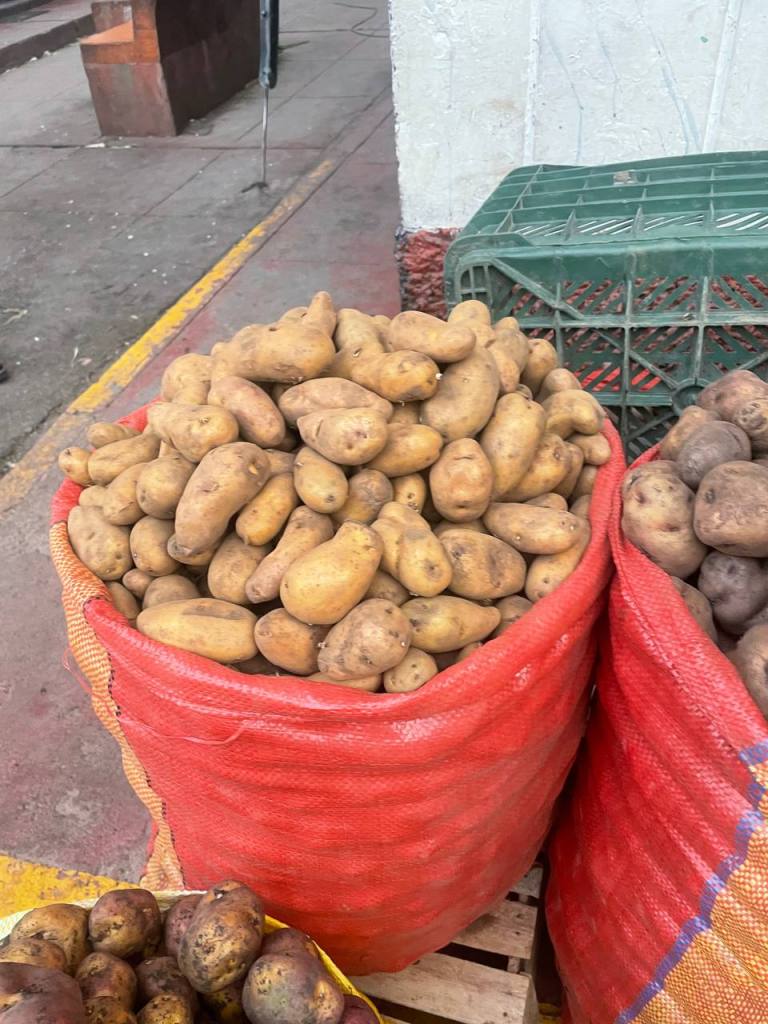
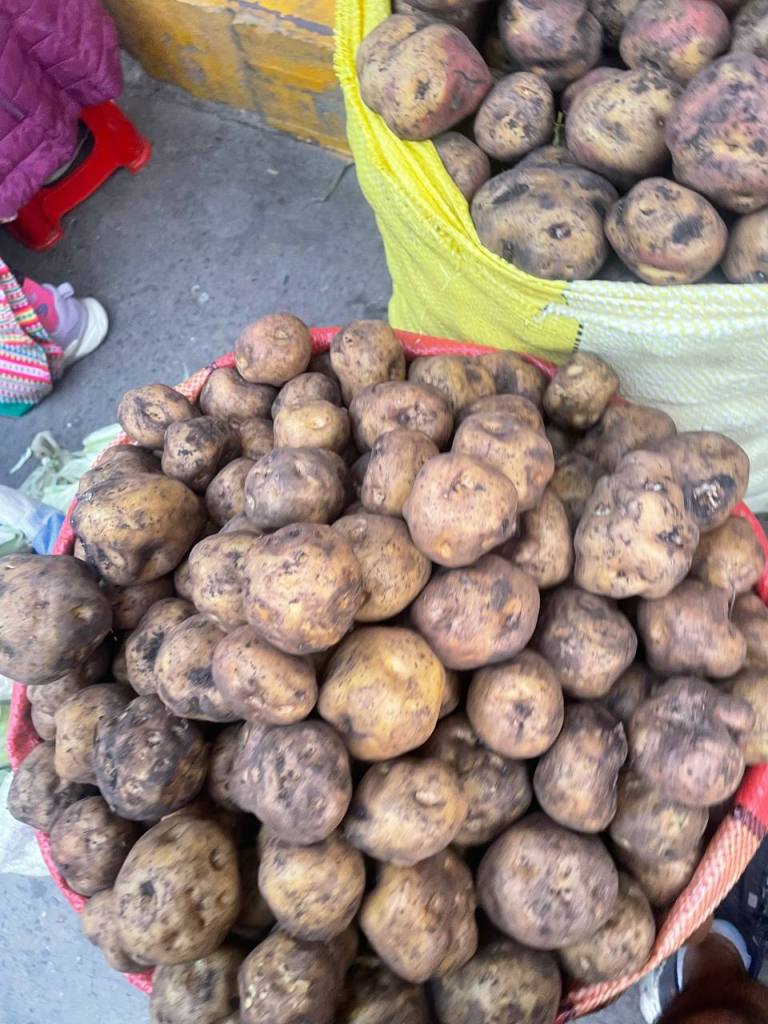
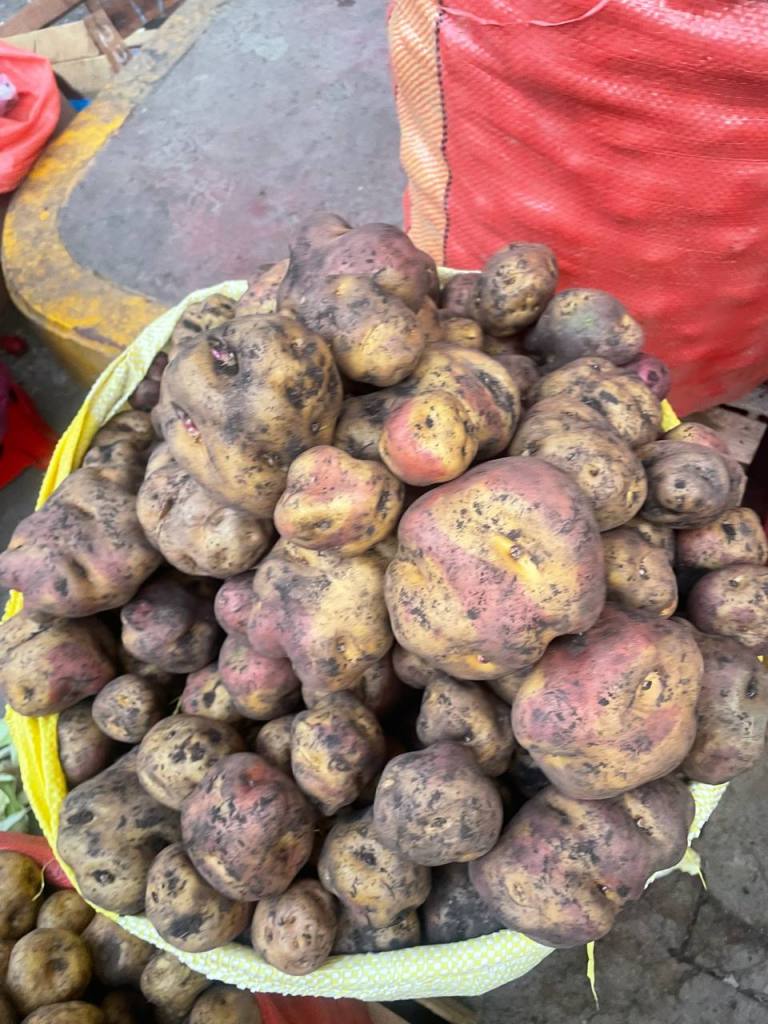
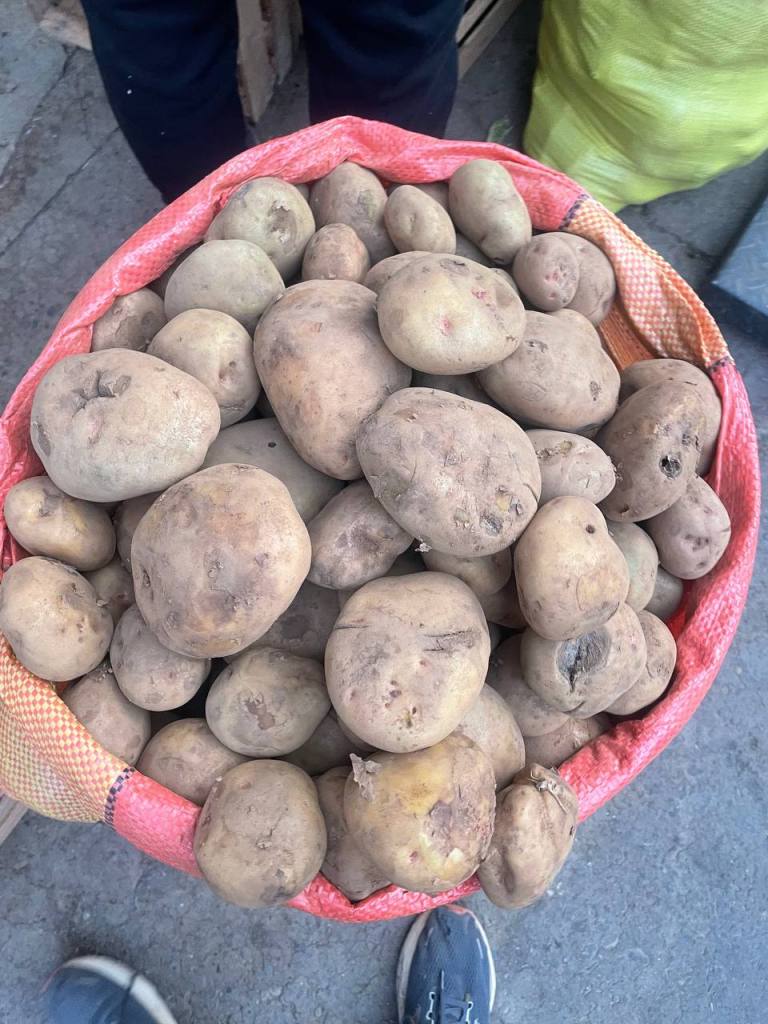
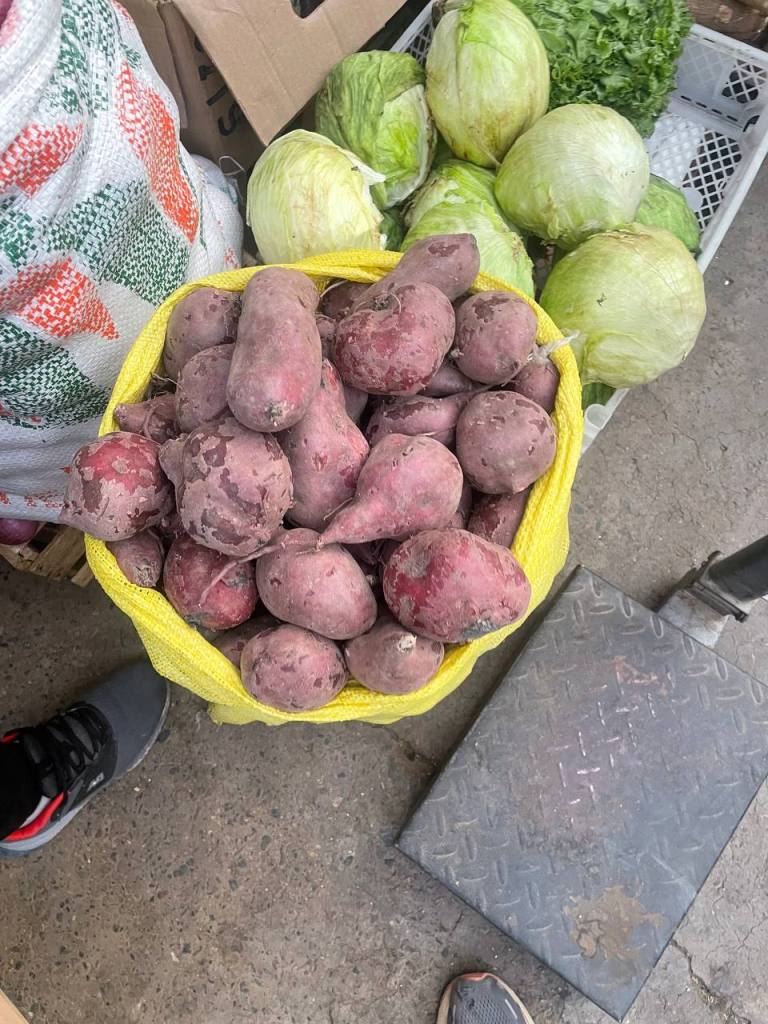
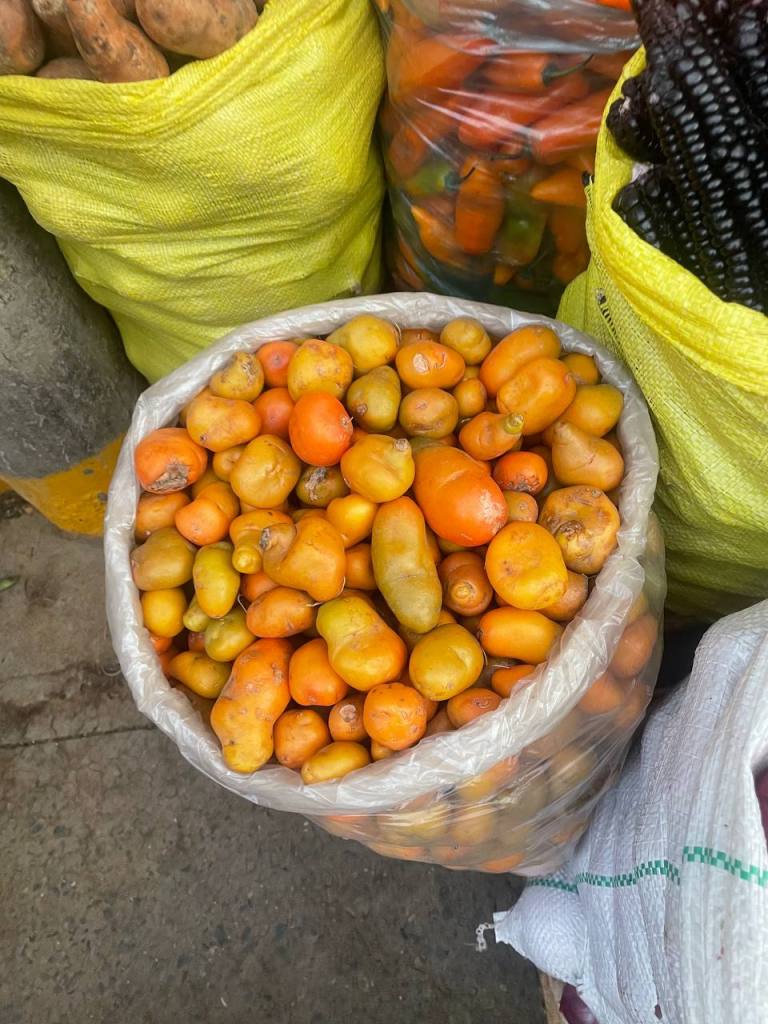
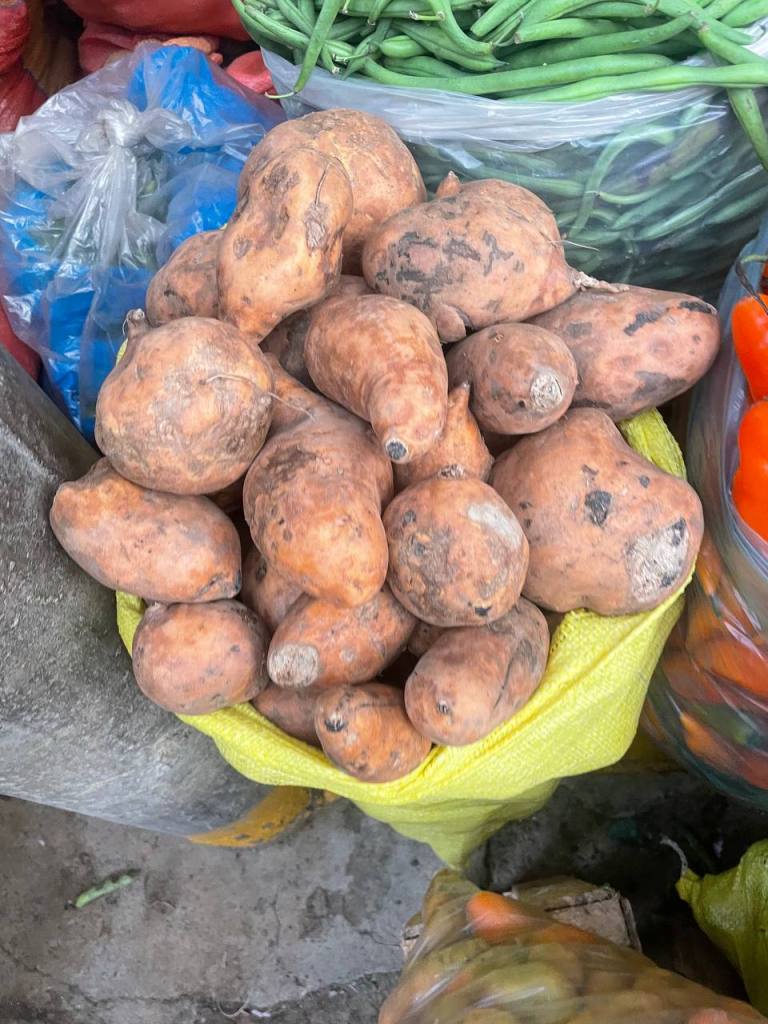
I think this might go down as one of the strangest things a tourist has ever done. I was curious to try as many potato varieties as possible, so went to the market and got: 4 types of normal potato, 2 types of sweet potato, and one thing that looks like a sweet potato but is actually called oca.
I then boiled them all and tasted them one by one. There was noticeable difference in the textures and flavours of the potatoes, which I found really surprising. However, I wouldn’t say that any of them were so wow that you are missing out.
But, the same cannot be said about the sweet potatoes: the purple variant was so rich that I haven’t been able to look at sweet potatoes the same ever since.
The other tuber, oca, I didn’t enjoy one bit. It reminded me of turnips.

Fruit
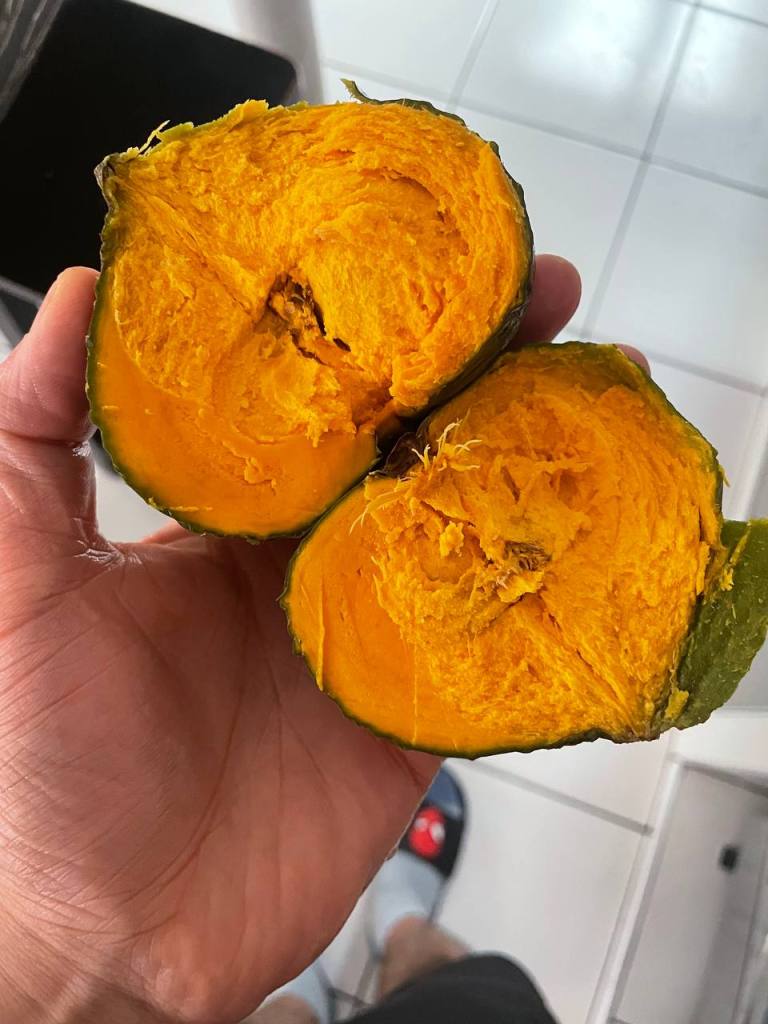
Lucuma fruit
Strawberries
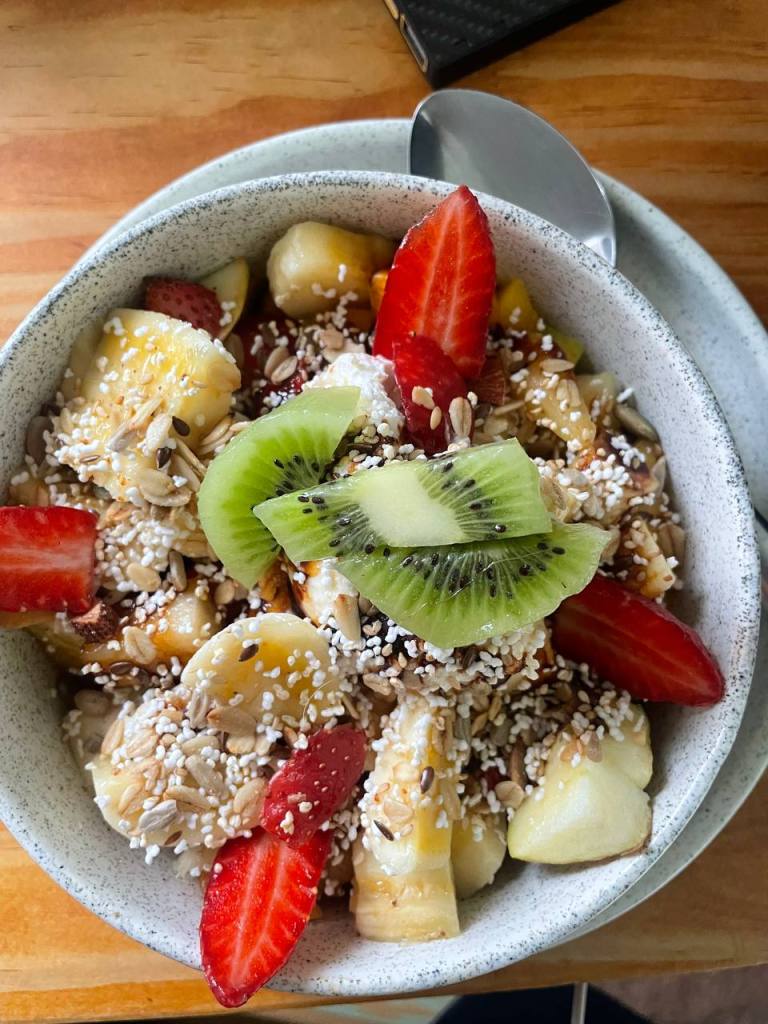
The strawberries were excellent, and perhaps
Apples
The apples were OK, but you can definitely find better in Europe and in places like Iran.
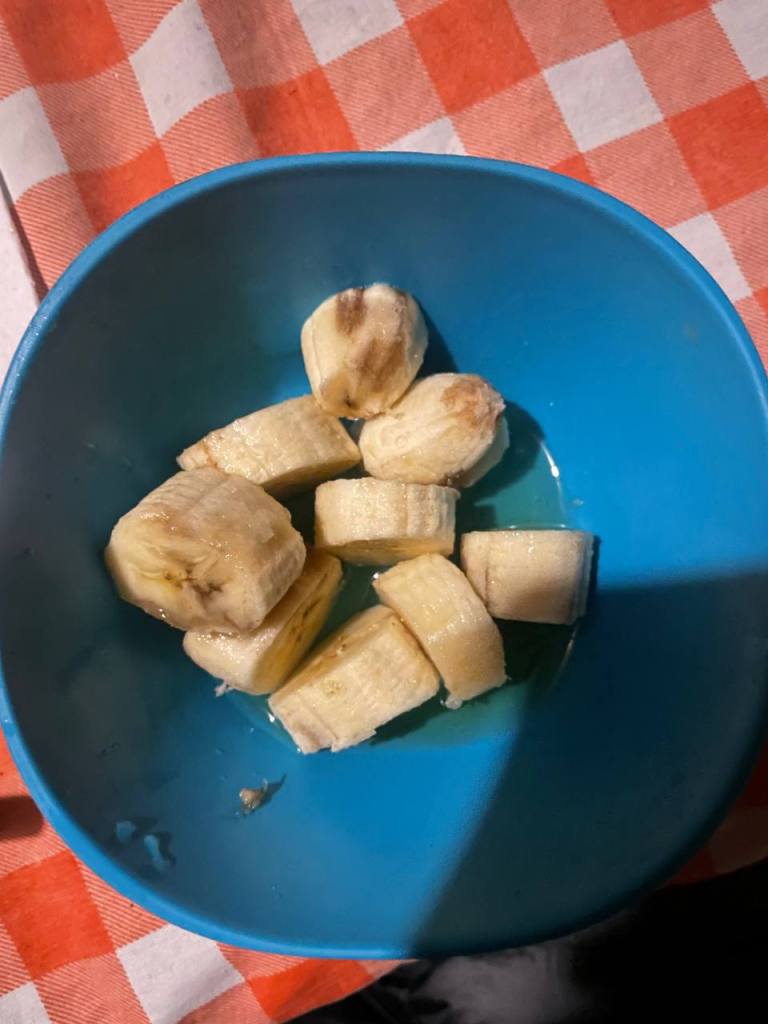
Bananas
The bananas were quite standard, and not any better or worse than ones you get elsewhere.
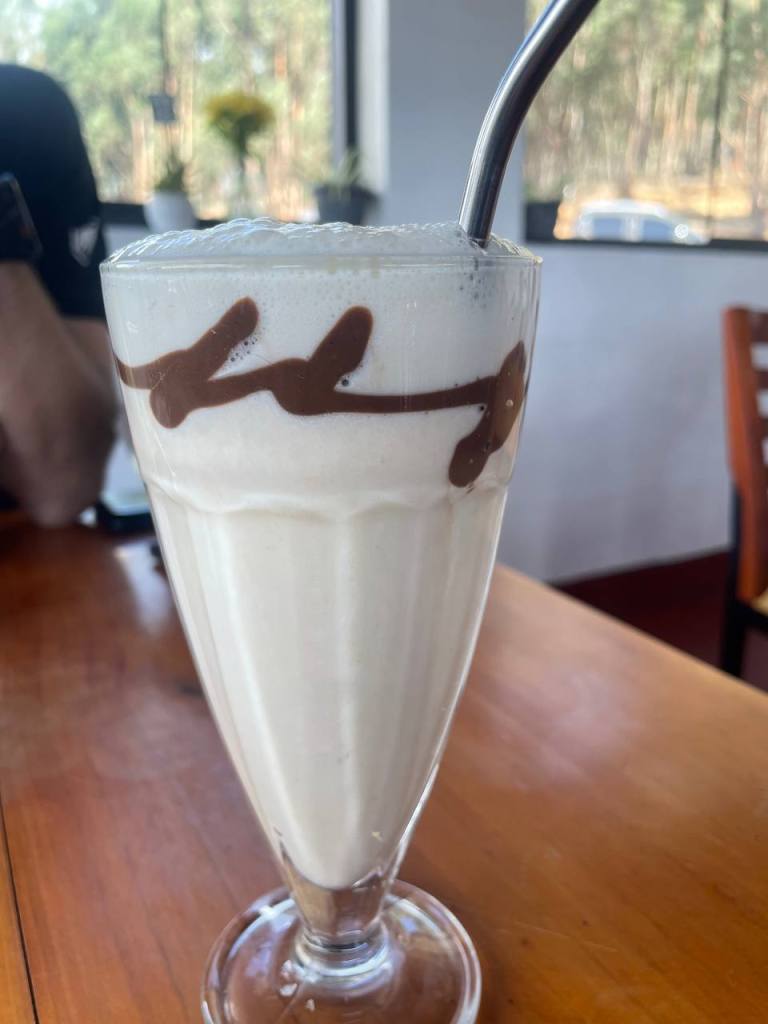
Ice Cream
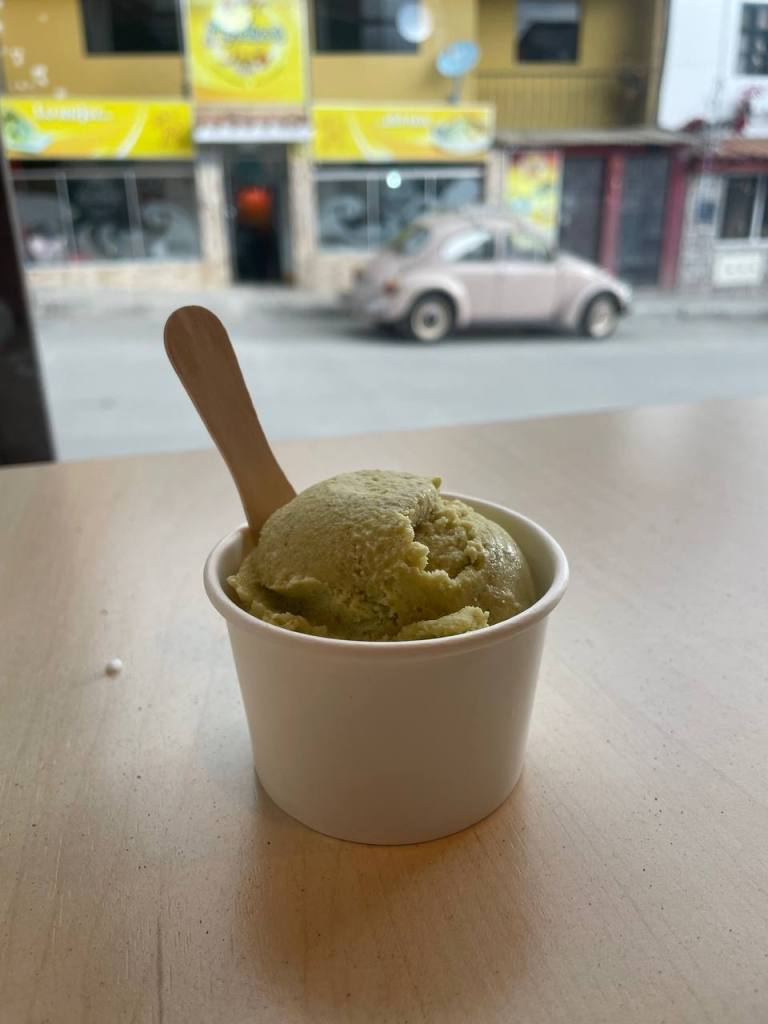
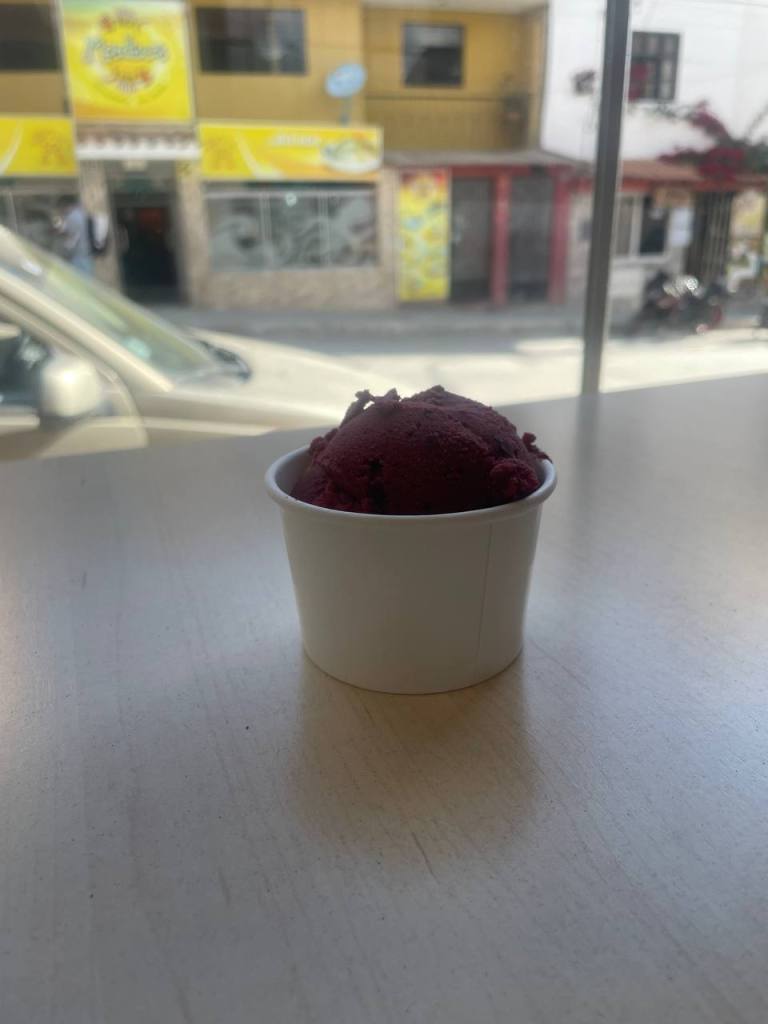
Can’t compare to gelatos that you get in Italy, but better than the average ice cream shops in Europe. Depending on the flavour you go for though (for example: cranberry), you may get something that resembles a smoother slushie.
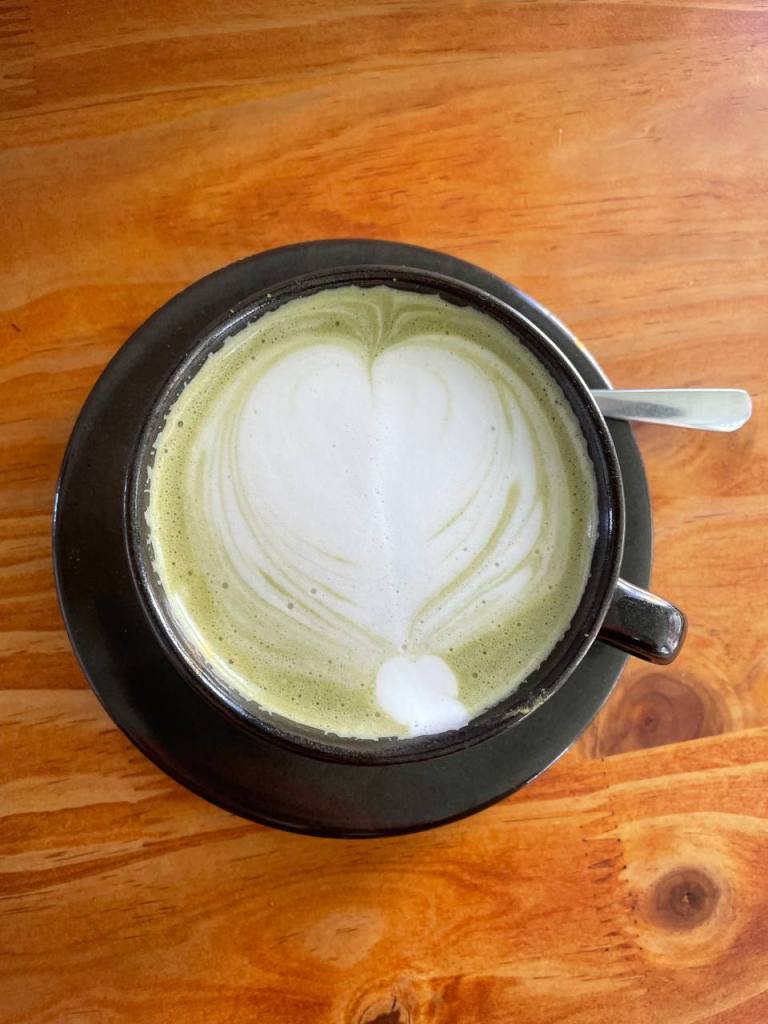
Matcha
I wasn’t a fan of the matchas in Huaraz, for they were expensive and culinary grade. I want that lush, almost fake ceremonial greeness!
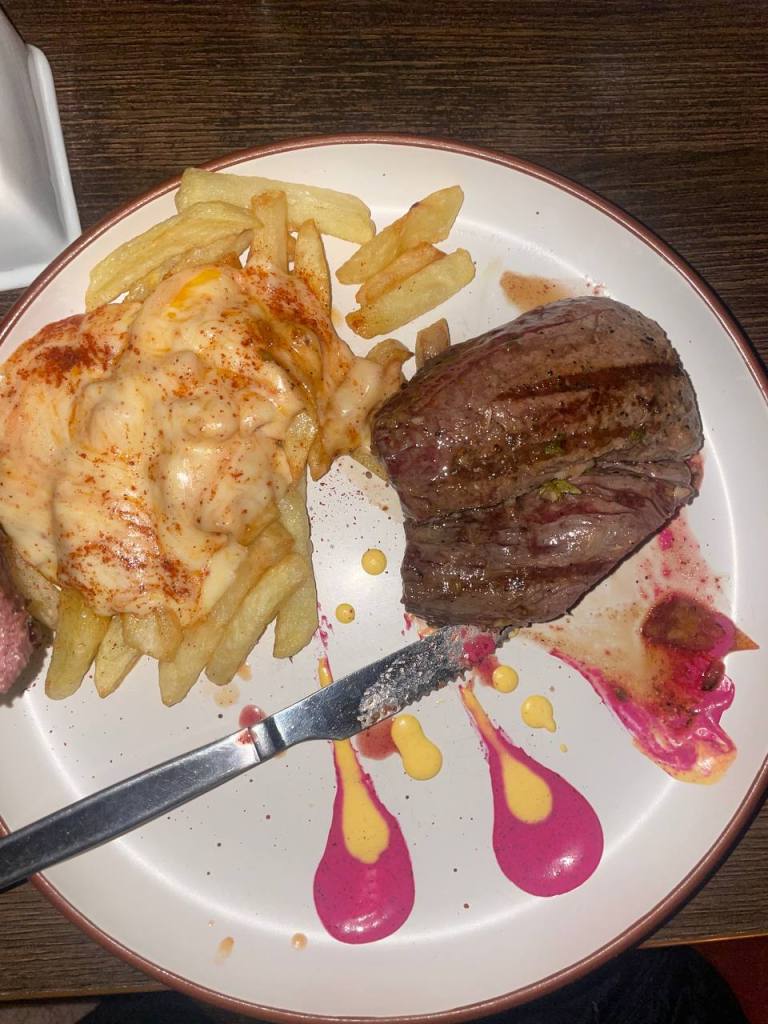
Steak
The quality of beef in Peru is OK. Like, it’s good actually, but I was disappointed becuase I was promised perfection in south american beef! I would say that you can easily find better meats from Australia, Ireland or the UK.
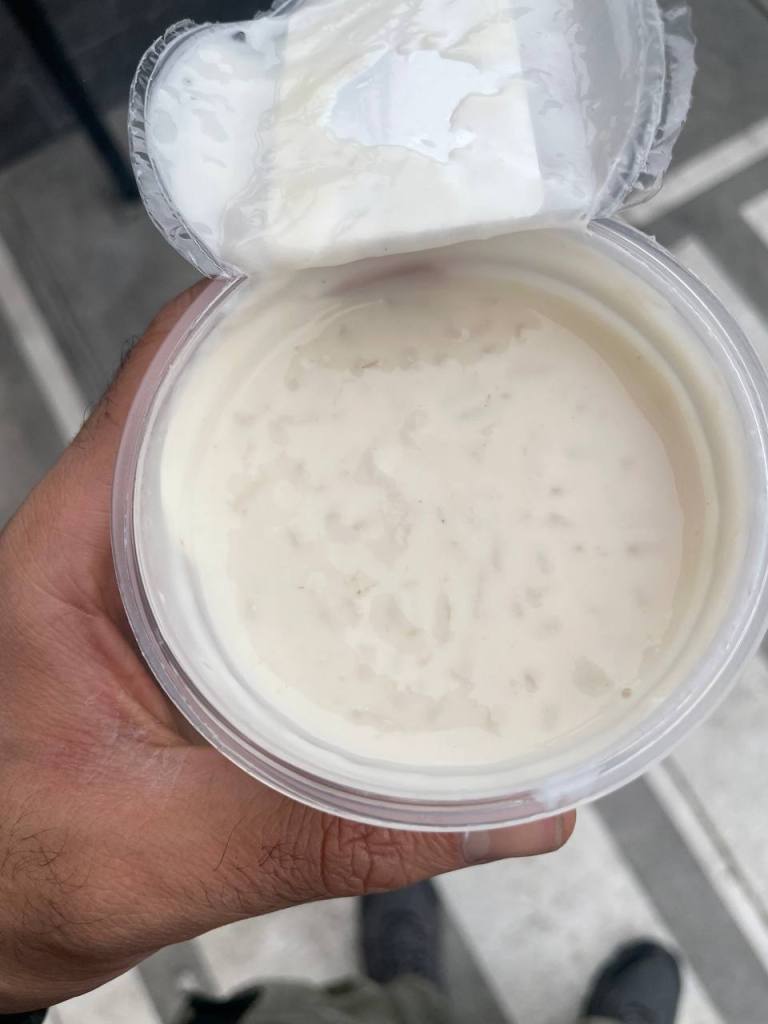
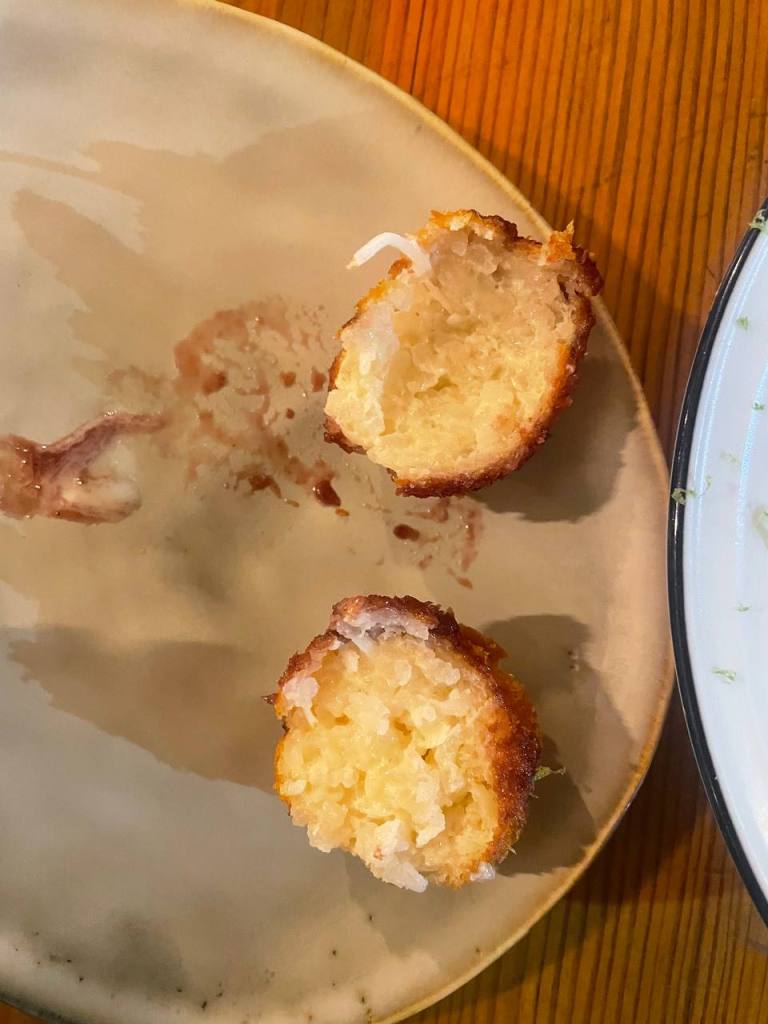
Rice Pudding
I can say confidently that the Peruvians have sadly taken to the french when it comes to their store bought rice puddings: runny, sweet and lackinng creaminess. So I would avoid them like the plague.
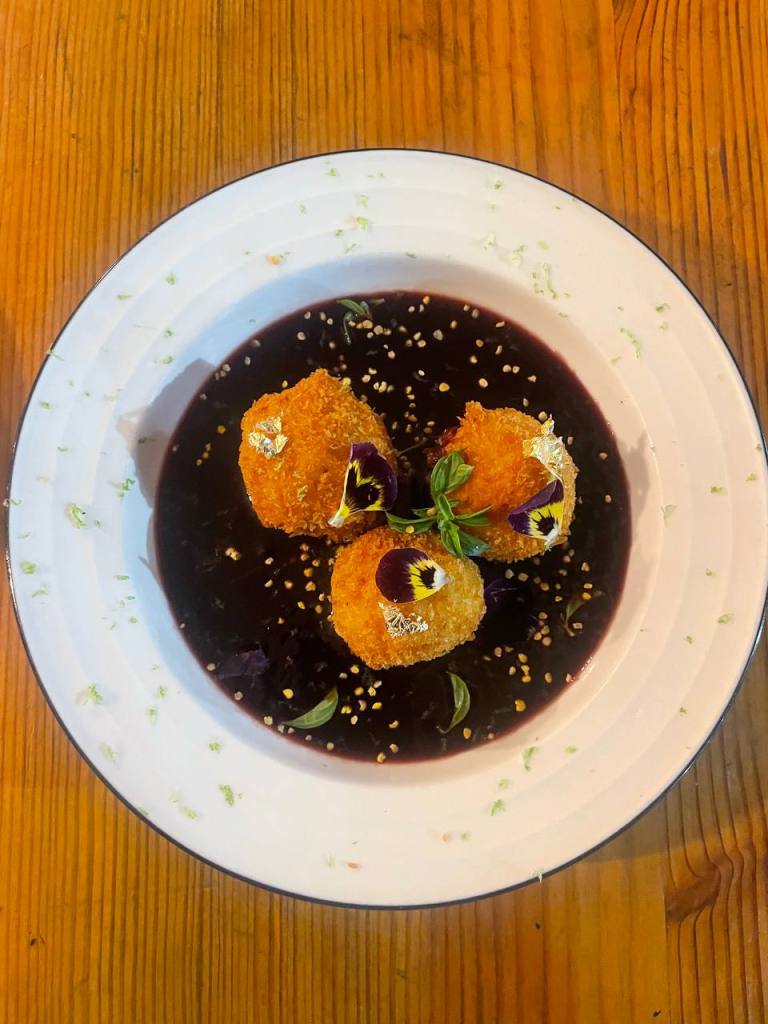
However, I was blessed with one of the best desserts I’ve had in my life at a Nikkei restaurant in Huaraz: they had arancini’s of rice pudding in a soup of purple corn pudding. Strangely the combination of two things I hated in Peru made for an impeccable dish.
Bread
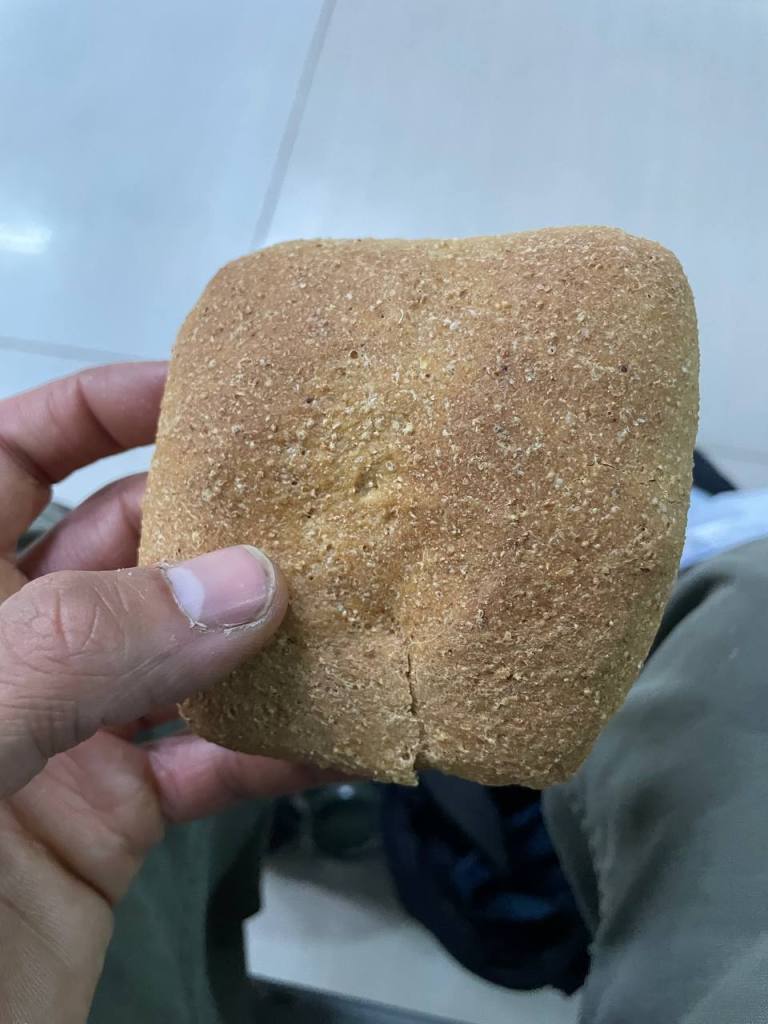
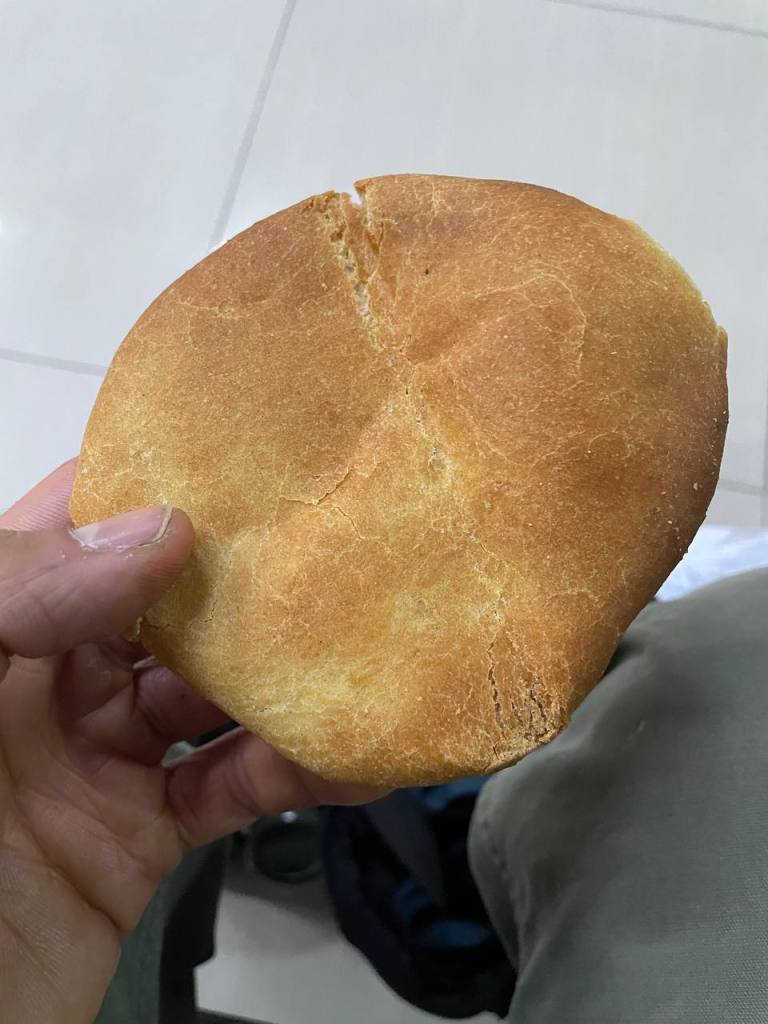
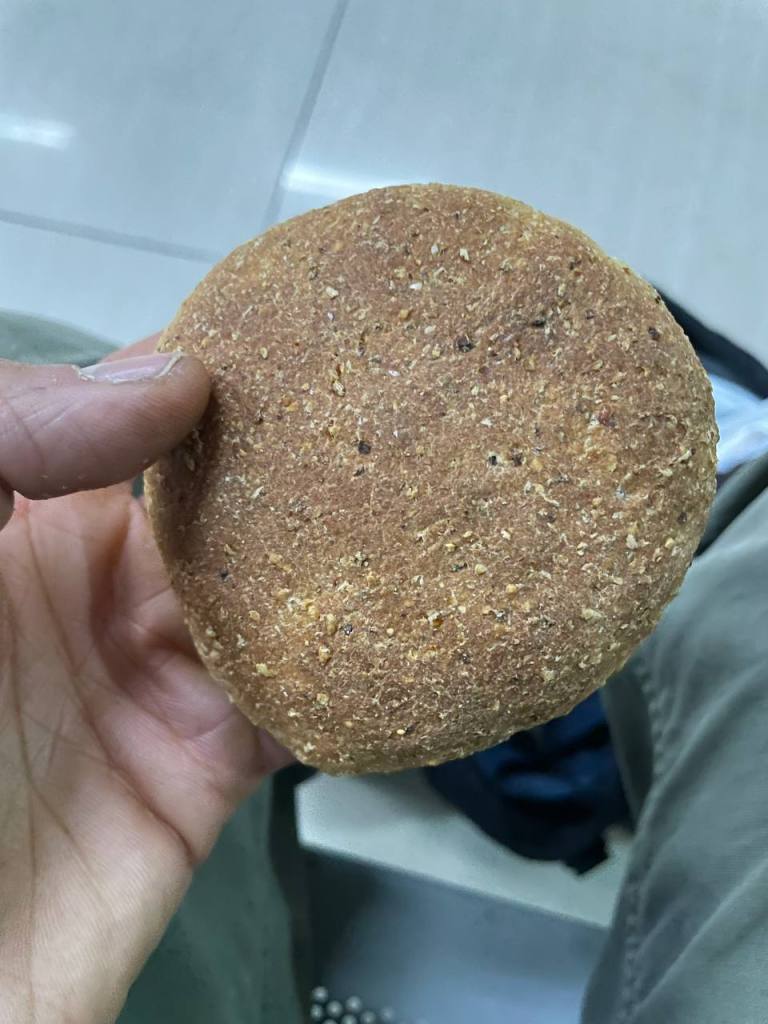
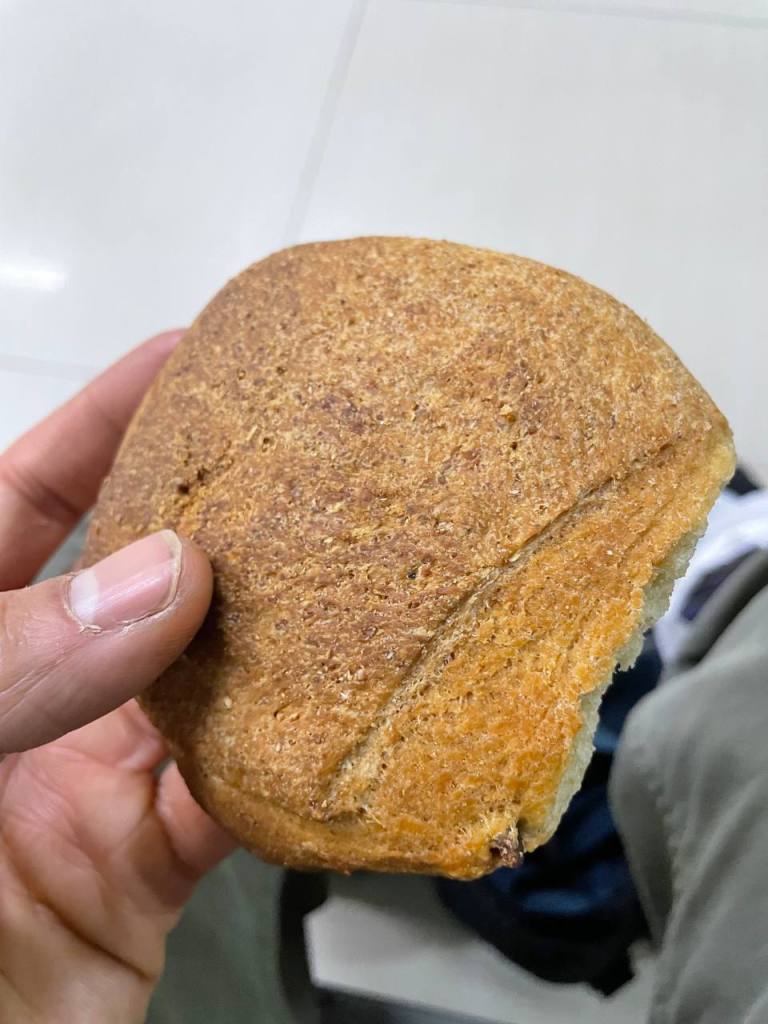
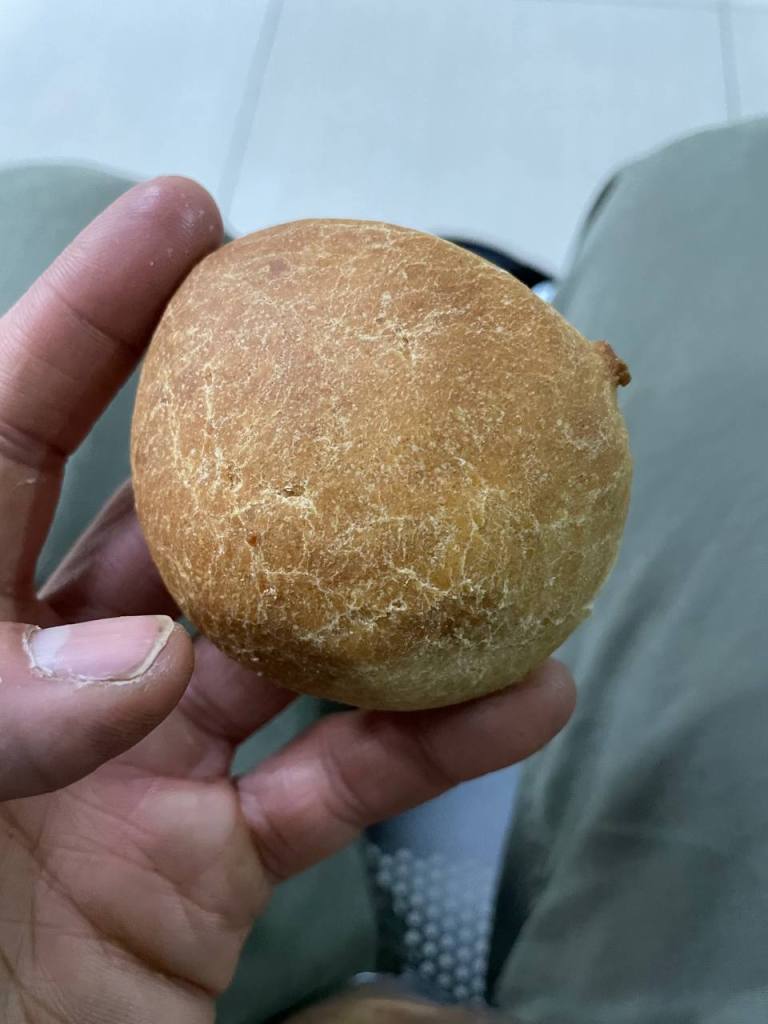
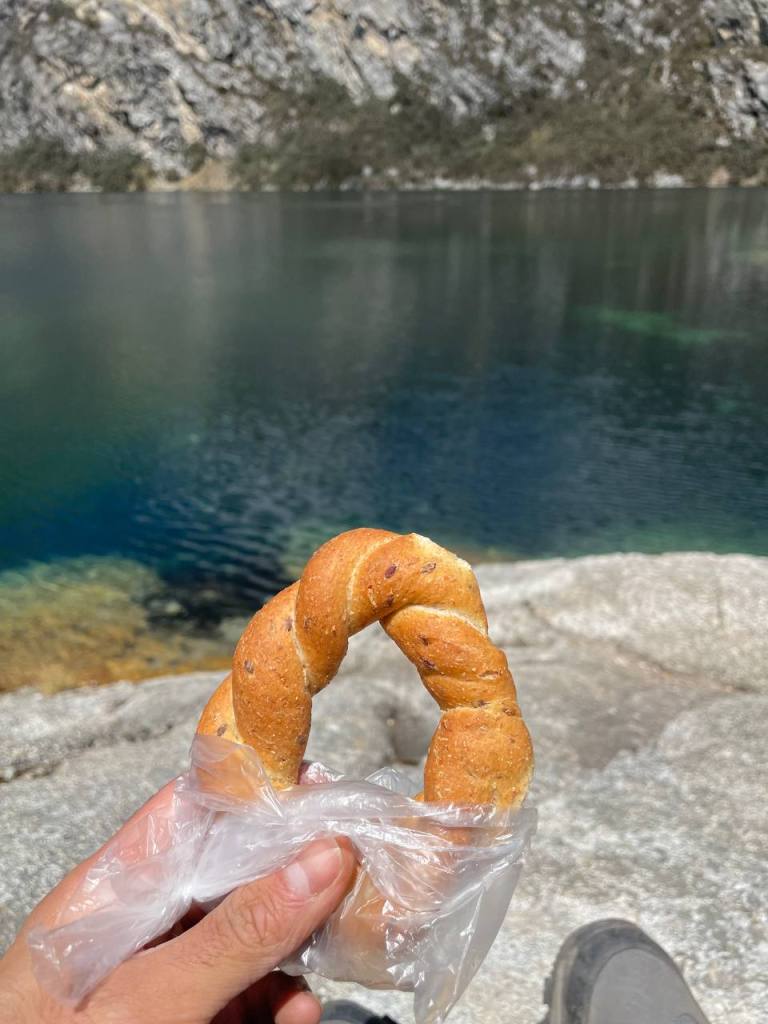
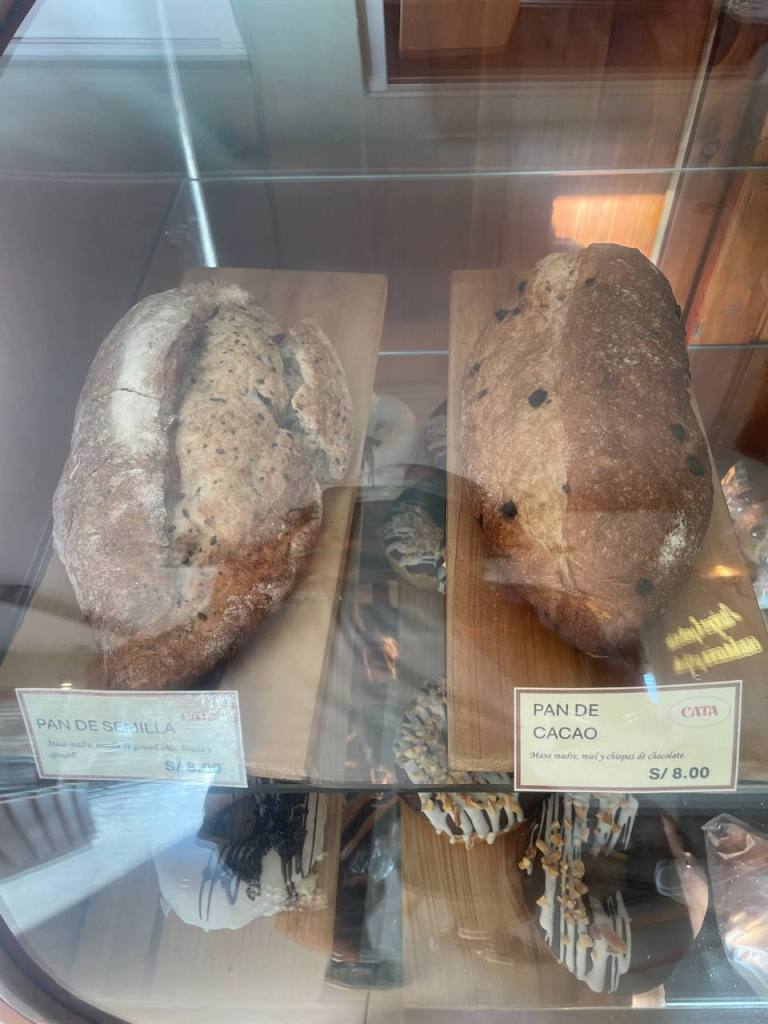
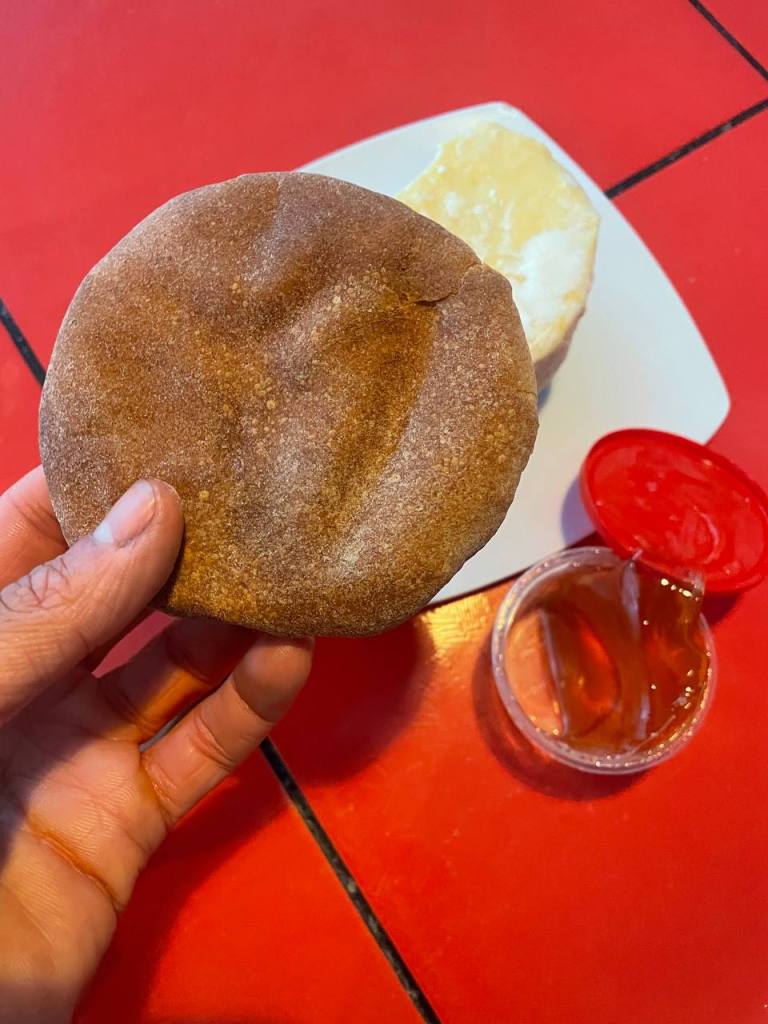
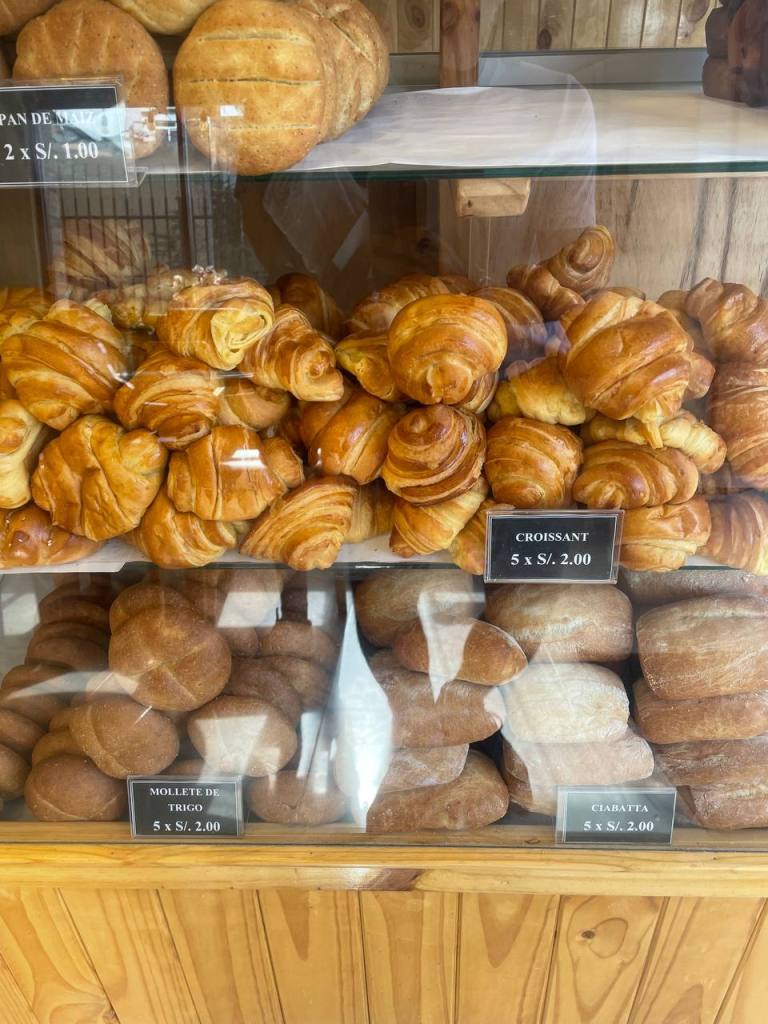
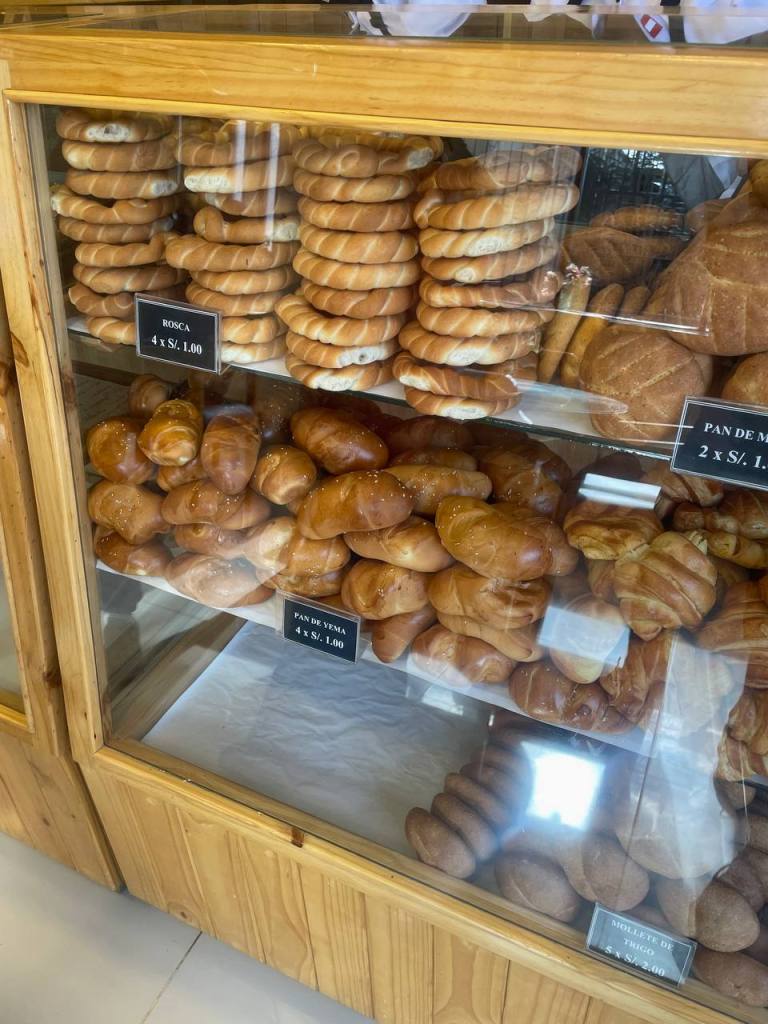
Good loaves of bread are really lacking in Peru. The vast majority of their bakery specialises in selling rolls made from different types of grains (including corn). The textures of all the rolls are almost identical to that of corn bread: dense and a bit grainy. So when you change from loaf to loaf the only real difference is flavour.
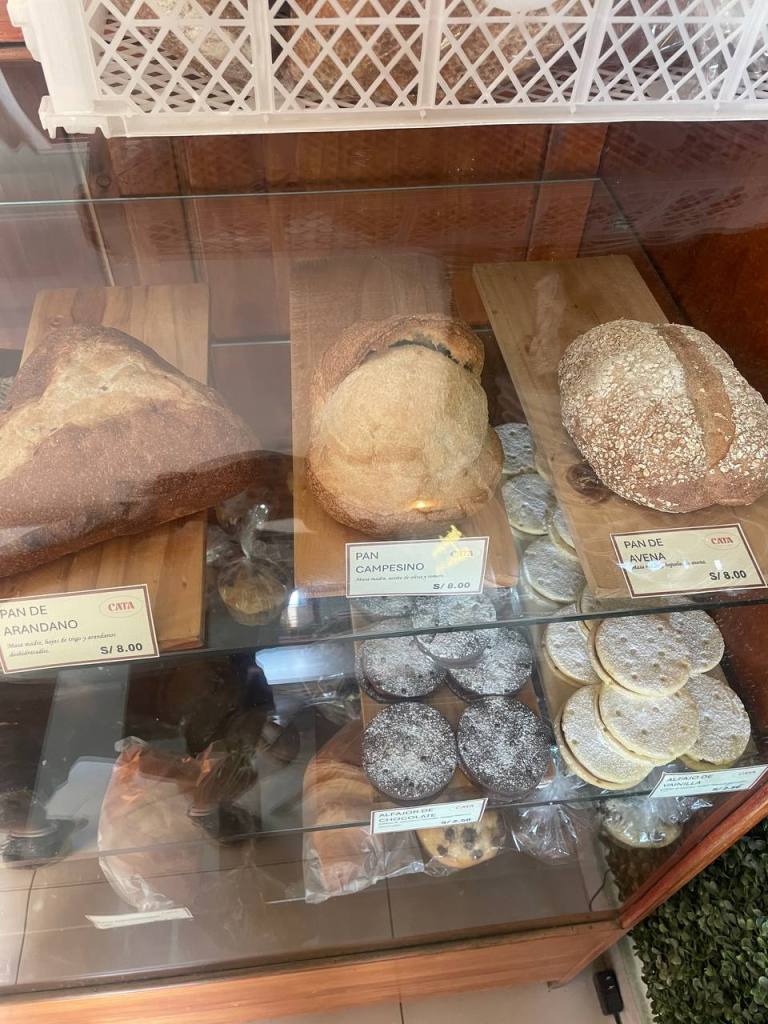
I did pass by an artisanal bakery that was selling loaves. However, unlike loaves that you find in Europe these were really really soft, with no crunch on the surface or any of the layers. I found this rather strange to be completely honest.

Compotes
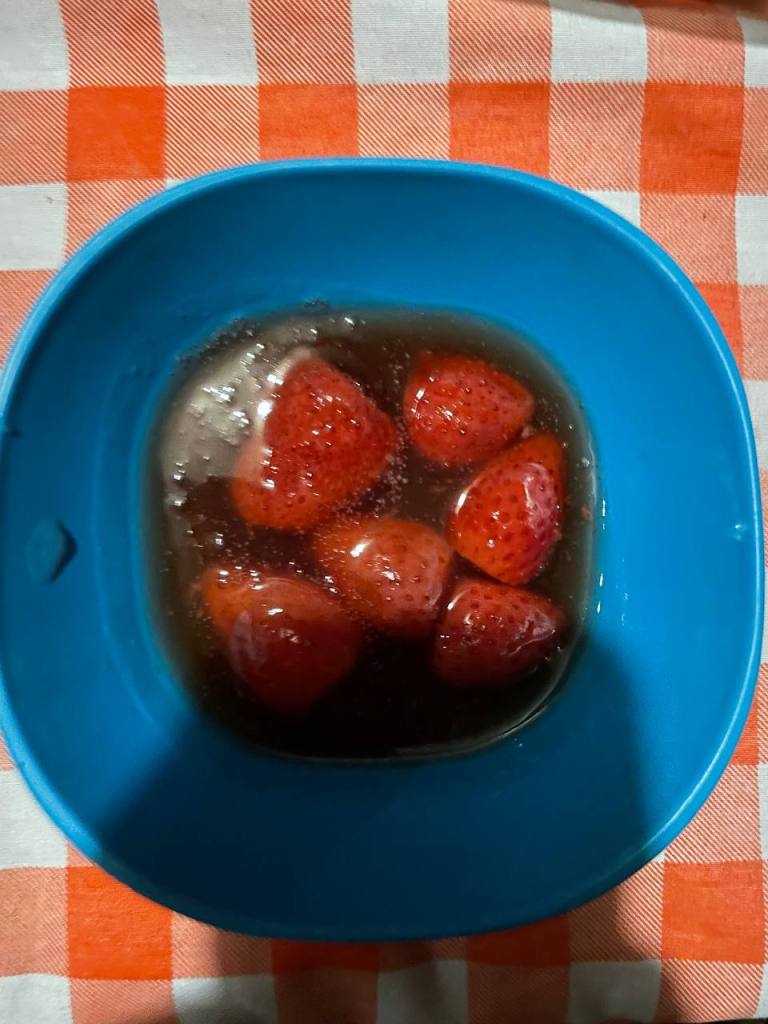
In Peru, the compotes usually have the same seasonings as in the porridges and puddings: cloves and cinnamon. I particularly enjoyed the golden berry (aguaymanto) compote, as the berry adds a nice tartness that I think is needed to balance the almost sickly sweetness caused by the cinnamon.
Yoghurt
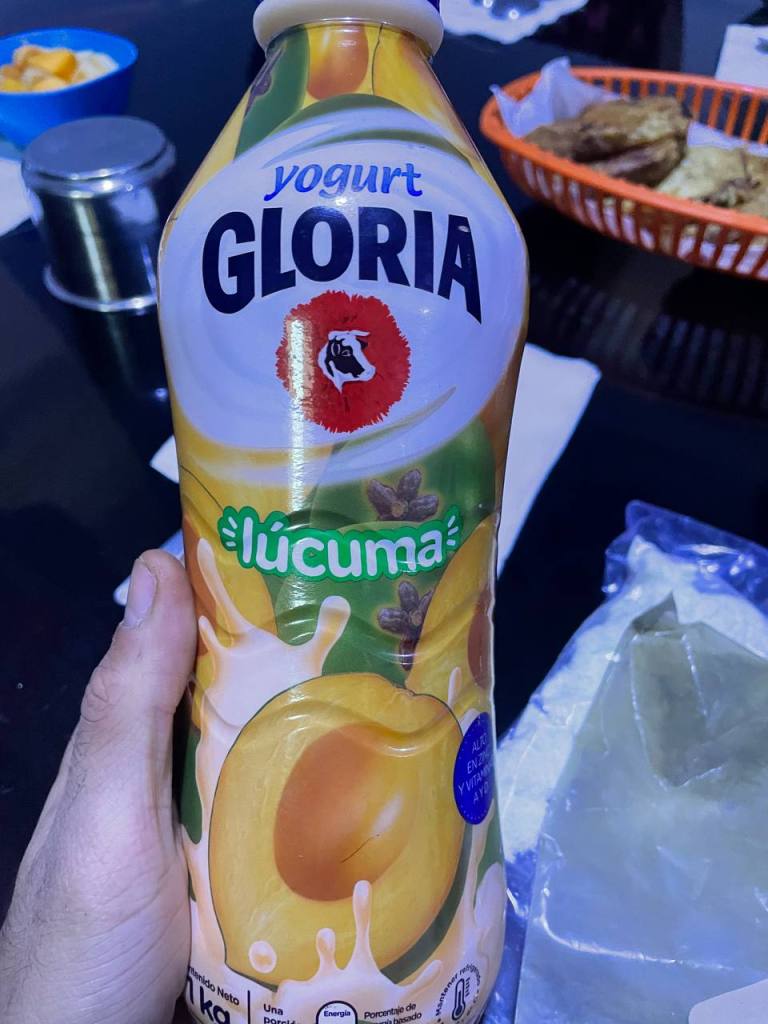
I was surprised that liquid yoghurt sits int he same categort as normal yoghurt i n Peru. These are almost always artificially sweetened with fruits like Lucuma. They are very tasty and taste almost identical to actimel (though slightly thicker in consistency).
However, the real deal is yoghurt that comes from Andean cows. You can find good quality ones from some of the shops in the mercado central. This yoghurt is thick and creamy like greek yoghurt, and has a lovely lovely flavour. I think it may have been the best yoghurt I’ve ever had.
Corn
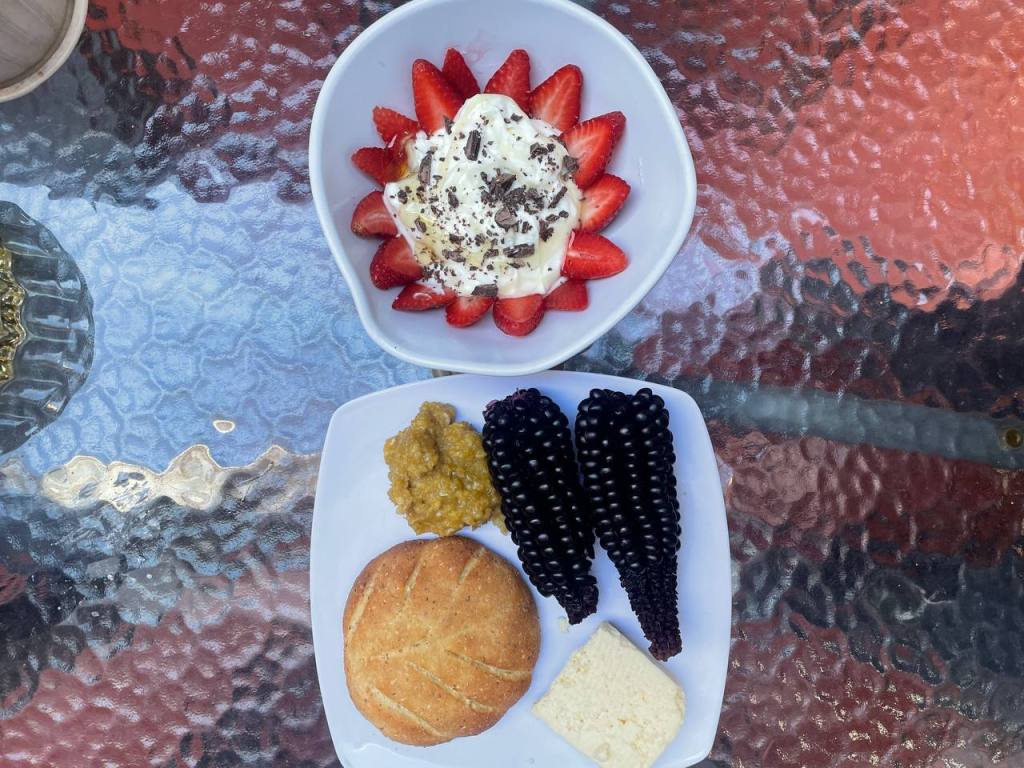
The normal yellow corn in Peru is not any different to the corn anywhere else, but Peru also has the giant white corn, and tbe purple corn. The former I find rather bland on it’s own, and the latter, I don’t enjoy the desserts/drinks made out of it as a general rule, and it is tasteless when consumed on it’s own (and in fact, Peruvians themselves don’t).
Eggs and Avocadoes
Avocadoes
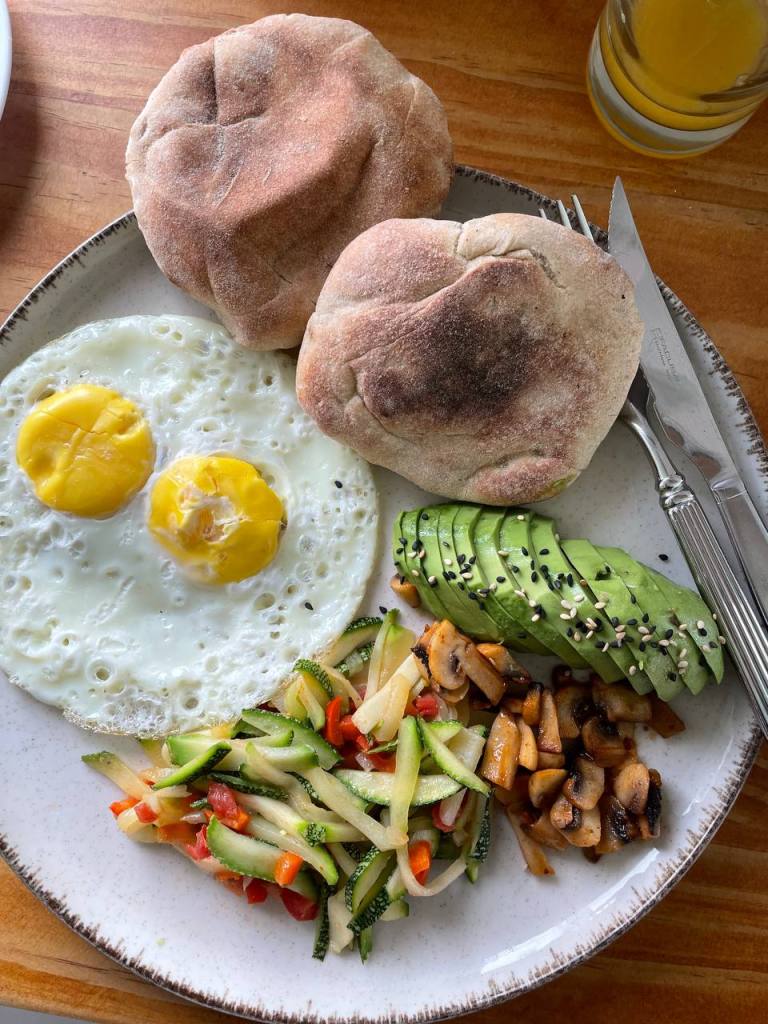
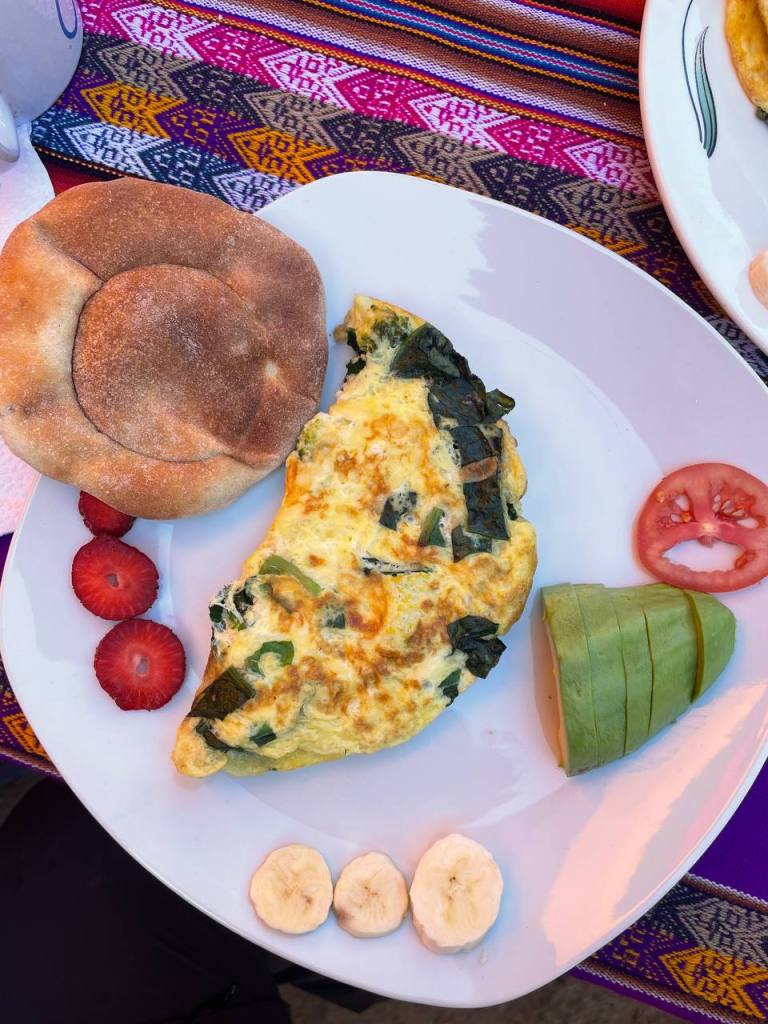
Oh my oh my the avocadoes in this country were truly a joy. They were so creamy that they genuinely sometimes felt sweet. There were times I’d order a breakfast I was not fully convinced by just to have some avocadoes…!
Eggs
The eggs on the other hand weren’t always the best, and were sometimes an absolute disaster. I found that Peruvian eggs had a funny aftertaste, but maybe it’s just me?
Cheese and Honey
Cheese
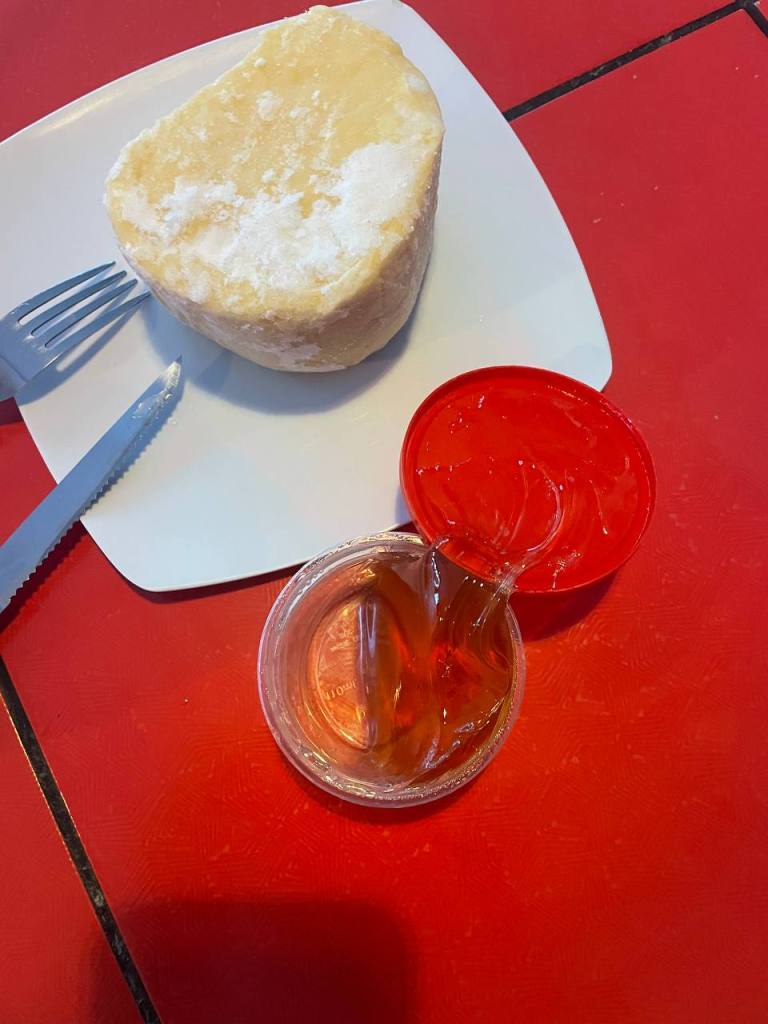
I still don’t know how I feel about queso fresco. I like it in some dishes, and I can enjoy it on it’s own, but it I associate it with funk in my mind, so I don’t think i would have it in many occasions. I like it less than cheddar, but more than camembert. I don’t like it enough to have it on it’s own, but I also don’t know how to use it in cooking, other than over soup (which is a rarity) and in tequeños (which as mentioned before, I didn’t enjoy too much).
Perhaps one day I will discover what to do with it.
Honey
I didn’t like the honey becuase it had a very strong taste that was different to other honey’s I’ve had before. It was different in the same way Russian mountain honey is different: it tastes like it’s not normal honey.
I also found it really viscous, though this may have been due to the cold weather.
Cured Meats
- This comment is very targeted to Italian, French and Japanese cuisines, where I find, despite loving some of their dishes, that marketing plays the dominant role in how widespread they are. ↩︎
- Bring the hate! ↩︎
- Note: this could also have been Locro de Zapallo due to the squash, though a native told me it was picante de habas. ↩︎
- Source: https://www.recetasgratis.net/receta-de-picante-de-habas-78318.html ↩︎
- Source: https://aroundtheworldtravels.co.uk/food-around-world/local-dishes-in-peru/peruvian-fried-trout-trucha-frita/ ↩︎
- Source: https://en.wikipedia.org/wiki/Pescado_frito ↩︎
- Source: https://perudelights.com/how-to-make-papa-rellena-step-by-step/ ↩︎
- Source: https://en.wikipedia.org/wiki/Tamalito ↩︎
- Source: https://en.wikipedia.org/wiki/Empanada ↩︎
 Tsunami's Hungry
Leave a comment