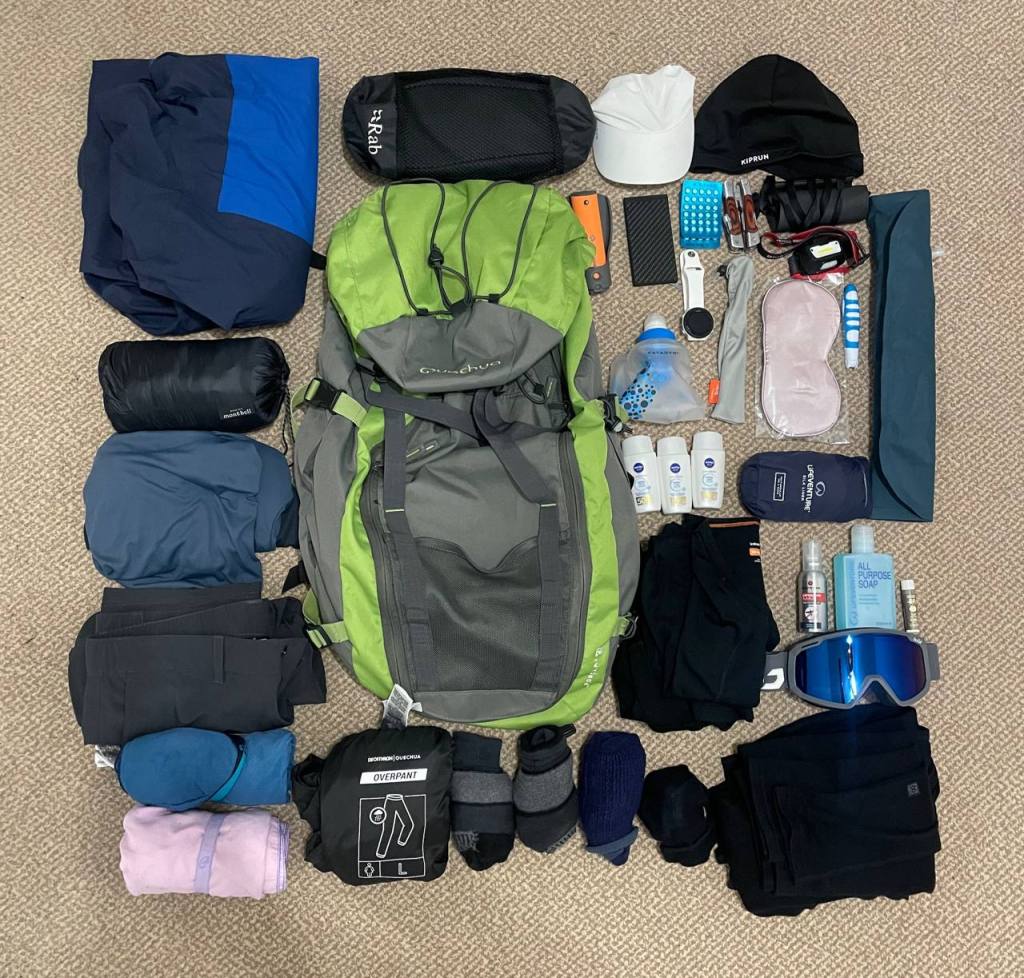
I wrote previously about my gear choices before hiking the Cordillera Huayhuash1.
In this post, I’m revisiting the gear after the hike, and seeing what was good and what could have been better!
Necessities
In my previous post I defined these as “things necessary for a good, safe and enjoyable hiking experience”.
Sun Protection
Necessary because of increased UV exposure at high altitudes.
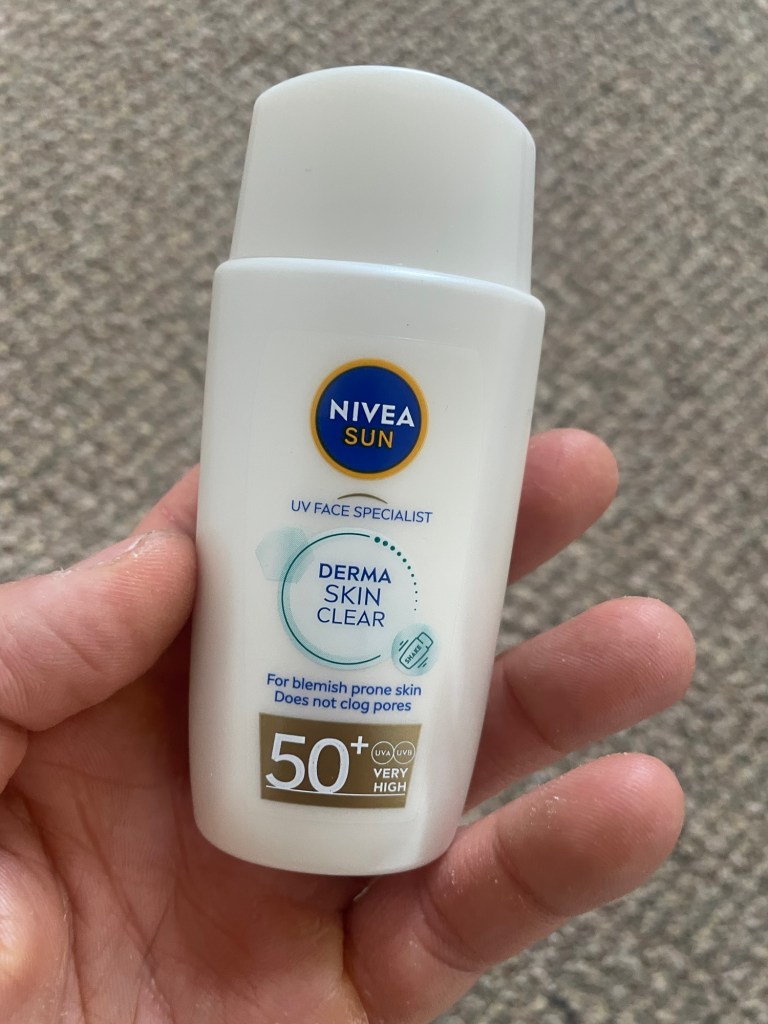
Sun Screen
I decided to go with SPF50+ Nivea branded sunblock. These worked fine: my only gripe with them was that they were difficult/annoying to apply, which wasn’t helpful in an environment where you attract so much dirt.
Also, having multiple small ones was becoming difficult to keep track of.
Further, I’ve learnt that there are sunblocks that are graded even higher, so that’s something to consider for next time.
Lip Balm
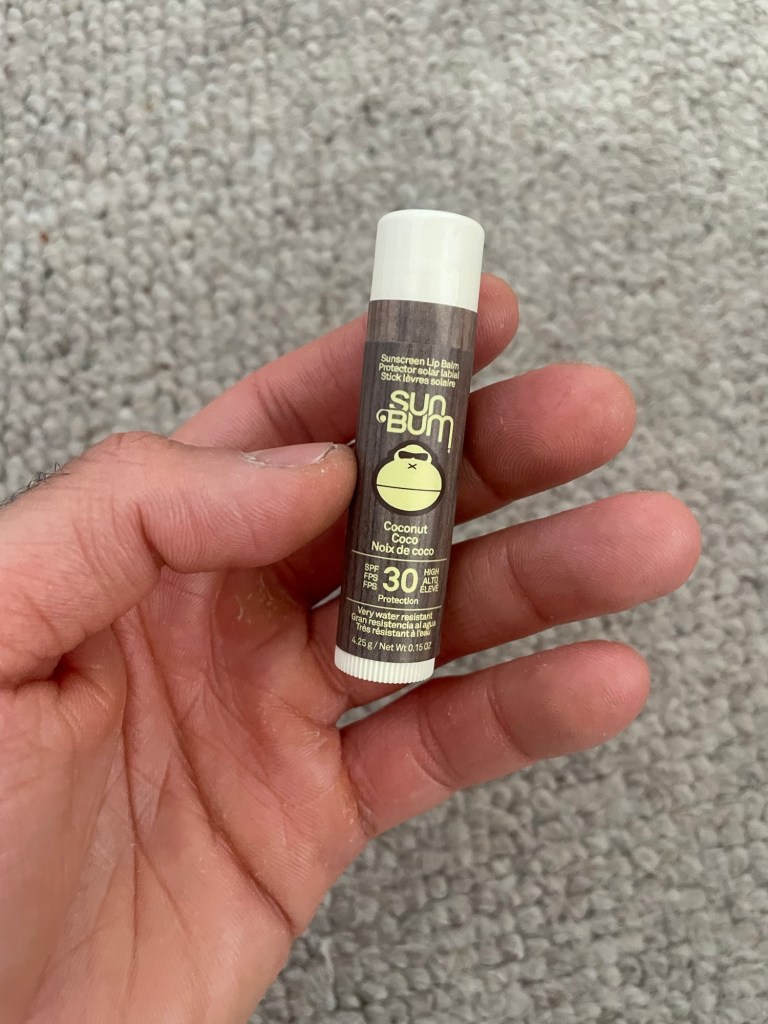
I went for an SPF30 sunblock from sunbum. Despite this my lips were almost always dry, though admittedly I could have applied the lip balm more frequently. I would research a bit more into strategies for protecting lips at high altitudes a bit more next time.
Sun Hoodie
I was very happy with my fisherman’s top from Decathlon as my sun hoodie. On the sunny days, I appreciated the protection I got from the snugly2 fitting hood. And on the cold days it was perfect for retaining heat near my neck.
The only thing I’d say is that it will smell if you wear it without a good base layer. There was one day on the hike where I felt so hot that I didn’t wear my base layer and it started to smell.

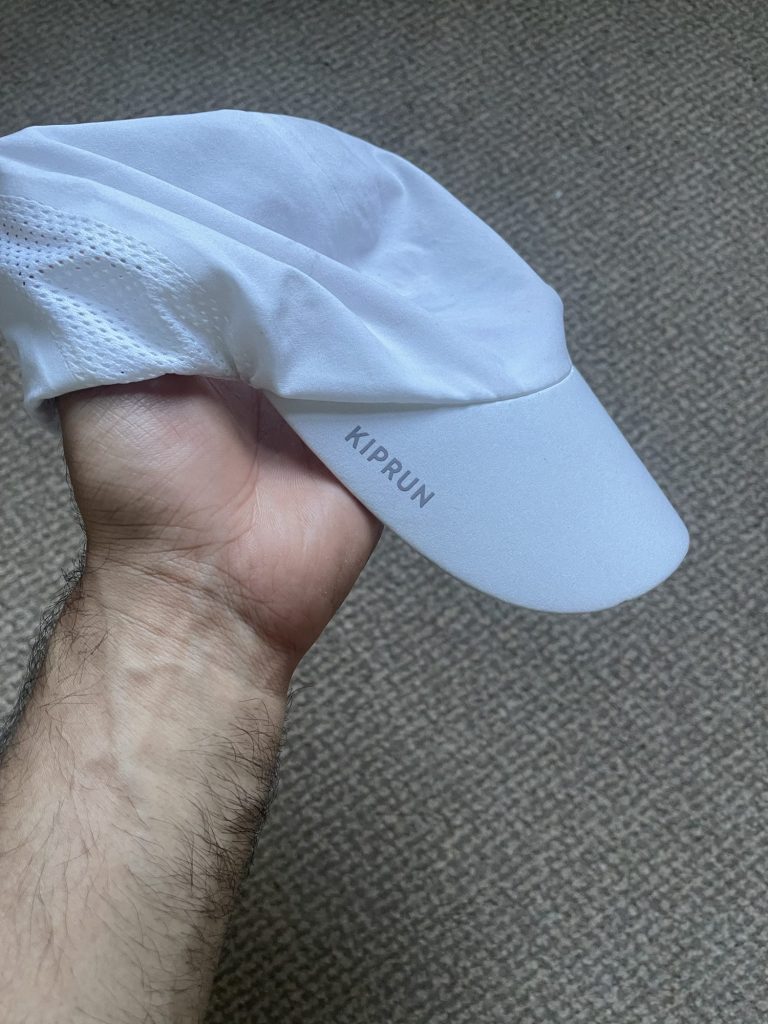
Cap
I’m happy that I didn’t invest in a hiking specific cap as my collapsable running one from Decathlon was more than sufficient. Only issue was that it would, over time, slide further up my head and get to a point where even the slightest gusts of wind would cause it to blow over.
I blame my long hair, but you might want to consider getting a cap that has a strap.
Hygiene
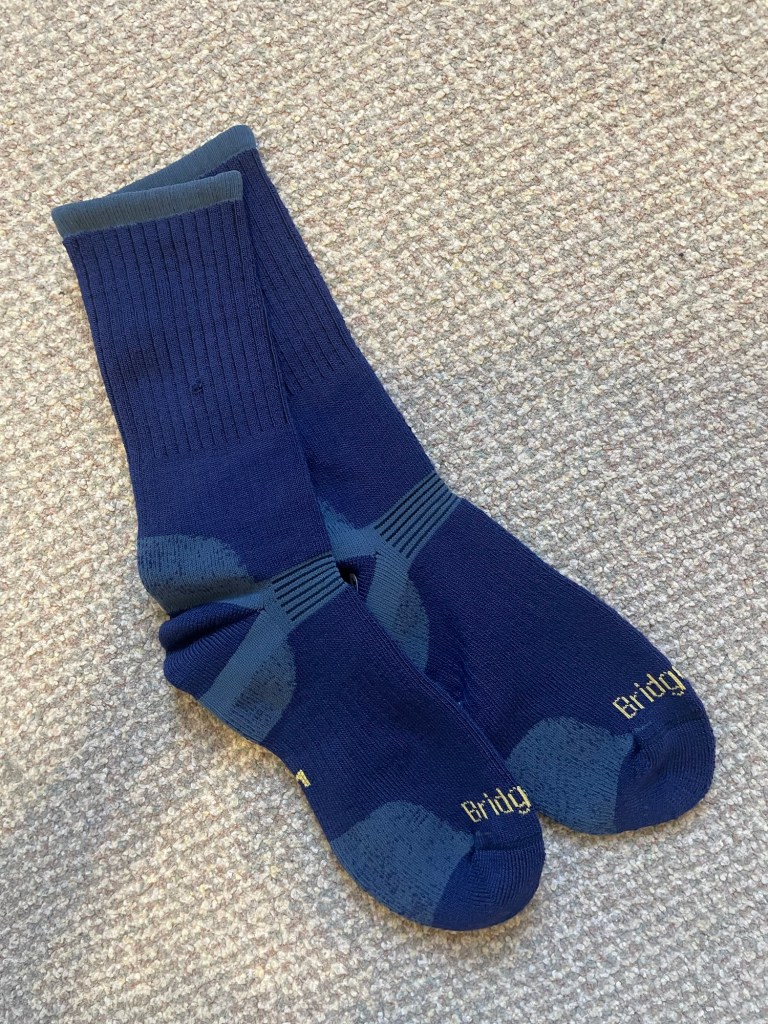
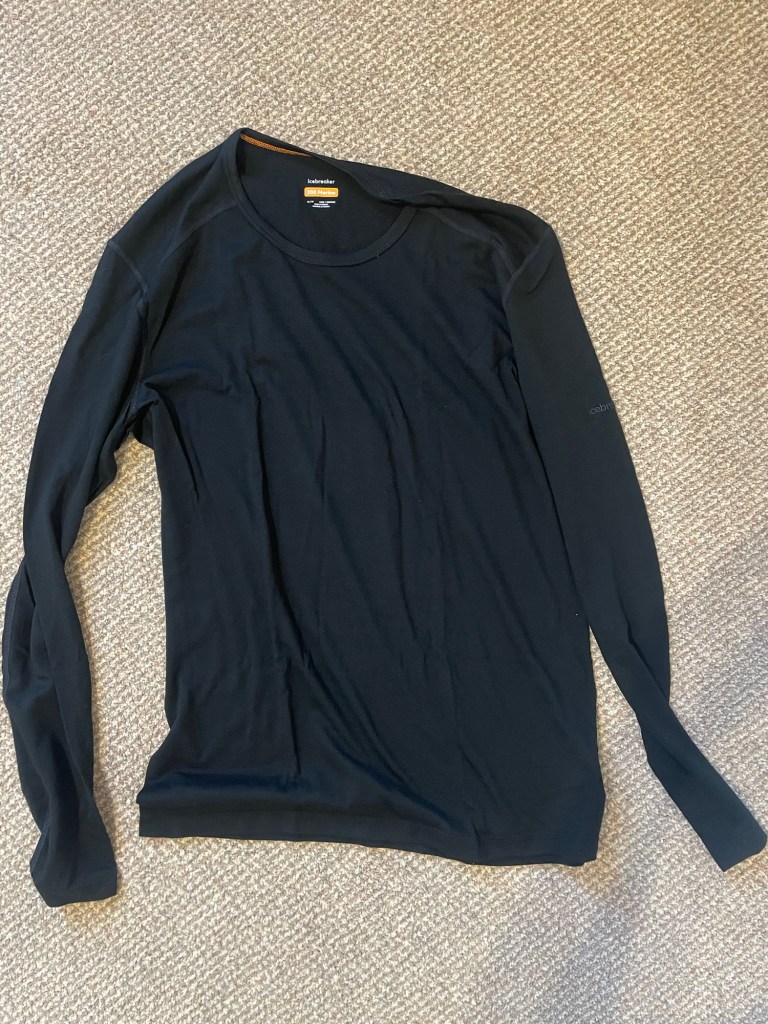
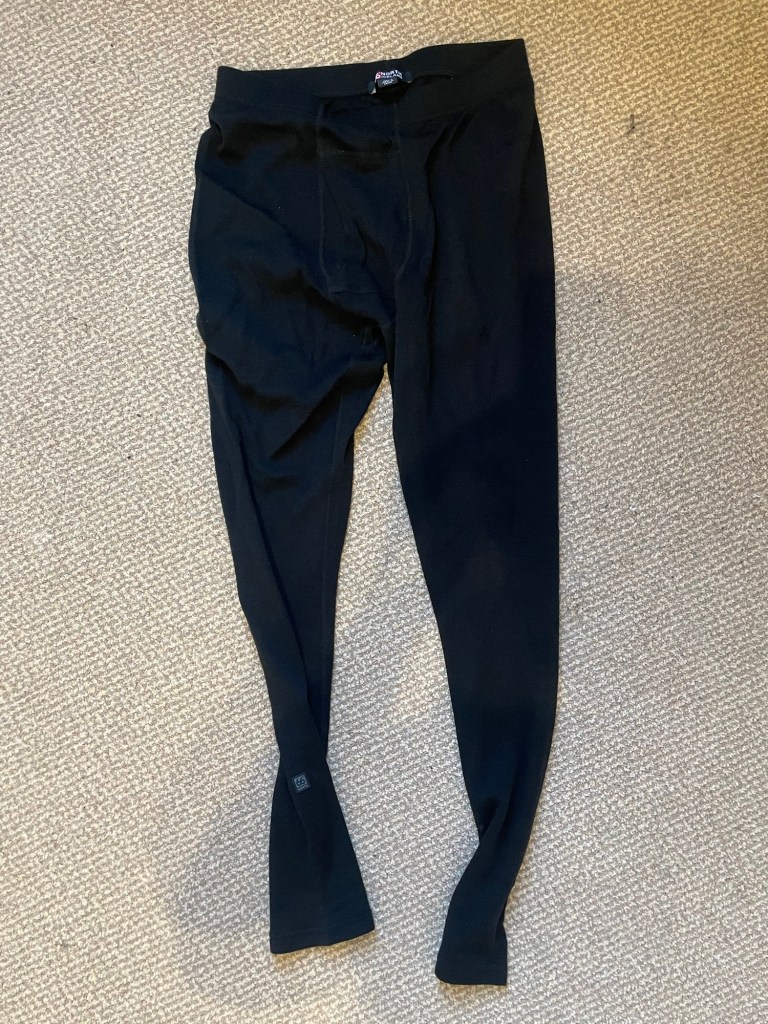
Merino Wool
Very expensive investments that I made, but I am very happy with them. These were lifesavers for a few reasons:
- they kept me warm most of the time
- they didn’t make me feel hot, even on days that were very hot
- they took a long time to start smelling (3-4 days)3
I’ve been using them after Peru as well as thermals, so in that sense they have been excellent investments.
I would recommend having two tops and two bottoms, even though you may find conflicting advice elsewhere. I personally appreciated being able to switch, and I would even consider taking a third just for sleeping. I would strongly recommend the pants as well, as they help immensely with keeping warm.
On the socks though, you can get somewhat cheaper options in Peru itself. I was able to snag a pair of merino socks for 40 soles, which is around 8 pounds compared to the ones I got at 13 (discounted: RRP of 25). One issue I had with all the socks is that they are super prone to attracting hay and other debris, so be very careful when you wear your shoes in the morning! I would say that 3 pairs is sufficient, though I had a fourth one just for sleeping.
Trowel
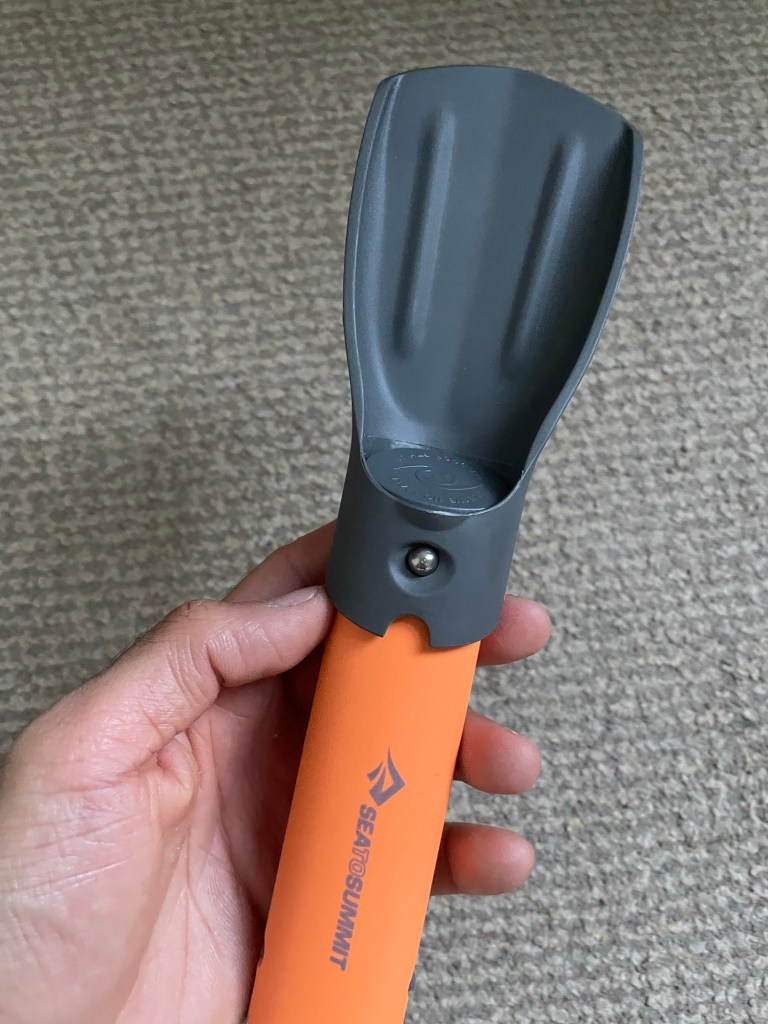
This was an unused piece of gear, since the campsites on the circuit have toilets. Luckily I didn’t need to ever do a number two on the trail.
I still think it is a necessary piece of gear, but I can’t give an honest review.
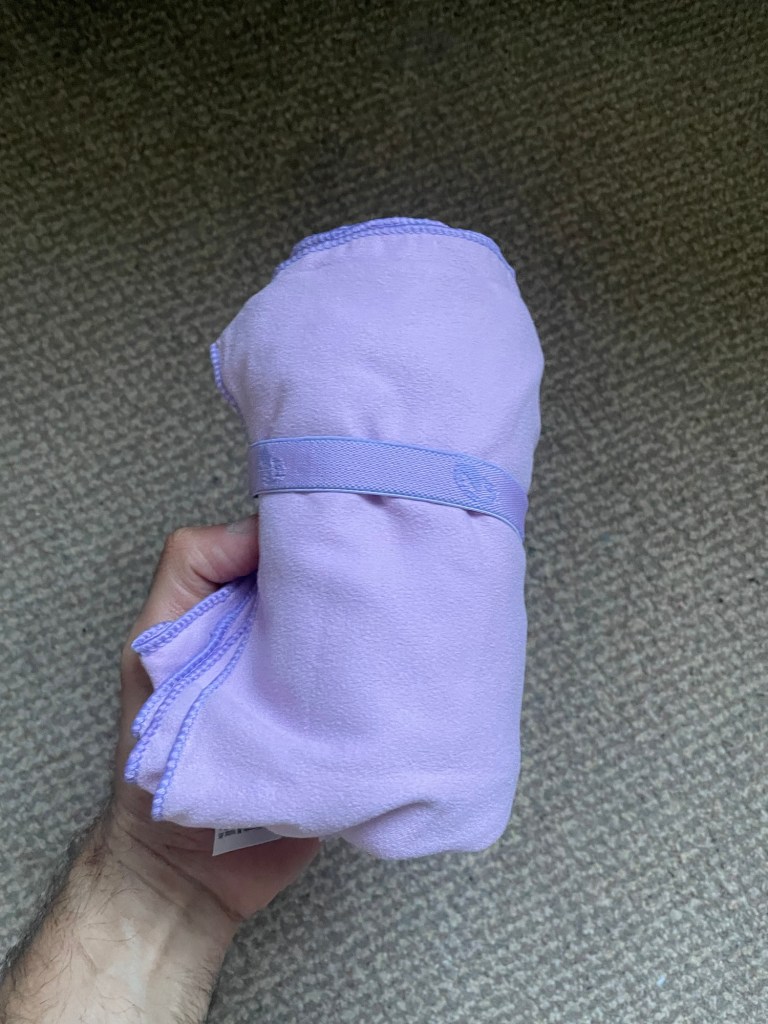
Towel
I was happy with my Decathlon microfibres. However, they took a really long time to dry, even at the high altitude… so that’s something to keep in mind.
Soap
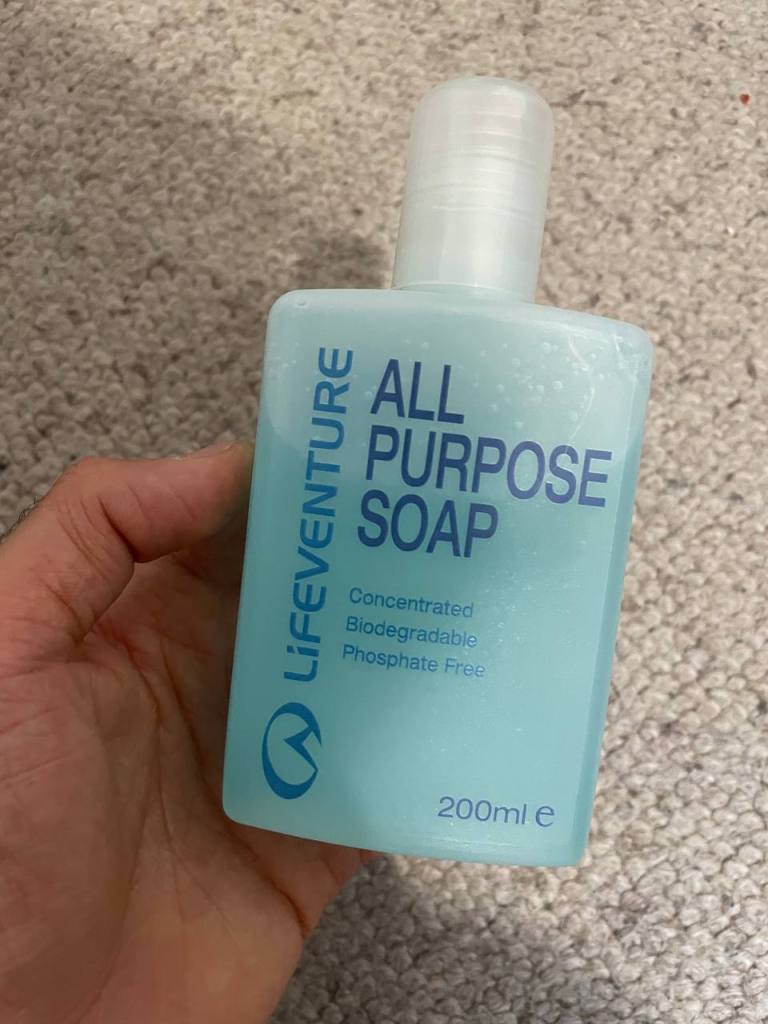
The soap was a lifesaver. I was collecting so much dirt on my fingers that sanitizer just wouldn’t remove, so it was nice to wash my hands when I had the chance.
But we warned: the water is ICY.
Weather Protection
It was hot during the day due to the harsh sun, though cold when windy. The nights were absolutely freezing, and I’d reckon that temps reached between -5 to -10.
Neck Gaiter
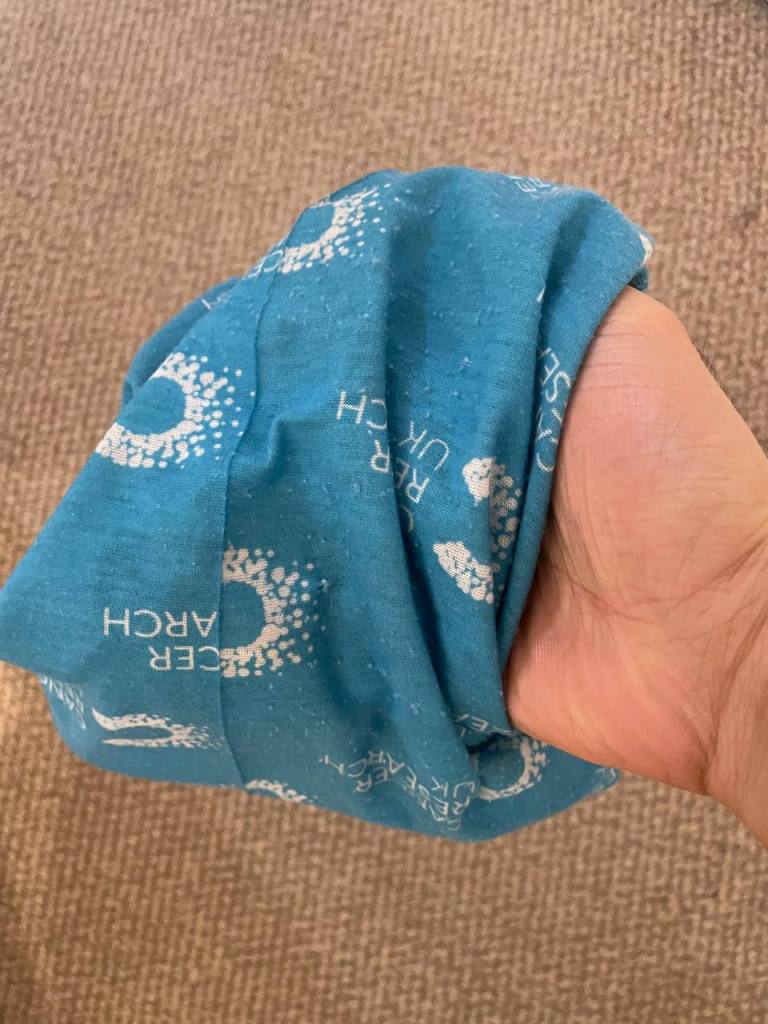
This is an absolute must in terms of gear for this kind of trip, and one that I packed “just in case”. I’ve never seen anyone mention it online, and the itinerary guide from the tour agency failed to mention it.
I highly recommend getting a few of these because of how versatile and functional they are:
- you can position them so they cover your forehead, ears, neck or nose
- you can position them to prevent your cap from flying
- if it gets hot, you can just put them around your neck to protect you from the wind
I think the main reason why I didn’t get sick is because the moment I started noticing flu symptoms I slept with this on such that I covered my neck.
I would suggest packing a couple, as it can get a bit nasty as you are breathing into it the whole time.
Down Jacket
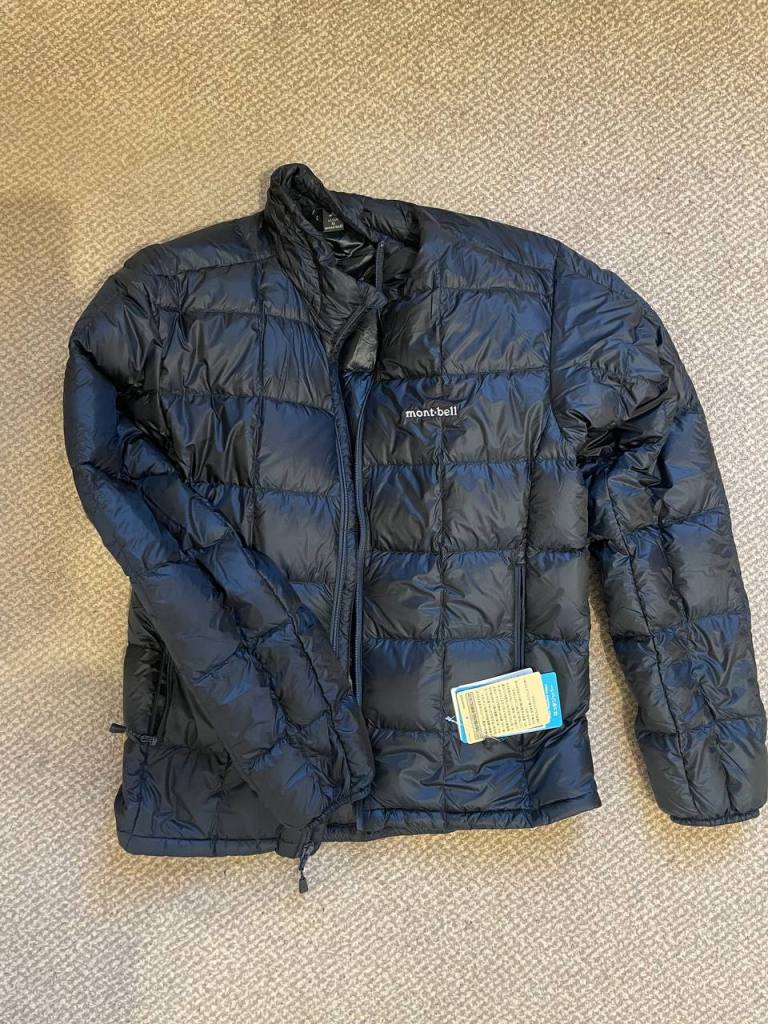
I was really happy with the down jacket I got from Montbell. It kept me warm and I loved that it was light, and I’ve been using it heavily since being back from Peru.
However, it alone is not sufficient to keep you warm, so make sure you back long sleeves/thermals as well.
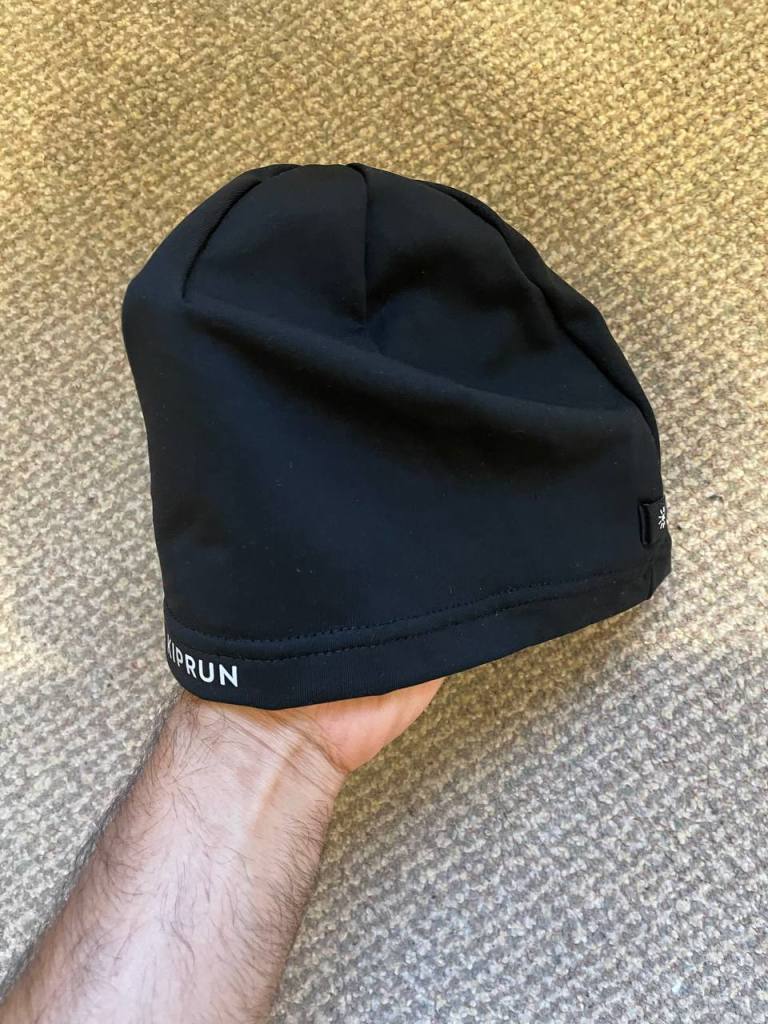
Beanie
Surprisingly my beanie was mostly unused, but it really made a difference on the really cold nights. I would suggest packing one as it barely takes up space.
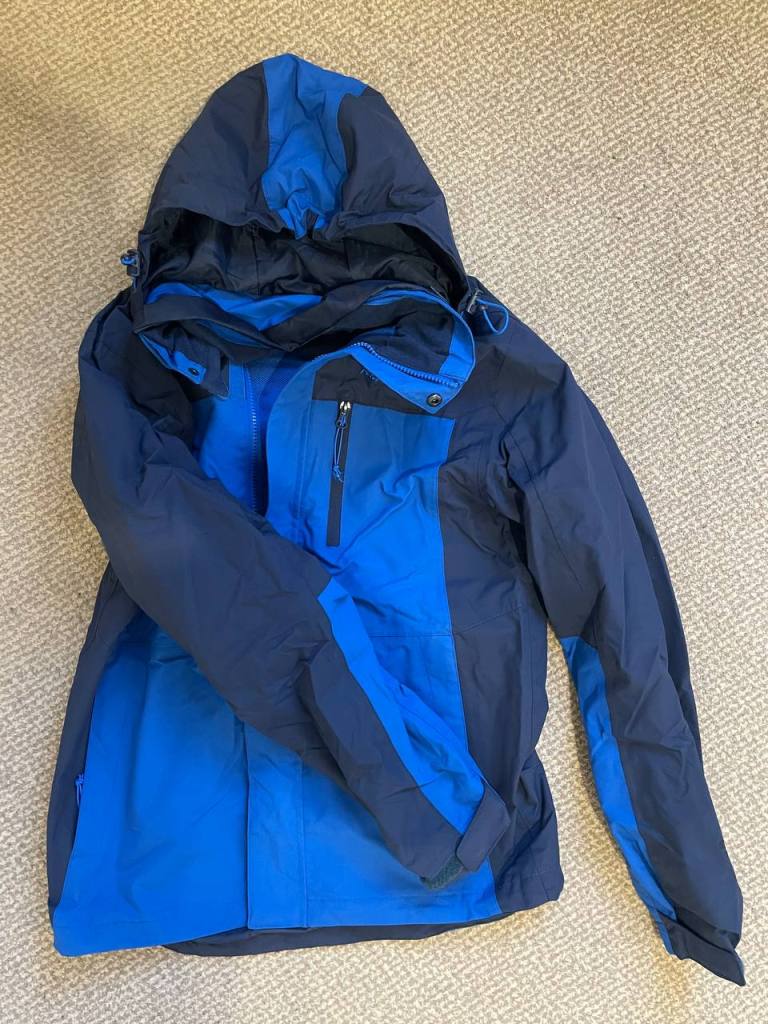
Hard Shell
As predicted, I didn’t really need to use my hardshell much so happy that I didn’t spend half a grand on Arcteryx ones. The only thing to consider is that the hard shells are really heavy, so keep that in mind if buying one.
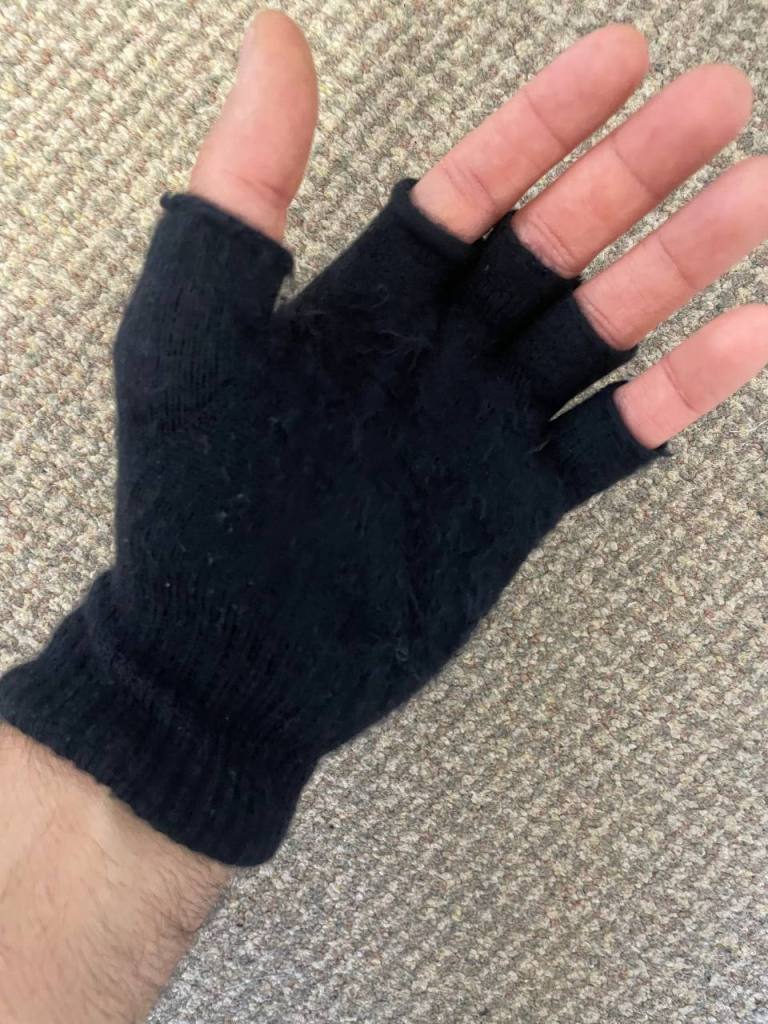
Gloves
The gloves were such a nice addition to my trip, and I’m really happy I took them with me.
That said, on the really cold nights and definitely in the mornings I wished I had some that fully covered my fingers.
I therefore would recommend having two pairs, maybe a waterproof one for the mornings/late nights, and then a fingerless one like mine for when the hiking is pleasant.
Vaseline and Moisturiser
I applied vaseline to my lips every night and I’m pretty sure this is why I still have lips today. The mistake I made is not packing moisturizer for my hands.

Water Purification
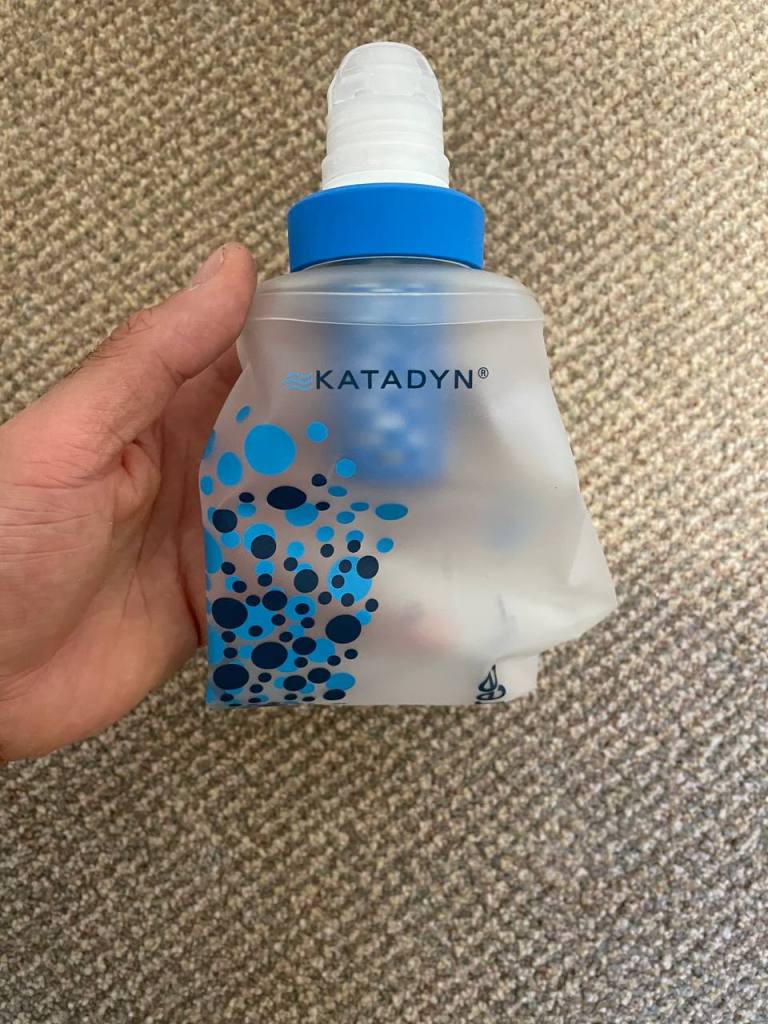
Water Filter
The katadyn filters I had worked like a charm. I was really pleased with them, and with my research on them.
The others in my group had interesting solutions for water filtration:
- One had a gravity filter. This can work nicely in a group for you can bulk collect water and share with everyone. However, I still wouldn’t recommend them because they are really finicky and slow, and there is always some water at the end that gets stuck.
- Some had lifestraws integrated in bottles. This seemed like a neat solution to me.
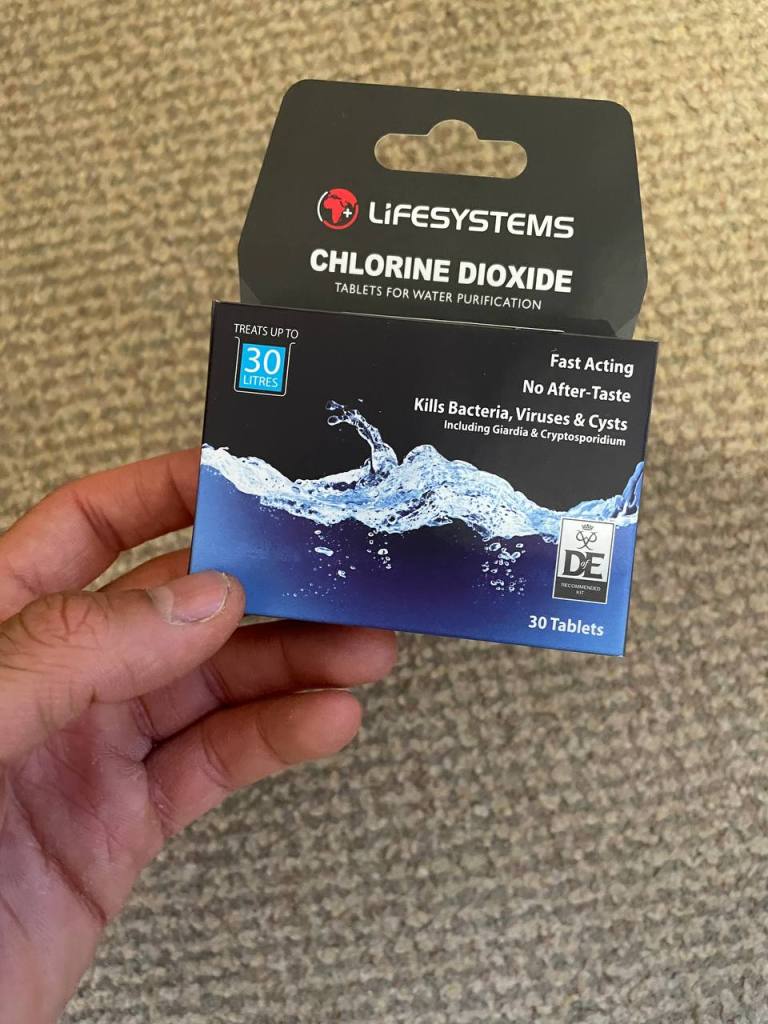
- A lot of the group used chlorine dioxide.
I would personally recommend the katadyn be free because of how simple it is to use. My only gripe with it is that some 100 ml of water will get stuck at the end when you’re drinking.
I really liked the cap that keeps the actual drinking nozzle clean.
And I was happy to have two of them to be honest.
Chlorine Dioxide
In the end I didn’t end up using my chlorine dioxide tablets so I’m not sure I would recommend them, at least for the Peru hike.
I didn’t have any gastro issues throughout the trip, knowing full well that I was taking water from streams that had various sorts of animal dung in them.
Hiking Gear
Backpack
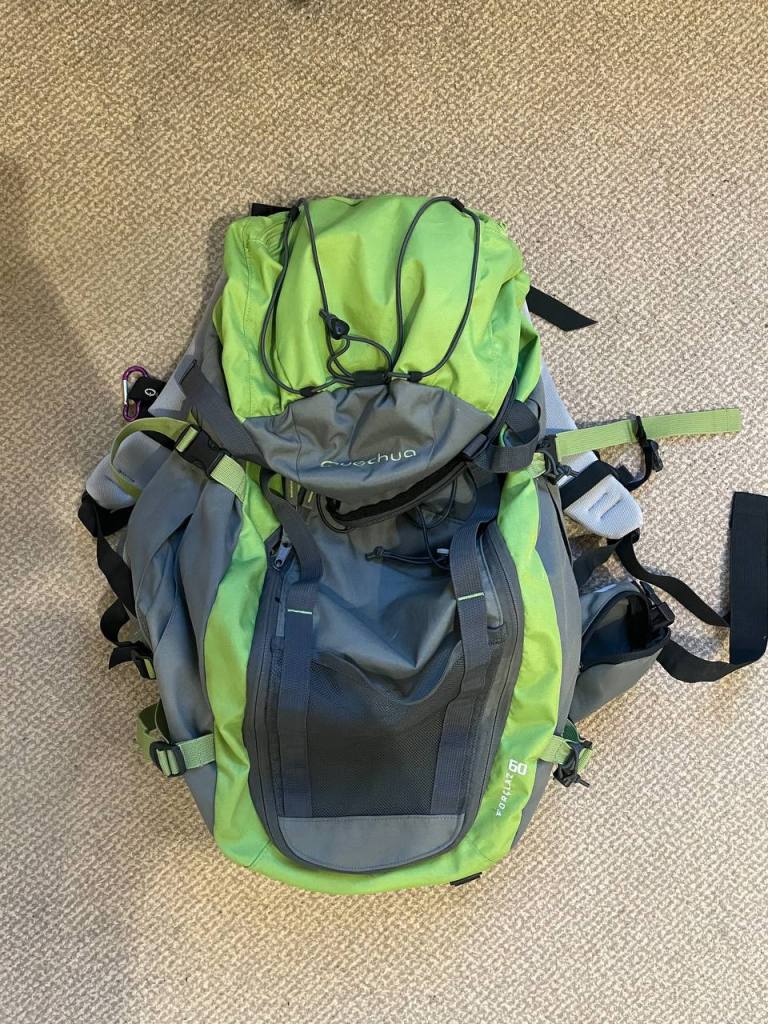
My backpack served me quite well, but I would not necessarily recommend it. I used it because I didn’t want to buy a new one.
60 liters is way too big for this kind of trip, unless you’re planning to carry most of your stuff with you. In my case, the tour I went with had donkeys so the amount of stuff we carried for us was limited to essentials. A 30 liter would have been more than enough.
Many times I carried extra items on purpose to give some structure to the 60 liter, so that it doesn’t droop.
Hiking Shoes
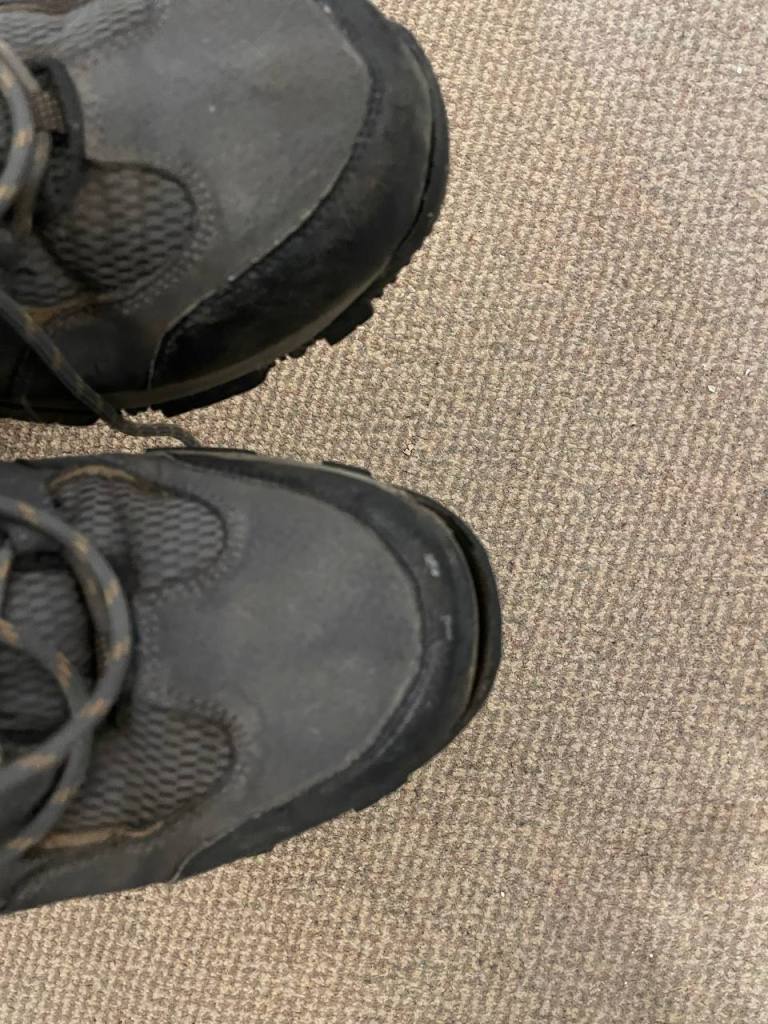
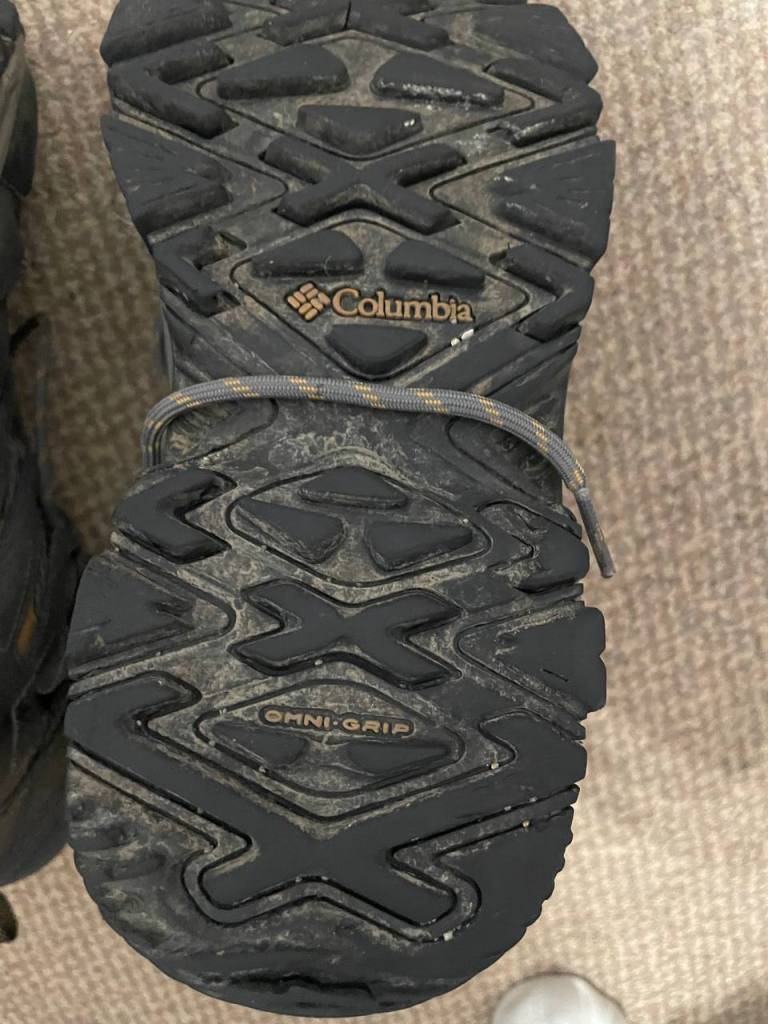
Like the bag, I found that the hiking shoes served me very well, but I wouldn’t recommend them.
I would personally go for hiking shoes that are less bulky. Many of the hikers I saw were wearing shoes from La Sportiva, so that’s a brand to consider. Merrell and Solomon featured heavily too.
Further, these shoes got damaged during the hike (though luckily not severely), so they lost some waterproofing capabilities as well.
I am still a defender of high top shoes, even though the majority of those hiking were wearing mids or (concerningly) lows. I enjoyed the extra confidence of high tops, though I might consider mid tops for the right shoe.
Walking Sticks
I didn’t end up buying any, and instead borrowed some from the tour agency I was with.
These are immensely helpful, and I would highly recommend buying yourself a good pair if you want to hike regularly.
A shitty pair like mine can take you a long way, but you’ll get frustrated with the constant need to re-tighten it.
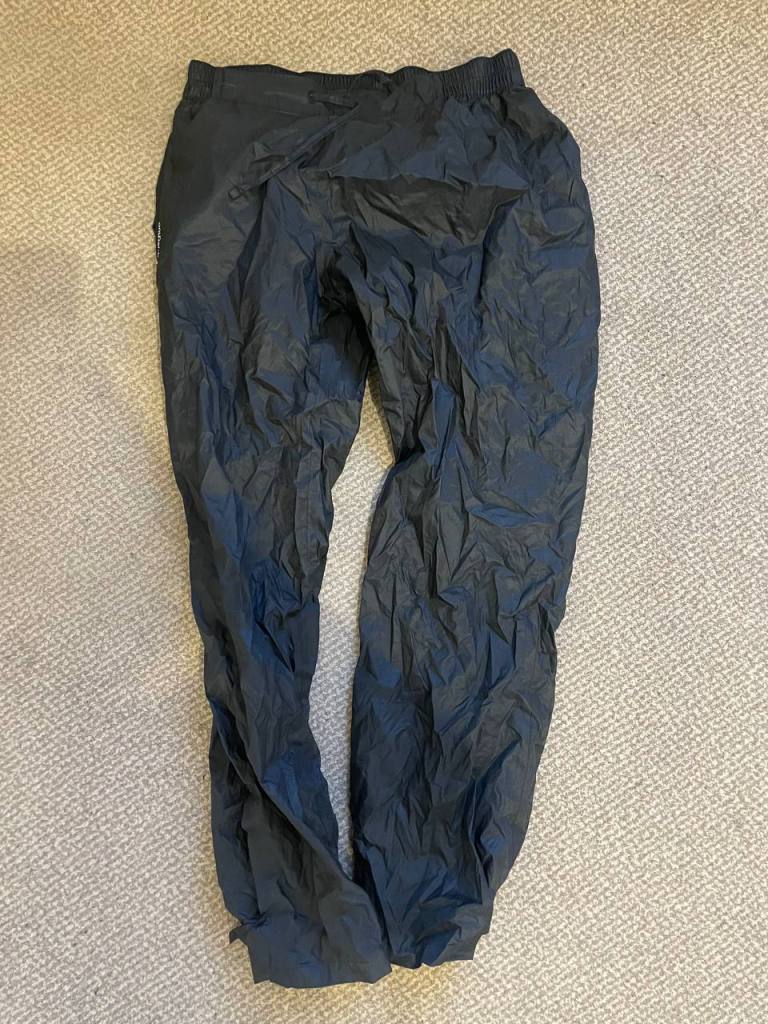
Hiking Over-trousers
I didn’t need to use my overtrousers as the weather conditions never got that bad. But naturally, this is one of those pieces of gear that you wish you had in the wrong weather conditions.
Safety and Emergency
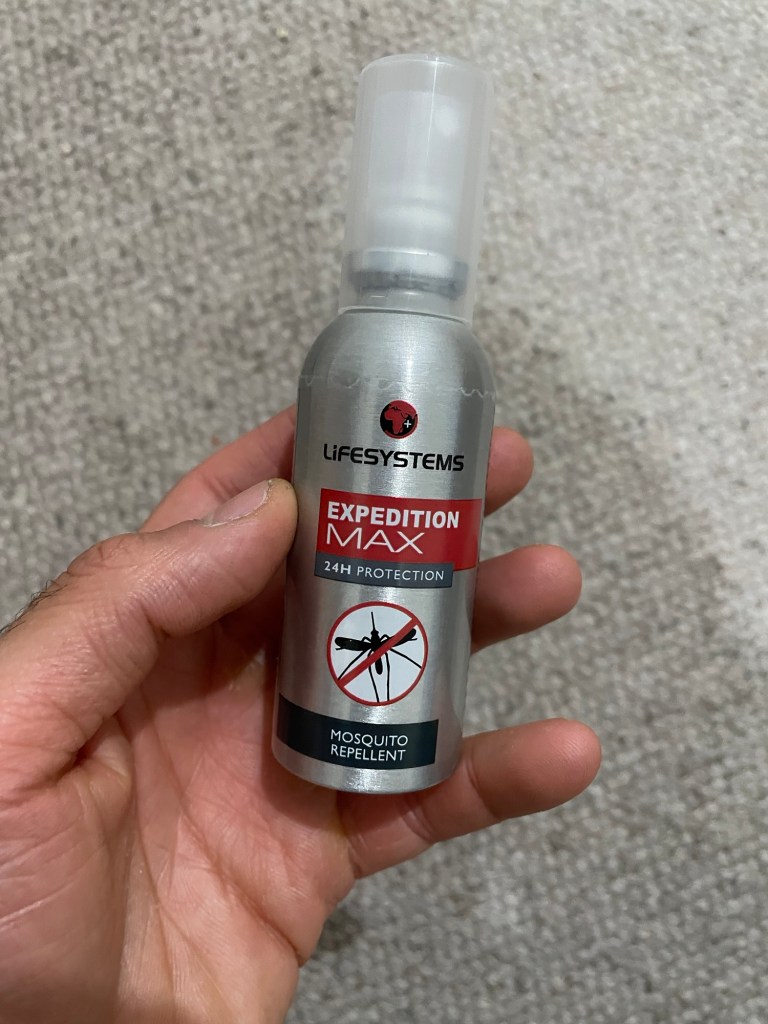
Insect Repellant
I didn’t need to use the insect repellant at all. I think I had one or two encounters with mosquitos only.
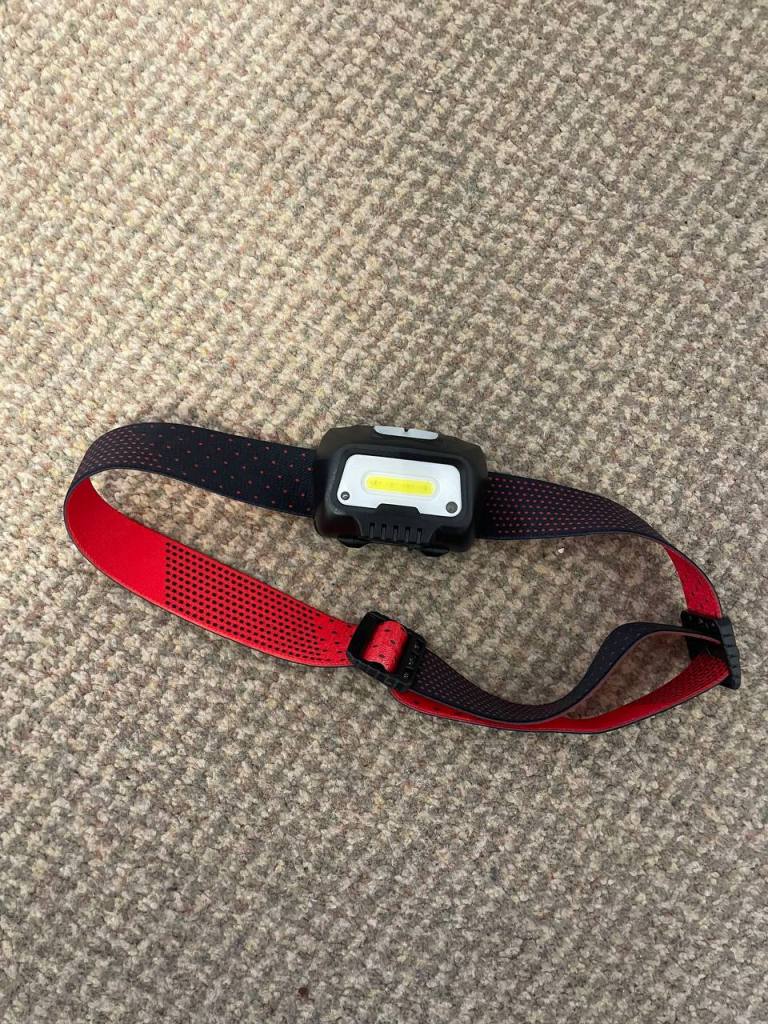
Headlamp
So important and I’m happy that mine didn’t fail me in the freezing temperatures. Definitely get one that has a red light mode – particularly helpful at night.
While I didn’t have any problems with mine, I think it is safer to go with a headlamp that can take batteries, since you don’t wanna risk any issues with power banks failing to charge.
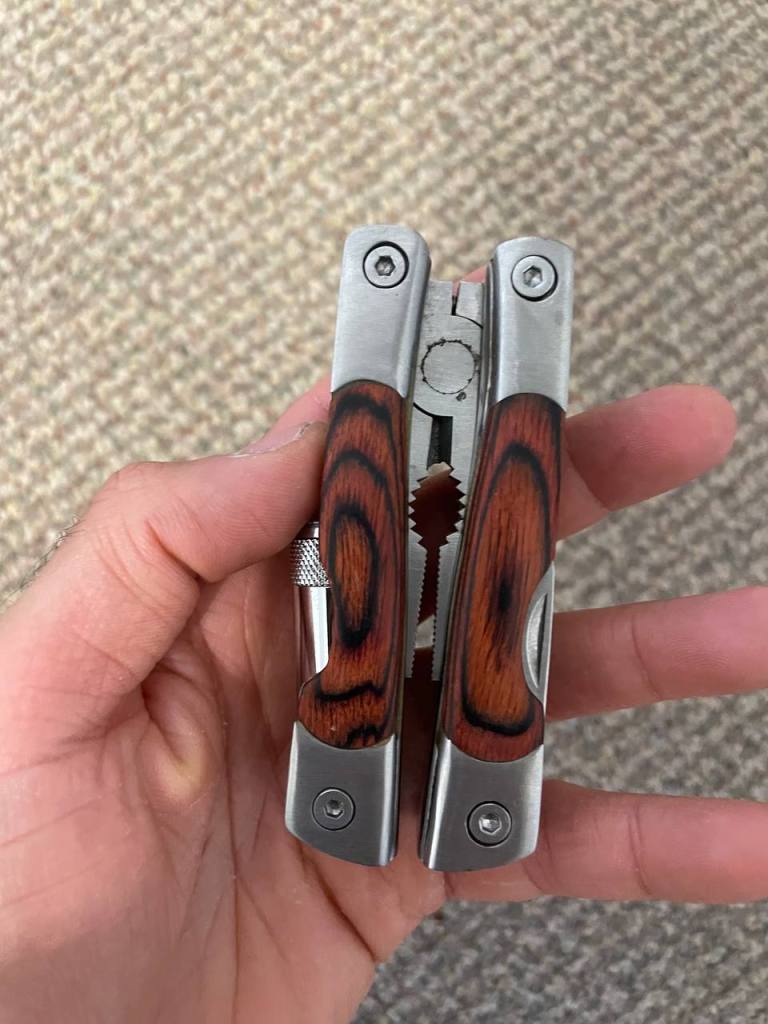
Swiss-Army Knife
Didn’t need to use mine at all. Unlikely to be useful if you’re hiking as part of an organized group.
First Aid Kit
I didn’t end up taking a first aid kit with me, though I definitely should have. I got cut a few times and would have appreciated being able to clean my wounds properly just for the peace of mind.
Electrolytes
I didn’t need any electrolyte mixes for this trip, though I still think they can be an interesting thing to explore to battle altitude sickness.
Sleep System
Tent
We were given tents by the tour agency. They were K2 3 person tents that we shared between two people.
Not a tent expert personally, but these worked fine for us.
Sleeping Bag
I rented a sleeping back from the tour agency at 7 dollars a night. It was meant to be graded to -18, but I still found myself absolutely freezing at night despite wearing my thermals, thick pants, a wool sweater, my merino socks, my neck gaiter and sometimes my down jacket and beanie!
So look: spending a grand on a really solid sleeping bag is not worth it if you’re not a regular hiker, but make sure you are loaded with enough gear to stay warm at night, for the case where the sleeping back isn’t as good as you expected.
Liner
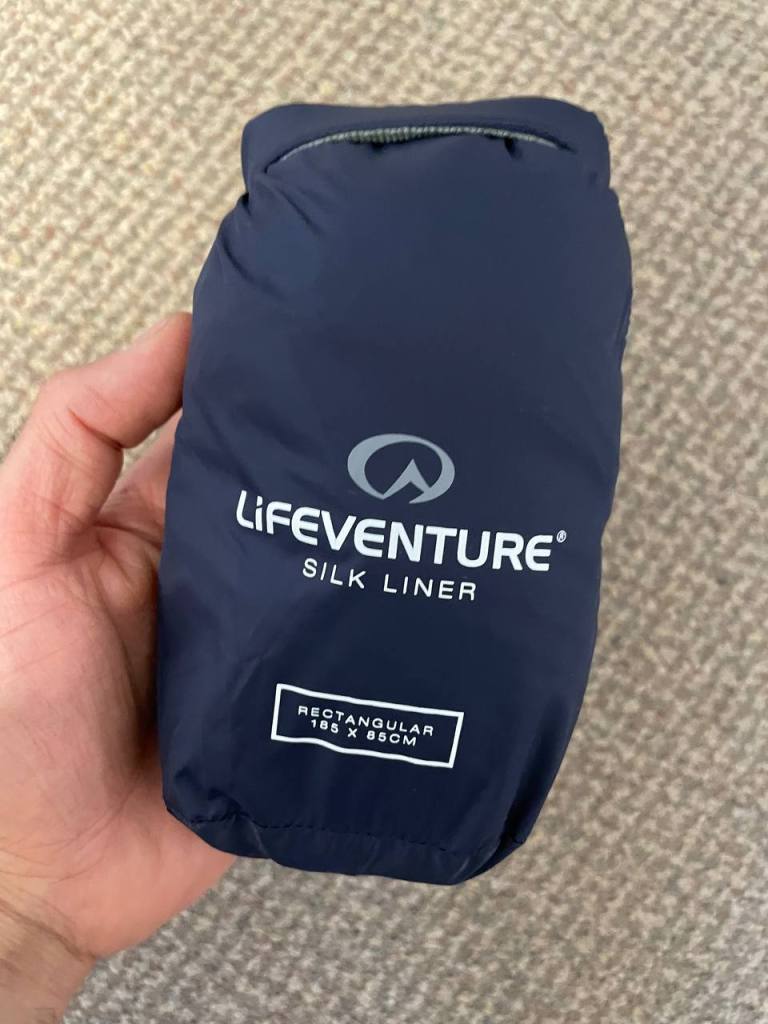
I was very happy with my silk liner from Lifeventure and can confirm that the extra layer makes a difference in the cold hours of the night.
Sleeping Pad
I had a standard foam sleeping pad and I’m not experienced enough to say whether it was a good or a bad thing. Many nights I woke up finding that I’d slid down, but not sure if an inflatable one would have been better.
Pillow
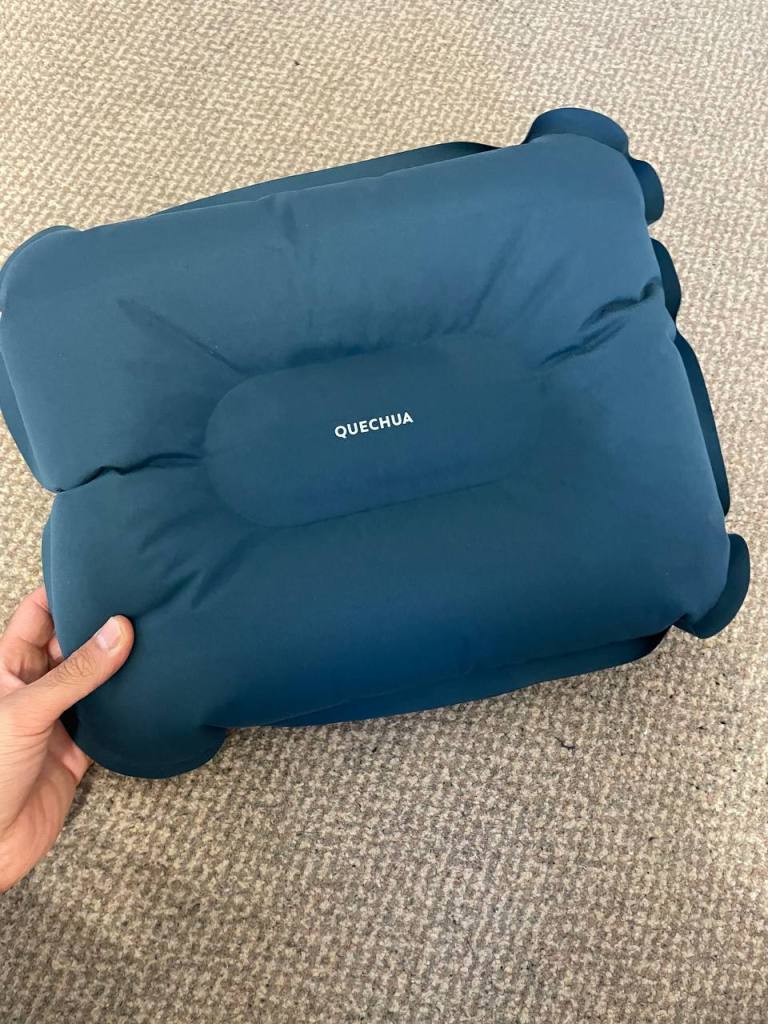
A very good investment for very cheap. There are lots of people who claim that these suck, but I was fine with them. I would recommend buying them and trying them out before spending lots of expensive ones.
Earplugs and Eye Mask
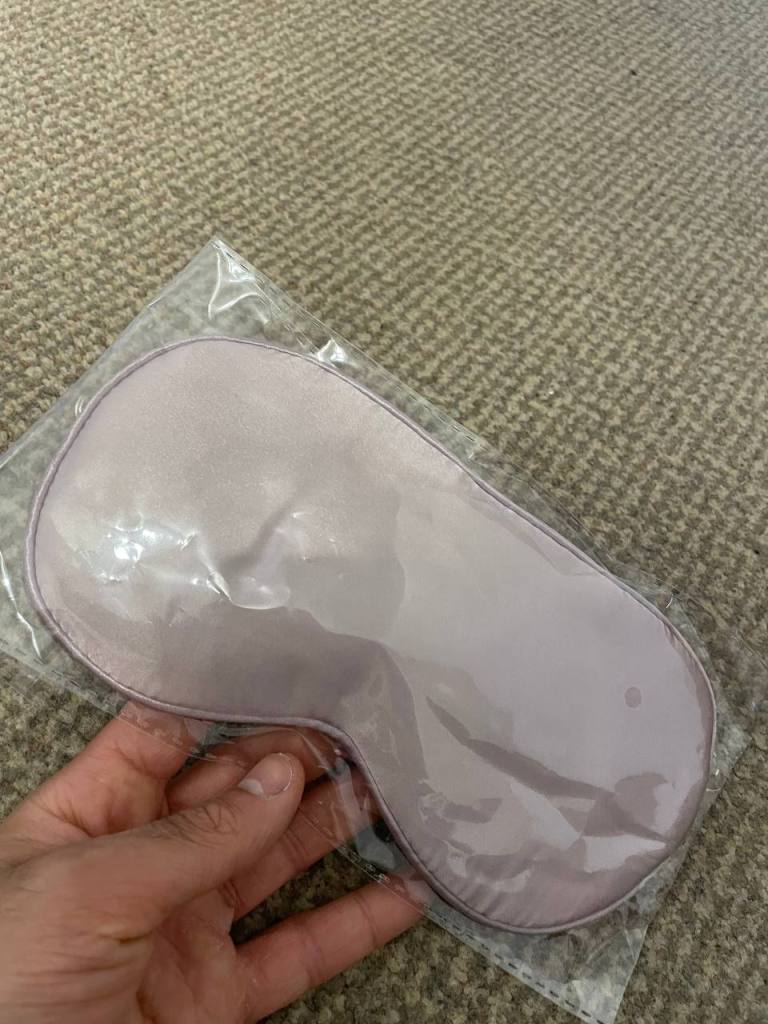
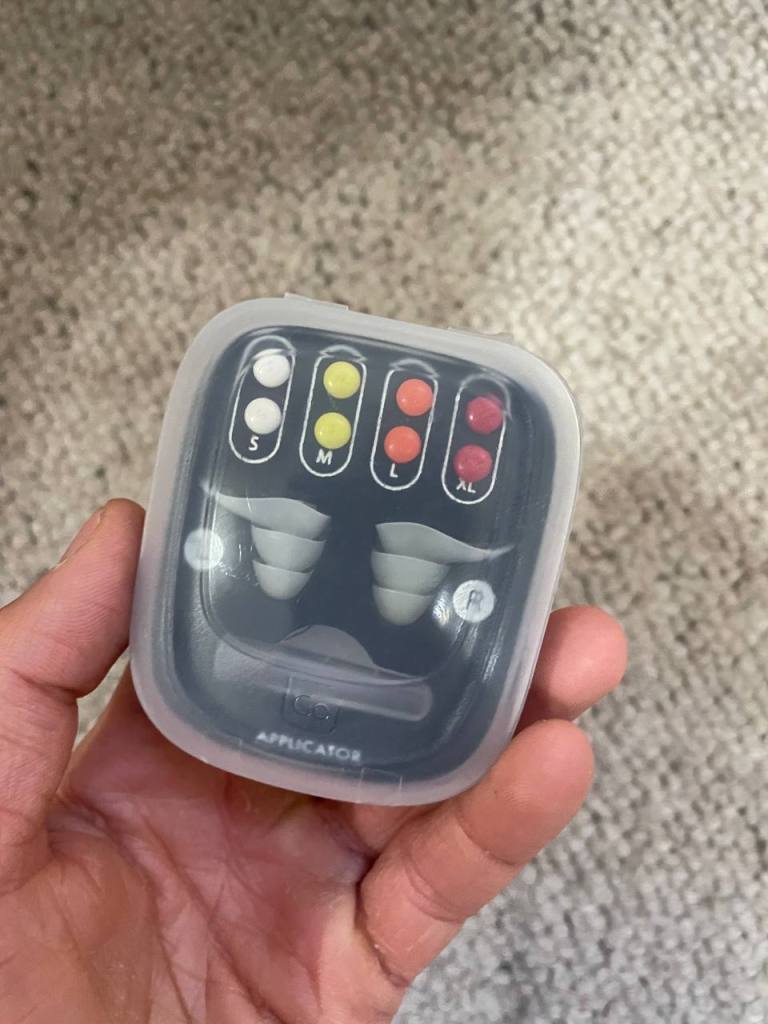
Very helpful… especially given that there are tonnes of stray dogs at the campsites who bark at the echoes of their own barks.
The eye mask wasn’t super useful as we woke up before/at sunrise on most days, but it doesn’t hurt to pack them anyways.
Luxury Items
Sun Protection
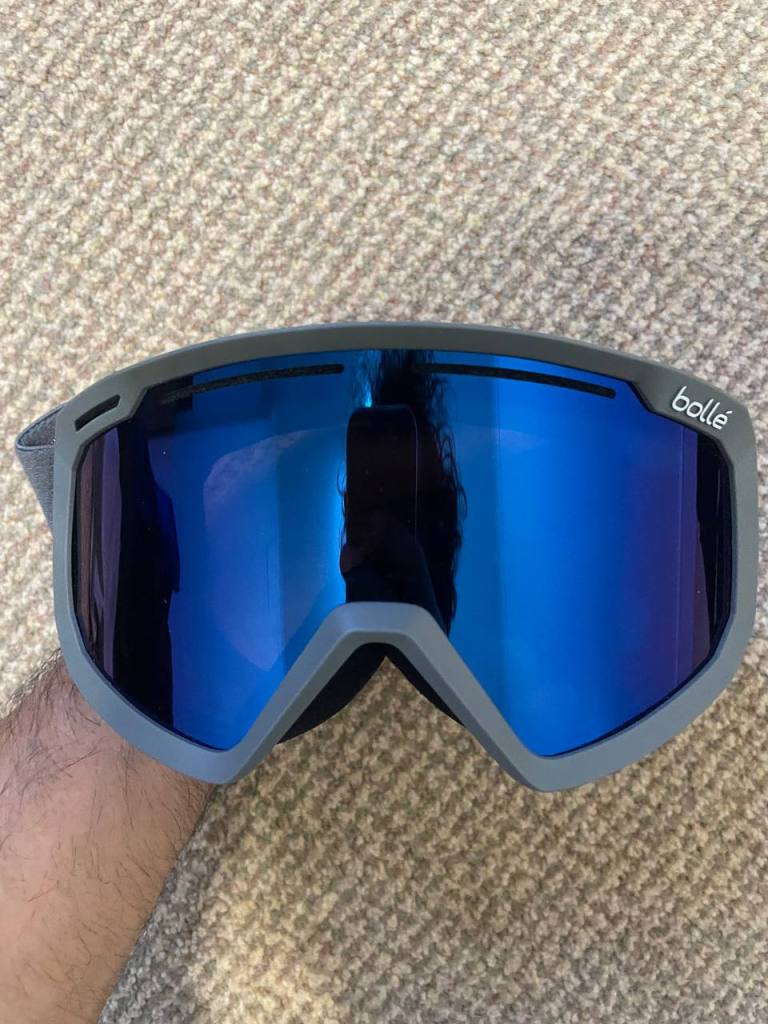
Ski Goggles
The ski goggles were a complete waste! I never used them once.
This was mostly because I managed to cop myself graded sunglasses for cheap before the trip.
It snowed a few times, but I never felt the need to use the ski goggles.
Luckily I was able to return them once back!
Hygiene
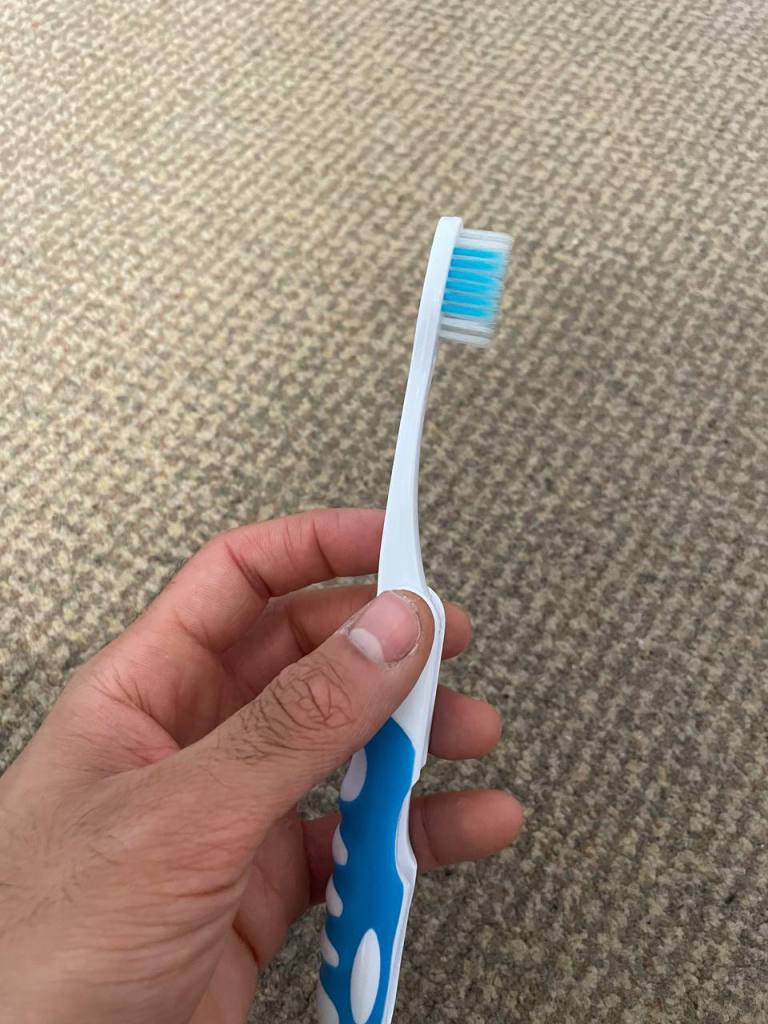
Travel Toothbrush
This was an excellent item… so good that I’d consider moving it to necessities.
I found that dirt was finding its way everywhere… so having a cover for my toothbrush was rather relaxing.
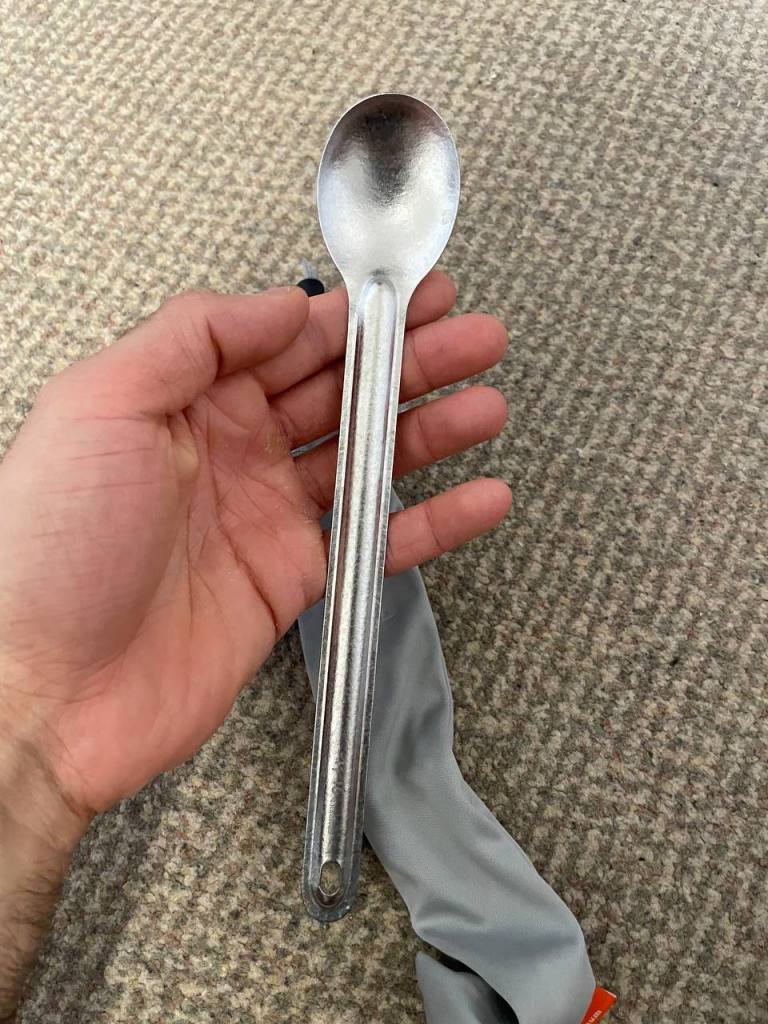
Long Spoon
I never once used my spoon, because we were given clean cutlery every meal. None of my snacks required spoons either.
Weather Protection
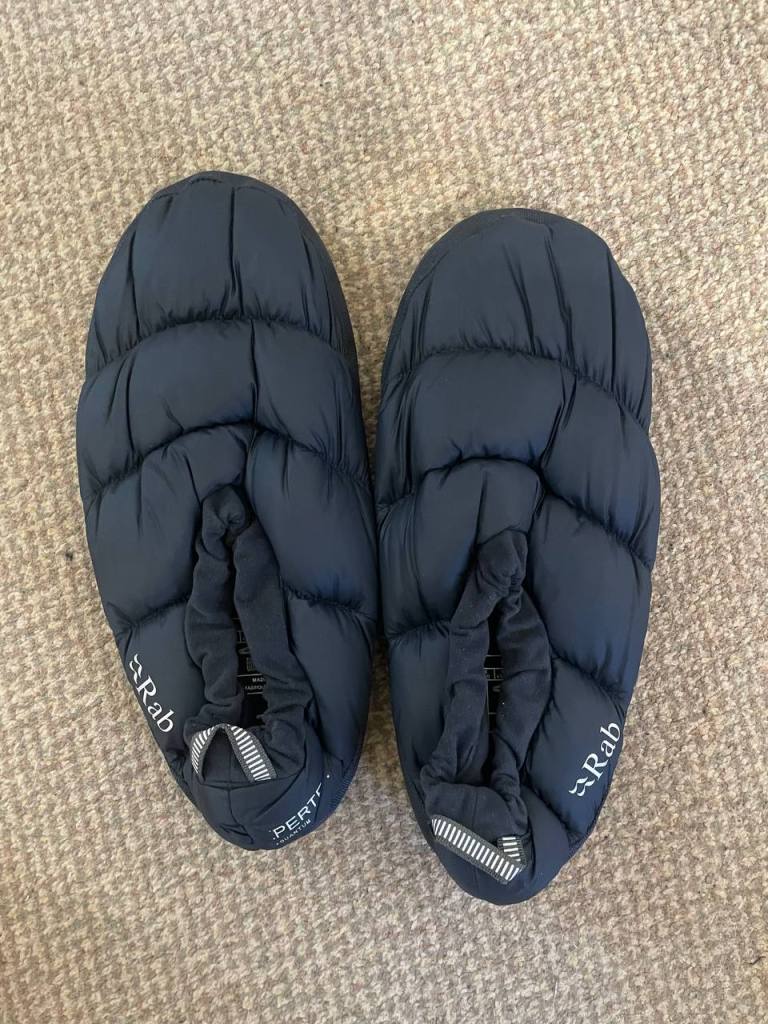
Camp Slippers
These were known as my “adventure booties” because I took them to so many places.
I can say that they were a really good investment. I loved being able to switch out of my shoes to feel lighter and to let my feet decompress.
The only issue is that the toilets at the Huayhuash campsites can be quite dirty, the way to them can be very treacherous… so don’t treat them like “home” slippers.
Hiking Gear
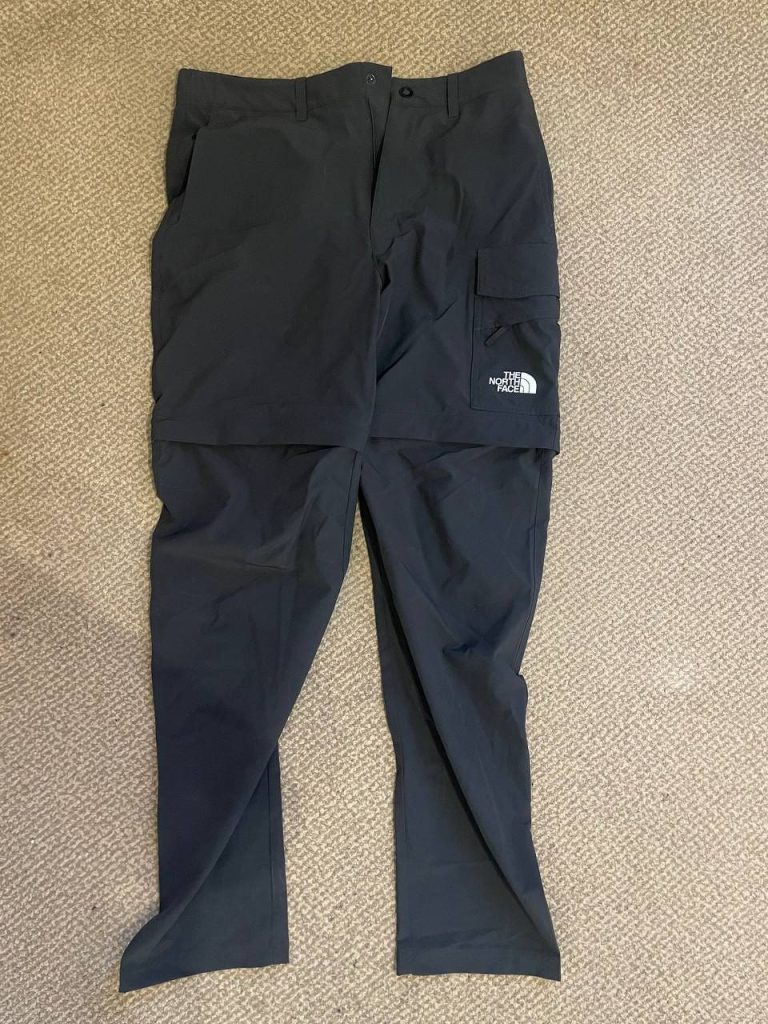
Zip-off trousers
An expensive piece of gear that was probably not necessary. The water resistance capabilities of it were good, but you can get that for much cheaper in other products.
I zipped them off once only.
Safety and Emergency
Performant Power Bank
I didn’t use this much, but I can confirm that my normal bank ran out of charge really quickly and this didn’t. So if you want to rely on a power bank, then take this.
But I encourage you to pack in such a way where you don’t need to rely on one.

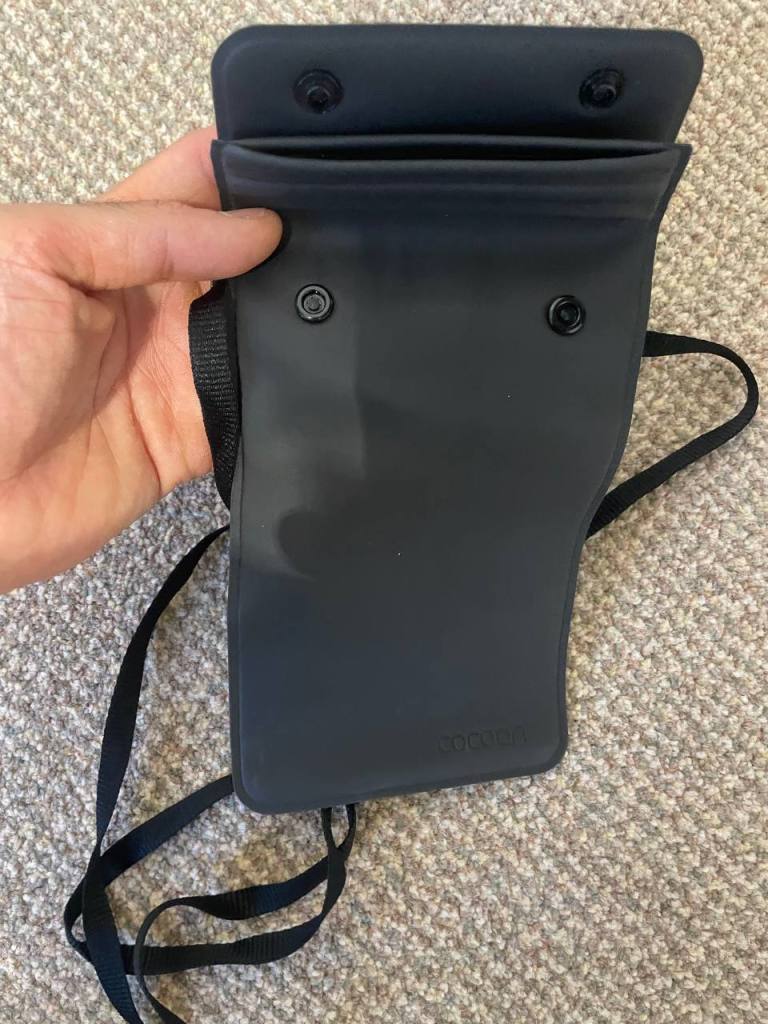
Waterproof Cover
Didn’t need to use this.
Other
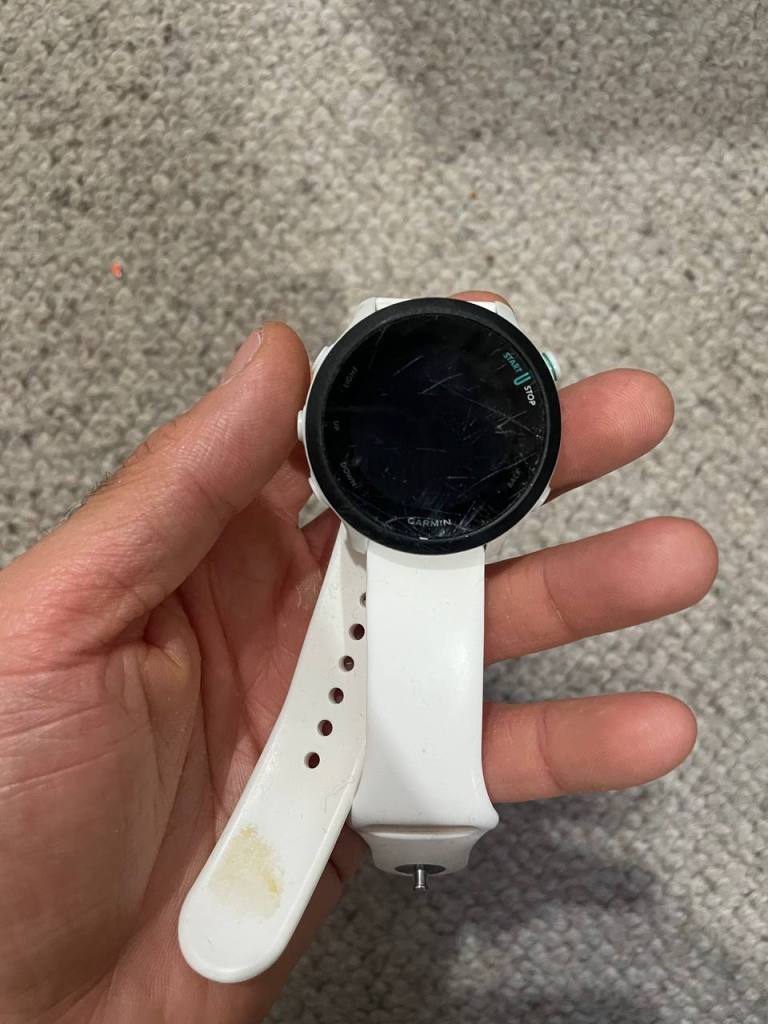
Garmin Watch
I didn’t end up taking one because mine broke4. That said, I think you’d hardly find them useful as they would most likely not last a whole day.
GoPro and Camera Equipment
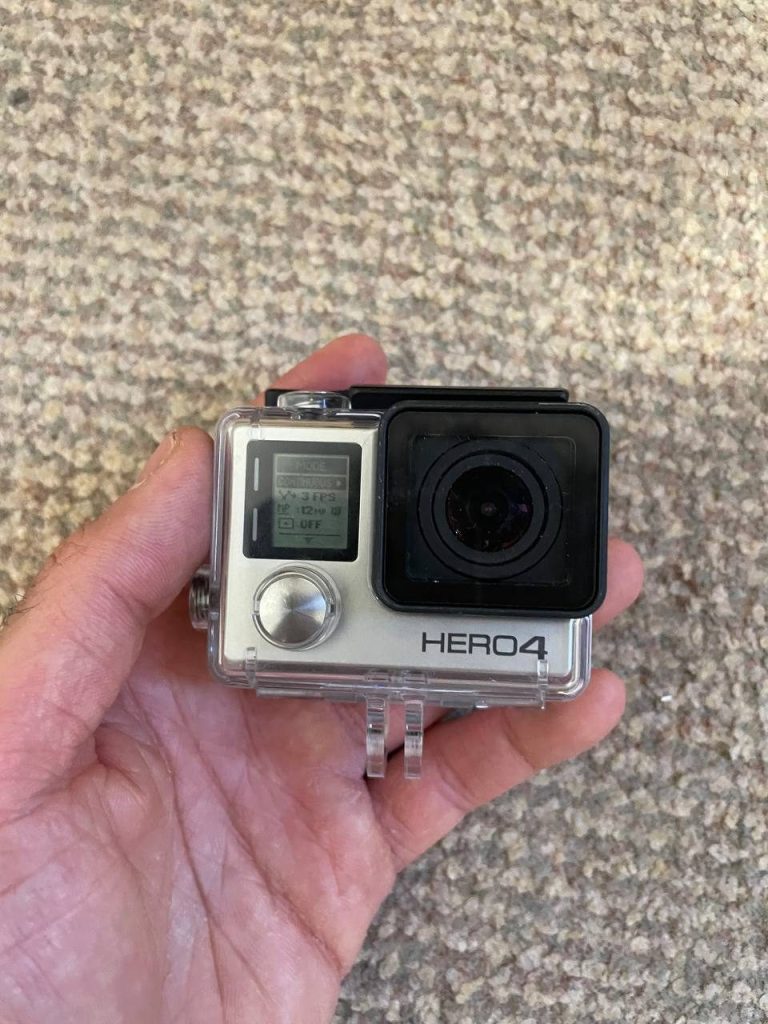
A piece of equipment that I thought would get more use. I say instead of buying camera equipment specific to adventure, take a course in photography! I find it amazing what phones can do these days if you know a few tricks.
Concluding Remarks
In summary, below is the updated itinerary:
| Item | Price Per Unit | Necessity |
| Sun Screen | 0 (x3) | Necessary (already owned) |
| Lip Balm | 4.25 | Necessary |
| Sun Hoodie | 0 | Necessary |
| Cap | 0 | Necessary (already owned) |
| Merino Socks | 13 (x3) | Necessary (discounted price) |
| Merino top | 74.99 (x2) | Necessary |
| Merino leggings | 106 | Necessary |
| Trowel | 9.9 | Necessary |
| Microfibre Towel | 7.99 (x2) | Necessary |
| Soap | 5.1 | Necessary |
| Down jacket | 199.99 | Necessary |
| Beanie | 0 | Necessary (already owned) |
| Hardshell | 34 | Necessary (discounted price) |
| Gloves | 13.99 | Necessary |
| Water filter | 35.9 (x2) | Necessary |
| Backpack | 0 | Necessary (already owned) |
| Hiking shoes | 0 | Necessary (already owned) |
| Walking sticks | N/A | Necessary (borrowed) |
| Over trousers | 0 | Necessary (already owned) |
| Headlamp | 11.99 | Necessary |
| First Aid Kit | N/A | Necessary (did not buy this in the end) |
| Tent | 0 | Necessary (given by tour agency) |
| Sleeping Bag | 55 | Necessary (cost of renting for 10 days of hiking) |
| Sleeping Bag Liner | 41.99 | Necessary |
| Sleeping Pad | N/A | Necessary (given by tour agency) |
| Pillow | 4.99 | Necessary |
| Earplugs | 0 | Necessary |
| Eye mask | 0 | Necessary |
| Vaseline | 0 | Necessary (already owned) |
| Moisturizer | 0 | Necessary (already owned) |
| Neck gaiter | 0 (x2) | Necessary (already owned) |
| Travel toothbrush | 3.99 | Luxury |
| Camp slippers | 46.99 | Necessary (previously Luxury) |
| Power bank | 59.05 | Luxury |
| Rabies vaccine | 175 | Necessary |
The necessary items now cost me 879.94 (down from 899.69) and the luxury items now cost me 63.04 (down from 287.62), bringing the total cost of gear to 942.98 (down from 1187.31).
- You can read about part 1 here. ↩︎
- On really windy days it would flop backwards, so having a headband in case might be a good idea. ↩︎
- I would add though, that it is difficult to remove the smell even through washing. This could be because the detergent I’m using is not fragrant/harsh as I don’t want to damage the fibers. ↩︎
- I think due to Garmin being shady… my theory is that they design their batteries to last up until their warranty periods only! ↩︎
 Tsunami's Hungry
Leave a comment