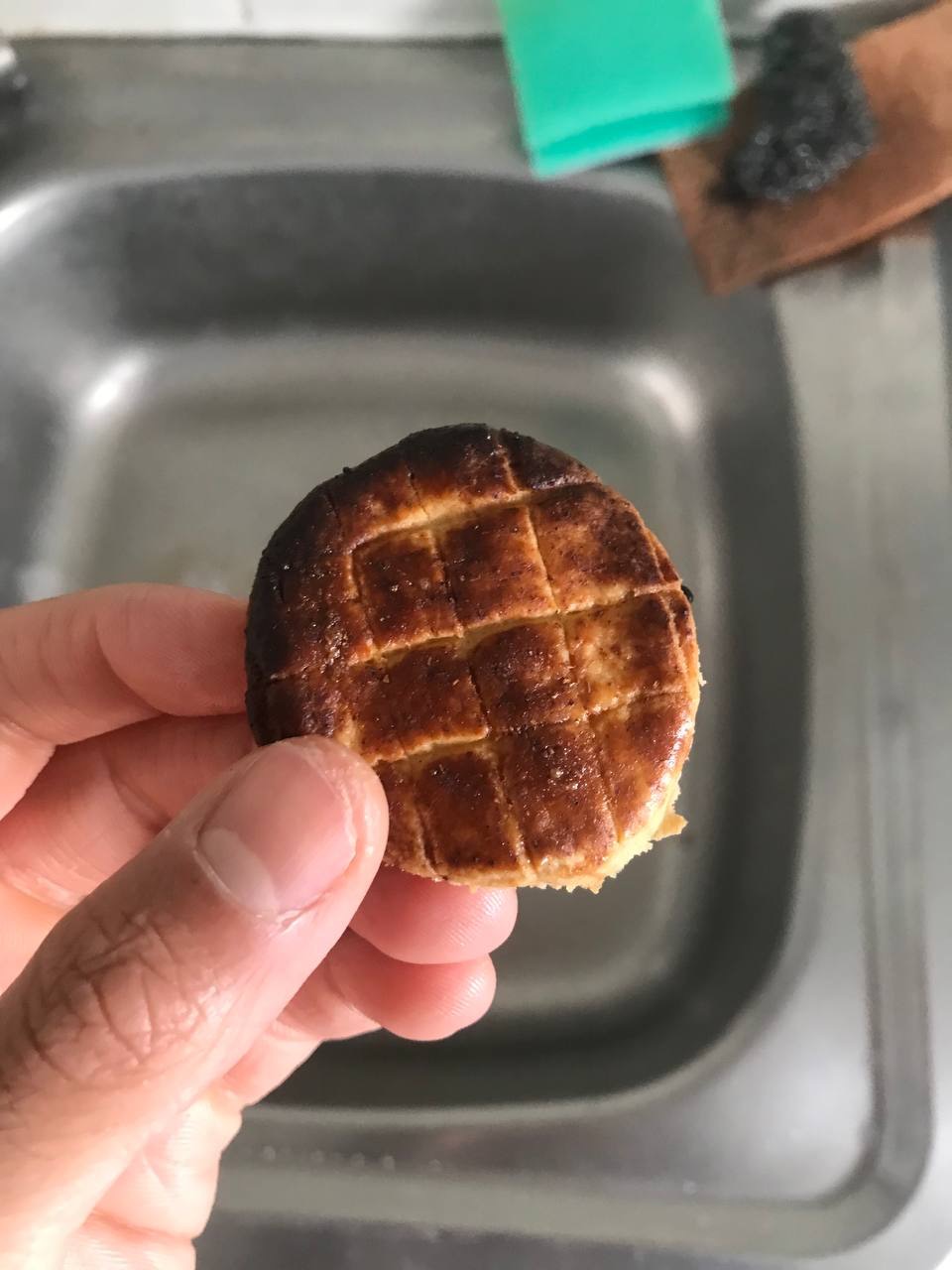
A break from travel and back to cooking – my brother and I are aiming to preserve 10 Evazi recipes by the end of the year. The first is Savoury Koluché.
You can think of these as savoury shortbreads, made so by the addition of salt, sesame seeds and mahveh (fermented anchovy paste). Eating them is like riding culinary rollercoaster: I first experience the fat from the dough coating my mouth, before the cardamom takes me to a familiar dimension, where I expect a fragrant sweet biscuit. But as I keep chewing the mahveh and sesame seeds confuse my senses… but I like it.
The strangest thing Evazis do is having this delicacy with heavily sweetened black tea – but it makes so much sense once you try it.
It is a joy for me to share my attempt at making this childhood treat of mine.
Ingredients
In my attempt at preserving Koluché’s sweet variant, I learnt that the amount of water from my aunt’s recipe is unlikely to be correct, since it leads to too much gluten development. I also learnt that butter cannot be used as a 1-1 substitution for aseel oil.
I therefore modified her original ingredients accordingly:
- 180 g plain flour
- 80 g molten butter (aunt’s recipe: 54 g aseel oil)
- 1/5 tsp salt
- 1/5 tbsp crushed cardamom
- 1/5 tbsp baking powder
- 1/3 cups of water (aunt’s recipe: 2/5 cups of water)
- Eggs for colour (you should beat the eggs with saffron – I didn’t have any)
- Nigella seeds for garnishing (you should use sesame seeds – I didn’t have any and wanted to experiment)
I added more butter than it’s equivalent in aseel oil based on my previous experiment. I wanted to make sure that the flour was fully coated by fat before the addition of water, to deter gluten development and give that brittle consistency characteristic of shortbreads.
I decreased the amount of water as I was concerned with gluten development.
Preparation
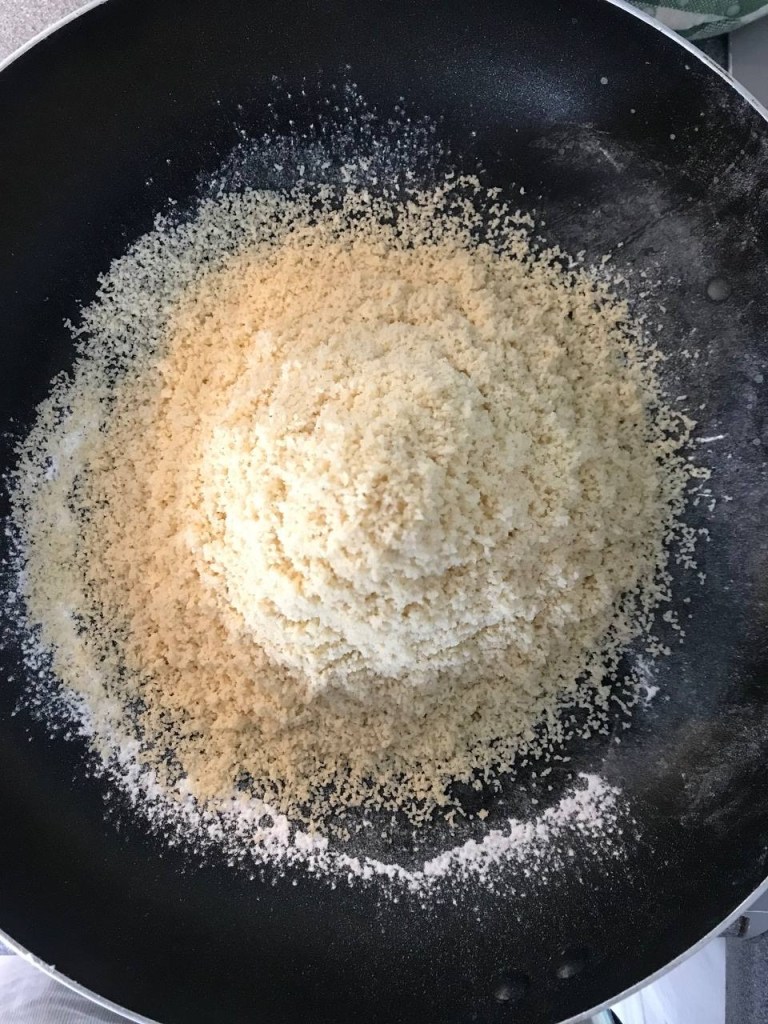
I first mixed the dry ingredients together, and then mixed in the molten butter until I reached the desired consistency.
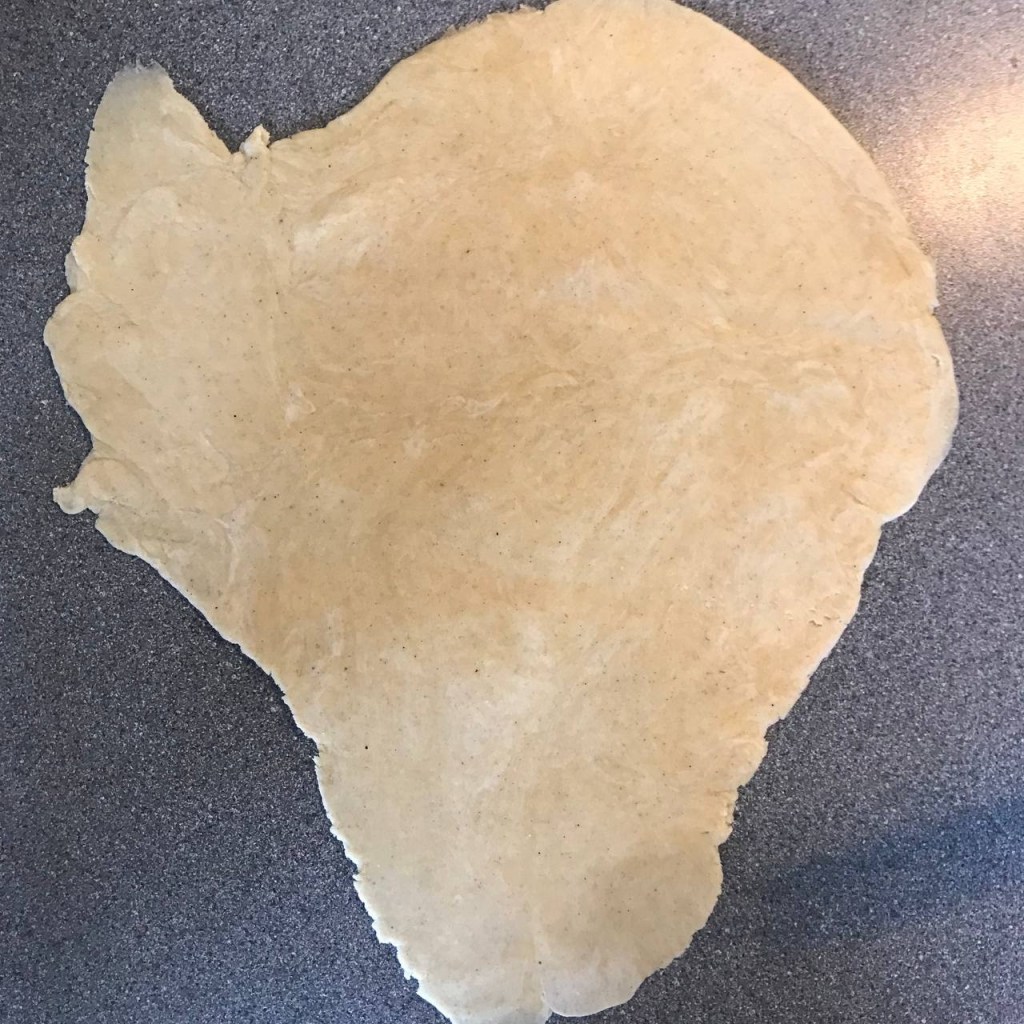
I passed the buttered flour through a sieve to remove clumps, and then, slowly, incorporated water and kept kneading until I had a dough that was glistening from the oil, but not wet from the water. It also had minimal bounce back, due to minimal gluten development. The feel is quite similar to playdough.
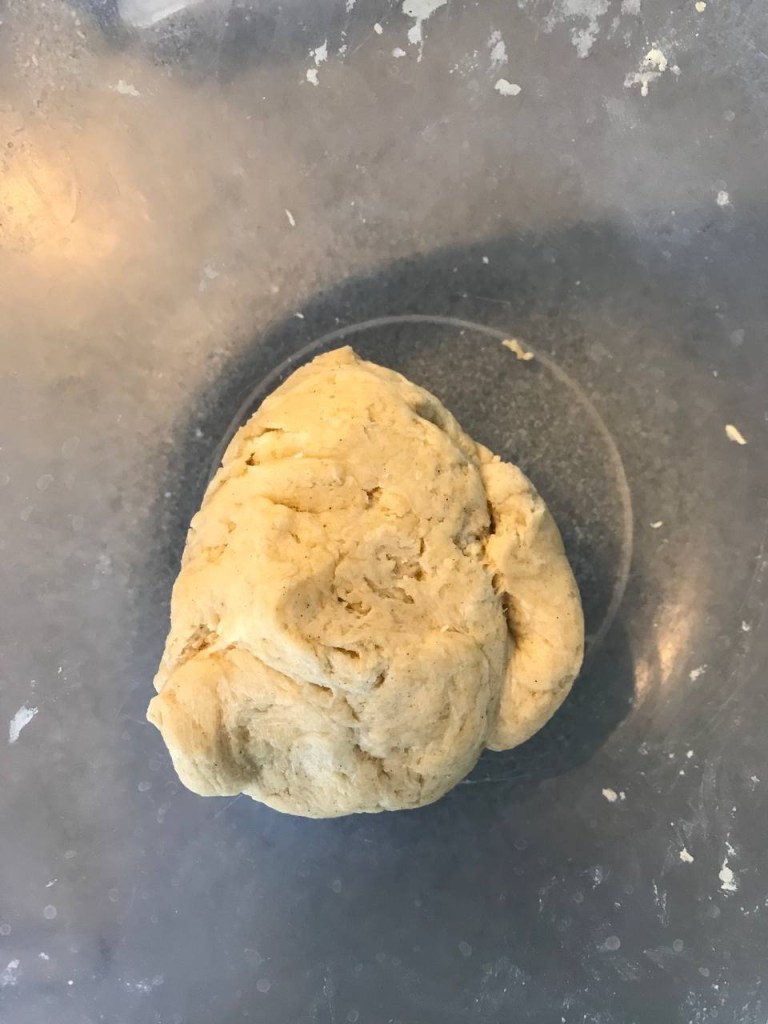
I was thoroughly pleased with this, as it was very similar to the consistency of the dough that I saw my aunt make in Dubai.
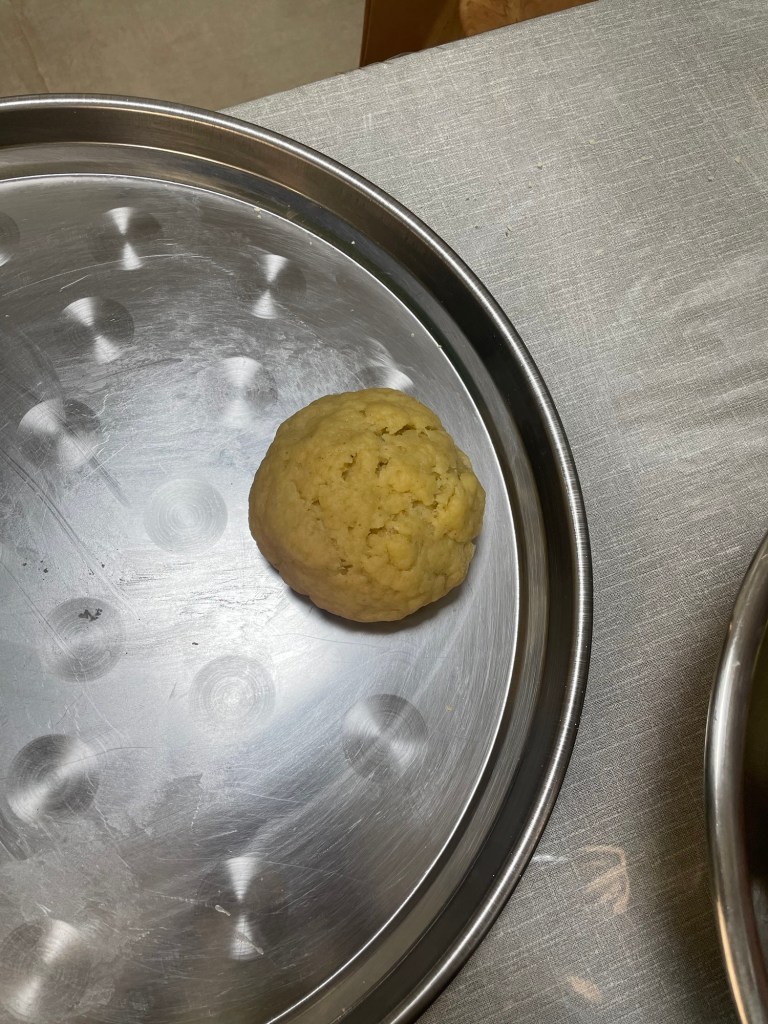
Following this, I rolled the dough into a 3-5 mm thick sheet, before cutting circles out of it. I was quite careful this time to keep it thin, as the rise was massive when I made the sweet variant.
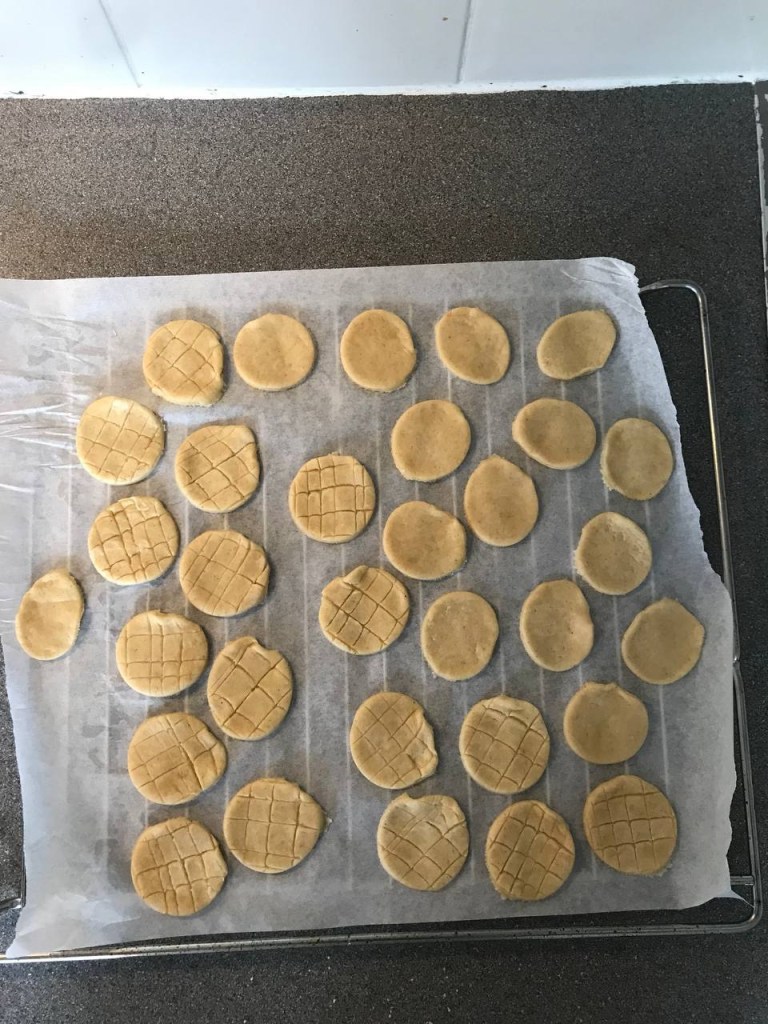
I then used a brush to coat the koluché’s with mahveh, before garnishing with nigella seeds, and then coating with the egg wash. It was a mistake to garnish first, as I almost lost all of them during the coating.
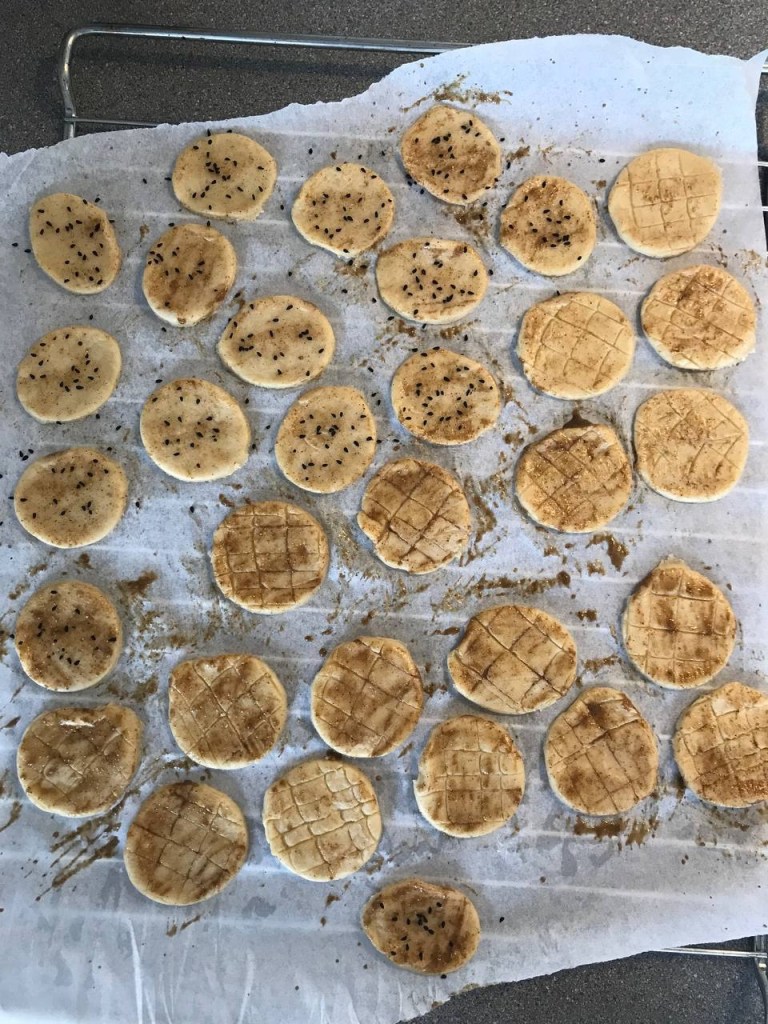
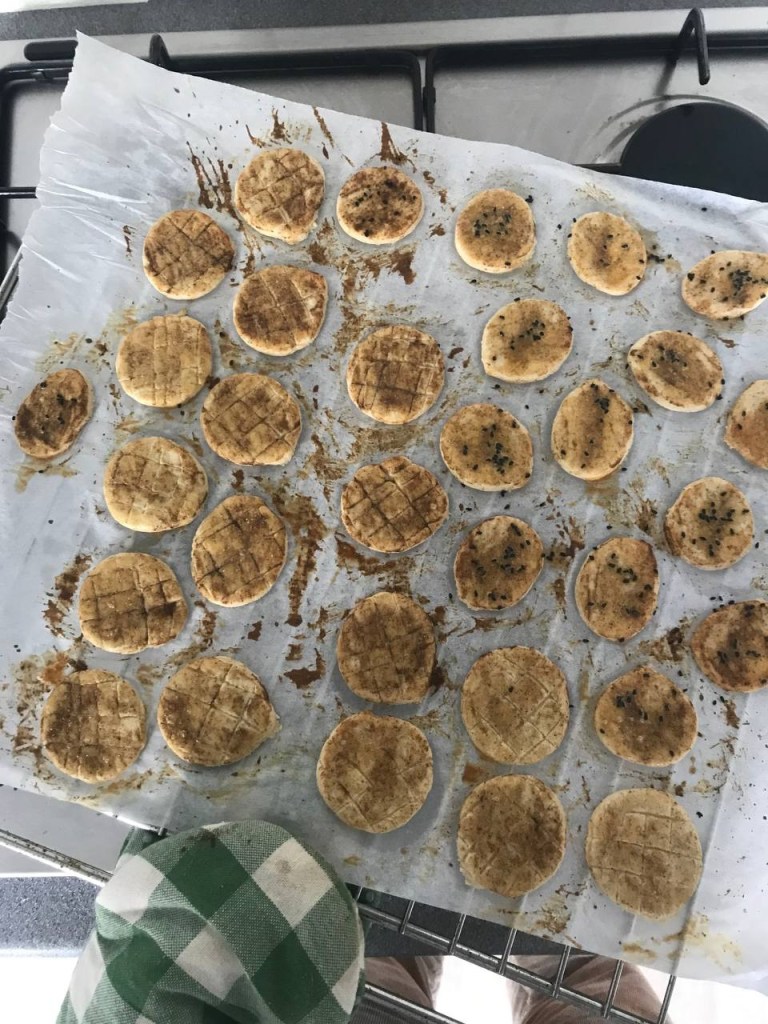
I put the koluché to bake at 170 degrees celsius for 25 minutes. This was a good 12 minutes longer than what my aunt recommends, and still I felt that they were undercooked.
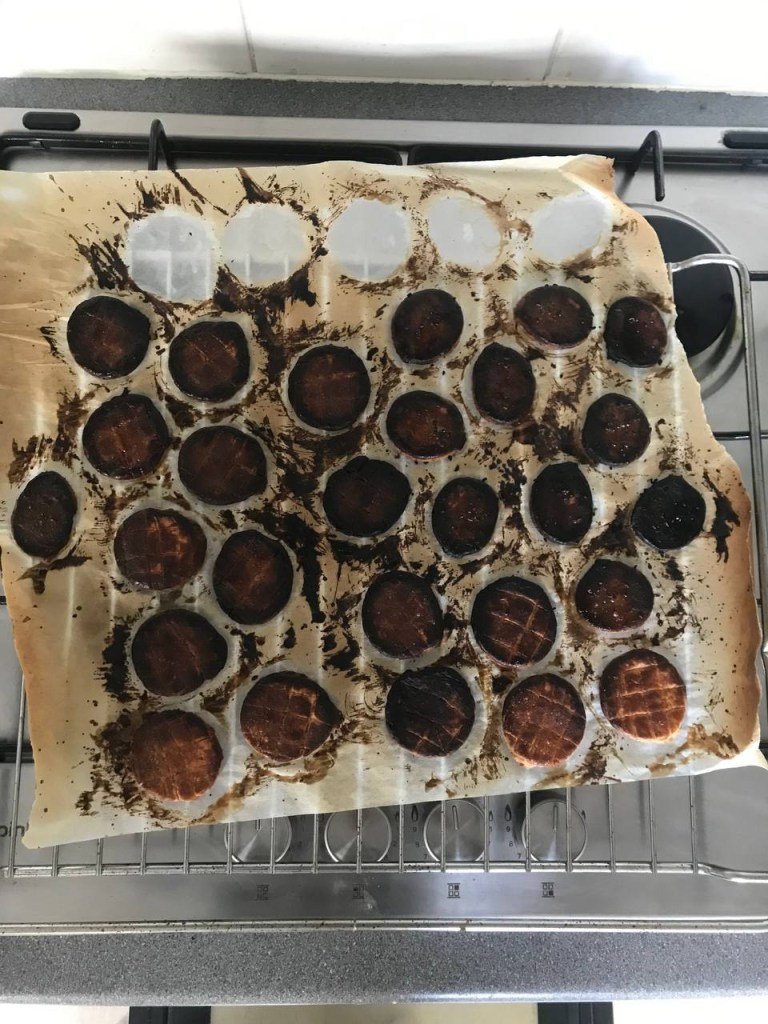
Then, I put them under the grill on setting 3… for 5 minutes… and they burnt to a crisp! I was quite annoyed at this – my aunt’s recipe calls for 7 minutes under 250… so not sure where I went wrong!

Concluding Remarks
While I had a bit of a disaster, I consider this experiment a massive success because my theories on arriving at a correct texture for the koluché were proven correct! I’m certain that with a bit more play I’ll find the right conditions to replicate them perfectly.
That said, there are a few new things I learnt:
- Butter is not an appropriate oil, as the dough tasted too sweet. I will try with a vegetable oil or ghee next time
- Rolling them to 3 mm might be a bit small. 5 mm seems like a perfect size.
 Tsunami's Hungry
Leave a comment