Emilia-Romanga is said to be Italy’s food capital, boasting some Italy’s most well-known and well-loved products… think Parma ham, Balsamico di Modena, Mortadella Bolognese, and none other than Spaghetti Bolognese (which is technically not Italian… but more on that later!). I visited the region for the first time recently, spending the vast majority of my time in Bologna, but I also had a chance to visit Modena and Maranello, and there is much that I want to say.
I’ve decided to split this article in two, Slow Food1, where I share my revised thoughts on Italian food and a few Emilian dishes, and Fast Cars, where I share my thoughts on everything else.
This is part 1: Slow Food.
Where’s my Balsamic 🥲
In Modena, I visited Acetaia Giusti to try a few of their balsamic vinegars. These start fairly acidic and vinegary, but as you get to the ones that are aged for longer, the flavors become sweeter and more complex. The texture changes too: the vinegar becomes really thick. As per the guide, the aged ones pair well with gelato, hard cheeses or fruits, such as figs. The latter is something I couldn’t quite picture at the time, but as I’m writing this drenched in sweat in the midst of a heatwave, all I want is a juicy sweet fresh fig with a few drops of that complex goodness2!
The cheaper ones are perfect in salads, and of course, for dipping bread. A strange thing I noticed in this trip is that this childhood joy of mine, dipping bread in EVOO and balsamic vinegar, does not seem to be a custom in Italy. In fact I was denied this simple joy by a waiter, claiming that they didn’t have any balsamic vinegar, despite me being able to clearly see it on the shelves!
Semolina is King
Speaking of bread, I was delighted to find that Italians have a fondness of semolina based breads that I haven’t found anywhere else. This delicacy is not from the Emilia-Romagna region, though many restaurants serve it as the house bread, and I found it in most supermarkets and street markets. My guess is that its prevalence is to do with a migration of people from Sicily to the north for work, though another theory is that Emilian chefs use it because they know how perfect it is for soaking the rich sauces of their cuisine!
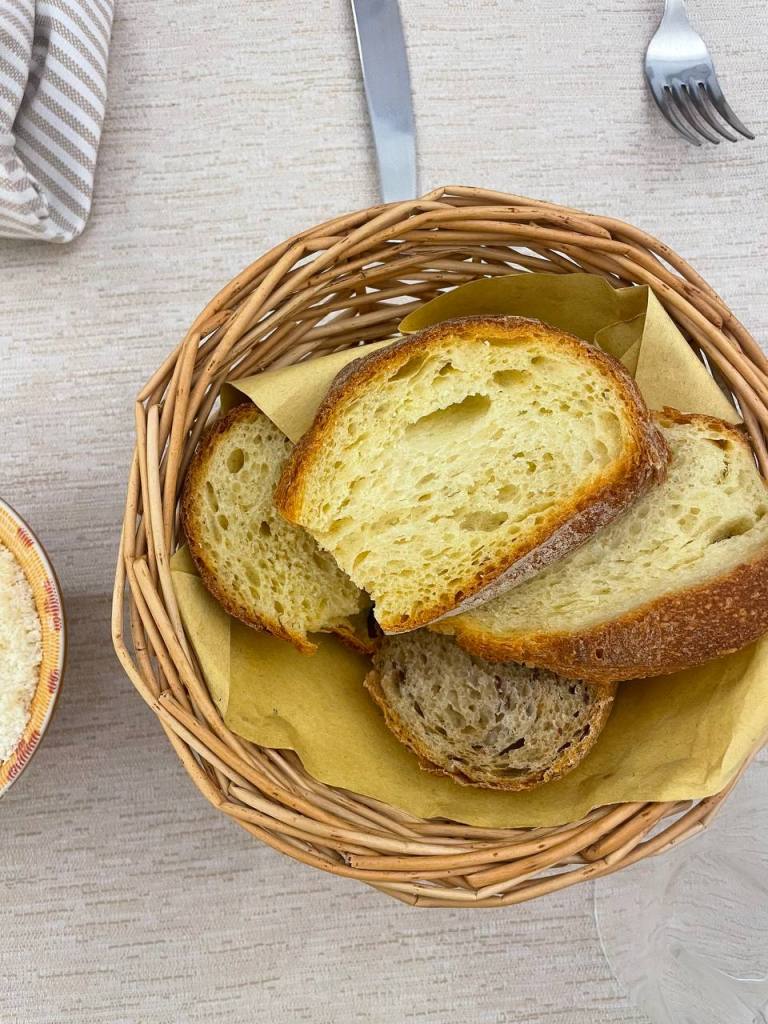
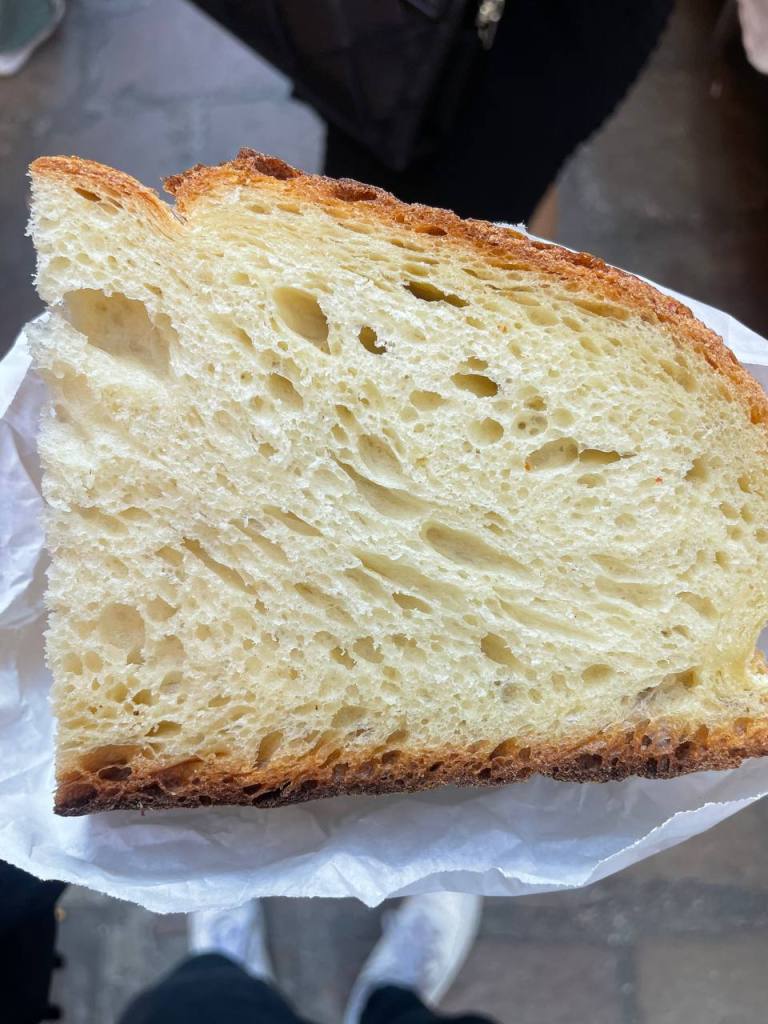
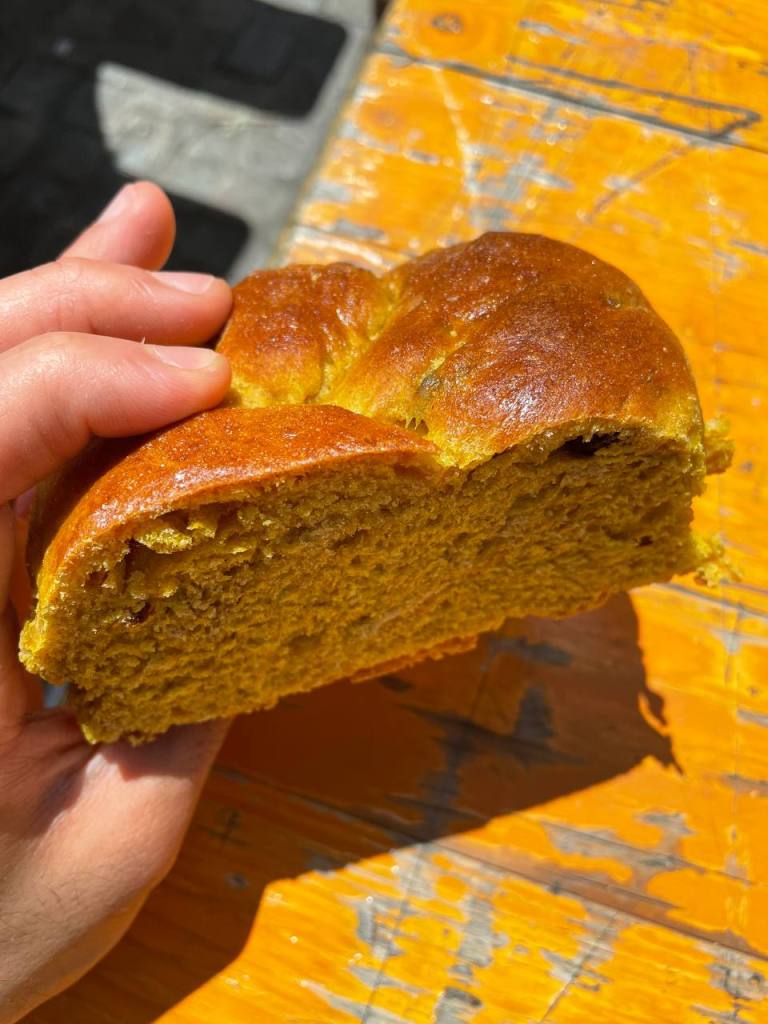
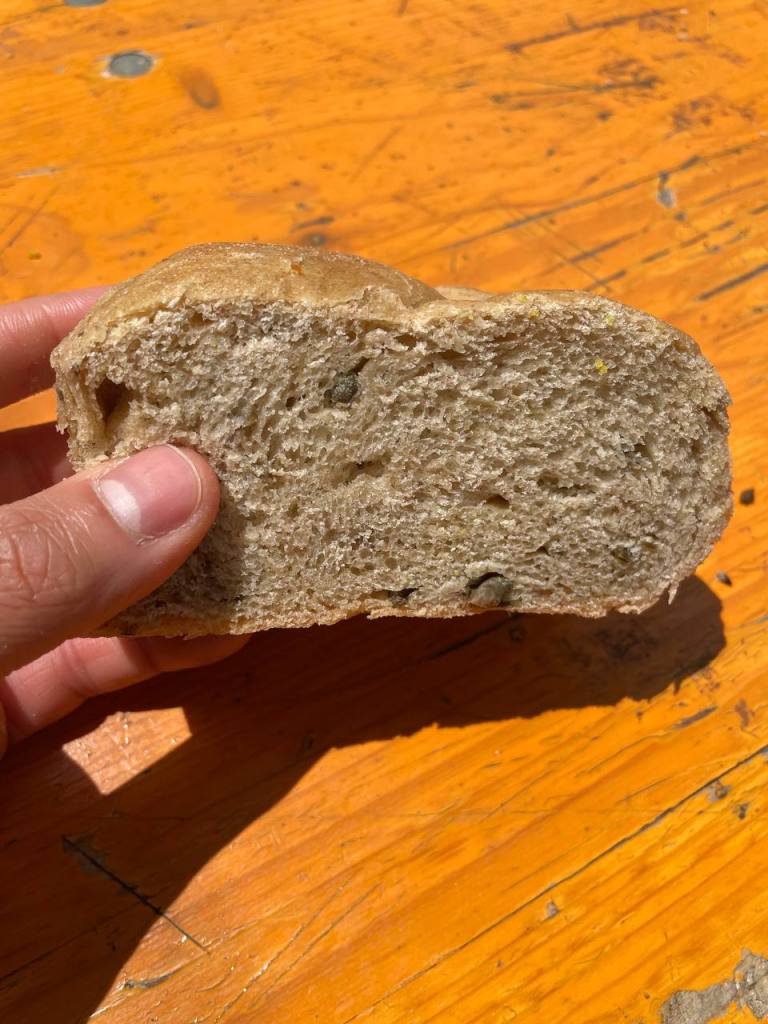
In general, I was surprised to find a plethora of interestingly flavored breads during this trip, including in supermarkets. A strange one was turmeric bread, and a nice one was bread littered with olives and capers. While the flavors of these alternative breads were generally nice, I didn’t enjoy their textures, as they were often too dense and crumbly3.
Salt, Salt, Salt and More Salt
The father of Italian food must have taken Samin Nosrat‘s comment “salt is good” too seriously, for every dish is laced with so much salt that I can only picture the average Italian chef’s mise en place to look like a banker’s desk at 3 am!
This stuff is good though, especially if you like your cured meats. I got to try a few Emilian classics: Mortadella, Gramigna and Gnoccho Fritto. Sadly, I didn’t manage to get my hands on ragù alla bolognese4, which is served with tagliatelle, not spaghetti.
Mortadella
Mortadella originates from Bologna5, so if you like it you’ll love it here. I find it way too salty for my taste though, especially when paired with focaccia, which tend to be salty too.

Gramigna
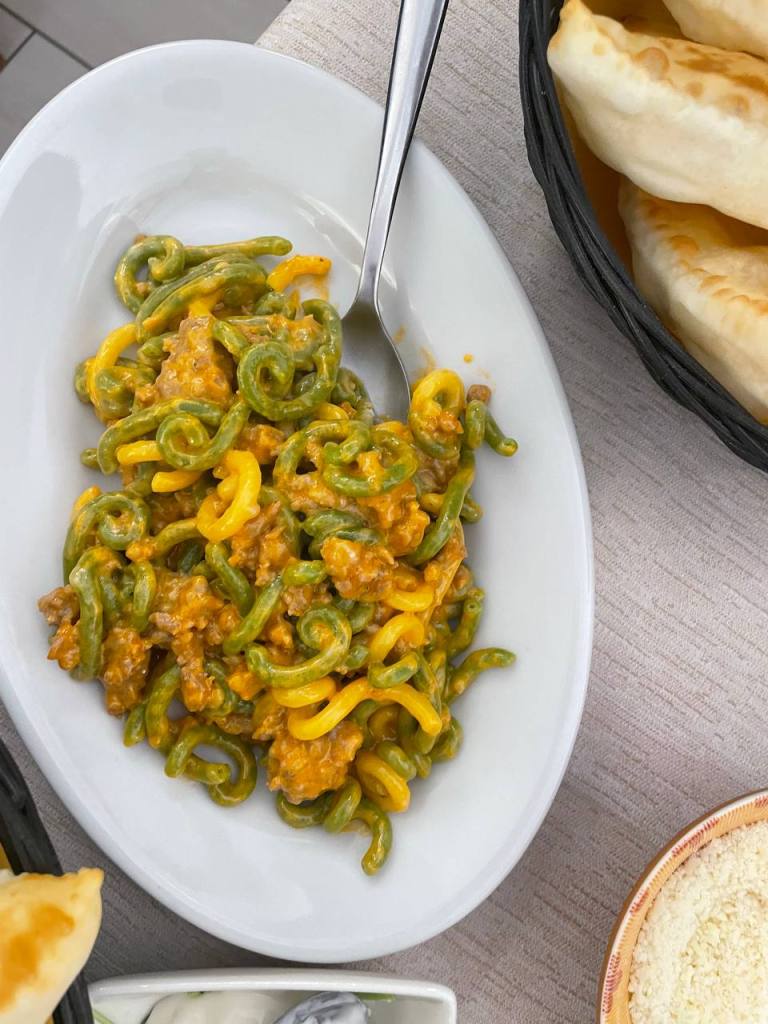
Gramigna is a pasta shape, more than it is a dish. It’s a curved tube with a hole running through it, kind of like a bucatini that has been curved and then cut. It’s usually served with a sauce made of sausage6 and tomato, and it absolutely slaps. Be warned that it is seriously fatty and salty… but also remember that we need more sodium during heatwaves, so allow yourself this delicacy ;).
Gnoccho Fritto
This dish seemed very non-Italian… deep fried dough filled with meat, stracchino and parmesan? Surely this is an American monstrosity?
It turns out that Gnoccho Fritto is a very traditional dish of the Emilia-Romagna region, and loved amongst most Italians. I would describe it as a hidden gem, gate kept by the Italians, for I’d never heard of it outside Italy.
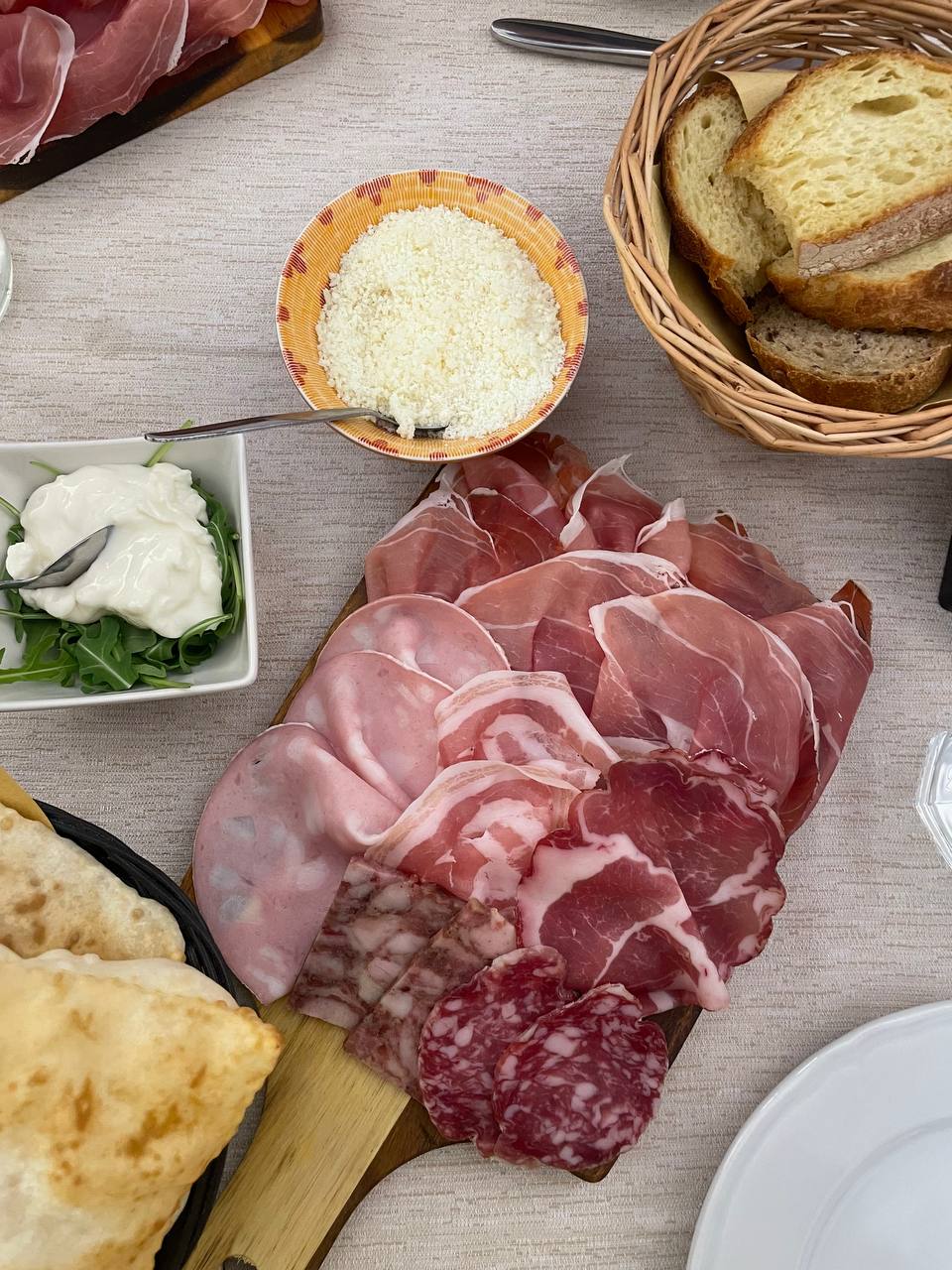
The deep fried dough (which traditionally uses lard7 to achieve a soft texture) is typically served with cold cuts, stracchino and rocket, and parmesan. The idea is to open up the gnocchi fritti and fill them up with whatever you like! I found myself breaking tradition… enjoying the deep fried goodness on its own!
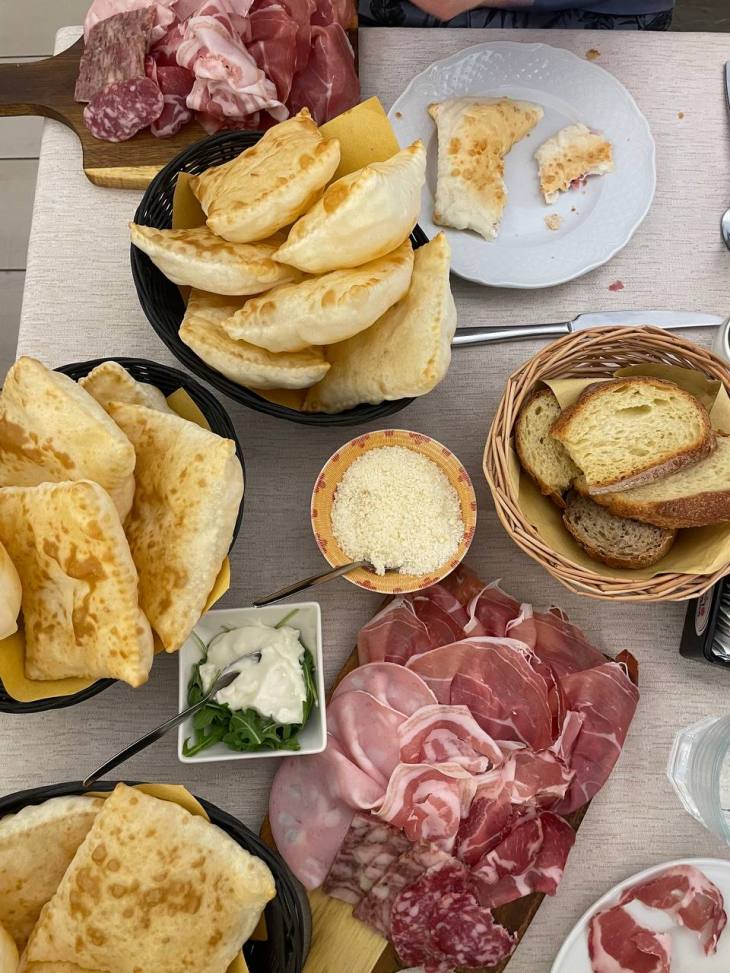
If you, like me, are not the biggest fan of cured meats, it is perhaps best to avoid this dish. However, if you’re going with someone who orders it, be sure to try a bit of each cured meat, you may find some of them surprisingly good!
In the above photo you can see: at the top prosciutto crudo (pork leg, the Italian equivalent of jamón), on the left mortadella, in the middle pancetta (pork belly), on the right coppa or capocollo (pork neck) and at the bottom you have coppa di testa (pork head) on the left and salami on the right.
Most of these were too salty for my liking8, but the coppas were phenomenal, particularly that of the head.
On a Mission to Clog Your Arteries
I tried a few other dishes at a local market that were quite good, despite (you may have already noticed a trend) being very salty and fatty. To quote Nosrat again, it seems that the father of Italian cooking also took “fat is flavor” too seriously!
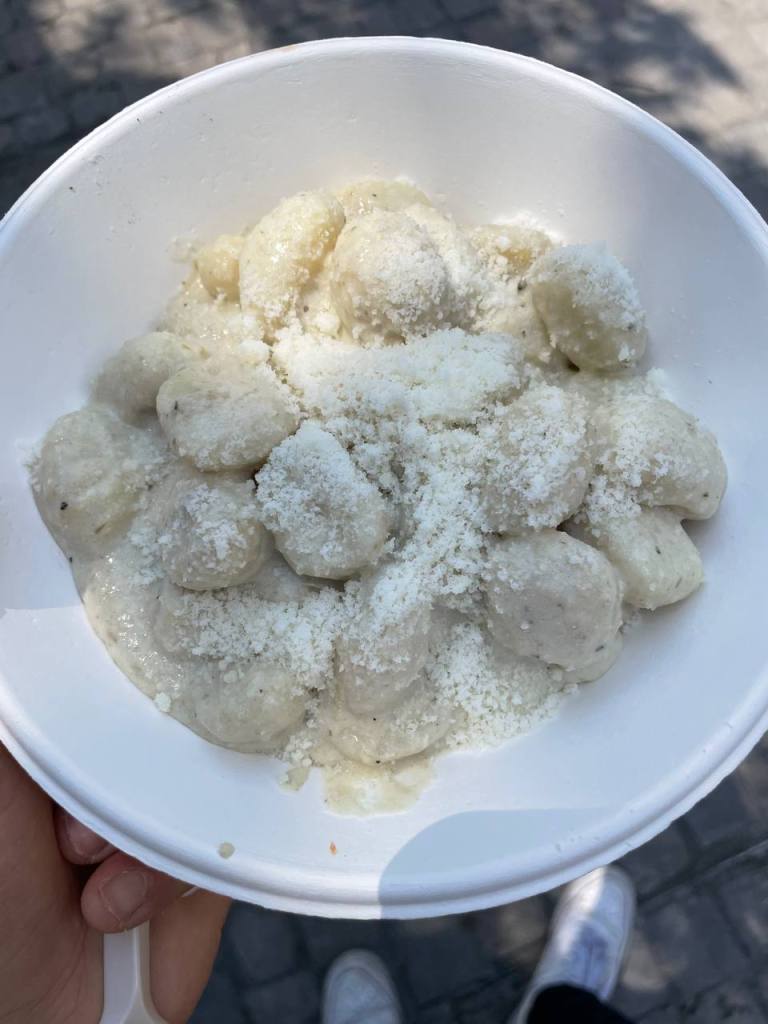
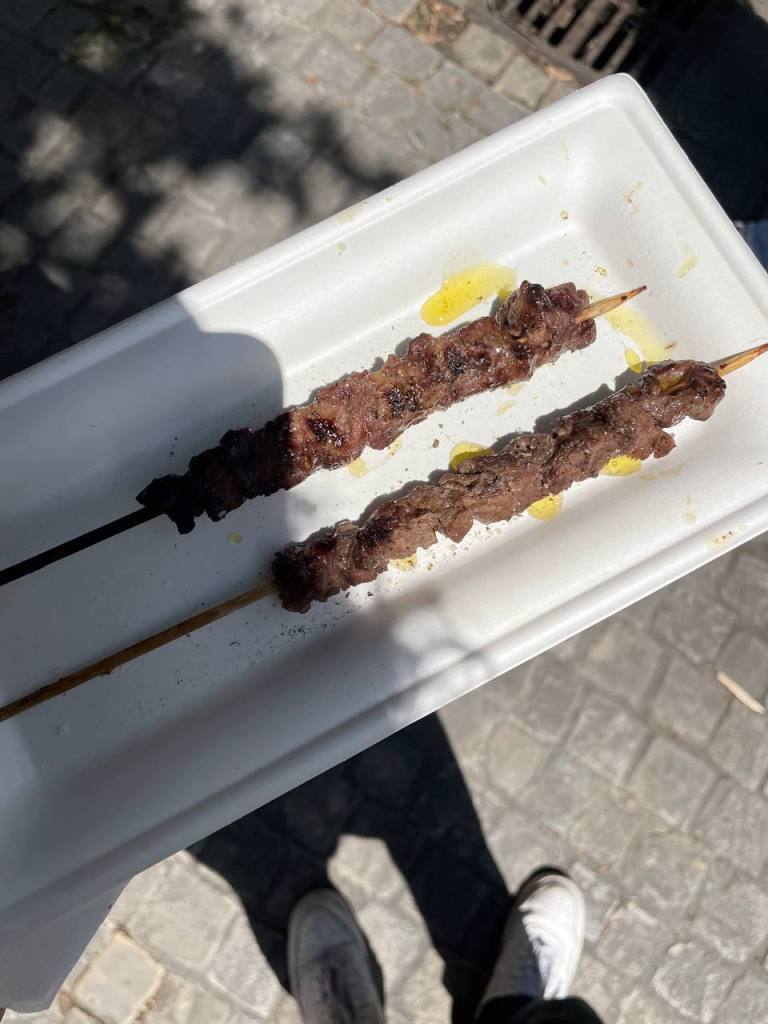
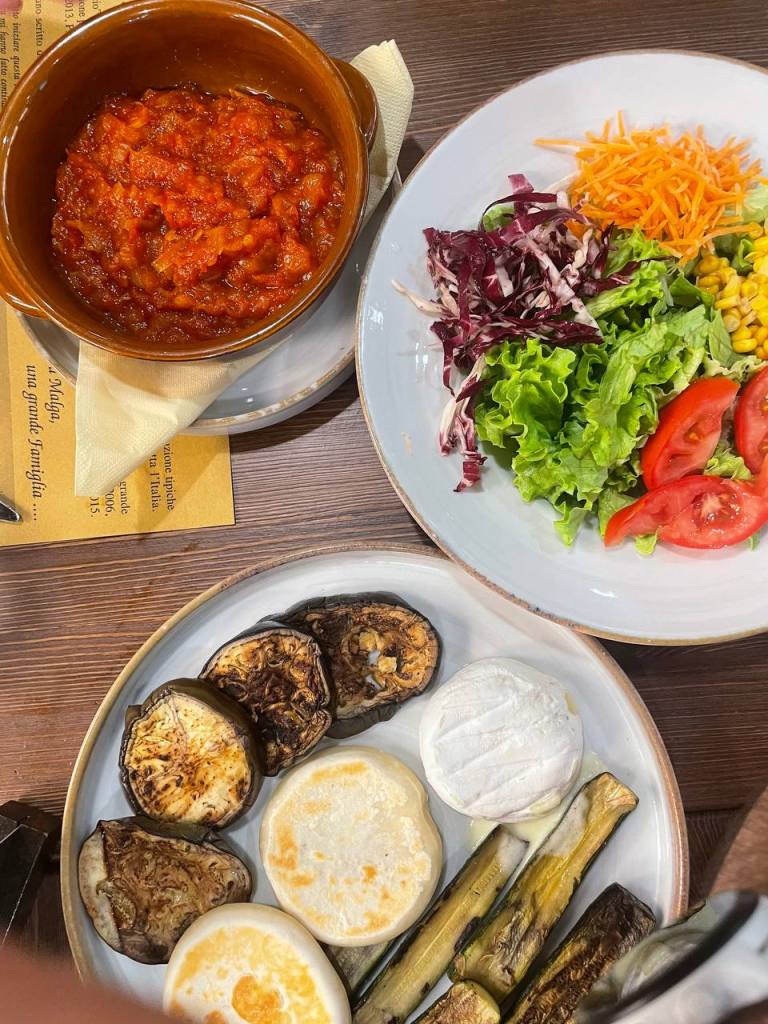
Teasing aside though, all the dishes I had are excellent, it’s just that many of them didn’t align with my palate. With the rest, I could devour them on any given day, but towards the end of my trip I was getting exhausted by carbs, fats and salt! The lack of fibre was becoming a massive issue too, for the restaurants surprisingly lacked salads9, and the only options for fibre were either grilled vegetables (hit and miss really) or rocket sprinkled on a main dish…
On my last night, I decided to go for Greek food at To Steki10. As I savored every single chickpea in my octopus and chickpea stew, the hustle and bustle of the city passed me while in my mind I was beefing with the entirety of Italy11:
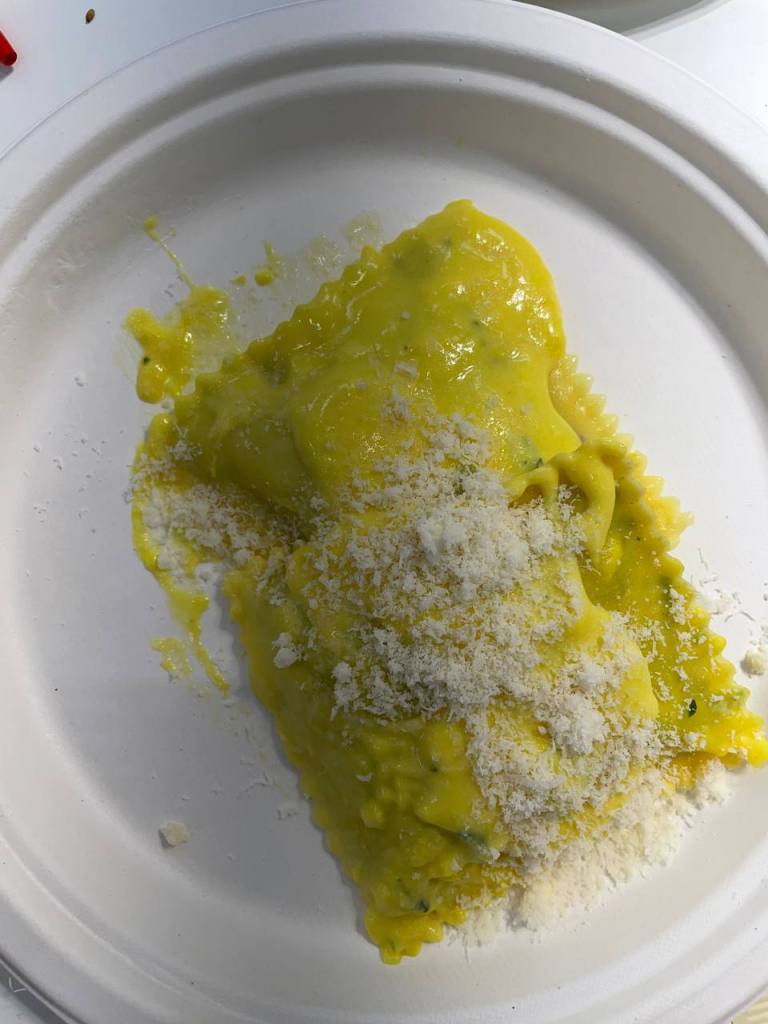
Some of the other meals that I thought were worth sharing:
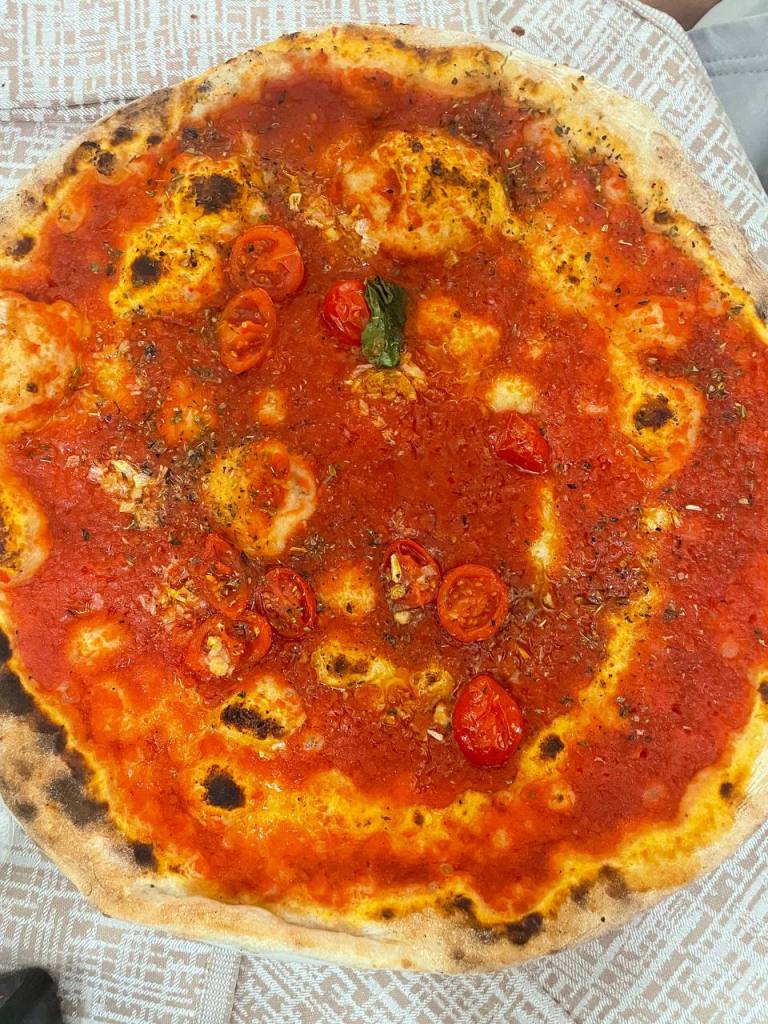
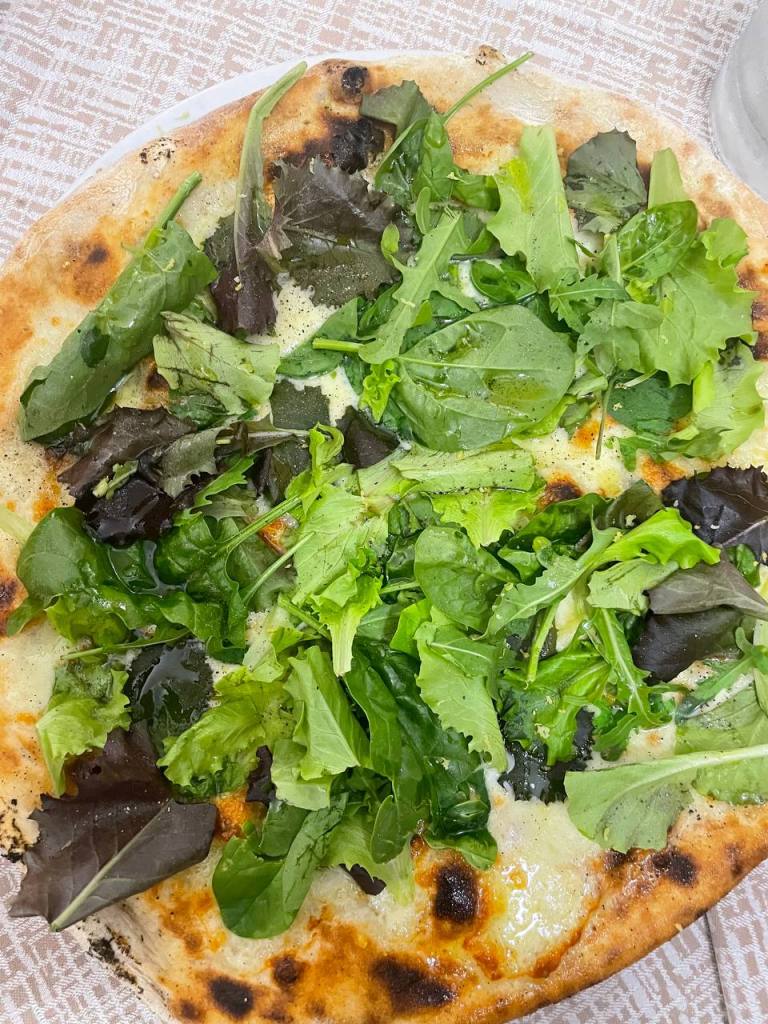
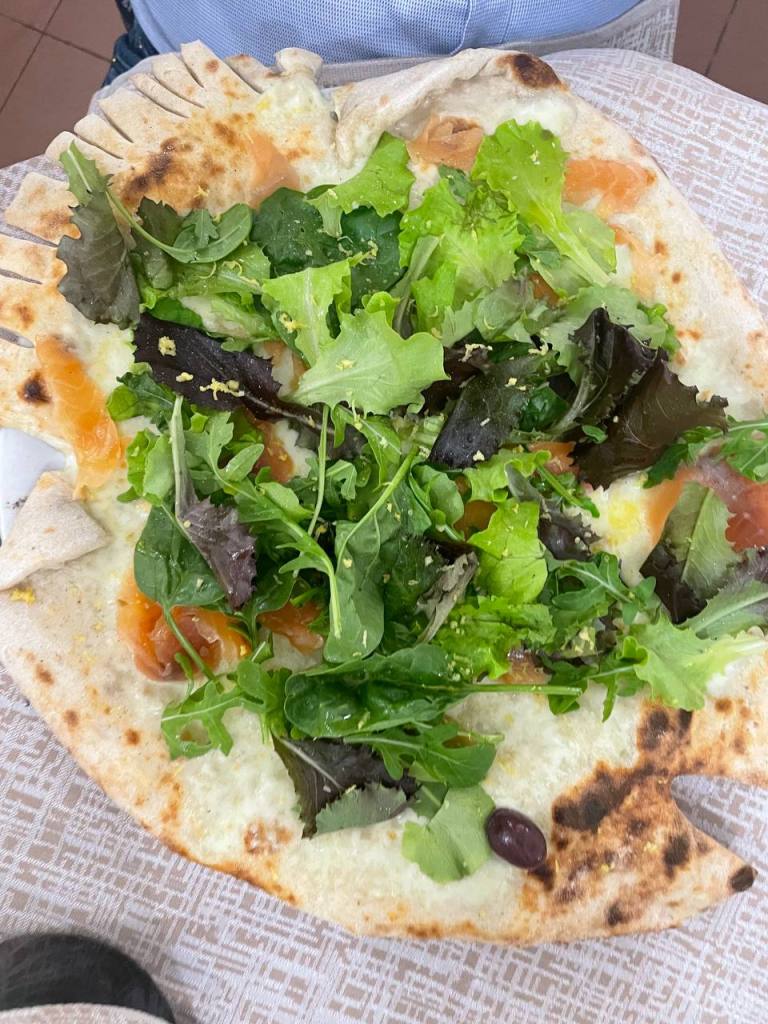
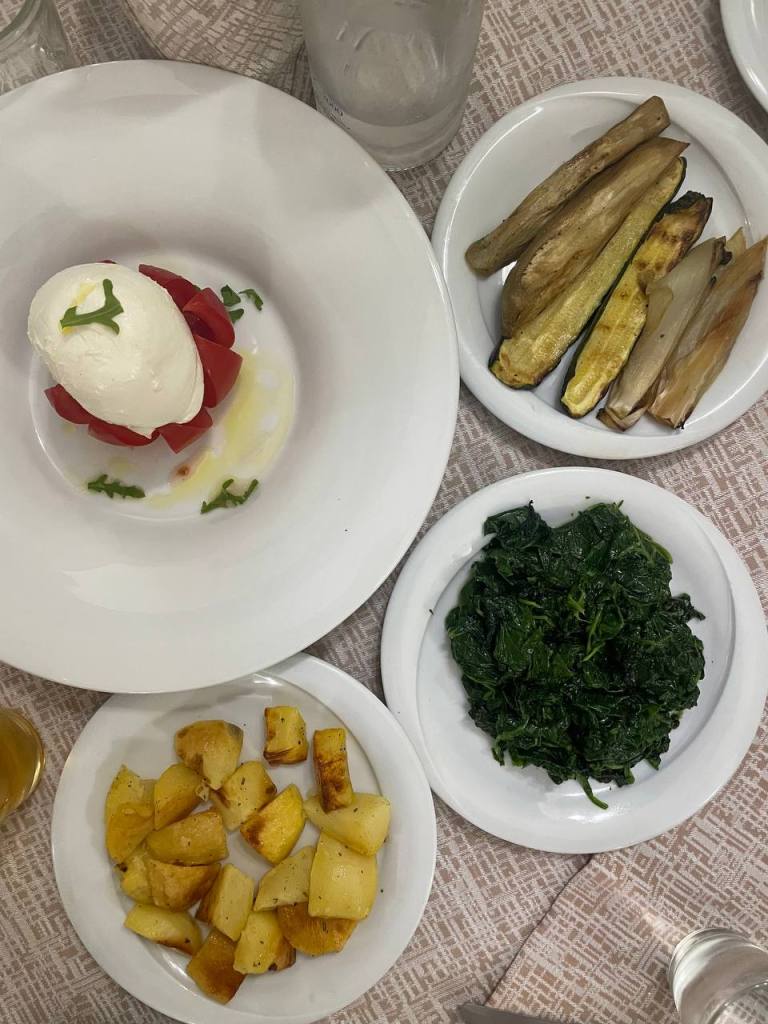
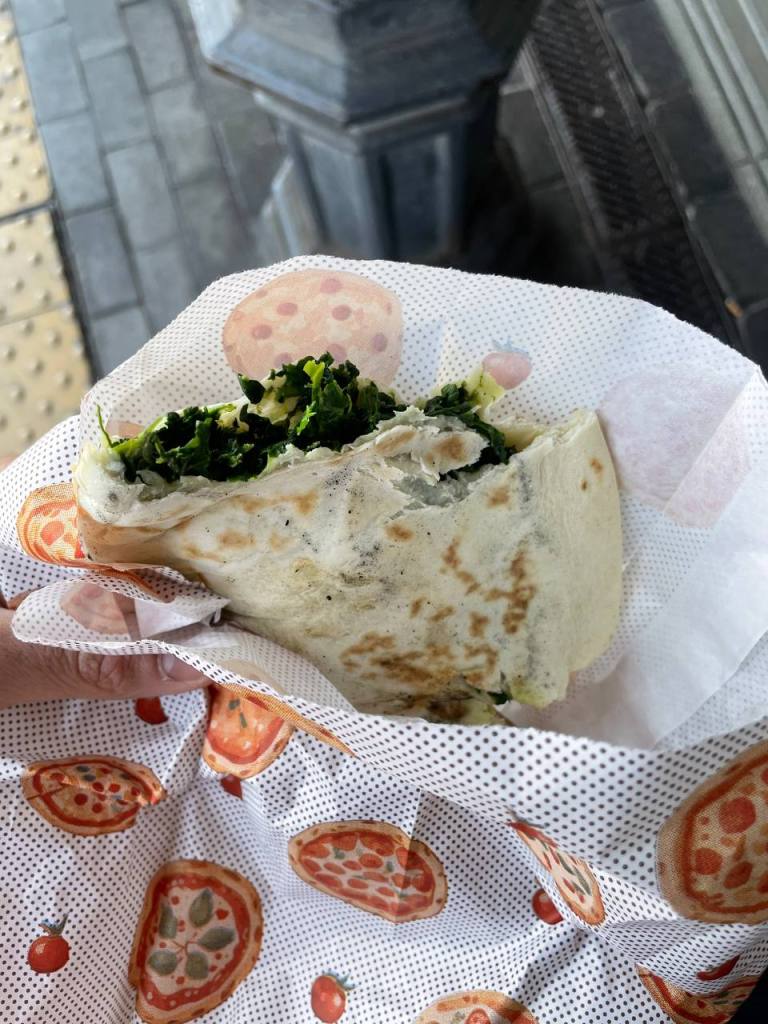
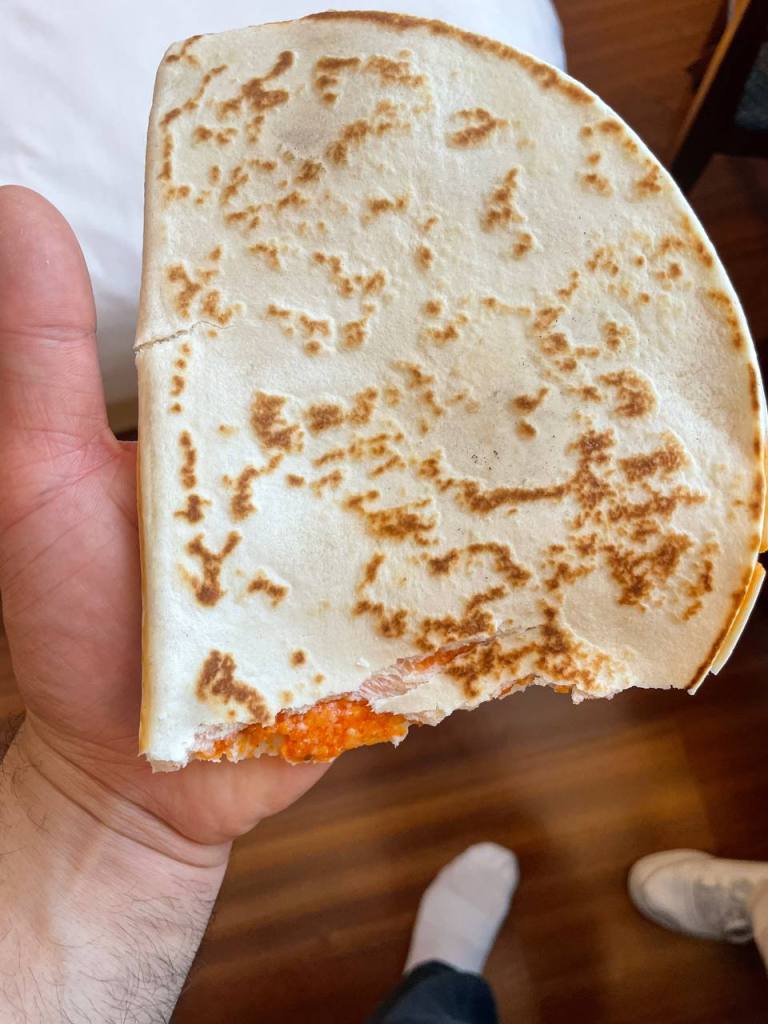
You Can’t Criticize Pineapple Pizza
One final beef, and hopefully with this I don’t lose all my Italian friends!
I reject ANY criticism of my enjoyment of pineapple on pizza12, since the abomination below is a COMMON and ACCEPTED form of pizza in Italy:
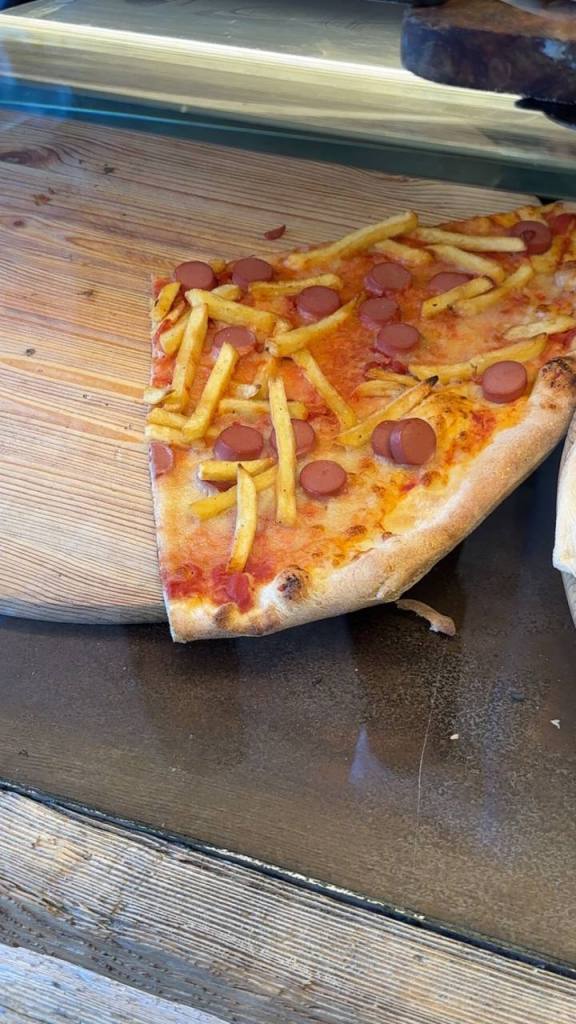
I mean, what misery was bestowed upon the inventor of this monstrosity that he decided to make this. I just don’t understand it – the fries are soggy. It just doesn’t make any sense.
I say, let the Americans have their pineapples on pizza, the Swedes their bananas on pizza, and the Germans their kebabs on pizza, for all the above (ok – maybe not the banana one) make more sense than hotdog pizza13!
Ice Cream Heaven
An aspect of Italian cuisine that is impossible to criticize is their ice cream, or more precisely gelato, since ice cream by name implies a heavy use of cream, whereas gelato typically uses much, much less cream.
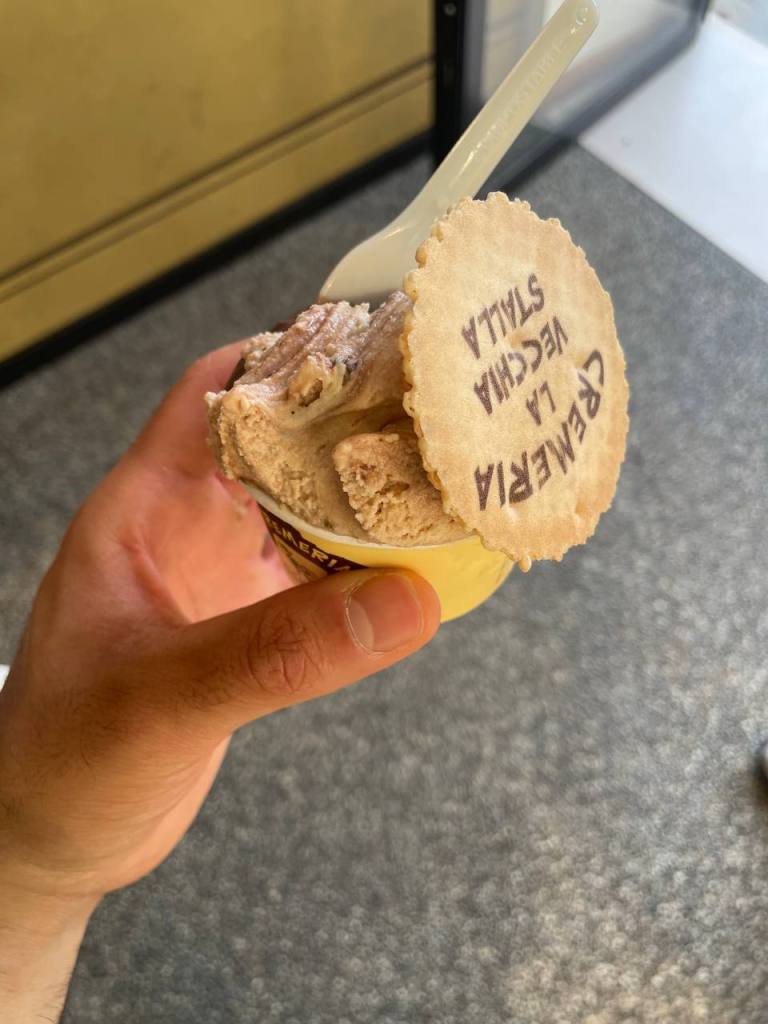
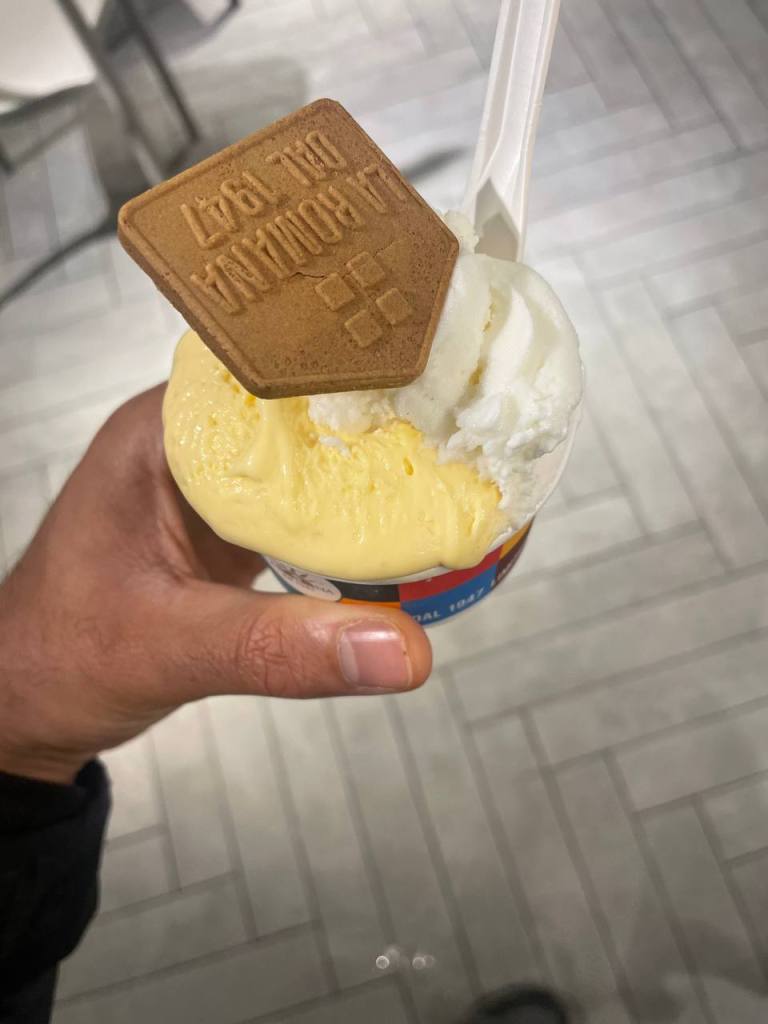
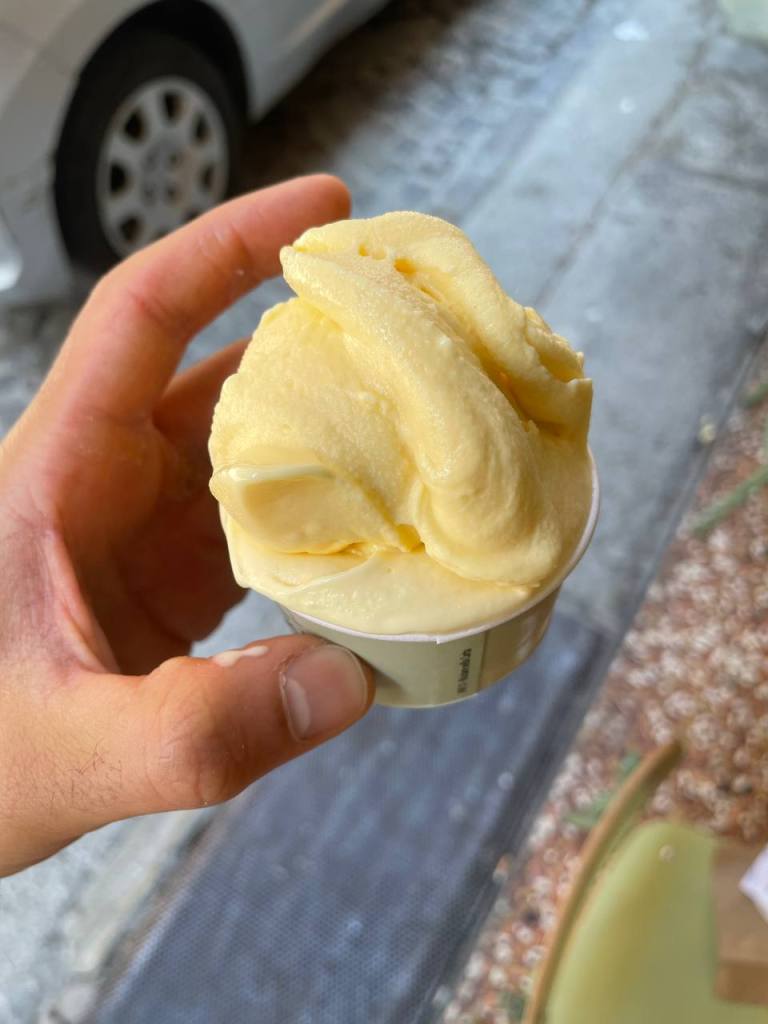
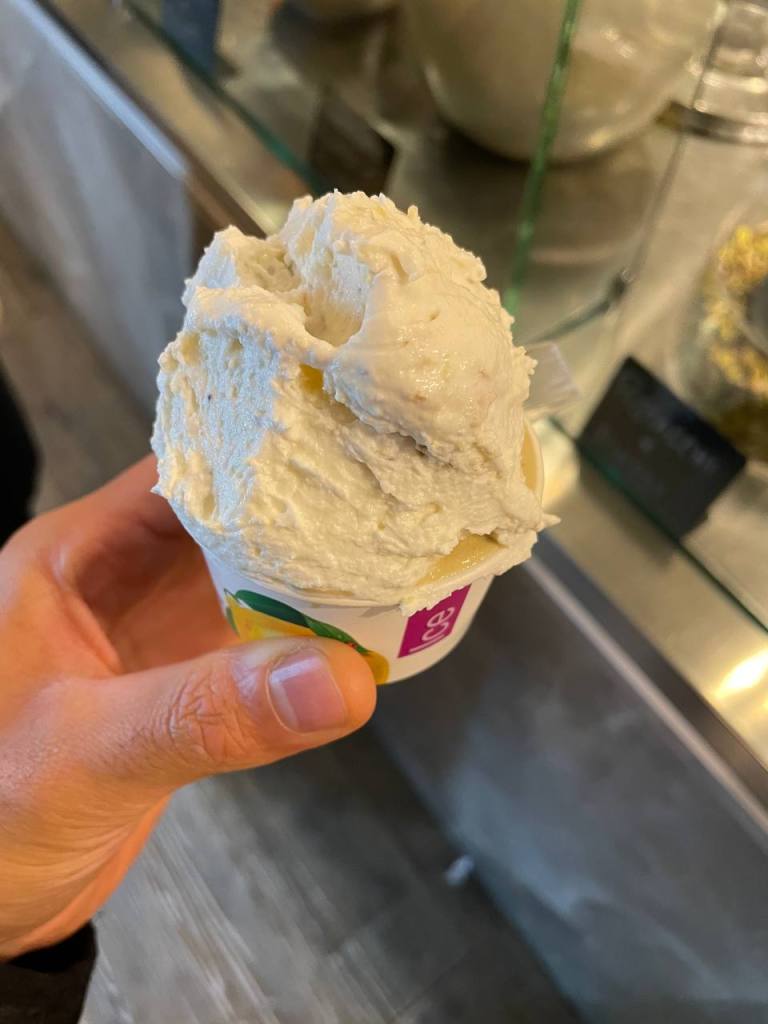
I did try some of the flavors I normally get when outside Italy for a comparison, and I can confirm that some like the pistachio are indeed very similar. But what sets the Italian ice creams apart is that they have some classic flavors that you struggle to find outside Italy, and that they do them really, really well. For instance, the ricotta cream. If you love cream, but don’t enjoy the heaviness of cream, this is what you go for. It is so light yet creamy and I know I’ve used the word cream four times already but I’m struggling for words here!
Another flavored I really, really enjoyed was the classic custard from Cremeria Santo Stefano. A perfect custard. What was fascinating is that I got to try a lemon flavor as well, which used the same base as the custard, but you could not notice the custard at all in that one.
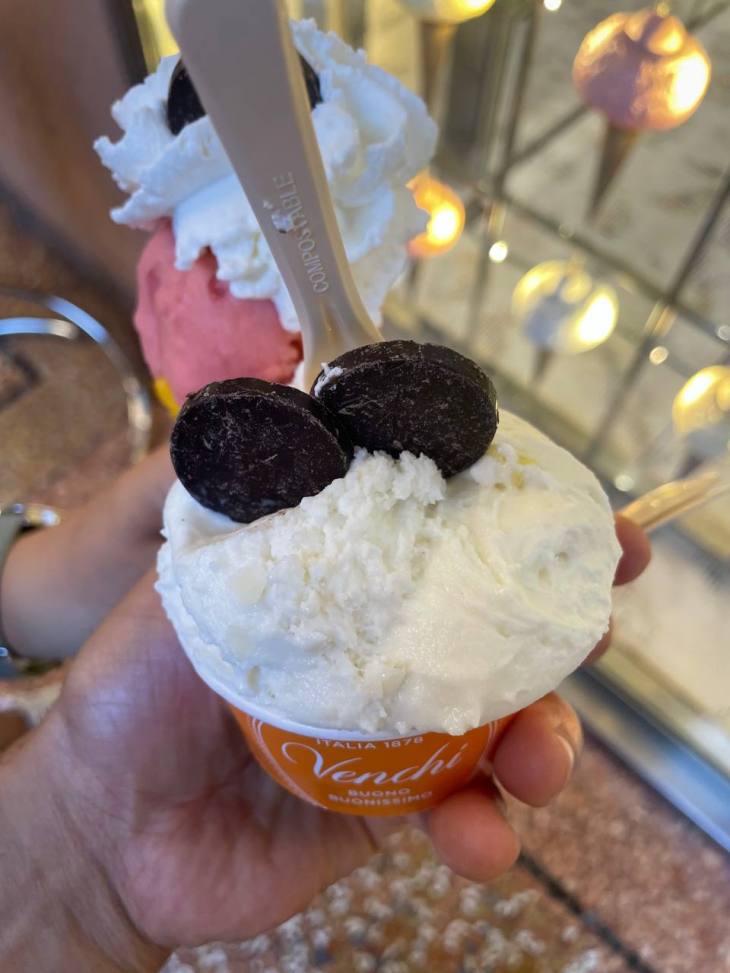
This trip confirmed to me one thing that I had already been thinking for a while: Venchi is garbage. Harsh language perhaps, but go to Bologna and try their custard flavor, and then go to Santo Stefano and try theirs, and you’ll be as harsh if not more profane.
My companions got a few “interesting” flavors that I tried out of curiosity: parmesan and olive oil. Here I will refrain from criticizing Venchi because I think my dislike of these flavors is less to do with the quality, but more with the fact that my mind struggles to accept them on ice cream.
For Those With a Sweet Tooth
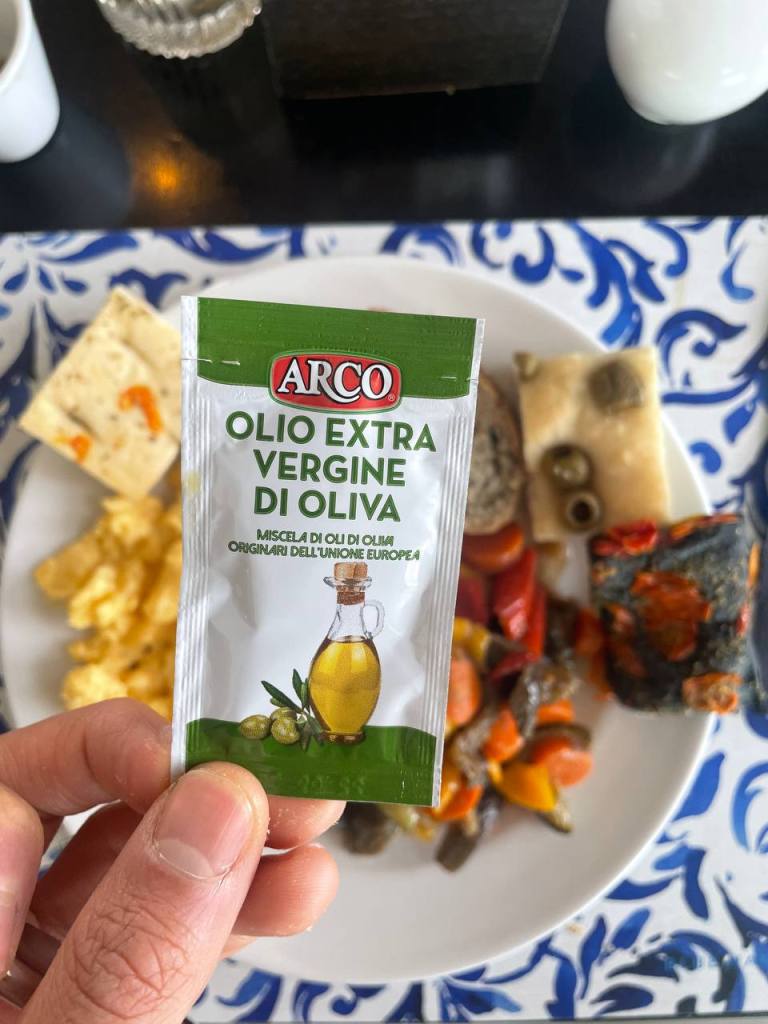
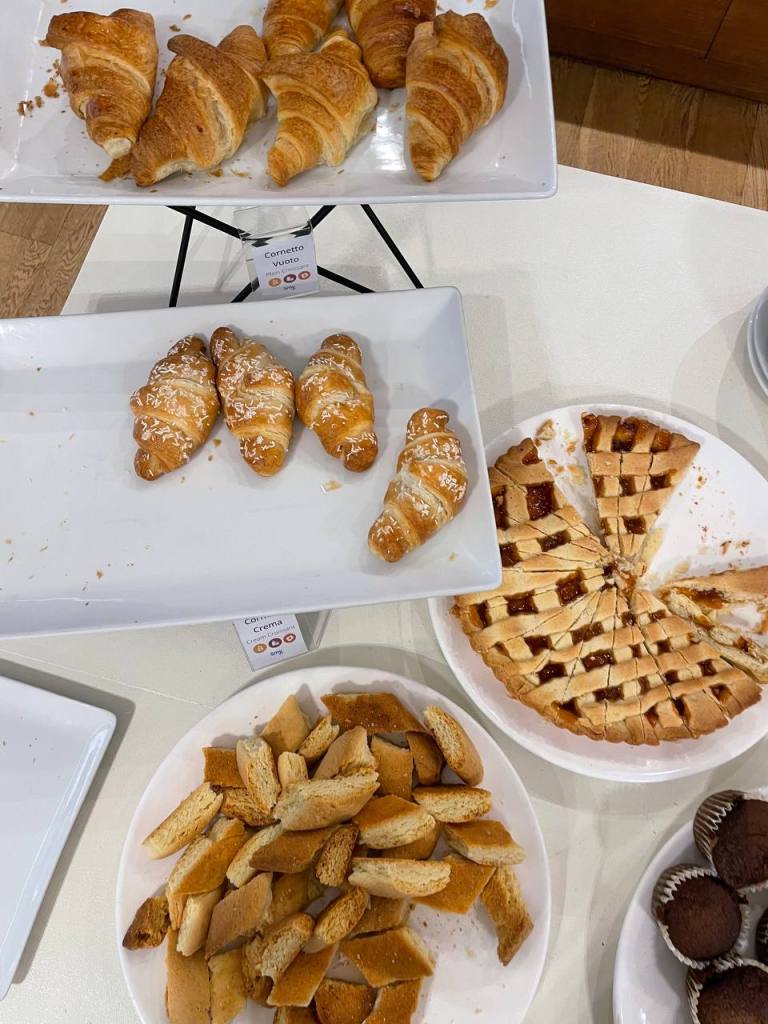
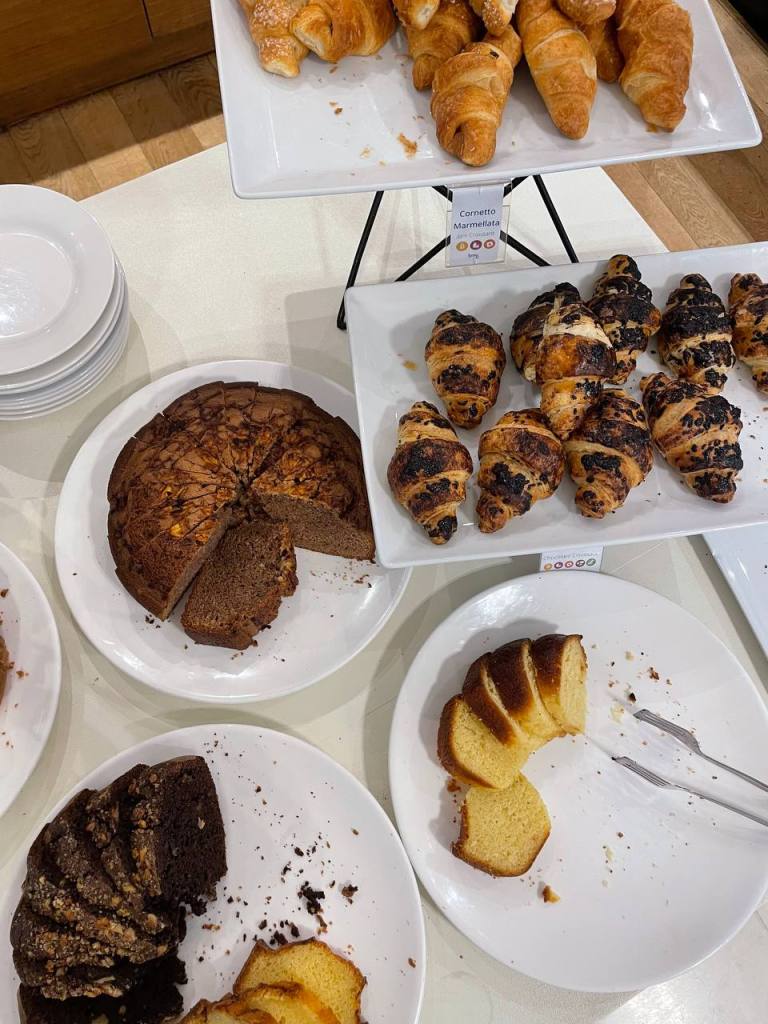
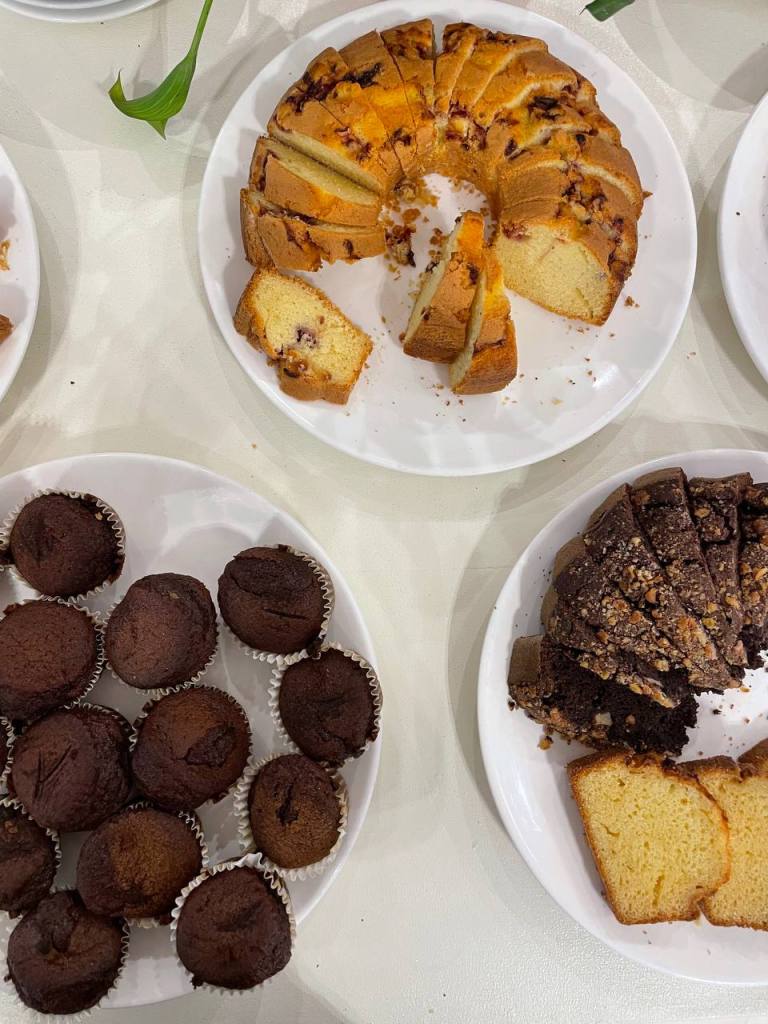
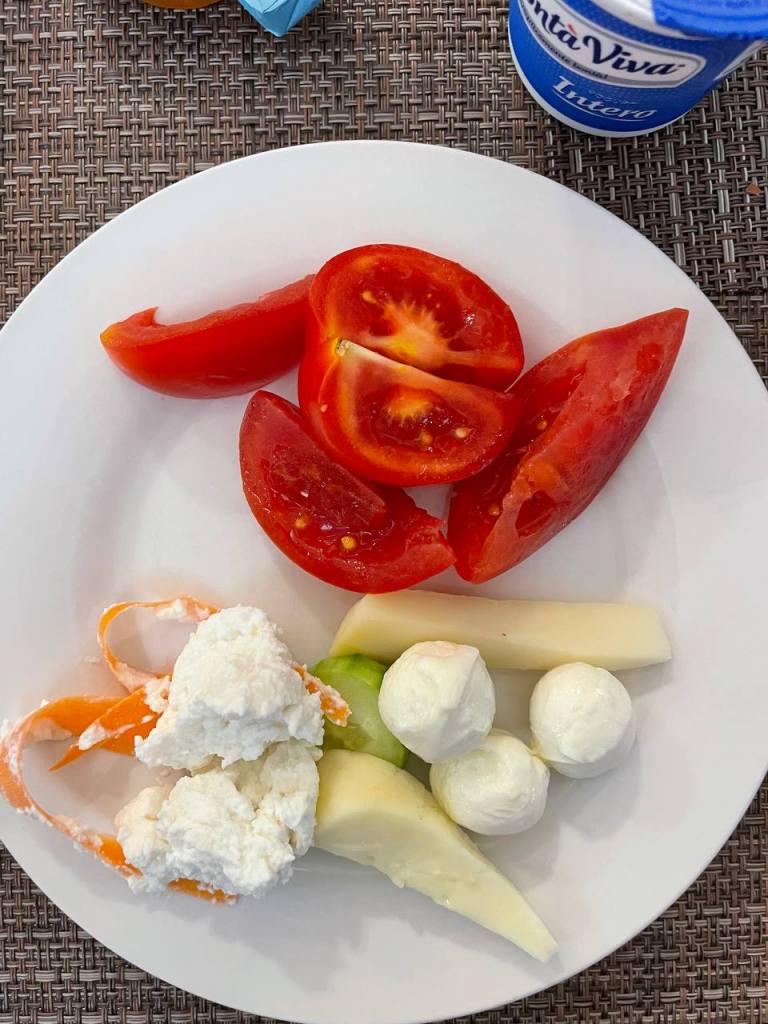
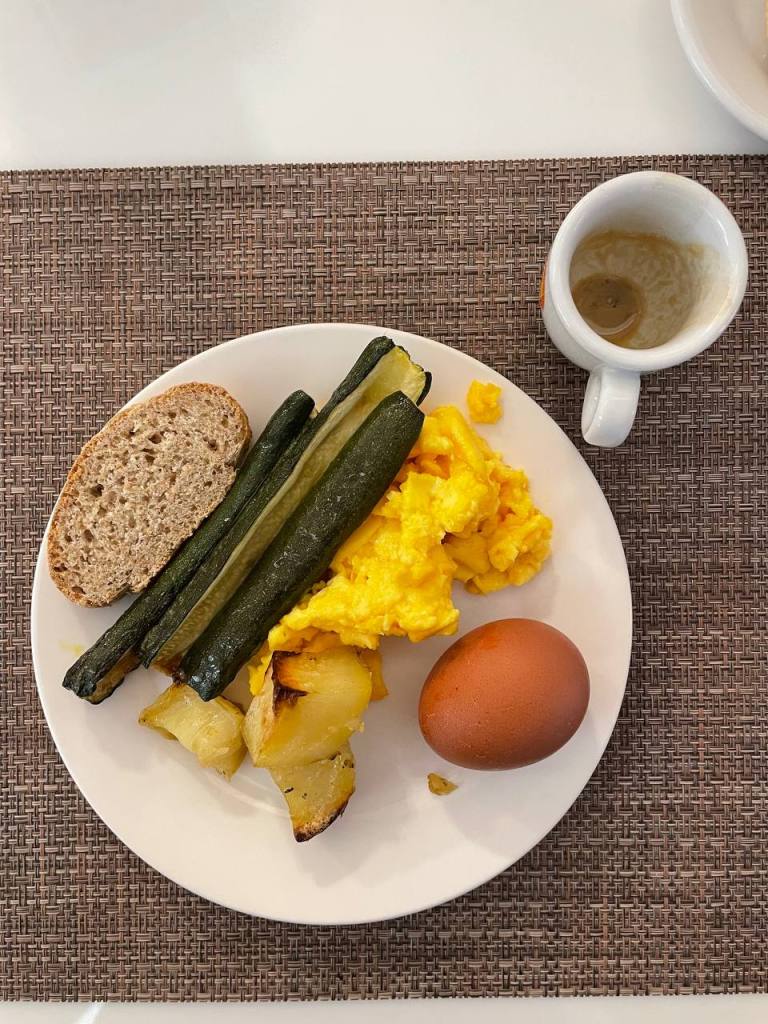
When you observe Italians outside of Italy, you notice that they can never go for a meal without grabbing dessert. I don’t know the reason for this, but it could do with the fact that their breakfasts are super sugary. I struggled to find brunch spots that serve “white girl food” like poached eggs and avotoast14. Instead it seems like most Italian breakfast places only serve cornettos15. Below are a few photos from breakfast buffets at hotels (which were theoretically international food). The only savory options (save for cured meats) you can see on my plates:

Inclusive… or Alternative?
The evidence I’ve presented is incontrovertible: Italian food, at least that which you find in Emilia-Romagna, is NOT diverse. I don’t understand how Italy deals with its diabetics, those with hypertension and those with heart issues, let alone those who are vegan! Funnily enough I was browsing through an Italian bookshop and I found this book:
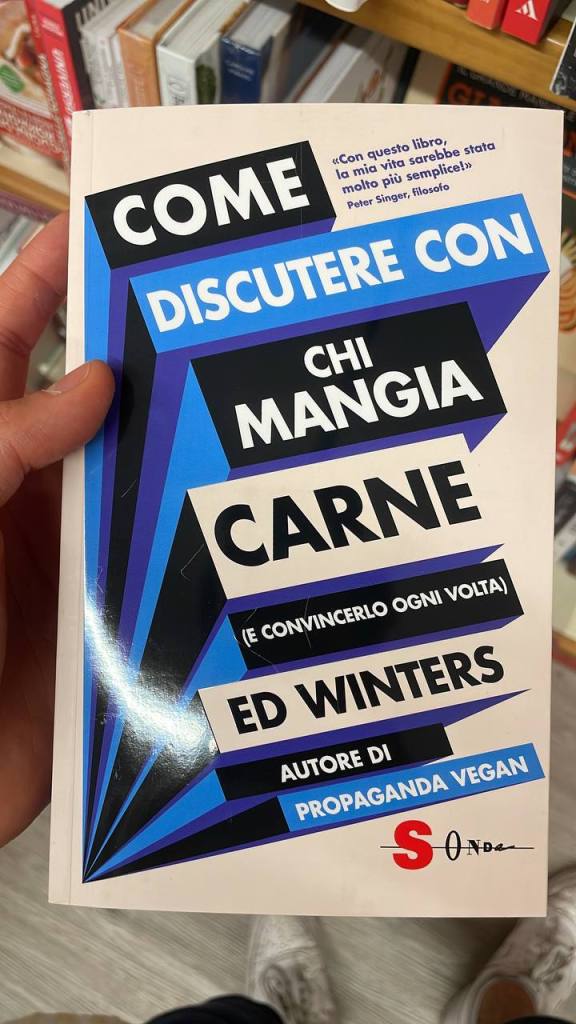
It appears to me that anyone who has dietary restrictions or preferences, such as being vegetarian, vegan or eating only halal meat, would struggle immensely in Emilia-Romagna.
However, there were some strangely inclusive, or should I say alternative, options that you would struggle to find elsewhere.
Gluten Free and Lactose Free Options
I guess Italians are aware that their food heavily relies on wheat and dairy, for it is common to find pizzerias serving gluten free pizzas with lactose free mozzarella. It is also easy to find lactose free dairy options in the supermarkets, which is a challenge in other parts of the world.
Alternatives to Coffee
As someone who tries to minimize caffeine consumption, I was delighted by the availability of non-caffeinated coffee alternatives almost everywhere I went! Be it from the coffee machines at the hotels and in the trains, to the coffee shops in the city, it’s very easy to find drinks like roasted barley, roasted chicory root and ginseng! The supermarkets also have these options readily available as alternatives to instant coffee. This stuff is immensely difficult to find in grocery stores outside of Italy, and you typically need to go to specialty shops.
Concluding Remarks
I am still a massive fan of Italian food, though my article may have implied otherwise. My perception of Italian food has changed though, and I no longer see it through rose tinted glasses. I accept that I’ve been misled by excellent marketing… probably from Americans!
However, this is only a part of the journey in discovering Italian food, and learning more about myself. I’m excited to visit Emilia-Romagna again to try some of the dishes that are more aligned with my palate, such as tortellini in brodo (tortellini in broth) and passatelli, and of course, ragù alla bolognese. Italian food is also much more than a “menu” that can be defined, as every region of Italy has its own food and customs, so there’s much more exploring I need to do in this short life of mine.
This trip has made me reflect a lot on the similarities between Iranian and Italian culture. We are generally loud16, social and inviting, and we really love our food17. Our food is also not too dissimilar conceptually either: where Italians use wheat Iranians use rice, where they use fatty cuts of pork we use fatty cuts of lamb, where they have coffee we have tea! I met an Italian recently who remarked to me: “I thought you were Iranian because you love your food”, and I was thinking: “funny for I would think the same of you”.
In my next article I’ll focus on the non-culinary aspects of my recent trip to Emilia-Romagna. Edit 11.07.2025: it is now available here.
- about Iran, what I can learn about myself. Talk about Taziana and her Persian husband
- talk about how much you enjoyed the greek food as a change
- Yes, this is a nod to Massimo Bottura’s incredible cookbook Slow Food Fast Cars. ↩︎
- Though I still have serious reservations about pairing it with gelato or panna cotta! My mind cannot de-register balsamico as savory. ↩︎
- I am open to some dense breads, such as rye, but I found dense wheat breads extremely difficult to eat. ↩︎
- A note for tourists: if dining in the region, particularly in Modena, be SURE to book restaurants in advance. The good ones are usually fully booked. ↩︎
- A funny story about me: I always thought mortadella was an Egyptian thing, because of how common it is in Egyptian households. I did some research for this article, curious to know if the Italian invasion of Egypt had anything to do with this strange fascination… but it appears more likely that while Egyptian mortadella evolved organically. ↩︎
- Another mystery of Italy: it is much more common to find sausage meat that has been cut into chunks and mixed into a dish (e.g. sausage with pasta or pizza) than finding it whole, served with bread or sauce! ↩︎
- Interestingly, one of the reasons why I decided not to buy Bottura’s Slow Food Fast Cars is because his recipe for Gnoccho Fritto doesn’t use lard. ↩︎
- I got into a bit of an argument with a colleague of mine who claims that prosciutto is sweet, not salty. This doesn’t sit right in my head! To me, any cured meat has a baseline saltiness that is almost intolerable! ↩︎
- Restaurants DO generally offer salads, but usually only as a side. ↩︎
- Excellent stuff. I might do a restaurant review separately! ↩︎
- But in truth, if you are reading this, it is almost exclusively targeted at you Frank. ↩︎
- And in fairness, I enjoy it only on American pizzas where I feel, the pineapple helps cut through the grease from all the cheese. ↩︎
- And no, this is NOT a touristy dish. I saw this served, to my horror, at an Italian pizzeria where my curious ears could not pick up a single word of English! ↩︎
- My favorite kind of breakfast to be honest ↩︎
- A break masquerading as a croissant. It is typically smaller and far sweeter. ↩︎
- Perhaps not I specifically ↩︎
- And to quote Vincenzo Prosperi, “we make love to our food”. ↩︎

 Tsunami's Hungry
Leave a comment