I started this blog just over a year ago with the intention to learn how to make traditional Southern Iranian dishes from the city of Evaz, and in the process, document the recipes so that they don’t get wiped out as the older generation passes. I’m very happy that I stuck to this mission, which is becoming more important with every passing day.
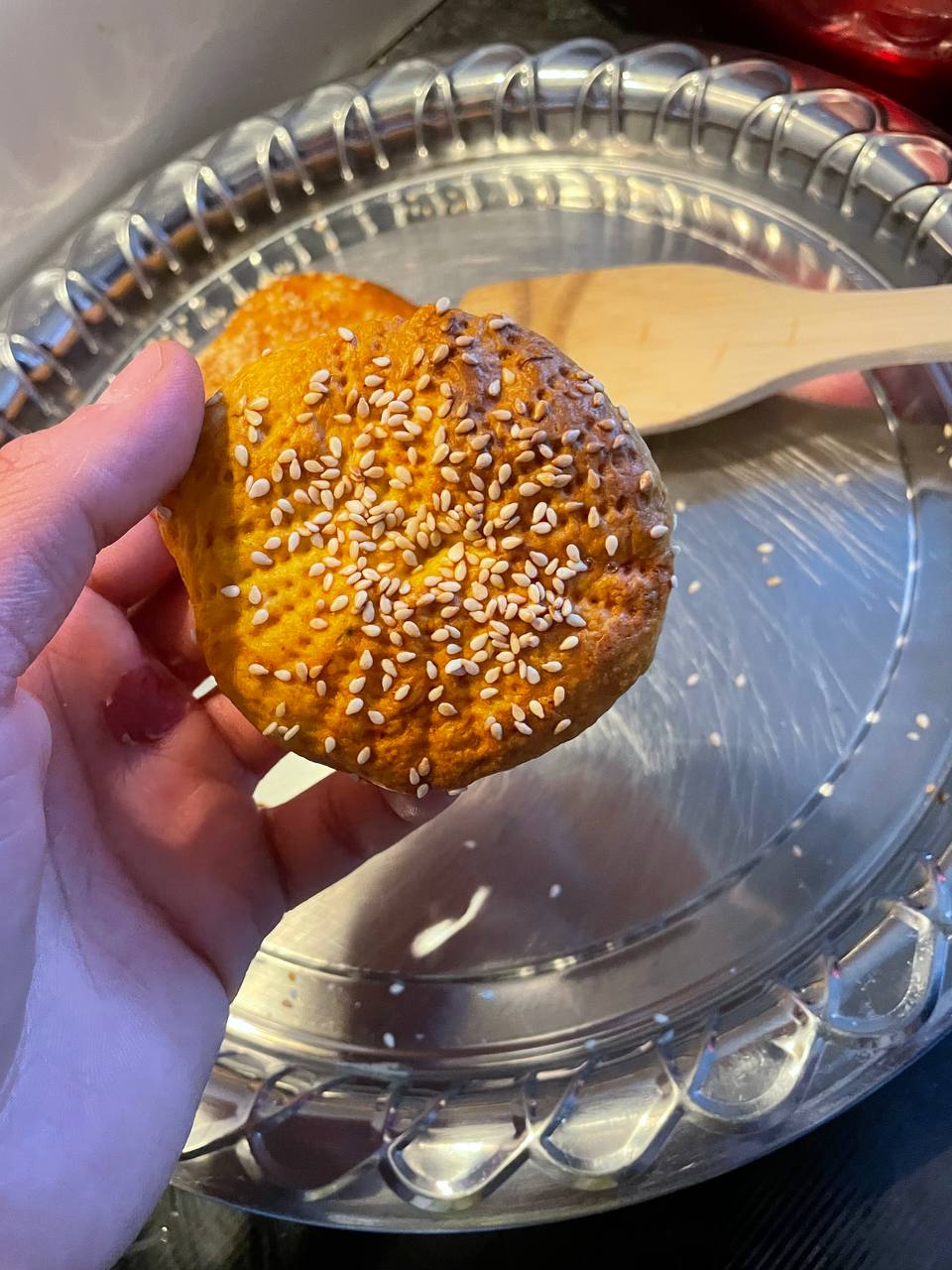
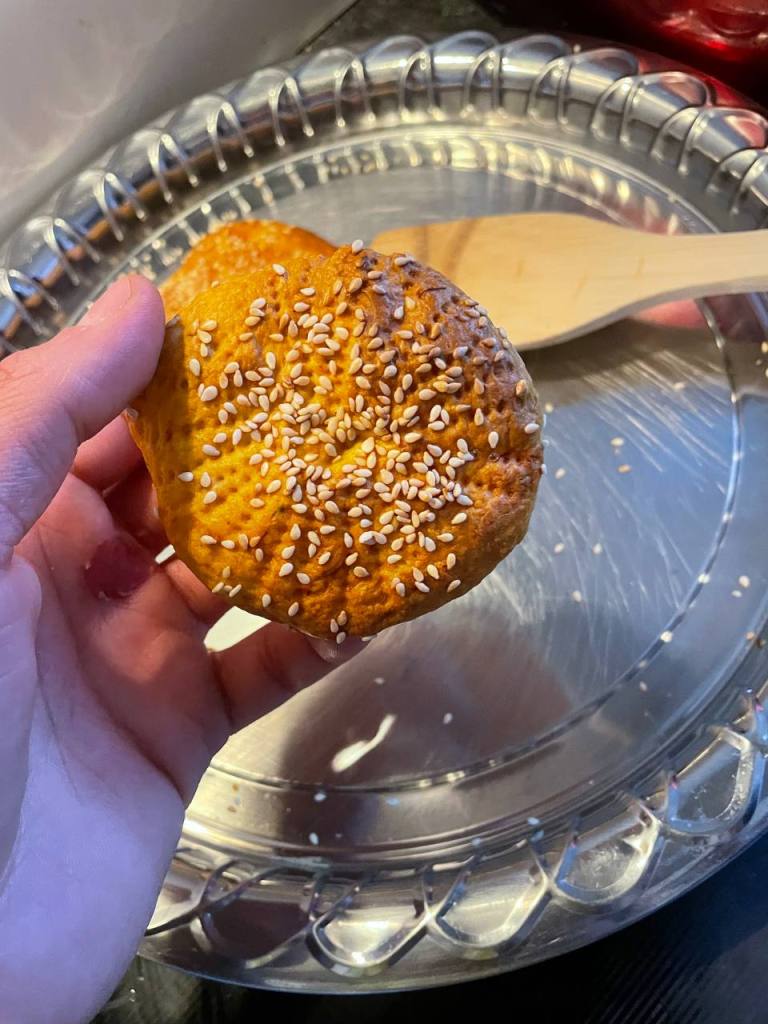
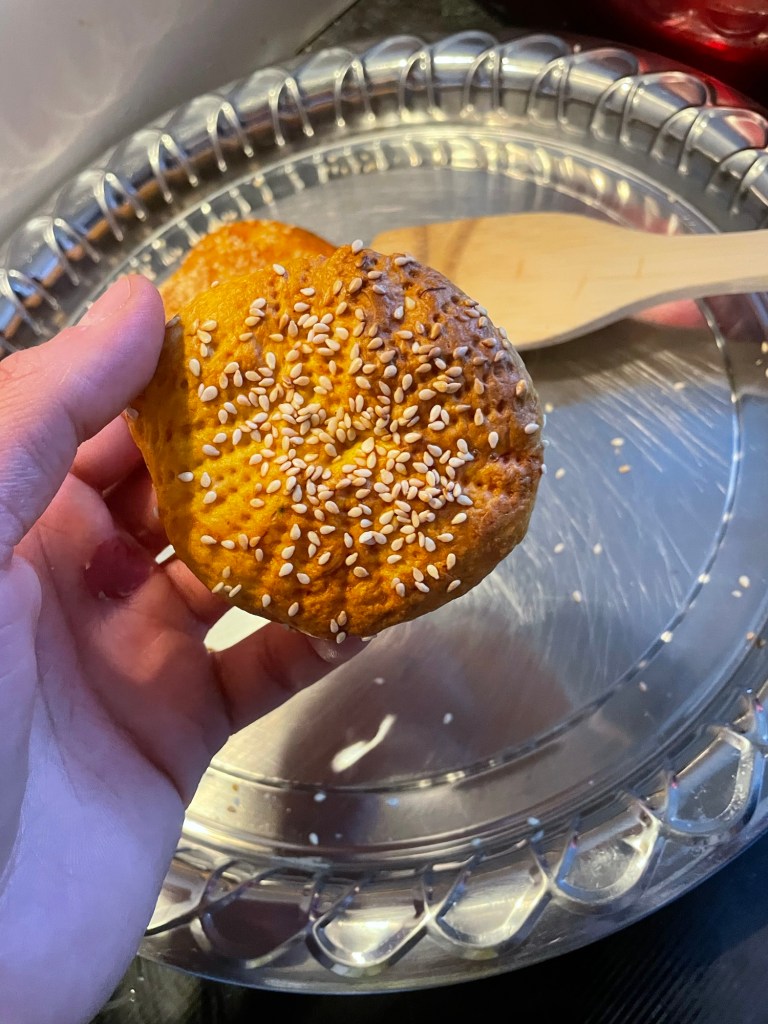
Today I’m introducing you to Taftoon: cookie shaped savory flatbreads that pair perfectly with sweet Iranian tea! These delicacies regularly held first place in my heart in the category of “best Evazi dishes” for many years of my childhood.
Recipe
Ingredients
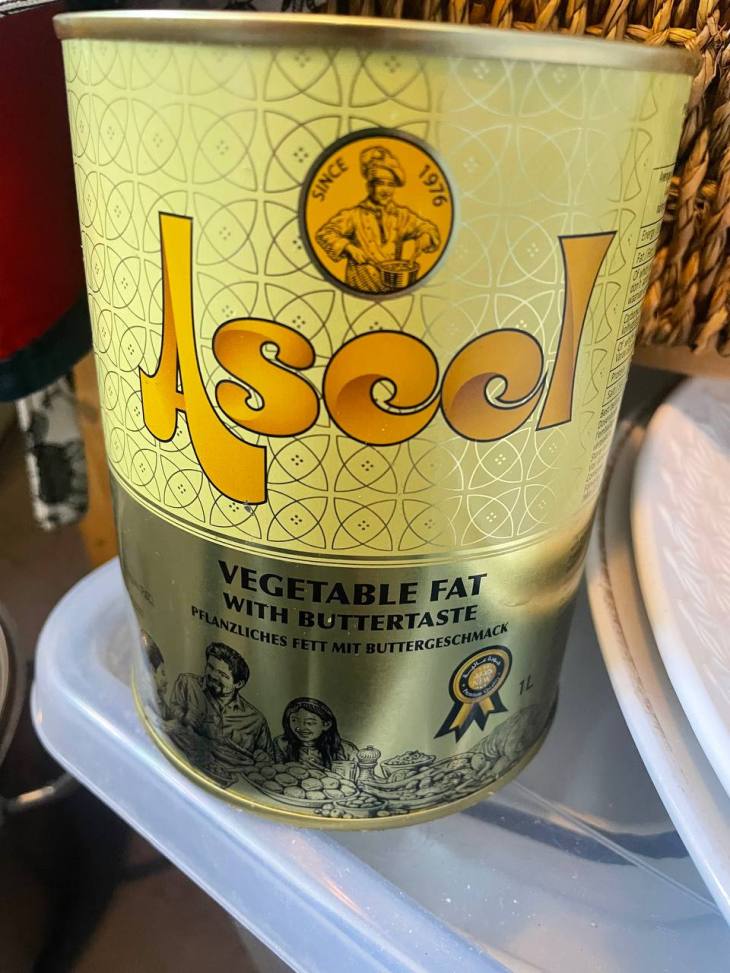
- 95 g Aseel oil (see photo below), melted
- 668 g all purpose flour
- 9 g salt
- 1.5 tbsp yeast (around 10 grams)
- Seeds from around 30 cardamom pods
- Roughly 250 ml of water
Preparation
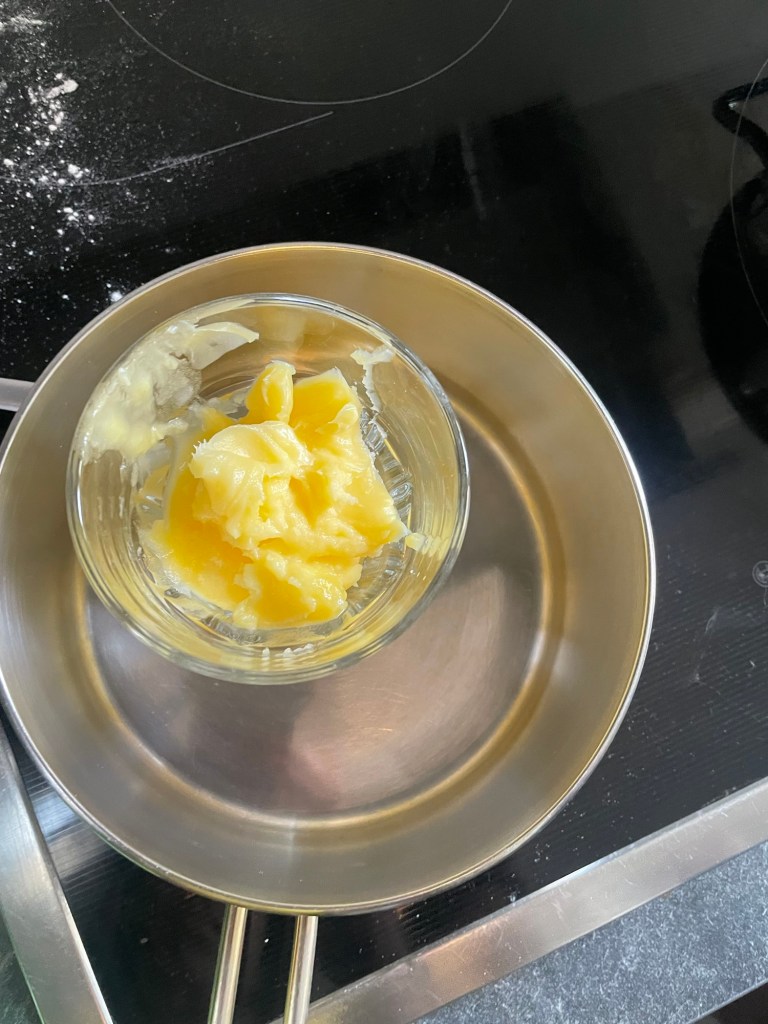
- Melt the Aseel oil by gently heating it. Leave this to the side
- Remove the cardamom shells and crush the seeds1.
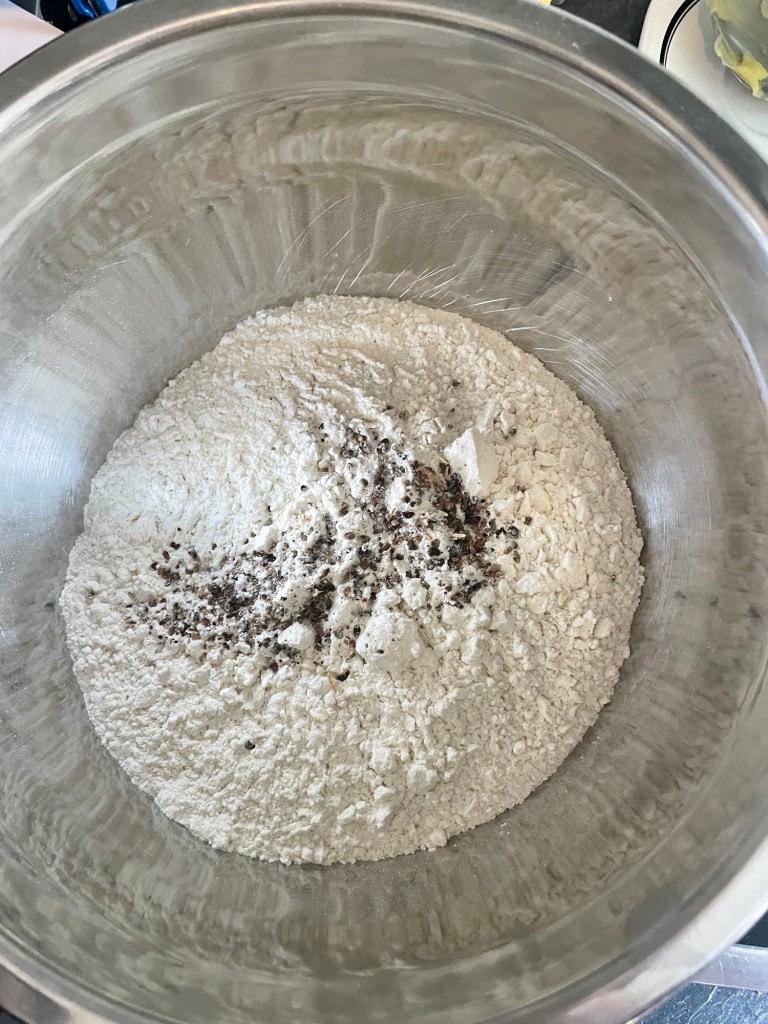
- Mix all the dry ingredients (flour, yeast, salt and cardamom seeds)
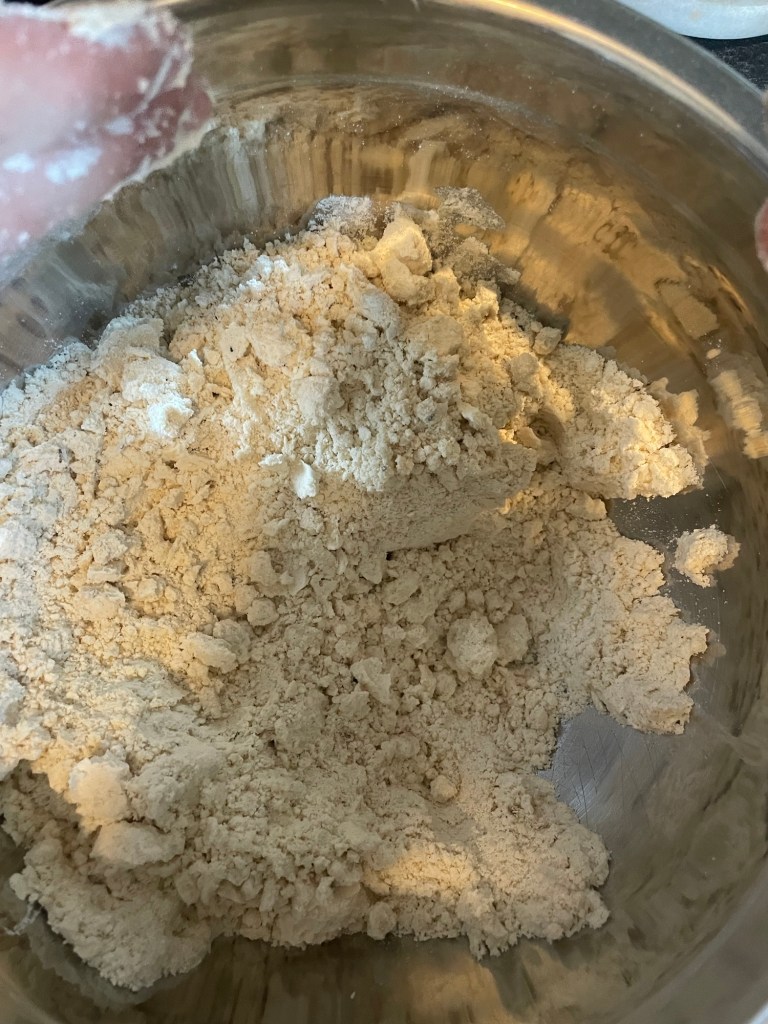
- Add in the oil, and mix it into the dry mixture until there aren’t any “blobs” of oil left
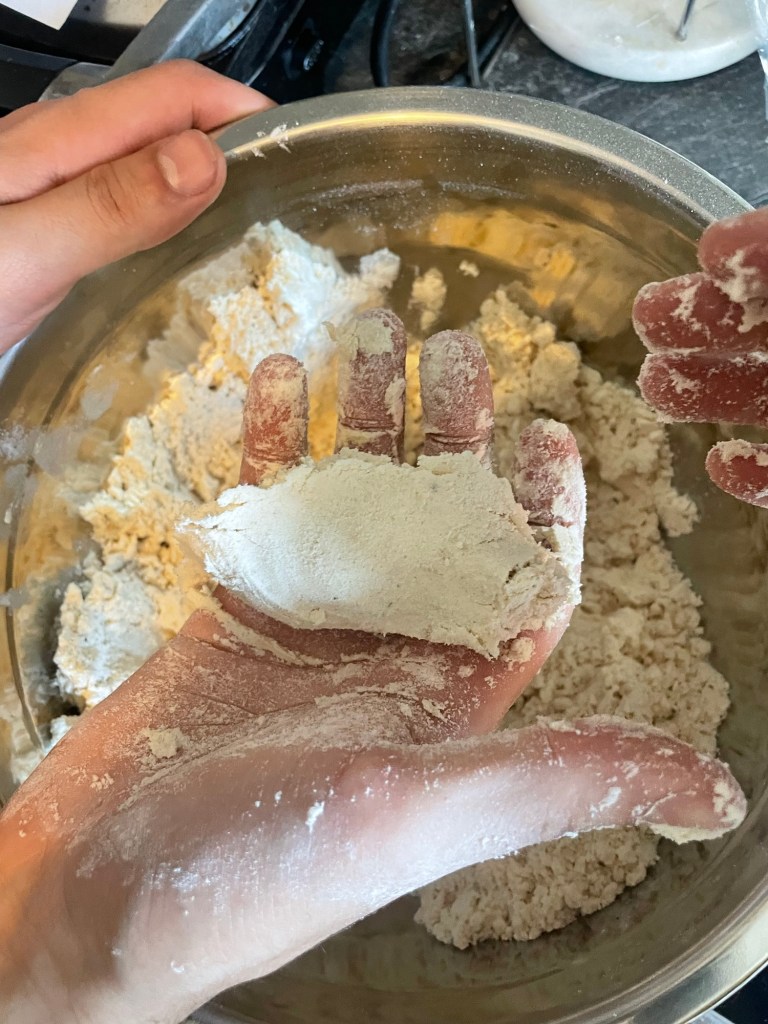
- Slowly incorporate water into the dough, and keep kneading until you have a smooth texture. The final dough should be slightly wet, though not sticky2.
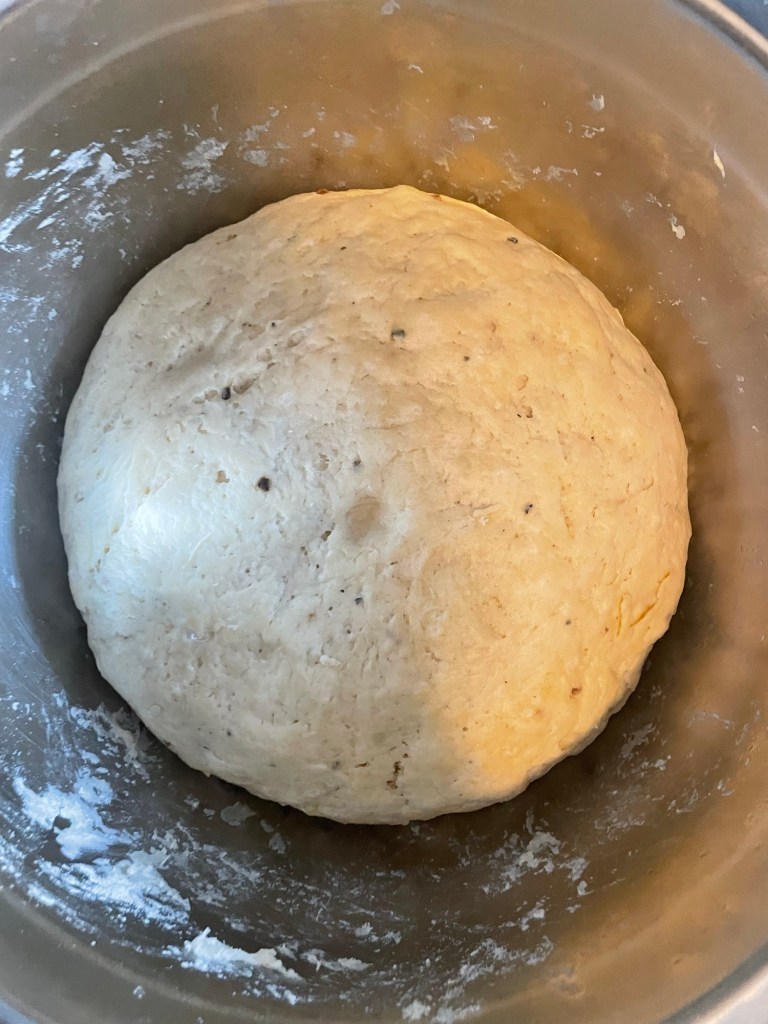
- Cover the bowl, and let the dough rise until it has doubled in size
- Pre-heat your oven to 190 degrees celsius with fan on
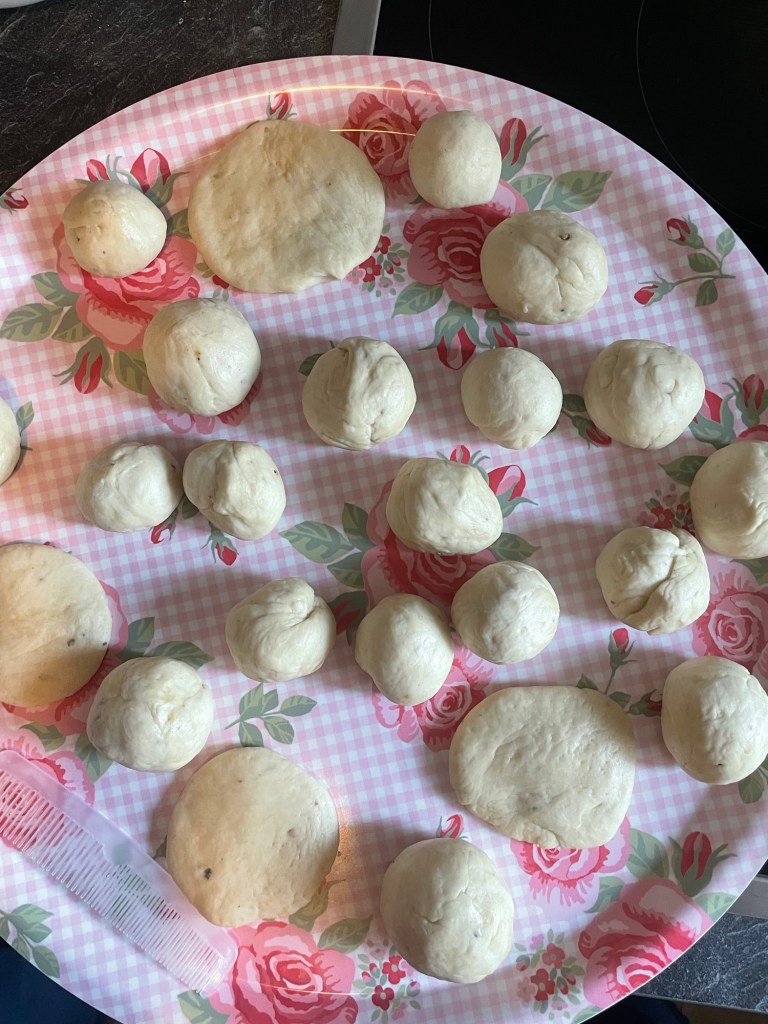
- Tear chunks of dough and work them into balls, initially starting in your hands and finishing on the kitchen countertop. These balls should be roughly the size of medium eggs
- Let the balls rest for around 15 minutes. This will cause further expansion
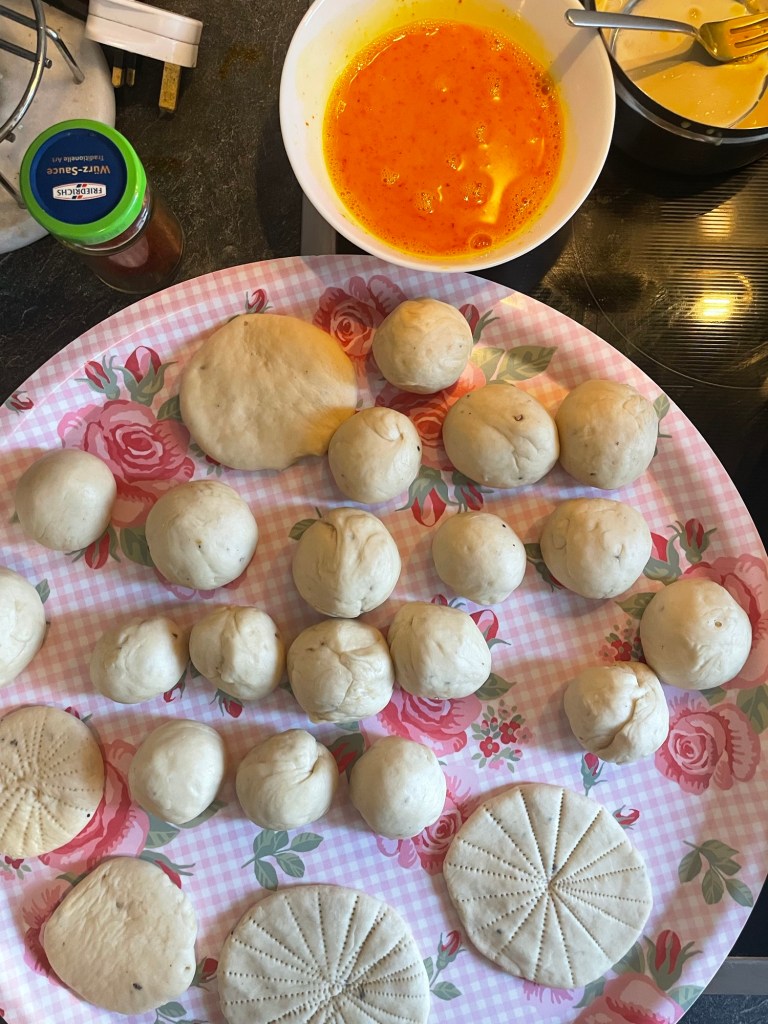
- Flatten each dough balls into disks by using the palm of your hands and pressing into the work surface.
- Use a comb to add a nice pattern to each disk.
- In a separate bowl, add saffron strands to warm water and mix well until your water gets a beautiful orange or reddish color. Mix this with 2 eggs and beat the mixture together.
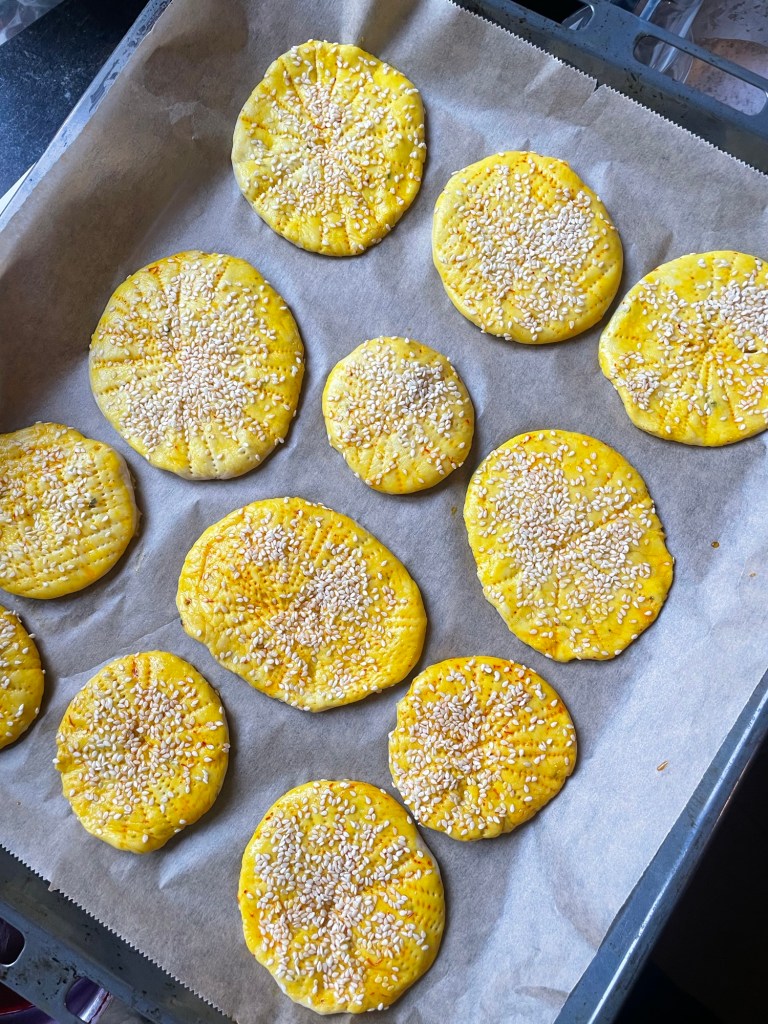
- Using a brush, coat each disk with the saffron-egg mixture
- Sprinkle sesame seeds over the coated disks. They are now ready to be baked!
- Place the disks onto a tray lined with baking paper, and cook for around 18-20 minutes, or until the bottom of the taftoons as started to cook (it develops a brown color)
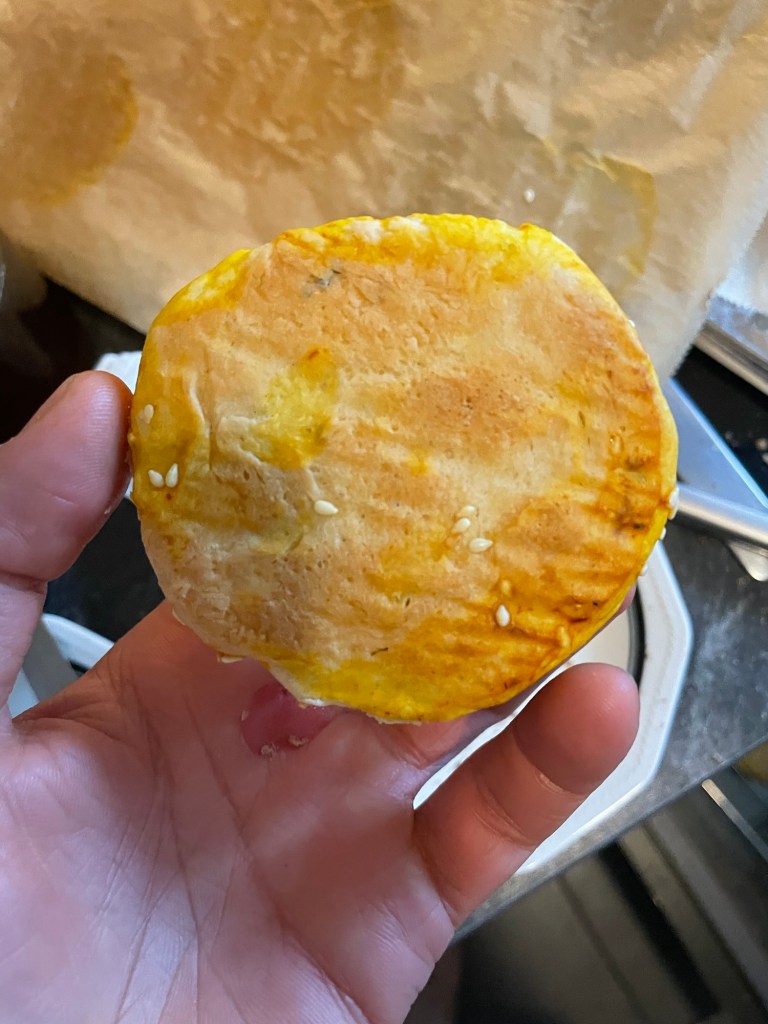
- At this point, move the oven tray to the top of the oven and set it to the broiler setting. Cook for another 10 minutes, or until you get a beautiful golden brown color
- Enjoy them as soon as they are out of the oven! At this point they are super soft. They become a bit harder as they cool, which is when they become perfect to have alongside tea or with Mahveh.

Next Steps
Overall, this was an excellent first attempt for Taftoon. However, there were a few things that went “wrong”:
- The sesame seeds were not toasted well, and I attribute this to the fact that the oven was initially set to the wrong setting (without any fan). This imparted a strong “raw” flavour on some of the taftoons which was not enjoyable. Should using the right setting not resolve this, I would try pre-toasting the seeds
- The taftoons did not rise much in the oven, and were therefore much flatter than the ones my aunt makes. I’m not sure what’s the reason for this: it could be that the gluten wasn’t developed enough to hold the air pockets, or that we didn’t wait long enough for the taftoons to puff up prior to baking. My aunt thinks the error lies in a matter much more simple: that we flattened them too much prior to baking!
Regardless of the above flaws, I’m very happy with how this went, and I’m excited to try it again.
- Note: I didn’t have access to a mortar and pestle when I made this batch so keep the seeds whole. This works too, and it is acceptable to get taftoon’s that have chunks of cardamom seeds in them. ↩︎
- Please note that the quantity of the water may vary significantly depending on the flour you are using, and that the amount of water prescribed in this recipe is an approximation only! ↩︎
 Tsunami's Hungry
Leave a comment